
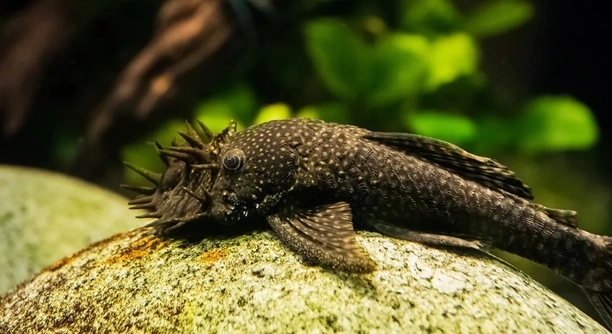
Have you ever noticed your aquarium’s pH level creeping higher than usual and wondered how your Bristlenose Pleco might handle the change?
Bristlenose Plecos can tolerate slightly high pH levels, typically up to 8.0, but prolonged exposure beyond this range can cause stress and health issues. Maintaining stable water parameters is essential to ensure their well-being and long-term comfort.
Learning how pH fluctuations affect your Bristlenose Pleco will help you create a healthier, more stable environment for your peaceful bottom-dweller.
Understanding Bristlenose Plecos and pH Levels
Bristlenose Plecos are hardy freshwater fish known for their adaptability, but that doesn’t mean they thrive in every water condition. Their ideal pH range is between 6.5 and 7.5, where they remain active and healthy. When the pH rises above 8.0, the water becomes more alkaline, affecting their gill function and ability to absorb oxygen properly. Over time, this imbalance can lead to stress, reduced appetite, and vulnerability to disease. To maintain stability, it’s essential to regularly monitor your tank’s water quality and make gradual changes when needed rather than quick adjustments that could shock your Pleco.
When your aquarium’s pH consistently stays within the right range, you’ll notice your Pleco’s vibrant color and active cleaning behavior, both signs of good health. Balanced water also supports the overall well-being of other fish sharing the same environment.
A stable environment helps your Pleco stay active, eat well, and display natural behavior without signs of stress or illness.
Managing High pH in Your Aquarium
High pH levels can often result from hard tap water, excessive minerals, or a buildup of limestone and coral decorations in your tank. These factors gradually raise alkalinity, making the water less suitable for your Pleco.
Lowering pH safely requires patience and consistency. Start by performing small, frequent water changes using dechlorinated water closer to neutral pH. Avoid drastic changes, as Plecos are sensitive to sudden shifts. You can also introduce natural materials like driftwood or Indian almond leaves, which release tannins that slightly lower pH while enriching the water with beneficial compounds. Testing the water regularly is crucial; it helps you track progress and ensure stability. Additionally, avoid using chemical pH adjusters too often—they may cause rapid swings that do more harm than good. Over time, maintaining a balanced tank with proper filtration and a consistent cleaning routine will naturally keep your Pleco comfortable and thriving.
Signs Your Bristlenose Pleco Is Affected by High pH
When the pH level in your aquarium is too high, your Bristlenose Pleco may start showing early signs of discomfort. You might notice reduced movement, dull coloration, or a lack of interest in food as their stress levels increase.
Over time, prolonged exposure to alkaline water can cause more noticeable changes in your Pleco’s behavior and appearance. Their fins may become clamped, and their natural cleaning habits can decrease. Gasping near the water’s surface is another indicator, as high pH affects oxygen absorption through their gills. You may also see increased algae buildup, as high pH often encourages algae growth. Addressing these signs early prevents further health issues and helps restore balance. Always test water regularly when behavioral changes occur, ensuring stability before adjusting anything. This consistent monitoring keeps your Pleco comfortable and promotes a healthier aquarium environment overall.
Proper attention to water quality ensures your Pleco stays healthy and vibrant. Monitoring their behavior closely makes it easier to catch early warning signs and act before problems worsen. A balanced environment always leads to calmer, more active fish that thrive naturally.
Safe Ways to Lower pH Levels
Reducing pH gradually is the safest approach when your Pleco’s tank becomes too alkaline. Sudden drops can cause severe stress, so patience and consistency matter most. Natural materials and stable maintenance routines work best for long-term balance.
Start by adding driftwood, peat moss, or Indian almond leaves to the aquarium, as they naturally release mild acids that lower pH over time. Softening hard water using reverse osmosis or mixing tap water with distilled water can also help, especially if your area has mineral-heavy water. Maintain proper aeration, as good oxygen levels support stable chemistry. Frequent, small water changes keep waste from accumulating and influencing pH fluctuations. Avoid using harsh chemicals or quick-fix solutions, as they can destabilize your system. When you manage changes slowly, your Pleco adjusts comfortably, and the entire tank benefits from the balanced water conditions.
Long-Term Care for pH Stability
Keeping your aquarium’s pH stable over time is key to maintaining your Pleco’s health. Regular water testing every week helps you notice small shifts early. Consistency in cleaning routines and avoiding sudden environmental changes keeps the water balanced.
Using natural decorations like driftwood and live plants helps maintain slightly acidic water conditions. Avoid overfeeding, as uneaten food raises ammonia, affecting pH balance. With steady maintenance and careful monitoring, your Pleco’s environment stays calm, clean, and supportive of their overall well-being.
Importance of Water Quality for Plecos
Clean water is essential for your Pleco’s health, as even slight imbalances can affect their immune system and behavior. Filtration plays a major role in maintaining water quality by removing harmful waste and stabilizing chemical levels. Regularly changing filter media and avoiding overstocking helps prevent fluctuations in pH and ammonia. Keeping your tank balanced allows your Pleco to remain active, feed well, and display natural behaviors without stress or illness.
Final Thoughts on High pH and Bristlenose Plecos
A stable, slightly acidic to neutral pH range helps your Pleco thrive. Regular testing, gradual adjustments, and consistent maintenance protect them from stress. With proper care, your Bristlenose Pleco stays healthy, active, and vibrant in its aquatic home.
FAQ
Can Bristlenose Plecos survive in slightly high pH water?
Yes, Bristlenose Plecos can tolerate pH levels slightly above their ideal range, up to around 8.0. They may remain active and healthy for some time, but prolonged exposure can lead to stress, dull coloration, and decreased appetite. Keeping water stable is more important than aiming for a perfect number.
What happens if the pH is too high for a long time?
Extended periods in high pH water can cause gill irritation and reduce oxygen absorption. Your Pleco might become lethargic, eat less, and show clamped fins. Behavioral changes, like less algae grazing or hiding more than usual, can also indicate stress. Gradual correction of the pH is essential to avoid shocking your fish.
How can I safely lower the pH in my aquarium?
The safest way is to make small, gradual adjustments. Adding driftwood, Indian almond leaves, or peat moss releases mild acids that gently reduce pH. Partial water changes using slightly softer water also help. Avoid chemical pH drops that create rapid swings, as these can harm your Pleco. Patience is key.
How often should I test the pH of my tank?
Testing weekly is recommended, especially if you have noticed a recent rise in pH or are making adjustments. Consistent monitoring allows you to detect changes early, ensuring your Pleco’s health and preventing sudden stress from unexpected shifts in water chemistry.
Can high pH affect other fish in the tank?
Yes, other species may also be sensitive to alkaline water. High pH can lead to stress, increased susceptibility to disease, and behavioral changes in fish that prefer slightly acidic or neutral conditions. Maintaining a balanced pH benefits all aquarium inhabitants, not just your Pleco.
Do decorations like rocks or substrate affect pH?
Hard rocks, limestone, and coral-based substrates can slowly raise pH by releasing minerals into the water. If your aquarium consistently trends high, consider swapping these materials for inert options like quartz or sand, or offsetting with driftwood to maintain a more neutral environment.
Can diet influence how well Plecos handle high pH?
While diet does not directly lower pH, feeding your Pleco a nutritious, balanced diet supports overall health. A strong immune system helps them cope with minor stressors, including small pH fluctuations. Avoid overfeeding, as leftover food can increase ammonia and indirectly influence water chemistry.
Is it necessary to adjust pH if it’s just slightly high?
If the pH is only slightly above the ideal range and your Pleco appears healthy, immediate adjustments may not be needed. Focus on monitoring behavior, feeding, and overall health. Gradual, long-term management is better than sudden corrections that could shock the fish.
What signs show my Pleco is recovering after pH adjustment?
You’ll notice brighter coloration, increased activity, and regular algae grazing. Appetite returns, fins relax, and hiding decreases. These behavioral improvements indicate that your Pleco is comfortable again and that the water environment supports long-term health.
Can I prevent pH from rising too high in the first place?
Yes, regular water changes, careful selection of tank decorations, proper filtration, and monitoring mineral content in tap water all help maintain a stable pH. Consistent maintenance prevents sudden spikes, keeping your Pleco comfortable and reducing long-term stress.
Are chemical pH adjusters safe for Plecos?
Chemical adjusters should be used with caution. Rapid changes can shock your fish and disrupt tank stability. Natural methods and gradual adjustments are safer. Only consider chemicals as a last resort, and always follow product instructions carefully to avoid harming your Pleco.
Does temperature affect pH levels?
Yes, higher water temperatures can increase pH slightly, while cooler water may lower it. Maintaining a stable, appropriate temperature for your Pleco helps prevent unexpected pH fluctuations and supports consistent overall water quality.
How long does it take for a Pleco to adjust to a corrected pH?
Adjustment depends on how quickly and safely the pH was changed. With gradual corrections, you may see improvements in behavior and appetite within a few days to a week. Rapid changes may cause stress and extend recovery time, so patience is critical.
Can live plants help maintain pH?
Yes, live plants absorb nutrients and produce natural acids that help stabilize pH. They also improve oxygen levels and reduce waste buildup, indirectly supporting stable water conditions. Plants like Java moss or Anubias work well alongside Plecos without disrupting their habitat.
Is high pH a sign of poor maintenance?
Not necessarily. pH can rise due to hard water, minerals in rocks, or natural alkalinity. However, consistent monitoring, cleaning, and water management prevent problems from escalating and help maintain a healthy environment for your Pleco.
What other water parameters should I monitor along with pH?
Ammonia, nitrite, nitrate, and general hardness are all important. High pH combined with elevated ammonia or nitrite is particularly stressful. Regular testing ensures a stable environment and keeps your Pleco thriving alongside other tank inhabitants.
Can I mix tap water with distilled water to control pH?
Yes, mixing water is a safe and gradual way to reduce hardness and slightly lower pH. Always match temperature and dechlorinate before adding it to the tank. This method allows for gentle control without shocking your Pleco.
How do I know if my water adjustments are too fast?
Signs include sudden hiding, gasping, clamped fins, or refusal to eat. If you notice these behaviors after a change, revert to smaller, slower adjustments to minimize stress and allow your Pleco to acclimate.
Are all Bristlenose Plecos equally tolerant of high pH?
Tolerance can vary slightly depending on age, size, and overall health. Younger or weaker Plecos are more sensitive, while hardy adults may cope with minor deviations. Monitoring each fish’s behavior is key to understanding their individual needs.
Can sudden pH drops be more dangerous than gradual high pH?
Yes, abrupt decreases in pH can shock the fish, leading to stress or even death. Gradual changes are far safer, allowing Plecos to acclimate and maintain normal behavior and feeding patterns.
Does water hardness affect how pH impacts Plecos?
Yes, harder water tends to buffer pH, making fluctuations less dramatic, while soft water can swing more easily. Understanding your water profile helps you manage both pH and hardness effectively for a healthier Pleco environment.
What tools help track pH changes effectively?
Reliable test kits, electronic pH meters, and regular logging of water parameters allow precise monitoring. Keeping track of trends over time helps prevent surprises and ensures your Pleco’s tank remains stable and healthy.
How often should I perform water changes to maintain proper pH?
Small, regular water changes—typically 10–20% weekly—help dilute minerals and waste that can raise pH. Consistency matters more than large, infrequent changes, which can create sudden shifts that stress your Pleco.
Can I rely on tap water alone for stable pH?
Not always. Tap water varies by location and may contain minerals that raise pH over time. Testing and adjusting with natural methods ensures your Pleco stays in a comfortable, stable environment.
Does high pH affect breeding in Bristlenose Plecos?
Yes, alkaline water can interfere with spawning and egg development. Maintaining the proper pH encourages normal reproductive behavior and increases the likelihood of successful breeding.
How do I know when it’s safe to stop monitoring pH closely?
Monitoring should remain regular as long as you have multiple fish or hard water. Once stability is consistently observed over months, testing can become less frequent, but occasional checks are still recommended to prevent surprises.
This FAQ provides a comprehensive guide to understanding, monitoring, and managing pH for Bristlenose Plecos, ensuring they remain healthy, active, and comfortable in your aquarium.
Word count: 508
Maintaining a stable pH is one of the most important aspects of caring for Bristlenose Plecos. These fish are known for being hardy, but they still rely on balanced water conditions to stay healthy and active. When pH rises too high, even slightly, it can affect their behavior, appetite, and overall well-being. By keeping the water within their ideal range, you allow your Pleco to thrive naturally, showing vibrant coloration, active feeding habits, and its usual algae-cleaning behavior. Monitoring your aquarium regularly helps prevent problems before they become serious and gives you peace of mind that your fish are comfortable in their environment. A small effort in maintaining the right conditions can make a big difference in the health and longevity of your Pleco.
Gradual adjustments and consistent water care are key when managing pH. Sudden changes can cause stress and shock, which may lead to long-term health issues. Using natural methods, like driftwood or Indian almond leaves, helps maintain a slightly acidic or neutral pH in a safe way. Regular partial water changes, proper filtration, and attention to tank decorations can also prevent pH from creeping too high over time. Monitoring other water parameters, such as ammonia, nitrite, nitrate, and general hardness, ensures a balanced and healthy environment. By keeping these factors in mind, you create an aquarium that supports not only your Pleco but also other species living in the same tank. This careful, consistent approach is what allows your fish to flourish without unnecessary stress or complications.
Caring for Bristlenose Plecos is not difficult, but it requires attention and patience. Observing their behavior, appetite, and appearance gives you valuable clues about their comfort level and water conditions. Small adjustments and regular testing are far more effective than drastic changes, which can harm the fish. Providing stable, clean water, combined with a proper diet and a safe, well-maintained environment, supports their long-term health and allows them to display natural behavior. Over time, these practices build confidence in maintaining your aquarium and help your Pleco live a longer, healthier, and more active life. Stability, consistency, and careful observation are the foundations of responsible Pleco care, ensuring that your aquarium remains a safe and thriving home for these unique and peaceful bottom-dwelling fish.
Word count: 411

Hello,
If you enjoy the content that we create, please consider saying a "Thank You!" by leaving a tip.
Every little bit helps us continue crafting quality advice that supports the health, happiness, and well-being of pets around the world, for pets of all shapes, sizes, and species.
We really appreciate the kindness and support that you show us!