
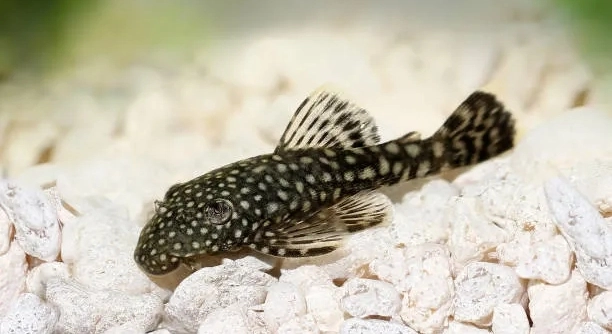
Have you ever noticed your pleco lingering around certain plants more than others in your aquarium? Sometimes they seem calm, but at other times they guard their favorite spots with surprising intensity. Their behavior can be puzzling for hobbyists.
Plecos can exhibit territorial behavior over plants, particularly when they perceive them as part of their personal space or breeding area. Aggression may increase in smaller tanks or when suitable hiding spots are limited, influencing both plant health and tank dynamics.
Observing their interactions with plants can reveal patterns that help you manage your aquarium more effectively. This understanding can lead to a healthier environment for both fish and flora.
Why Plecos Guard Plants
In my aquarium, I noticed that certain plecos seemed especially attached to specific plants. They would linger near the stems and leaves, sometimes nudging other fish away. This behavior is linked to their natural instincts. Plecos are territorial by nature, especially when it comes to areas they consider safe or suitable for hiding. Plants offer shade, protection, and a soft surface for grazing. Some species even use plant leaves during breeding periods, which can make them more defensive. Observing closely, I realized the aggression was not constant but triggered by proximity or competition. Providing multiple plants or hiding spots can reduce tension and give each fish a sense of security. Understanding that this behavior is instinctual helped me adjust tank layout and minimize damage to plants. Plecos aren’t being mean—they are following their natural patterns, which can be managed with thoughtful planning.
Plecos guard plants primarily for protection and comfort, not for feeding purposes. This behavior increases when space is limited.
Giving plecos more plants and decorations can help them feel secure without stressing the aquarium. Rotating plant placement occasionally also reduces repetitive guarding. When multiple species share a tank, this approach keeps interactions calmer. Observing which plants attract attention first allows for better layout decisions. Adding driftwood or rock caves gives plecos alternative territories, so plants are not overprotected. Over time, the fish become more relaxed, and the aquarium looks healthier. By providing clear boundaries and enough cover, both plants and fish thrive.
Managing Territorial Behavior
Limiting overcrowding and adding extra plants or hiding spots can reduce aggressive tendencies in plecos. Even small adjustments can make a difference in tank dynamics.
Plecos may become territorial, but it is possible to manage their behavior with thoughtful tank design. Using dense plant clusters or floating plants creates multiple zones, reducing competition over individual spots. Observing the fish helps identify which areas are most contested. In some cases, splitting the tank with visual barriers can prevent constant confrontation. Choosing hardy plant species ensures they withstand occasional nudging or grazing. Feeding plecos regularly and offering algae wafers nearby can distract them from guarding plants aggressively. By balancing space, hiding spots, and food availability, aggression is minimized, and both fish and plants thrive. Managing territorial tendencies requires patience, observation, and a willingness to adjust tank layout to meet the natural instincts of plecos. The result is a calmer aquarium, healthier plants, and plecos that feel secure without constant stress.
Signs Your Pleco Is Territorial
One clear sign is when a pleco repeatedly hovers near the same plant while chasing away other fish. You may also notice scraping or nudging behaviors around that area, especially if the tank is small or plants are limited.
In my experience, plecos often show territorial signs by patrolling their favorite spots. They might circle a plant or driftwood and become noticeably aggressive when another fish approaches. Some plecos even flare their fins or bump the tank glass near their territory. Watching these patterns over a few days helped me identify which areas needed extra plants or decorations. I learned that not all plants are equally attractive to plecos; broad leaves or areas with soft substrate tend to be claimed first. Recognizing these behaviors early prevents stress and plant damage.
Another way to spot territorial behavior is by observing feeding times. If a pleco guards a plant near food, it will often chase other fish away until it finishes. Multiple plecos in the same tank may establish separate “zones,” each claiming different plants or hiding spots. This is especially common in smaller tanks where space is limited. By adding extra plants and hiding places, I noticed the aggressive behaviors decreased significantly. It takes a little patience, but observing interactions carefully allows you to adjust tank layout effectively.
Protecting Plants from Pleco Aggression
Using hardy plants or placing decorations around vulnerable plants can prevent damage. Dense arrangements reduce stress and make each pleco feel secure.
I started using strong-leaved plants and spreading them across the tank to minimize conflicts. Plecos tend to guard one plant, so providing multiple options prevents over-attachment. Floating plants or driftwood creates barriers that help break lines of sight, reducing aggressive encounters. Observing which plants get damaged most frequently guided placement choices, while occasionally moving plants prevented predictability. Regular feeding also distracts plecos from constantly guarding. By combining these methods, plants survived without major harm, and plecos remained calm. It’s a balance of protection and understanding their natural instincts.
Tank Size and Its Impact
Smaller tanks often increase territorial behavior in plecos because they feel confined. Limited space means fewer hiding spots, making plants more likely to be guarded aggressively.
Larger tanks give plecos more room to establish separate areas. When each fish has its own zone, aggression toward plants decreases significantly, and multiple plants can coexist without conflict.
Choosing the Right Plants
Hardy plants like Java fern or Anubias withstand occasional nudging and grazing. Soft, delicate plants are more likely to suffer from territorial behavior. Choosing resilient species helps maintain both healthy plants and calm plecos in the tank.
Observing Behavioral Changes
Plecos may change their level of aggression over time, especially as new plants or decorations are added. Watching their behavior regularly helps in adjusting tank conditions to keep both fish and plants safe.
FAQ
Can plecos live peacefully with other fish while guarding plants?
Yes, plecos can coexist with other fish if there is enough space and hiding spots. I noticed that adding extra plants, driftwood, and decorations reduces conflicts. Plecos tend to guard only a specific area, so providing multiple zones allows other fish to swim freely without constant chasing. Feeding consistently also keeps territorial behaviors in check.
Do plecos destroy all types of plants?
Not all plants are equally at risk. Broad-leafed or soft plants are more likely to suffer, while hardy species like Java fern, Anubias, and Cryptocoryne withstand occasional nudging and grazing. I learned that placing fragile plants away from prime territories protects them, and floating plants can act as a buffer to reduce direct contact.
Why do plecos suddenly become aggressive over certain plants?
Aggression often spikes during breeding periods or when plecos feel their territory is threatened. I’ve seen plecos claim a single plant or section of the tank, becoming more defensive if other fish approach. Changes in tank layout or adding new fish can trigger this behavior, making it important to monitor interactions closely.
Will plecos eventually stop guarding plants as they grow older?
Territorial behavior may decrease slightly with age, but many plecos continue to guard favored plants throughout their life. In my tank, older plecos became a bit calmer but still had specific areas they favored. Providing extra plants and hiding spaces keeps them content and reduces stress, even as their territorial instincts persist.
How can I reduce plant damage from plecos?
Adding multiple plants and hiding spots works well. I also positioned resilient plants in the areas plecos frequently guard. Regular feeding distracts them from constant nudging, and rearranging decorations occasionally breaks up predictable territories. Monitoring the tank daily helps me notice when a pleco becomes overly protective, allowing timely adjustments.
Do all pleco species show territorial behavior over plants?
Not all species are equally territorial. Some, like the common pleco, are more inclined to defend plants, while smaller species or algae eaters may be less aggressive. I found that understanding the specific species’ behavior helps plan tank layout and plant selection effectively, ensuring harmony between fish and flora.
Can territorial behavior harm the pleco itself?
Overly aggressive behavior can lead to stress or minor injuries from chasing other fish. In my experience, giving plecos enough space and multiple zones reduces stress and prevents repetitive aggressive actions. A well-structured tank keeps plecos healthy while maintaining the safety of other fish and plants.
Is tank decoration important in managing pleco territories?
Yes, decorations play a key role. Driftwood, rocks, and caves create alternative territories, reducing plant guarding. I noticed that when each pleco has a place to retreat, they are less likely to aggressively protect plants. Visual barriers and plant clusters also help limit confrontations between fish, improving overall tank harmony.
Do plecos recognize specific plants as their territory permanently?
Plecos may favor certain plants, especially if they provide shade, cover, or grazing opportunities. I observed that even after moving plants slightly, plecos returned to their preferred areas. While not permanent in a strict sense, they show consistent attachment to particular plants, reinforcing the need for resilient species in those spots.
Can diet influence territorial behavior?
Yes, feeding plecos regularly with algae wafers or vegetables can reduce the intensity of plant guarding. I noticed that when food was scarce, plecos became more defensive over plants, but consistent feeding keeps them occupied and less likely to patrol aggressively. A balanced diet is essential for calming territorial instincts.
How do tank size and population affect territorial behavior?
Smaller tanks and crowded conditions increase aggression. I had one tank where adding extra plecos in a limited space led to constant plant guarding. Expanding the tank or reducing population density allowed fish to establish separate zones, significantly lowering conflicts. Adequate space is crucial for maintaining peace in planted aquariums.
Are there signs that a plant is at risk from pleco guarding?
Yes, frequent scraping, nipping, or displacement of nearby fish indicates a plant is being guarded. I watch for bent leaves or disturbed substrate as signals. Protecting these plants with barriers or placing them in less contested areas helps maintain their health while accommodating pleco behavior.
Can plecos guard multiple plants at once?
Typically, plecos focus on one or two areas at a time. In my experience, they choose the most advantageous spot, usually near shade or food sources. Providing multiple attractive plants distributes attention and reduces pressure on any single plant, helping both the fish and flora thrive.
Does the presence of breeding pairs increase aggression?
Yes, plecos become more territorial during breeding. I observed that pairs would guard their chosen plants more fiercely, often chasing other fish away. If breeding is expected, adding extra plants and hiding spots is essential to prevent damage and reduce stress for other aquarium inhabitants.
Can territorial plecos coexist with fragile plants?
Yes, but it requires careful planning. I positioned delicate plants in low-traffic areas and surrounded them with sturdier plants or decorations. Frequent observation and occasional rearrangement prevent damage. While plecos still show attachment to certain zones, fragile plants can survive with strategic placement and protection.
Final Thoughts
Plecos are fascinating fish, and their behavior can be both interesting and challenging for aquarium keepers. One of the most noticeable patterns is their tendency to guard certain plants or areas in the tank. This behavior is natural and instinctive, often linked to their need for safety, hiding spots, and sometimes breeding areas. In my experience, observing which plants they favor and understanding their behavior early can make a big difference in managing the aquarium. Recognizing that plecos are not being aggressive out of malice, but rather following instincts, helped me approach the issue more calmly and find solutions that worked for both the fish and the plants.
Providing a variety of plants and decorations is one of the most effective ways to minimize problems. Plecos often claim a single area if there are few options, but introducing multiple hiding spots and different types of plants spreads their attention. Hardy plants such as Java fern, Anubias, and Cryptocoryne withstand occasional nudging or grazing, which reduces the likelihood of damage. Floating plants and driftwood can also break lines of sight, helping to reduce territorial conflicts. Feeding consistently and on schedule keeps plecos occupied and less likely to guard aggressively. I noticed that small adjustments, like moving a plant or adding a new hiding spot, had a significant impact on overall tank harmony. It became easier to maintain both healthy plants and calm fish when I focused on providing variety and space.
Managing pleco territorial behavior requires patience and observation. Each fish is different, and their attachment to certain plants may vary depending on species, tank size, and individual temperament. Over time, plecos may become more relaxed, but they often retain favorite spots. Watching their interactions closely allows you to identify potential problem areas and act before plants are damaged. Maintaining a balance between giving plecos enough space and protecting delicate plants is key. In my experience, thoughtful tank planning, strategic plant placement, and regular monitoring not only prevent plant loss but also create a calmer, healthier environment for all inhabitants. Understanding plecos’ natural tendencies and adapting the tank accordingly makes the experience of keeping these fish much more enjoyable, while ensuring the aquarium remains a thriving space for both fish and plants.

Hello,
If you enjoy the content that we create, please consider saying a "Thank You!" by leaving a tip.
Every little bit helps us continue crafting quality advice that supports the health, happiness, and well-being of pets around the world, for pets of all shapes, sizes, and species.
We really appreciate the kindness and support that you show us!