
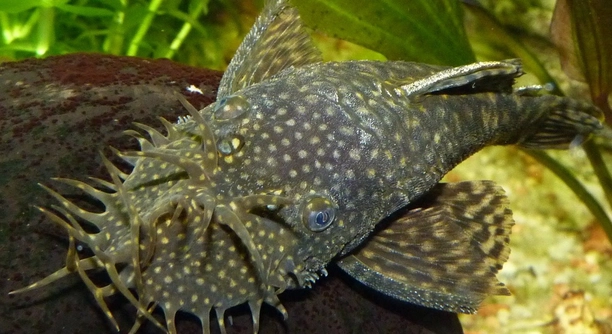
Have you ever noticed your pleco suddenly disappear behind decorations or under rocks in your tank without any warning? These quiet fish have their ways of seeking shelter and avoiding attention when they feel unsettled.
Plecos commonly hide for reasons such as stress, illness, environmental changes, or feeding routines. Sudden hiding behavior can also result from water quality issues, new tankmates, or natural nocturnal activity, reflecting their instinctive need for safety and comfort.
Understanding these hiding habits helps maintain a calm and healthy aquarium environment for your plecos. Each behavior has its significance and knowing them improves care and observation.
Sudden Hiding After Tank Changes
When I first added new plants and rocks to my tank, my pleco seemed to vanish almost immediately. Plecos are very sensitive to changes in their environment. Even minor rearrangements can make them feel unsafe. They prefer consistent hiding spots, and when these are altered, they retreat until they feel secure again. This behavior is natural and should not be a cause for immediate worry. Over time, as your pleco adjusts to the new setup, it will start exploring again. Observing this behavior teaches patience and understanding of their instincts.
Plecos often hide after any change in their tank, including decorations, substrate, or water flow adjustments. Their instinct to seek safety helps them cope with environmental stress, ensuring they remain protected while adapting to new surroundings.
It can be a little unsettling to see your pleco disappear, especially if it has always been active. But these periods of hiding are temporary. Offering multiple hiding spots, gentle water flow, and stable lighting can encourage them to return sooner. Watching your pleco slowly come out is rewarding and reminds you how sensitive they are to their surroundings. Understanding this behavior helps maintain a stress-free aquarium for all the fish.
Hiding During Feeding Times
I noticed my pleco often hides just before I feed the other fish. This behavior is normal because plecos are naturally cautious and prefer to eat in privacy. They often wait for other fish to finish before coming out.
During feeding, plecos may remain under rocks or in caves to avoid competition. They tend to be nocturnal, so daytime feeding can make them more reluctant to appear. It’s important to provide sinking food or algae wafers near their hiding spots. This ensures they get enough nutrition without feeling exposed. Regular feeding at consistent times helps them feel safer. Over time, they may start emerging more confidently, even during busier tank activities. Understanding this can reduce stress for both the fish and the keeper, creating a calm feeding routine that accommodates their natural behavior and reduces unnecessary hiding.
Hiding When Water Conditions Shift
My pleco often disappears when I make even small adjustments to the water. They are sensitive to changes in temperature, pH, and hardness. Sudden shifts can make them feel unsafe, so they retreat until conditions stabilize.
Water stability is crucial for plecos. They thrive in consistent temperatures, usually between 74–80°F, with pH around 6.5–7.5. Rapid changes in these parameters can trigger stress, causing hiding, loss of appetite, or lethargy. Regular testing and gradual adjustments are key. Even small disturbances, like adding tap water without conditioning, can create chemical imbalances. Plecos sense these differences and instinctively seek shelter. Providing well-planted areas or caves allows them to remain comfortable while the water balances. Observing how long they stay hidden can indicate the degree of stress and guide corrective actions.
Keeping the tank stable involves careful monitoring of filtration, water changes, and temperature regulation. Using a reliable thermometer and test kits helps prevent sudden surprises. I learned to make changes slowly, over hours or days, to avoid alarming my pleco. When the water is stable, the pleco gradually resumes normal activity, often exploring corners it previously avoided. This behavior reinforces the importance of consistency in aquarium management. Multiple hiding spots reduce tension, letting the fish feel secure without restricting their movement or natural habits.
Hiding Around New Tankmates
Introducing new fish makes my pleco vanish immediately, often for several days. They need time to assess potential threats and avoid conflict with unfamiliar tankmates.
Plecos are territorial and cautious by nature. When new fish are added, hiding provides safety and prevents stress-related behaviors. Aggressive or fast-moving species increase the likelihood of pleco withdrawal. Providing dense decorations and caves helps them feel secure while coexisting. Observing interactions is important to ensure the pleco’s well-being.
The key is gradual acclimation. New tankmates should be introduced slowly, monitoring behavior for signs of aggression. Plecos may initially stay hidden, coming out only during quiet moments. I found rearranging decorations to create private zones encouraged my pleco to explore safely. Multiple hiding areas reduce competition for shelter, giving each fish space to adjust. Over time, the pleco’s confidence grows, and it resumes normal swimming and feeding. Watching this process reinforces the importance of patience and thoughtful tank management. Consistent care and attention prevent prolonged stress and support healthy interactions.
Hiding During Bright Lighting
My pleco often disappears when the tank lights turn on. They prefer dim or shaded areas, feeling more comfortable under rocks or plants during bright lighting.
Strong lighting can stress plecos, as they are mostly nocturnal. Providing shaded zones and floating plants helps them remain active without feeling exposed.
Hiding When Feeling Ill
When my pleco seemed less active and stayed hidden for days, I realized it wasn’t feeling well. Illness or injury often causes prolonged hiding, signaling a need for close observation and possible intervention.
Hiding After Feeding Spills
Occasionally, leftover food or algae build-up causes my pleco to retreat temporarily. They seem wary of sudden changes in the tank floor, preferring clean, familiar spaces.
Why does my pleco hide all the time?
My pleco often hides because it feels safer in concealed spaces. This behavior is natural, especially for nocturnal fish. Continuous hiding can result from stress, illness, or environmental changes. Observing its patterns, water parameters, and tankmates helps determine whether it’s normal behavior or a sign of concern.
Is it normal for plecos to stay hidden during the day?
Yes, plecos are mainly nocturnal. They prefer to be active at night and often hide during daylight hours. Hiding during the day is a normal survival instinct and doesn’t usually indicate a problem if the pleco emerges for feeding or evening activity.
How can I encourage my pleco to come out?
Providing multiple hiding spots and gentle water flow helps your pleco feel secure. Feeding near their hiding spots and maintaining consistent lighting and temperature can also encourage them to explore. Patience is key, as plecos gradually adapt to their surroundings.
Could tankmates cause my pleco to hide?
Yes. Aggressive or fast-moving fish can make plecos retreat. Territorial behaviors or competition for space often lead them to remain hidden. Ensuring sufficient hiding areas and observing interactions can reduce stress and allow peaceful cohabitation.
Does water quality affect hiding behavior?
Absolutely. Poor water conditions, sudden changes in pH, temperature, or hardness, and insufficient filtration can stress plecos. Stress triggers hiding behavior. Regular water testing and gradual adjustments help create a stable environment, encouraging your pleco to be more active.
Should I worry if my pleco hides more than usual?
It depends. Occasional extended hiding is normal, especially after tank changes or feeding. Persistent hiding accompanied by signs of illness, loss of appetite, or abnormal swimming warrants closer inspection. Monitoring health and water parameters ensures proper care.
Can plecos be stressed by lighting?
Yes. Bright lighting can make plecos feel exposed. They prefer shaded areas or dim lighting, which mimic their natural habitat. Using floating plants, caves, or decorations can reduce stress and make them more comfortable in the tank.
Does hiding indicate sickness?
Not always, but it can be a sign. Illness, injuries, or infections often lead to prolonged hiding. Observing appetite, coloration, and activity levels helps identify health issues. If symptoms persist, treatment or consultation with an expert may be needed.
How long do plecos usually stay hidden?
It varies depending on factors like tank environment, tankmates, feeding, and stress. Some plecos hide for hours during the day and come out at night, while others may remain concealed longer after major changes. Monitoring patterns helps predict their behavior.
Are plecos happier with more hiding spots?
Definitely. Multiple caves, driftwood, and plants give plecos safe areas to retreat. This reduces stress, allows for natural behavior, and makes them more confident to explore. Overcrowding or lack of shelters often leads to constant hiding.
Can feeding routines impact hiding?
Yes. Plecos may hide during feeding if other fish are fast or aggressive. Providing sinking food near their hiding spots ensures they eat without feeling exposed. Consistent feeding schedules help them feel secure and encourage regular activity.
Do plecos hide more when the tank is new?
Yes. New tanks are unfamiliar and stressful. Plecos take time to adjust to new surroundings, water chemistry, and possible tankmates. Offering secure hiding spaces and maintaining stable conditions helps them acclimate faster.
Will plecos ever stop hiding completely?
They may reduce hiding once they feel safe, confident, and the environment is stable. However, some level of hiding is normal for their species, especially during daylight or around disturbances. Respecting their natural instincts is important for long-term wellbeing.
How can I tell if hiding is dangerous or normal?
Normal hiding is temporary and linked to routine behaviors or minor disturbances. Dangerous hiding comes with additional signs like lethargy, lack of appetite, abnormal swimming, or physical changes. Keeping detailed observations and water records helps differentiate between the two.
Does tank size influence hiding behavior?
Yes. Small or overcrowded tanks increase stress and competition for hiding spaces. Providing adequate space, hiding spots, and low-traffic areas allows plecos to feel secure, reducing prolonged or excessive hiding behavior.
Can plecos hide because of seasonal changes?
Occasionally. Changes in temperature, daylight, or feeding patterns can influence activity levels. Plecos may retreat more often during colder periods or when natural rhythms are disrupted. Maintaining stable tank conditions reduces seasonal stress effects.
Is it normal for a pleco to hide after being fed?
Yes. Plecos often eat and then retreat to digest in safety. Feeding may trigger temporary hiding, which is part of their natural behavior to avoid potential threats while vulnerable.
Do plecos prefer hiding alone or with other fish nearby?
They usually prefer solitude when hiding. Even peaceful tankmates can create a sense of exposure. Adequate hiding spaces allow them privacy without isolation, balancing safety with interaction.
Can I reduce hiding by rearranging the tank?
Rearranging can initially increase hiding, but thoughtful placement of caves, driftwood, and plants creates secure areas. Gradual adjustments help plecos adapt while providing comfort and reducing long-term hiding stress.
How does nocturnal behavior affect hiding?
Plecos are naturally nocturnal, so hiding during the day is normal. They come out mainly at night to feed and explore. Recognizing this pattern helps differentiate natural hiding from stress-related behavior.
Can plecos become stressed by frequent observation?
Yes. Constant tapping, sudden movements, or shining bright lights can make plecos hide. Approaching the tank calmly and minimizing disturbances helps them feel secure and encourages natural activity.
Are some pleco species more prone to hiding than others?
Species like common plecos may be more visible, while others, such as bristlenose plecos, are naturally shy and seek shelter frequently. Understanding your species’ tendencies helps manage expectations and tank setup.
Does tank decoration density matter for hiding?
Dense decorations provide security, but overcrowding can reduce swimming space. Balance is key: plenty of caves, driftwood, and plants without restricting movement ensures plecos can hide comfortably while exploring.
Can plecos hide due to aggressive feeding by other fish?
Yes. Fast-eating or aggressive fish can intimidate plecos. Offering food in their hiding areas or during quieter times reduces stress and allows them to feed safely.
How do I know if my pleco’s hiding is excessive?
Excessive hiding is when the pleco rarely emerges even for feeding or nighttime activity. Combined with behavioral changes like lethargy, poor appetite, or unusual swimming, this signals potential health or environmental issues requiring attention.
Can plecos hide more during breeding periods?
Some plecos may hide while selecting or guarding breeding sites. Providing caves and quiet areas supports natural reproductive behavior and reduces stress during this time.
Do plecos hide when they are young differently than adults?
Juvenile plecos often hide more frequently as they are smaller and more vulnerable. Adults may explore more but still rely on hiding for comfort and security, especially in stressful situations.
Is hiding a pleco’s primary defense mechanism?
Yes. Plecos rely on hiding to avoid threats. Their armored bodies provide some protection, but retreating into caves or under plants is their main way of feeling safe and reducing stress.
Can sudden noises make plecos hide?
Yes. Vibrations or loud sounds can startle plecos. They often retreat to the nearest hiding spot until they feel the environment is calm again. Consistent noise reduction encourages confidence and reduces stress-related hiding.
Do plecos hide differently depending on age or size?
Smaller plecos hide more often due to vulnerability. Larger plecos may be bolder but still seek shelter when stressed, during feeding, or around aggressive tankmates. Understanding size-related behavior helps in tank design and care routines.
Can adding more plants reduce hiding behavior?
Yes. Plants provide natural cover and shaded areas, making plecos feel safer. Dense but manageable planting helps them emerge gradually, reduces stress, and encourages exploration while maintaining hiding options.
Does pleco color affect its hiding tendencies?
Some darker-colored plecos blend better with decorations, giving them confidence to stay visible. Lighter or more patterned species may hide more to feel secure. Tank aesthetics and species characteristics influence how often they retreat.
How long should a pleco hide before I become concerned?
Hiding for hours during the day is normal, but continuous hiding for several days, especially with appetite or health changes, requires checking water conditions, tankmates, and overall fish health. Early intervention prevents complications.
Are plecos more likely to hide in crowded tanks?
Yes. Crowding increases stress, competition, and territorial disputes. Providing adequate space, hiding spots, and calm tankmates reduces hiding and promotes natural behavior.
Does nighttime activity affect hiding behavior?
Since plecos are nocturnal, daytime hiding is normal. They emerge primarily at night to feed and explore. Recognizing this pattern helps separate normal hiding from stress or illness.
Can water flow influence hiding?
Strong currents may intimidate plecos. Offering areas with gentle flow allows them to explore while feeling safe. Adjusting filtration or adding calm zones encourages confidence and reduces stress-related hiding.
Do plecos ever hide without any obvious reason?
Yes. Sometimes they hide due to instinct or minor changes not obvious to the keeper. Natural caution and sensitivity make plecos prone to sudden retreats, even in stable tanks. Monitoring patterns helps distinguish normal behavior from issues.
Can plecos hide more when alone?
Yes. Some plecos feel more vulnerable without other fish. Providing decorations, caves, and shaded areas helps them feel secure even when solitary, encouraging them to venture out.
Does diet influence hiding behavior?
A balanced diet keeps plecos healthy and reduces stress-induced hiding. Malnutrition, sudden food changes, or skipped feedings can make them more withdrawn and reluctant to emerge from hiding spots.
Can plecos hide because of poor tank maintenance?
Yes. Infrequent water changes, dirty substrate, or clogged filters can stress plecos. Regular cleaning and maintenance reduce stress, promote activity, and make hiding less frequent.
How do I balance hiding spaces and swimming areas?
Provide enough caves, driftwood, and plants for security, while leaving open areas for movement. A well-planned layout lets plecos hide safely without restricting exercise, exploration, or interaction with tankmates.
Do plecos hide more during the breeding cycle?
Yes. Some plecos become secretive while preparing nesting areas or protecting eggs. Offering caves and secluded zones supports natural reproductive behavior and minimizes stress during these periods.
Can plecos hide because of temperature fluctuations?
Yes. Rapid changes in temperature can stress them. Stable conditions, consistent monitoring, and gradual adjustments reduce hiding behavior and maintain overall health.
Are some pleco personalities naturally shy?
Absolutely. Individual variation exists. Some plecos are bold and explore often, while others are more cautious and spend more time in hiding, reflecting temperament differences rather than environmental problems.
Does hiding affect pleco health?
Hiding itself is not harmful, but if prolonged due to stress, illness, or poor conditions, it can impact appetite and activity. Monitoring and addressing underlying causes maintains health.
Can I observe my pleco without causing stress?
Yes. Moving slowly, avoiding tapping, and using subdued lighting helps plecos feel safe. Observing from a distance reduces stress while letting you monitor health and behavior effectively.
Does pleco age affect hiding habits?
Younger plecos hide more due to vulnerability, while adults may venture more but still rely on hiding when stressed, feeding, or adjusting to new conditions. Recognizing age-related behavior guides tank setup and expectations.
Can plecos hide during illness even if water conditions are perfect?
Yes. Even in well-maintained tanks, illness, injury, or parasites can cause hiding. Observing appetite, coloration, and behavior helps identify health issues early.
How often should I check on a hiding pleco?
Daily observation is enough. Look for changes in appetite, swimming patterns, or appearance. Frequent disturbance can increase stress, so minimal and careful monitoring is best.
Do plecos hide when stressed from external factors?
Yes. Loud noises, sudden movements, or frequent tapping can trigger hiding. Providing calm conditions reduces stress and encourages more normal activity patterns.
Are plecos’ hiding spots influenced by tank layout?
Yes. Placement of caves, driftwood, and plants guides where plecos feel secure. Thoughtful layout creates comfort zones, reduces stress, and encourages balanced exploration.
Can hiding behavior change over time?
Yes. Plecos may hide less as they become familiar with their tank, water parameters, and tankmates. However, natural caution ensures some hiding is always expected, reflecting healthy instincts.
Does pleco species affect how often they hide?
Different species vary. Some are bold and more visible, while others are naturally shy, relying heavily on hiding. Knowing your species’ tendencies helps manage tank environment and expectations.
How do I know if hiding is related to feeding?
If your pleco consistently retreats during feeding, it may be avoiding aggressive fish or seeking privacy. Observing feeding times, locations, and interactions clarifies the cause and guides adjustments for comfort.
Can hiding cause long-term stress?
Prolonged hiding from environmental stress, aggression, or illness can affect appetite and health. Providing safe spaces, proper nutrition, and stable water conditions prevents chronic stress.
Are plecos more likely to hide when water is cloudy?
Yes. Cloudy water can indicate poor quality or debris, making plecos feel unsafe. Regular maintenance and clear water encourage exploration and reduce hiding behavior.
Do plecos hide differently in planted vs. bare tanks?
Planted tanks provide natural cover, encouraging confidence and exploration. Bare tanks may increase hiding frequency as plecos seek limited safe zones. Balancing plants and open swimming areas is important.
Can sudden tapping or shaking cause hiding?
Yes. Plecos are sensitive to vibrations and movement. Sudden disturbances trigger retreat to the nearest shelter. Minimizing tank disturbance supports calmer behavior.
Does pleco size affect hiding behavior?
Smaller plecos hide more due to vulnerability, while larger individuals are bolder but still retreat under stress. Tank size, hiding spaces, and tankmates influence how often each fish hides.
Can plecos hide more after a water change?
Yes. Water changes alter parameters slightly, triggering temporary hiding. Gradual changes and stable conditions reduce stress and help plecos resume normal activity quickly.
Do plecos hide more in community tanks?
Yes. Shared space and competition can increase hiding. Providing plenty of caves and plants ensures each fish has a secure zone, reducing stress and promoting peaceful cohabitation.
How do I know if hiding is related to stress or normal behavior?
Normal hiding is brief, linked to light, feeding, or night activity. Stress-related hiding is prolonged, combined with appetite loss, lethargy, or unusual swimming. Observing patterns, water quality, and tank interactions clarifies the cause.
Does pleco temperament influence hiding?
Yes. Individual differences exist. Some plecos are naturally shy, hiding often, while others are confident explorers. Respecting personality helps manage expectations and tank design.
Can adding driftwood reduce hiding?
Driftwood provides natural cover, mimicking their natural habitat. It encourages exploration and reduces stress, giving plecos a safe retreat without limiting swimming space.
Does hiding vary with tank noise levels?
Yes. High noise or vibrations increase hiding. Reducing external disturbances and maintaining calm conditions promotes confidence and regular activity.
Can plecos hide even with ideal water and tankmates?
Yes. Natural instincts, nocturnal behavior, or individual personality may cause hiding. Not all hiding is problematic if the fish appears healthy and eats regularly.
Do plecos hide differently during the day versus night?
Yes. Daytime hiding is normal, while nighttime activity is when they explore and feed. Observing these patterns ensures you understand natural behavior versus stress-induced hiding.
Can plecos hide more when the tank is crowded with plants?
Dense planting offers cover, which plecos may prefer. However, too many plants can limit swimming space, making hiding more frequent. Balancing cover with open areas supports both comfort and activity.
Does pleco coloration influence hiding?
Darker or camouflaged plecos may feel confident remaining visible, while lighter-colored ones might hide more to feel safe. Species and individual traits play a role in hiding tendencies.
Can plecos hide due to sudden water temperature drops?
Yes. Even slight drops can stress them. Gradual adjustments and stable conditions reduce hiding and maintain overall health.
Does hiding increase when plecos are newly introduced to a tank?
Yes. New tanks are unfamiliar and stressful. Providing secure caves and gradual acclimation encourages them to explore while maintaining safety.
Can plecos hide because of nearby predators or aggressive fish?
Yes. Territorial or aggressive tankmates trigger hiding. Ensuring sufficient hiding spots and peaceful cohabitation helps reduce stress and encourage normal behavior.
How do I tell if my pleco is hiding due to stress or illness?
Observe appetite, coloration, swimming, and general activity. Stress usually resolves with environmental adjustments. Illness persists or worsens despite stable conditions, signaling potential health issues.
Can plecos hide more during periods of inactivity?
Yes. Natural resting periods, lower feeding, or reduced light encourage temporary hiding. This is normal and not necessarily a concern.
Do plecos hide more when water currents are strong?
Strong currents can intimidate plecos. Gentle flow zones allow them to explore safely while hiding when necessary. Adjusting filtration or adding calm areas reduces stress.
Does frequent observation affect hiding?
Yes. Constant tapping or movement near the tank can increase hiding. Observing calmly from a distance encourages natural behavior.
Can plecos hide more during illness recovery?
Yes. Sick or recovering plecos often retreat for safety and rest. Providing secure hiding spots aids recovery without additional stress.
Does pleco hiding indicate happiness?
Not directly. Hiding is a natural instinct for security. A healthy pleco hiding occasionally is normal, but persistent hiding with negative health signs may indicate stress or illness.
Are plecos more likely to hide after feeding routines change?
Yes. Changes in feeding times or locations can make plecos cautious. Maintaining consistency helps them feel secure and reduces stress-induced hiding.
Can plecos hide due to overcrowding?
Yes. Overcrowded tanks increase stress and competition for shelter. Adequate space and hiding spots prevent excessive hiding and support healthy interactions.
Does pleco hiding vary with tank temperature?
Temperature fluctuations affect activity. Too cold or sudden changes may cause more hiding. Stable, appropriate temperatures encourage exploration and reduce stress-related retreats.
Can plecos hide during tank maintenance?
Yes. Disturbances like cleaning, water changes, or rearranging decorations prompt hiding.
Observing plecos in your tank can sometimes feel like a puzzle, especially when they vanish into hiding spots without warning. Their sudden retreats are usually not a cause for alarm but rather a natural behavior. Plecos are instinctively cautious and nocturnal, preferring to remain concealed during the day or when they sense changes in their environment. These hiding habits are part of how they feel safe and secure, and understanding this behavior helps improve both your experience as a keeper and the well-being of your fish. Over time, you begin to notice patterns, such as hiding during bright lighting, after water changes, or when new tankmates are introduced. Recognizing these patterns allows you to anticipate your pleco’s needs and make subtle adjustments to the tank, such as adding more hiding spots or providing shaded areas.
Maintaining a stable and comfortable environment is essential for reducing stress-induced hiding. Water quality, temperature, and pH levels should be monitored regularly, as even minor changes can prompt your pleco to retreat. Providing multiple caves, driftwood, and plants offers safe zones that make them feel secure while still allowing room to explore. Feeding routines also play a role in their activity. Plecos may be shy during feeding if other fish are aggressive or fast-moving, so placing food near hiding areas ensures they can eat without feeling threatened. Patience is important, as plecos may take days or even weeks to adjust to new conditions or tankmates. By paying attention to their behavior and making gradual, thoughtful changes, you create a calm environment that encourages them to spend more time out in the open, displaying natural behaviors and maintaining good health.
Hiding is not only a reflection of their instincts but also an opportunity to learn more about your pleco’s personality and preferences. Some plecos are naturally more cautious, while others are bolder, but each individual benefits from safe spaces and consistent care. Understanding their hiding behavior allows you to recognize signs of stress, illness, or environmental discomfort early, which can prevent health issues from developing. By respecting their need for security and creating a supportive tank environment, you help your pleco feel confident and healthy. In the long run, these careful observations and adjustments enhance both the quality of life for your pleco and your enjoyment as a keeper, creating a more balanced and harmonious aquarium where your fish can thrive.

Hello,
If you enjoy the content that we create, please consider saying a "Thank You!" by leaving a tip.
Every little bit helps us continue crafting quality advice that supports the health, happiness, and well-being of pets around the world, for pets of all shapes, sizes, and species.
We really appreciate the kindness and support that you show us!