
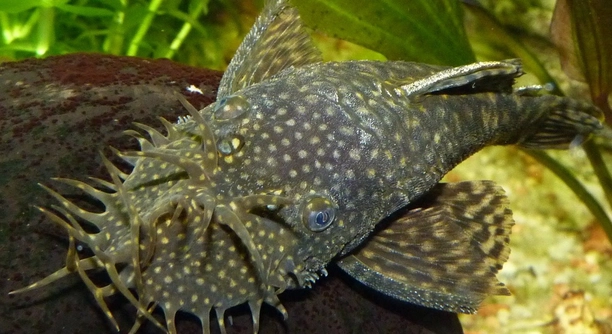
Have you ever found yourself unsure about how much or how often to feed your Bristlenose Pleco? Feeding routines can sometimes feel confusing, especially for new fish keepers who want to keep their pets healthy and active.
Bristlenose Plecos should generally be fed once or twice a day, with the amount based on their size and tank conditions. Overfeeding can cause water quality issues, while underfeeding may lead to malnutrition and sluggish behavior.
Maintaining the right feeding balance helps your Bristlenose thrive, ensuring they stay vibrant, clean their tank efficiently, and enjoy a long, healthy life.
Understanding a Bristlenose’s Feeding Needs
Bristlenose Plecos are natural grazers who spend much of their time eating algae and leftover food in the tank. In an aquarium, they depend on you to provide a steady and balanced diet that matches their needs. Their diet should include algae wafers, fresh vegetables like zucchini or cucumber, and occasional protein-based foods such as shrimp pellets. It’s important to offer small portions that they can finish within a few hours. Uneaten food can decay quickly, leading to cloudy water and potential health issues. Feeding at night often works best since Bristlenose Plecos are most active during those hours.
A consistent feeding routine supports their digestion and helps maintain their energy levels. By keeping their diet simple but varied, you create a balanced environment that supports healthy growth and coloration.
If your Bristlenose seems less active or leaves food behind, it may be time to adjust feeding amounts or timing. Observing these small details can prevent overfeeding and ensure your fish stay content.
How Tank Conditions Affect Feeding
Tank conditions play a major role in how much and how often you should feed your Bristlenose Pleco. Warmer temperatures can increase their metabolism, while cooler water may slow it down, changing how much food they need.
Clean water and stable temperatures help your Bristlenose digest food properly. A well-maintained tank with good filtration keeps leftover food from polluting the water. Always remove uneaten pieces after a few hours to prevent ammonia buildup. Bristlenose Plecos also graze on natural algae growth, which means tanks with moderate algae can slightly reduce how much you need to feed them. However, never rely on algae alone for their diet. Providing a mix of vegetables and pellets ensures they receive all necessary nutrients. Adjust feeding frequency if you notice food remains overnight or if your fish appears bloated. Proper balance keeps your Bristlenose healthy and your tank in good condition.
Common Feeding Mistakes to Avoid
One common mistake is offering too much food at once. Overfeeding not only harms your Bristlenose’s health but also affects water quality. Small, controlled portions are better, ensuring your fish eat everything without leaving leftovers behind.
Many fish keepers forget that Bristlenose Plecos are bottom feeders, meaning food must sink for them to access it. Floating flakes or pellets are often wasted and can foul the tank. Vegetables like zucchini, blanched peas, or spinach should be anchored to the bottom for easy feeding. Another issue is relying only on algae growth. While Plecos enjoy it, algae alone doesn’t provide all nutrients they need for strong fins, color, and immunity. Combining plant-based and protein-rich foods ensures complete nutrition.
Skipping feeding days occasionally can also be beneficial. It prevents overfeeding, mimics natural feeding cycles, and keeps their digestive system working smoothly without unnecessary buildup in the tank.
Recognizing Signs of Improper Feeding
Improper feeding can show in several subtle ways. A well-fed Bristlenose should appear active, have a healthy sheen, and show steady growth. If your fish looks thin, sluggish, or hides more often, it might not be getting enough nutrients.
Other signs include cloudy water, an unpleasant odor, or uneaten food gathering at the bottom—these often point to overfeeding. You may also notice your Pleco’s belly appearing swollen, which could signal digestive issues caused by excess food or poor diet balance. Observe feeding times carefully to ensure your fish eats within a few hours. Consistency is key to maintaining their health. When feeding feels right, your Bristlenose will stay lively, help clean algae naturally, and remain one of the most reliable caretakers of your aquarium’s balance.
Best Foods for Bristlenose Plecos
Algae wafers are one of the best staples for Bristlenose Plecos. They provide essential nutrients while satisfying their natural grazing instincts. Fresh vegetables like cucumber, zucchini, and spinach should also be included regularly to ensure a healthy and balanced diet.
Supplementing their diet with protein sources such as shrimp pellets or bloodworms once or twice a week supports muscle growth and overall strength. This mix of plant and protein-based food keeps your Pleco active and helps maintain its distinctive coloring. Avoid foods with artificial fillers, as they offer little nutritional value.
Feeding Juvenile vs. Adult Bristlenose Plecos
Juvenile Bristlenose Plecos require more frequent feedings since they grow quickly and use more energy. Offering food two to three times daily in small amounts supports healthy development without overloading the tank. As they mature, reduce feedings to once or twice a day, maintaining a steady balance.
The Importance of Observation
Watching your Bristlenose during feeding is essential for understanding its behavior and appetite. Noticing when they stop eating or leave food behind helps you adjust portions before problems arise, keeping both your fish and aquarium in excellent condition.
FAQ
How much should I feed my Bristlenose Pleco at once?
Feed small portions that your Pleco can finish within two to three hours. This usually means one or two algae wafers or a small slice of vegetable per fish. Overfeeding can lead to leftover food decaying and polluting the tank, while underfeeding may slow growth and energy levels. Observing how quickly your Pleco finishes its food helps you adjust portions for its size and age. Juveniles often need slightly more frequent feedings than adults because they are growing and more active.
Can Bristlenose Plecos eat regular fish flakes?
While flakes can be eaten, they aren’t ideal because Bristlenose Plecos are bottom feeders. Flakes may float and never reach the bottom where your Pleco can access them. Algae wafers, sinking pellets, and fresh vegetables provide better nutrition. Occasional flakes can be offered if they sink, but rely on them sparingly to ensure proper health.
How often should I feed my Pleco vegetables?
Vegetables should be offered daily or at least every other day. Blanched zucchini, cucumber, spinach, or peas are excellent choices. These provide fiber, vitamins, and minerals that help digestion and maintain strong fins and body color. Cutting vegetables into small pieces makes them easier for your Pleco to eat, and lightly anchoring them in the tank ensures they stay accessible.
Is it okay if my Bristlenose doesn’t eat every day?
Yes, it’s normal for Bristlenose Plecos to skip a meal occasionally. They can graze on algae in the tank or digest previous feedings. However, consistent skipping or loss of appetite may indicate illness or poor water conditions. Observing their behavior and tank cleanliness helps you determine if feeding adjustments are needed.
Can overfeeding harm my Bristlenose Pleco?
Overfeeding can cause bloating, digestive problems, and poor water quality. Excess food decomposes, releasing ammonia and other harmful compounds that stress fish and promote algae blooms. Feeding only what they can consume in a short period prevents these problems and ensures your Pleco stays healthy and active.
Should I vary my Pleco’s diet?
Yes, a varied diet is important. Algae wafers, fresh vegetables, and occasional protein sources like shrimp pellets or bloodworms offer a balance of nutrients. A mix of foods supports growth, strengthens the immune system, and keeps your Pleco’s coloration vibrant. Avoid feeding only one type of food to prevent nutritional deficiencies.
Can Bristlenose Plecos eat live plants?
They may nibble on soft plant leaves, especially if hungry, but this is usually minor. Hardy plants like Java fern or Anubias are less likely to be damaged. Providing vegetables reduces the chance your Pleco will eat live plants, preserving your aquarium setup.
How do I know if my Pleco is underfed?
Signs include thin appearance, lethargy, faded coloration, and reduced activity. Your Pleco may also graze more aggressively on algae or leftover food in the tank. Adjusting feeding portions or adding supplemental vegetables and protein helps address underfeeding and promotes healthy growth.
Is it necessary to remove uneaten food?
Yes, removing uneaten food prevents decay, keeps water clean, and reduces the risk of bacterial or fungal growth. Uneaten food can quickly pollute the tank, stressing all fish and causing long-term health issues. Regular observation during feeding ensures you remove leftovers promptly.
Do feeding schedules change in different seasons?
Yes, metabolism can slow in cooler temperatures and increase in warmer water. You may need to feed slightly less in winter and slightly more in summer. Monitoring your Pleco’s activity and growth helps you determine the best schedule throughout the year.
Can Bristlenose Plecos survive on algae alone?
Algae provides some nutrients, but it is not enough for complete health. A combination of algae, vegetables, and protein ensures proper growth, coloration, and immune function. Relying on algae alone may result in nutrient deficiencies and slower development.
Are there foods I should completely avoid?
Avoid processed human foods, oily snacks, or foods with heavy additives. These can upset digestion and harm water quality. Stick to aquarium-safe vegetables, sinking pellets, algae wafers, and occasional protein treats for balanced nutrition.
How long can Bristlenose Plecos go without food?
Healthy adults can survive a few days without feeding, thanks to grazing and slower metabolism. Juveniles should be fed more regularly, ideally once or twice a day. Extended fasting should be avoided, as it can affect growth and health over time.
What’s the best way to introduce new foods?
Introduce new foods gradually, starting with small amounts alongside familiar options. Observe your Pleco’s response, and adjust quantities accordingly. Sudden large changes may cause digestive issues, so a slow approach ensures they accept and benefit from new additions to their diet.
This FAQ section provides practical feeding guidance, helping you maintain a healthy, active, and well-nourished Bristlenose Pleco while keeping your aquarium in balance.
Bristlenose Plecos are low-maintenance fish, but proper feeding is key to keeping them healthy and active. Understanding their diet, portion sizes, and feeding frequency helps prevent common problems like overfeeding, underfeeding, and poor water quality. They thrive on a mix of algae, vegetables, and occasional protein-based foods, which provides all the nutrients they need. Algae wafers and sinking pellets form the core of their diet, while fresh vegetables like zucchini, cucumber, and spinach support digestion and add essential vitamins and fiber. Offering small portions that can be eaten in a few hours prevents leftover food from decaying, which can harm water conditions and stress your fish. Observing how your Pleco eats is important. If food remains uneaten or your fish seems unusually slow or inactive, it may indicate that adjustments are needed in the feeding routine, portion sizes, or the type of food offered. Juvenile Plecos require more frequent feedings because they grow quickly, while adults can thrive on a more controlled schedule of once or twice daily feedings. Paying attention to these differences ensures that all stages of growth are supported without causing digestive issues or water pollution.
Consistency in feeding routines is another key factor. Bristlenose Plecos are naturally more active during nighttime, so feeding them in the evening or at night often works best. Maintaining a predictable schedule helps them know when food is available, reducing stress and encouraging natural grazing behaviors. While they may nibble on natural algae in the tank, relying solely on algae is not sufficient for proper nutrition. Balancing plant-based foods with occasional protein sources such as shrimp pellets or bloodworms ensures strong growth, vibrant coloration, and a healthy immune system. Overfeeding should be avoided at all times. Leftover food can lead to bloating, poor digestion, and water contamination, which can affect the entire aquarium. Regularly checking water quality and removing uneaten food are simple practices that make a significant difference in the long-term well-being of your fish. Feeding in small, manageable portions also allows you to monitor the appetite and health of your Pleco more closely.
Finally, keeping your Bristlenose Pleco healthy is about more than just food. Tank conditions, temperature, and observation of behavior are all closely connected to proper feeding. A clean, well-maintained aquarium ensures that food is consumed efficiently, and the fish remain active and healthy. Signs of improper feeding, such as lethargy, swelling, or a loss of color, should prompt a review of diet and routine. Varying food and adjusting quantities according to age and activity helps maintain balance, preventing malnutrition or overfeeding. By paying attention to portions, types of food, and feeding schedules, you create a stable environment that supports the natural behavior and long-term health of your Bristlenose Pleco. Following these practices ensures that your fish remain a lively, functional part of your aquarium, contributing to both a clean tank and a balanced ecosystem. Proper feeding is simple when you combine observation, consistency, and a varied diet.

Hello,
If you enjoy the content that we create, please consider saying a "Thank You!" by leaving a tip.
Every little bit helps us continue crafting quality advice that supports the health, happiness, and well-being of pets around the world, for pets of all shapes, sizes, and species.
We really appreciate the kindness and support that you show us!