
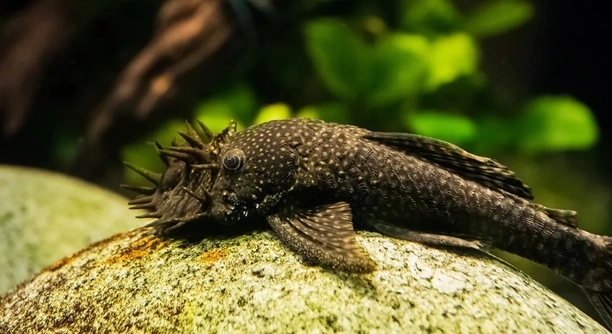
Do you ever notice your Bristlenose Plecos exploring the tank during feeding time? These small, armored fish have unique personalities that sometimes make their behavior around food surprising and interesting to watch.
Bristlenose Plecos do not typically share food with other fish. They are primarily solitary eaters and prefer to consume algae wafers, vegetables, and other food independently, only tolerating nearby fish rather than actively offering or distributing food.
Observing their eating habits can reveal insights into their natural instincts and tank dynamics, helping you better manage feeding and ensure all fish receive proper nutrition.
Understanding Bristlenose Pleco Feeding Behavior
Bristlenose Plecos are naturally solitary when it comes to feeding. In the wild, they graze on algae and detritus at their own pace, often staying hidden during mealtime to avoid competition. In aquariums, this behavior continues, and they usually eat in one spot for extended periods. While they are peaceful with other fish, they rarely interact over food. Some may tolerate other Plecos nearby, but active sharing is uncommon. Offering multiple feeding areas can reduce stress and ensure all fish receive enough nutrition. Vegetables like zucchini, cucumber, or spinach are ideal supplements to algae wafers, providing essential nutrients and helping maintain digestive health. Observing where and when they feed can help you plan feeding schedules that suit both their natural instincts and the tank setup. Adjusting portions and placement of food reduces conflict and ensures each Pleco gets proper attention during mealtime.
Providing varied foods keeps them healthy and encourages natural grazing habits, supporting overall well-being.
Monitoring their feeding patterns closely can prevent dominance behavior and ensure all Plecos thrive in the tank without food stress.
Tips for Feeding Multiple Plecos
Feeding multiple Plecos in one tank requires careful placement of food. Multiple feeding spots prevent competition and ensure everyone gets a portion.
When keeping several Bristlenose Plecos together, it’s important to observe each fish’s eating style. Some may eat quickly, while others graze slowly, which can cause unequal food intake. Providing at least two or three feeding zones in the aquarium helps distribute food evenly. Offering a mix of vegetables and commercial wafers in different locations encourages natural foraging and reduces stress. Watch for signs of aggression or displacement, especially if one Pleco dominates a favorite spot. Rotating vegetables and wafers keeps the diet balanced and ensures no fish is left hungry. Regular cleaning of uneaten food prevents water quality issues and supports healthy algae growth. By understanding their natural behavior and adjusting feeding strategies, tank owners can create a calmer environment that supports the health and growth of every Pleco in the aquarium.
Observing Food Sharing Behavior
Bristlenose Plecos rarely offer food to others. Most of their interactions around meals involve tolerance rather than cooperation, with each fish focused on its own portion and grazing independently.
Even when multiple Plecos are present, active sharing is uncommon. Each fish tends to defend its chosen feeding spot lightly, though serious aggression is rare. Some Plecos may allow others to eat nearby if food is abundant, but this is not intentional sharing. Understanding this behavior helps plan feeding strategies to prevent stress and ensure each fish receives adequate nutrition. Over time, careful observation reveals subtle differences in grazing habits and preferences.
Food placement plays a significant role in reducing competition. By distributing vegetables and wafers across several locations, Plecos are less likely to crowd a single spot. Slow feeders benefit from extra portions at quieter areas, while dominant fish are distracted by alternative feeding zones. This setup encourages healthy eating habits and supports the well-being of all Plecos in the tank.
Creating a Balanced Feeding Environment
Providing multiple feeding areas is essential to prevent food disputes. Spacing out food helps all Plecos eat comfortably without stress.
A balanced feeding environment considers the number of fish, their size, and natural behavior. Offering vegetables like zucchini or spinach alongside commercial wafers ensures nutritional variety. Placing food near hiding spots allows shy Plecos to eat without being disturbed. Rotating feeding locations prevents certain areas from being dominated consistently, promoting equal access. Monitoring mealtime interactions lets you adjust portions or placement to suit the tank’s dynamics. Maintaining water cleanliness by removing leftover food also supports a healthy environment. Proper setup encourages calm, natural grazing patterns and minimizes tension.
Recognizing Individual Feeding Preferences
Each Bristlenose Pleco has its own eating style. Some prefer grazing slowly on algae, while others eat quickly from wafers or vegetables. Observing these habits helps ensure all fish get enough nutrition and reduces competition during mealtime.
Shy Plecos often wait until more confident fish finish eating. Providing food in multiple areas allows these reserved fish to access meals without stress or interruption, supporting their health and well-being.
Using Vegetables to Encourage Grazing
Vegetables like zucchini, cucumber, and spinach are excellent supplements. They provide essential nutrients, promote healthy digestion, and mimic natural grazing behaviors in Plecos. Rotating different vegetables encourages interest and prevents boredom. By cutting them into manageable pieces and placing them in various spots, each fish can eat comfortably without competing for space. Observing how each Pleco interacts with vegetables helps tailor feeding strategies. Some may nibble slowly, while others may prefer larger bites. Regularly offering fresh vegetables ensures a balanced diet and supports natural feeding instincts, reducing the risk of malnutrition or dominance-related stress among tank inhabitants.
Monitoring Eating Habits
Tracking how Plecos eat helps identify health or behavioral issues early. Adjustments in feeding can improve overall tank harmony.
FAQ
Do Bristlenose Plecos ever share food naturally?
Bristlenose Plecos are solitary eaters by nature. While they may tolerate other fish eating nearby, they do not intentionally share food. Each Pleco focuses on its own portion, and any seeming sharing is usually coincidental when food is plentiful. Observing their feeding patterns confirms they prioritize personal access to food.
How can I ensure all Plecos get enough food in a shared tank?
The best approach is to provide multiple feeding spots. Placing algae wafers and vegetables in different locations reduces crowding and gives shy or slow feeders a chance to eat. Observing how each fish approaches food allows adjustments in placement and quantity to ensure balanced nutrition.
Which foods are safest for multiple Plecos?
Vegetables like zucchini, cucumber, and spinach are excellent choices. Algae wafers are also suitable. Mixing fresh vegetables with wafers provides essential nutrients and satisfies natural grazing habits. Rotating foods helps keep their diet interesting and prevents dominance over one type of food.
How often should I feed Bristlenose Plecos in a community tank?
Feeding once or twice daily is sufficient for adult Plecos. Juveniles may need slightly more frequent feedings. Monitoring leftovers and fish behavior helps adjust frequency. Ensuring food is spread out allows each Pleco to eat adequately without stress or competition.
Can dominance issues affect food access?
Yes, some Plecos may dominate preferred feeding spots. Providing multiple feeding zones reduces conflict and ensures smaller or shy fish have equal access. Watching interactions during feeding can help identify which fish need additional support to receive enough nutrition.
Are there signs a Pleco is not eating enough?
Yes. Signs include weight loss, faded coloration, lethargy, and increased hiding. If a Pleco shows these symptoms, adjusting feeding locations, portion sizes, or adding extra vegetables can help. Monitoring eating habits regularly prevents nutritional deficiencies and keeps all fish healthy.
Should I hand-feed Plecos to encourage sharing?
Hand-feeding rarely changes natural behavior. Plecos are not inclined to share food, and hand-feeding may create stress if fish compete for your attention. Instead, providing sufficient food across the tank is more effective in ensuring each fish eats comfortably.
Is it okay to leave food in the tank overnight?
It is not ideal. Uneaten food can decompose and reduce water quality. Offer portions that can be eaten within a few hours and remove leftovers to maintain a clean environment. Fresh vegetables should be replaced daily to prevent decay and protect tank health.
Do Plecos prefer certain foods over others when multiple options are available?
Yes, individual Plecos may show preferences. Some may favor wafers, others vegetables. Observing these choices helps in planning feeding strategies. Ensuring variety in placement and type of food reduces competition and keeps all Plecos interested and well-nourished.
Can adding more Plecos affect food sharing?
Increasing the number of Plecos in a tank does not encourage sharing. Instead, it increases the importance of multiple feeding zones. Overcrowding without proper distribution may lead to missed meals for slower or more timid fish. Observing behavior and adjusting feeding practices prevents stress and nutritional gaps.
What is the role of tank layout in feeding behavior?
Decor and hiding spots influence access to food. Plecos often eat near shelters, so placing vegetables or wafers near hiding areas encourages shy fish to feed. Strategically arranging feeding zones and decorations supports natural grazing habits while minimizing stress and competition.
How can I make sure shy Plecos get their food?
Place food in quieter areas away from dominant fish. Use smaller portions or additional feeding spots to allow shy Plecos to graze comfortably. Regular observation ensures these fish are eating enough and maintaining proper health, supporting overall tank balance.
Can Plecos be trained to share food?
Plecos do not naturally share food, and training is largely ineffective. Their behavior is instinctive, and attempts to encourage sharing may cause stress. Providing sufficient food in multiple areas is the most reliable method to ensure all fish are fed adequately.
Does food type affect social tolerance during feeding?
Yes. When food is abundant, Plecos may tolerate others nearby, especially with non-preferred vegetables. High-demand items like wafers can lead to mild competition. Varying food types and locations helps reduce tension and encourages peaceful feeding in the tank.
Are there long-term effects if some Plecos consistently miss meals?
Yes. Missing meals can lead to malnutrition, weakened immune systems, slower growth, and faded coloration. Ensuring even distribution of food, monitoring behavior, and providing enough variety helps maintain the health and vitality of all Plecos in a community tank.
Final Thoughts
Bristlenose Plecos are naturally solitary eaters, and understanding this is key to managing a healthy tank. They focus on their own food rather than sharing with others, which is important to keep in mind when feeding multiple fish. Observing their habits closely helps you provide the right amount of food in a way that minimizes stress. Each Pleco may have slightly different feeding preferences or speeds, so offering food in several locations ensures everyone has access to what they need. By doing this, you can create an environment where all the Plecos are able to eat comfortably without interference from others. Watching their behavior over time can reveal patterns that help in planning feeding strategies.
Feeding strategies should always consider the tank’s layout and the natural instincts of Plecos. Placing vegetables or wafers near hiding spots encourages shy fish to feed without competition. Multiple feeding zones are particularly helpful in community tanks with several Plecos, reducing the risk of one fish dominating a single area. Rotating vegetables and wafers keeps the diet balanced and interesting, which supports overall health. Overfeeding or leaving uneaten food in the tank can lead to water quality issues, so it is important to provide manageable portions that the fish can finish in a few hours. Keeping the tank clean while maintaining a varied diet ensures that all Plecos thrive. Monitoring feeding behavior regularly is the best way to identify any fish that may need extra support.
While Bristlenose Plecos do not share food naturally, providing a thoughtful feeding plan ensures every fish receives adequate nutrition. Recognizing individual differences in eating habits and accounting for tank dynamics allows you to meet the needs of all your Plecos effectively. A calm, well-organized feeding routine reduces stress and supports the natural grazing behavior these fish prefer. By focusing on proper food placement, variety, and portion control, you can maintain a balanced and healthy aquarium. Paying attention to these small details ensures that your Plecos are healthy, active, and well-nourished over the long term. Developing this understanding of their feeding behavior makes caring for them more straightforward and rewarding.

Hello,
If you enjoy the content that we create, please consider saying a "Thank You!" by leaving a tip.
Every little bit helps us continue crafting quality advice that supports the health, happiness, and well-being of pets around the world, for pets of all shapes, sizes, and species.
We really appreciate the kindness and support that you show us!