
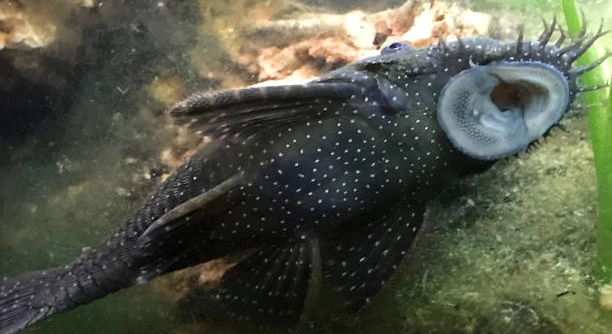
Is your pleco constantly chasing bubbles in its tank, leaving you puzzled about its behavior and daily activities? Many fish owners notice this curious action and wonder whether it is normal or a sign of something deeper.
Plecos chase bubbles primarily due to natural feeding instincts and environmental stimulation. Bubble activity often attracts their attention, triggering movement as they investigate or attempt to feed. This behavior is generally harmless, though tank conditions can influence frequency and intensity.
Observing this behavior closely can reveal patterns and provide insight into your pleco’s needs and environment. Understanding these cues ensures a healthier and more engaging habitat for your fish.
Understanding Bubble Chasing Behavior
Watching my pleco chase bubbles can be oddly entertaining. This behavior is often linked to natural instincts and environmental cues rather than stress or illness. Plecos are bottom-dwelling fish, but they are curious and reactive to movement in their surroundings. Bubbles in the tank simulate floating particles or insects, prompting the fish to investigate. Many aquarists notice that their pleco will swim rapidly towards bubble streams from filters or air stones. The frequency of this behavior can vary depending on the individual fish’s energy levels, age, and tank conditions. Over time, I realized that my pleco’s bubble-chasing sessions are more active after feeding or during periods of higher oxygenation. Observing these patterns helps me understand when my fish is active and when the tank environment is ideal. Overall, bubble chasing is a harmless, natural behavior that reflects curiosity and engagement rather than a problem.
Plecos often chase bubbles due to instinctive feeding behavior. Their attention is drawn to movement resembling potential food, which is a normal, healthy activity.
Regular observation helps track activity levels, identify patterns, and ensure environmental conditions support your pleco’s well-being, keeping it active and engaged daily.
Environmental Factors Affecting Behavior
Tank setup can significantly influence your pleco’s bubble-chasing habits. Proper filtration, oxygenation, and space encourage activity, while cramped or poorly aerated tanks may reduce engagement.
Lighting, water temperature, and current strength also affect how your pleco interacts with bubbles. In my tank, stronger water flow from the filter seemed to trigger longer bubble-chasing sessions. Plecos are sensitive to environmental changes; even minor adjustments can increase or decrease their activity levels. For example, introducing plants or decorations can redirect attention and reduce repeated chasing in the same area. Overcrowding or competing tankmates may also affect behavior, making bubble-chasing a sign of environmental comfort or stress relief. Monitoring and adjusting these factors ensures your pleco remains stimulated without overexertion. By understanding and controlling these environmental elements, you create a healthier, more engaging habitat that promotes natural behavior. Small changes in tank conditions can lead to noticeable differences in your pleco’s activity patterns, improving overall well-being and satisfaction.
Feeding Habits and Bubble Chasing
Plecos are naturally attracted to floating particles, which mimic food in the wild. Bubbles often trigger this feeding response, causing them to chase and investigate, even if they are not hungry.
In my experience, the timing of feeding strongly affects bubble-chasing behavior. Plecos are most active shortly after being fed, likely because bubbles resemble small bits of food drifting through the water. Observing my fish, I noticed it often darts toward the air stone immediately after meals, as if checking for leftover particles. This behavior isn’t harmful but reflects their instinctive drive to search for food. Providing a balanced diet with occasional sinking treats can reduce obsessive chasing while keeping them stimulated.
Monitoring bubble-chasing alongside feeding schedules helps ensure your pleco’s activity remains healthy. By understanding the connection between diet and movement, you can predict when bursts of bubble-chasing will occur and maintain a calmer tank environment.
Tank Equipment and Interaction
Air stones, filters, and water pumps create bubbles that attract plecos and encourage exploration. Proper placement can influence how often your fish engages with bubbles.
I found that bubble intensity and location make a noticeable difference in my pleco’s behavior. Strong currents or densely bubbling areas provoke more chasing, while calmer regions see less activity. Rearranging air stones or adjusting filter flow can control interaction levels and keep your pleco from exhausting itself. Tank equipment also affects oxygenation, which plecos respond to instinctively, often swimming toward well-oxygenated areas. By fine-tuning bubble sources, you can balance stimulation and relaxation. Observation is key, as each fish reacts differently.
Adjusting tank equipment not only manages bubble-chasing but also improves overall health. Strategic placement of air stones, filters, and decorations helps your pleco explore naturally while avoiding stress, supporting a more harmonious tank environment.
Water Quality and Bubble Chasing
Plecos are sensitive to water conditions, and bubbles can help oxygenate the tank. Clean, well-aerated water encourages natural activity, including chasing bubbles.
I noticed my pleco becomes more active in tanks with stable temperature and pH. Poor water quality can reduce bubble interaction and lead to lethargy or stress.
Social Behavior and Interaction
Some plecos chase bubbles more when other tankmates are present. Interaction with other fish or observing movement in the tank can increase activity. My pleco often follows shadows or swims near others while investigating bubbles, showing natural curiosity.
Stress Factors
Changes in the tank, like sudden noise or vibrations, can affect your pleco’s bubble-chasing behavior. It may chase more vigorously or hide temporarily depending on its comfort level.
FAQ
Why does my pleco chase bubbles all the time?
Plecos chase bubbles mainly due to instinctive behavior. Bubbles mimic floating particles or potential food, triggering natural feeding responses. In my tank, I observed that after adjusting the air stone placement, my pleco spent less time obsessively chasing bubbles. This behavior is generally harmless and reflects curiosity and environmental engagement rather than stress.
Is bubble chasing harmful to my pleco?
Chasing bubbles is usually safe if your tank is properly set up. I noticed that my pleco maintains normal swimming patterns, eating habits, and health despite frequent bubble chasing. Overexertion is unlikely unless the tank is overcrowded or currents are extremely strong. Monitoring energy levels ensures the activity remains healthy.
Can tank setup reduce excessive bubble chasing?
Yes. Adjusting air stone placement, filter flow, and decorations can redirect attention. In my experience, placing bubbles near open areas encourages exploration rather than repetitive chasing in one spot. Providing hiding spaces and varied decorations also keeps the pleco engaged without overdoing the bubble interaction.
Does feeding influence bubble-chasing behavior?
Feeding schedule significantly affects activity. Plecos are more likely to chase bubbles shortly after meals because bubbles resemble floating food particles. I found that providing a balanced diet with occasional sinking treats satisfies feeding instincts and prevents obsessive chasing while keeping my pleco active and stimulated.
How does water quality affect bubble-chasing?
Good water conditions are crucial. Clean, well-oxygenated water encourages natural behavior, including chasing bubbles. I noticed that my pleco interacts less with bubbles in tanks with poor water quality or unstable pH. Regular water changes and monitoring temperature and oxygenation help maintain healthy activity levels.
Do plecos chase bubbles more when other fish are present?
Yes, social interaction can increase activity. My pleco often chases bubbles while observing other fish or swimming near tankmates. This behavior reflects curiosity and environmental engagement. Ensuring adequate space and observing interactions prevents stress and encourages natural social behavior.
Can stress affect bubble-chasing behavior?
Stress can change how often or aggressively plecos chase bubbles. Sudden noise, vibrations, or overcrowding may cause more vigorous chasing or temporary hiding. I found that maintaining a calm, stable environment helps my pleco exhibit normal bubble-chasing patterns without undue stress.
What is the best way to provide bubbles without overstimulation?
Use gentle air flow from air stones or low-pressure filters. In my tank, spreading bubbles across different areas prevents repetitive chasing. Rotating decorations or introducing plants can redirect attention and create a balanced environment where the pleco is engaged but not overexcited.
How can I tell if bubble chasing is excessive?
Excessive chasing may be indicated by frantic, continuous swimming, poor appetite, or stress signs. I monitor my pleco for energy level changes, color shifts, and interactions with the environment. Adjusting tank flow, feeding, and decorations usually restores normal behavior.
Are certain pleco species more prone to chasing bubbles?
Yes, some species like common plecos and bristlenose plecos are more active and curious, leading to frequent bubble-chasing. In my experience, larger, more energetic plecos engage more with air stone bubbles than smaller or more sedentary species, reflecting natural personality and activity tendencies.
Can I use bubble chasing as enrichment?
Absolutely. Bubble chasing provides mental and physical stimulation. I place bubbles strategically and observe my pleco exploring and interacting with them. This activity can mimic natural foraging behavior, keeping the fish engaged while promoting exercise and curiosity in a controlled environment.
How often should I adjust air stones or filter flow?
Periodic adjustments help maintain interest and prevent repetitive behavior. In my tank, minor changes every few weeks create new patterns for exploration. Adjust flow gradually to avoid stress, and combine with decorations or plants to encourage natural, healthy bubble-chasing behavior.
Does tank size influence bubble-chasing frequency?
Yes, larger tanks give plecos space to explore and moderate their bubble interaction. I found that in smaller tanks, my pleco spends more time chasing the same bubbles repeatedly. A well-sized tank allows movement, exercise, and balanced engagement with bubbles without overstimulation.
Can bubble-chasing indicate a health issue?
Rarely, but excessive or frantic chasing combined with lethargy, loss of appetite, or unusual color may signal stress or illness. I monitor my pleco closely for any abnormal behavior alongside bubble interaction to ensure that activity reflects normal curiosity and not a problem.
What other forms of enrichment can complement bubble-chasing?
Hiding spots, driftwood, and plants keep plecos engaged. In my experience, combining bubbles with interactive elements encourages exploration, reduces repetitive chasing, and promotes mental stimulation. Providing variety ensures a balanced environment for both physical activity and natural instincts.
Final Thoughts
Observing my pleco chase bubbles has taught me a lot about their natural behavior. This activity is primarily driven by instinct and curiosity, reflecting their interest in the environment rather than any harmful behavior. Bubble chasing is often connected to feeding instincts because bubbles resemble small floating particles or potential food. In my tank, I noticed that when bubbles are strong or concentrated in one area, my pleco becomes more active and persistent in chasing them. Over time, I learned that this behavior is normal and generally safe, provided the tank conditions are suitable. Plecos are naturally curious and exploratory, and bubble chasing gives them a way to interact with their surroundings while exercising. Watching these patterns helped me understand their personality and energy levels, and it made me more attentive to their daily routines and preferences.
Maintaining proper tank conditions is essential to ensure that bubble-chasing remains a healthy behavior. I have found that water quality, temperature, oxygenation, and space significantly affect how often my pleco engages with bubbles. Poor water conditions or overcrowded tanks can reduce activity and cause stress, while well-maintained tanks encourage exploration. Adjusting air stones, filters, and decorations can also control bubble intensity and distribution, giving the pleco opportunities to explore without overexertion. In my experience, providing a mix of calm areas and stimulating bubble streams helps balance activity levels. Feeding routines also influence behavior, as plecos are more likely to chase bubbles shortly after meals when they are alert and active. Monitoring these factors allows me to maintain a comfortable, engaging environment that supports both mental stimulation and physical health.
Overall, understanding bubble-chasing behavior helps in creating a tank environment that meets a pleco’s natural needs. This behavior is a reflection of curiosity, environmental interaction, and instinct, not a cause for concern. In my tank, combining proper water conditions, balanced feeding, and thoughtful placement of bubbles and decorations has kept my pleco active and healthy. Observing and adjusting to their behavior promotes well-being and strengthens the connection between caretaker and fish. Regular monitoring and minor adjustments are enough to ensure that the bubble-chasing remains a normal, enriching activity. By respecting these patterns, I can maintain a harmonious tank that encourages natural behavior, promotes engagement, and supports the long-term health of my pleco.

Hello,
If you enjoy the content that we create, please consider saying a "Thank You!" by leaving a tip.
Every little bit helps us continue crafting quality advice that supports the health, happiness, and well-being of pets around the world, for pets of all shapes, sizes, and species.
We really appreciate the kindness and support that you show us!