
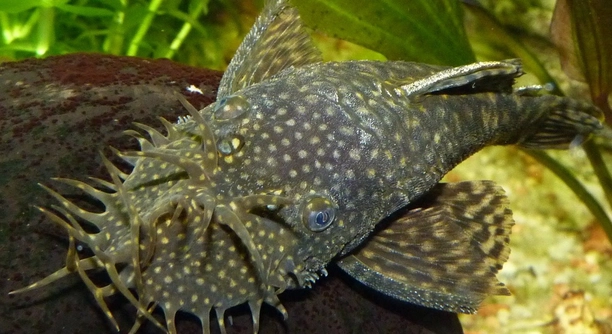
Do you ever notice your pleco swimming around the tank without touching its food? Sometimes these fish skip meals for reasons that are not immediately obvious. Understanding their habits can make feeding less stressful.
Plecos may refuse to eat due to a variety of environmental, dietary, or health-related factors. Changes in water quality, temperature fluctuations, inappropriate diet, illness, stress, or tankmates can directly influence their feeding behavior and appetite.
Identifying these reasons can help maintain your pleco’s health and ensure it receives proper nutrition consistently. Addressing the causes early can prevent further complications in its care.
Sudden Changes in Water Conditions
A pleco’s appetite is closely linked to the water conditions in its tank. Even minor changes in temperature, pH, or hardness can make a fish stop eating. When water quality shifts too quickly, plecos may feel stressed or uncomfortable, which directly affects their desire to feed. Observing your tank regularly for ammonia, nitrite, and nitrate levels can prevent sudden declines in water quality. Frequent water changes and proper filtration help maintain a stable environment, which encourages regular eating. In some cases, adding dechlorinated water or adjusting the heater can restore balance, prompting your pleco to resume normal feeding. Temperature swings, especially, can make a fish lethargic and uninterested in food. Maintaining consistency in water parameters is crucial.
Even a one-degree change in temperature can impact your pleco’s metabolism. Monitoring and adjusting gradually avoids unnecessary stress and feeding disruptions.
Stable water conditions reduce stress and support natural feeding patterns. Regular testing and careful observation ensure your pleco remains healthy and active, maintaining consistent appetite over time.
Diet That Doesn’t Meet Their Needs
Providing a pleco with the wrong diet often leads to refusal to eat. Plecos require a balance of algae, vegetables, and occasional protein. Feeding only one type of food, such as algae wafers, may not supply essential nutrients. Incorporating fresh vegetables like zucchini, cucumber, and spinach ensures fiber and vitamins are available. Protein sources, like shrimp pellets or occasional bloodworms, support growth and overall health. It is important to rotate foods and vary textures, as monotony can reduce interest in meals. Overfeeding can also discourage eating, as leftover food pollutes the tank, affecting both water quality and appetite. Observing what your pleco consumes daily helps determine whether dietary changes are necessary.
Offering a mix of fresh vegetables and high-quality pellets encourages consistent eating habits.
Adjusting the diet may take time, as some plecos are picky. Introducing new foods slowly allows them to adapt while monitoring for acceptance and nutritional balance. Regularly changing the type of vegetables or protein prevents boredom and ensures the pleco receives sufficient nutrients. Avoid feeding food that sinks too quickly or decays rapidly, as uneaten portions can lead to water quality issues and further feeding problems. By carefully observing preferences and providing variety, the pleco is more likely to maintain a healthy appetite. Additionally, placing food in a familiar spot or slightly altering its presentation can encourage hesitant fish to feed consistently.
Stress from Tankmates
Aggressive or overly active tankmates can cause plecos to stop eating. Even subtle harassment or competition for space may make them hide and avoid food. Ensuring enough hiding spots and a peaceful tank layout reduces stress.
Stress impacts feeding patterns and overall health. Plecos may retreat to corners or behind decorations to escape dominant fish. In such cases, they often ignore meals, leading to slower growth or weight loss. Observing interactions between species helps identify issues. Adding caves, driftwood, or plants can create safe spaces where the pleco feels secure, encouraging normal feeding behavior. Monitoring tank dynamics over time allows adjustments to placement or numbers of fish to maintain a balanced, calm environment. Reducing stress is critical for appetite recovery.
Providing a calm tank with clear territories allows plecos to feed without fear. Adjusting the environment gradually ensures they feel secure, promoting regular eating habits and overall wellbeing.
Illness or Parasites
When a pleco refuses food, illness or parasites are often involved. Common signs include lethargy, discoloration, or unusual swimming patterns. Early detection and treatment are essential to prevent serious health decline.
Internal parasites or bacterial infections can disrupt digestion and reduce appetite. If left untreated, these conditions may worsen, causing significant weight loss and weakness. Observing your pleco for consistent behavioral changes or visible symptoms is important. Quarantining affected fish and consulting with a vet or aquatic specialist can prevent spread. Treatments vary depending on the condition, from medicated food to water additives, ensuring recovery without harming other tank inhabitants. Regular monitoring and maintaining hygiene in the tank help prevent future outbreaks.
Plecos are resilient but sensitive to disease. A careful approach to diagnosis, treatment, and post-treatment care supports a full recovery and encourages them to resume normal feeding patterns. Early intervention is key to restoring health and appetite.
Recent Tank Maintenance
After cleaning or rearranging the tank, plecos may temporarily refuse food. Sudden changes in environment can make them feel unsettled. Allowing a day or two for adjustment helps them return to normal eating patterns.
Even minor shifts in décor, substrate, or hiding spots can create stress. Plecos are sensitive to these changes and may hide until they feel secure again. Gradual adjustments support feeding behavior and reduce prolonged refusal.
Seasonal or Temperature Changes
Plecos are sensitive to temperature shifts, which can affect metabolism and appetite. Slight drops or rises in water temperature may slow their feeding activity. Monitoring heaters and seasonal fluctuations helps maintain consistent conditions. A stable, appropriate temperature encourages regular eating habits and supports overall health.
Overfeeding
Overfeeding can make plecos skip meals. Leftover food decays, reducing water quality and discouraging feeding. Offering smaller portions at regular intervals prevents waste, keeps water clean, and maintains the fish’s natural appetite.
FAQ
Why is my pleco refusing to eat even though water conditions seem fine?
Even when water appears clean, subtle changes in pH, hardness, or temperature can affect appetite. Plecos are sensitive to minor environmental shifts, and stress from previous water disturbances may persist. Regular testing and slow adjustments help maintain feeding consistency.
Can plecos skip meals occasionally without health issues?
Yes, occasional fasting is normal. Plecos can go a few days without food, especially during temperature changes or minor stress events. However, consistent refusal or visible weight loss signals an underlying problem that should be addressed promptly.
How can I tell if my pleco is sick?
Signs of illness include lethargy, discoloration, abnormal swimming patterns, bloating, or frayed fins. Reduced appetite is often one of the first visible symptoms. Observing your pleco daily and noting changes helps detect illness early.
Are certain tankmates more likely to stress plecos?
Yes, aggressive or territorial fish can intimidate plecos. Fast-moving or nippy species may chase or harass them, causing hiding and skipped meals. Providing hiding spaces and monitoring interactions reduces stress and encourages feeding.
Does diet variety really affect appetite?
Absolutely. Plecos thrive on a mix of vegetables, algae wafers, and occasional protein. Feeding only one type of food can lead to disinterest and refusal. Rotating foods and offering fresh vegetables maintains interest and nutritional balance.
Can temperature fluctuations make a pleco stop eating?
Yes. Sudden drops or rises in water temperature slow metabolism and reduce appetite. Maintaining stable temperatures within the species’ preferred range supports consistent feeding and overall health. Gradual adjustments are safer than abrupt changes.
How do I know if overfeeding is causing refusal to eat?
Leftover food that sits and decays in the tank often discourages feeding. Overfed plecos may skip meals because they already have excess food in the tank or stomach. Feeding smaller portions and removing uneaten food helps reset appetite.
Will plecos eat again after stress from tank maintenance?
Usually, yes. Plecos may hide or refuse food after cleaning, rearranging décor, or adding new fish. Giving them time to adjust and maintaining calm conditions encourages them to resume normal feeding.
Should I isolate a pleco if it refuses to eat?
Isolation can help identify illness or reduce stress from aggressive tankmates. A quarantine tank allows controlled feeding, easier observation, and prevents potential disease spread. Only isolate when necessary to avoid additional stress.
What are the best foods to entice a picky pleco?
Fresh vegetables such as zucchini, cucumber, and spinach work well. Algae wafers and occasional protein treats like shrimp pellets can stimulate appetite. Offering a variety of textures and rotating foods encourages consistent eating.
How long can a pleco survive without eating?
Adult plecos can survive up to two weeks without food if water conditions are stable, though prolonged fasting weakens immunity. Juveniles need regular feeding, as skipping meals can stunt growth and affect health.
Can parasites cause a pleco to stop eating?
Yes. Internal parasites or bacterial infections often reduce appetite. Early detection, treatment, and proper tank hygiene are key to recovery. Observing for abnormal behavior, weight loss, or visible signs helps catch issues early.
Is hiding behavior always a sign of refusal to eat?
Not always. Plecos naturally seek shelter during the day or when they feel threatened. Persistent hiding combined with reduced feeding may indicate stress, illness, or environmental issues that need attention.
How often should I monitor my pleco during feeding issues?
Daily observation is essential. Note eating habits, weight, and behavior. Regular checks help detect small changes in appetite, stress, or health before problems escalate.
Can introducing new foods too quickly discourage a pleco?
Yes. Plecos may reject unfamiliar foods if introduced abruptly. Gradually mixing new items with familiar ones encourages acceptance and reduces stress, supporting a balanced diet.
Does tank size influence a pleco’s willingness to eat?
Yes. Overcrowded or undersized tanks create stress and competition, discouraging feeding. Providing adequate space for hiding and swimming promotes normal appetite and healthy growth.
How can I encourage a sick pleco to eat?
Try offering favorite foods, such as soft vegetables or algae wafers, in small amounts. Gentle placement in familiar spots and maintaining optimal water conditions can help entice feeding without overwhelming the fish.
Are there seasonal effects on pleco appetite?
Seasonal temperature fluctuations or light changes may cause temporary appetite reduction. Adjusting heater settings and ensuring stable lighting patterns can help maintain consistent feeding habits.
What should I do if my pleco refuses to eat for more than a week?
Extended fasting is concerning. Check water quality, tankmates, and diet. Observe for illness or parasites and consider isolation if necessary. Consulting an aquatic specialist ensures proper treatment and prevents long-term health issues.
Can stress from human activity affect feeding?
Yes. Frequent tapping, sudden movements, or tank cleaning can startle plecos. Reducing disturbances, maintaining quiet around the tank, and providing hiding spots help them feel secure enough to eat normally.
This FAQ addresses common concerns and practical solutions to help plecos resume regular eating habits and maintain overall health.
Final Thoughts
Caring for a pleco requires attention to both its environment and dietary needs. These fish are sensitive to changes in water quality, temperature, and tankmates, all of which can influence their feeding behavior. Even small shifts in pH or temperature can make a pleco stop eating temporarily, so regular testing and monitoring of water conditions are important. Providing stable water parameters, appropriate hiding spaces, and a calm tank environment supports their natural habits and encourages consistent feeding. Observing daily behavior and noting any changes allows for early intervention when issues arise, preventing more serious problems.
Diet plays a crucial role in a pleco’s willingness to eat. Feeding only one type of food, such as algae wafers, may not meet nutritional needs and can lead to disinterest in meals. A balanced approach includes a mix of fresh vegetables, high-quality pellets, and occasional protein sources. Rotating foods, offering variety in texture, and paying attention to portion size can prevent overfeeding while maintaining interest in meals. Introducing new foods gradually ensures the fish adapts without stress, while monitoring how much is consumed helps prevent leftover food from decaying and affecting water quality. Consistent attention to diet and feeding habits strengthens both health and appetite over time.
Health and stress are other important factors affecting appetite. Illness, parasites, or injuries often cause plecos to refuse food, and early detection is key. Observing for lethargy, unusual swimming patterns, or discoloration helps identify problems before they become severe. Stress from aggressive tankmates, sudden maintenance, or environmental disturbances can also temporarily reduce feeding. Providing hiding spaces, reducing disturbances, and maintaining a calm environment can help a stressed pleco regain its appetite. By carefully monitoring water conditions, diet, and overall behavior, you can ensure your pleco remains healthy, active, and consistently eating, which contributes to its long-term wellbeing and vitality.

Hello,
If you enjoy the content that we create, please consider saying a "Thank You!" by leaving a tip.
Every little bit helps us continue crafting quality advice that supports the health, happiness, and well-being of pets around the world, for pets of all shapes, sizes, and species.
We really appreciate the kindness and support that you show us!