
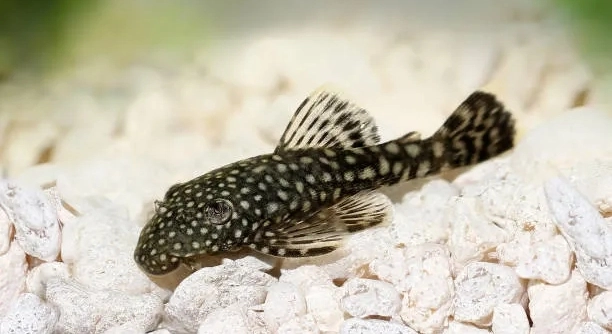
Are your plecos spending most of their time hiding or resting in one corner of the tank? Many fish owners notice this behavior and wonder how to keep their aquatic pets more engaged and active.
Providing enrichment for plecos can significantly enhance their well-being. Simple DIY tank modifications, such as hiding spots, textured surfaces, and interactive feeding stations, encourage natural behaviors, promote activity, and reduce stress within a controlled aquatic environment.
These practical tank enhancements are easy to implement and can transform your pleco’s daily environment, offering stimulation while supporting healthy and natural behaviors in your aquarium.
PVC Pipe Hideouts
Plecos love narrow spaces where they can feel secure. Using PVC pipes in the tank creates simple hiding spots that mimic natural crevices. Cut the pipes into short segments, smooth the edges, and place them horizontally or vertically along the tank. Varying pipe diameters allows plecos of different sizes to explore and rest comfortably. Some plecos prefer smaller, tighter spaces, while others enjoy longer tunnels to swim through. Hiding spots reduce stress and give your fish a sense of safety. You can even attach small suction cups to keep pipes in place or let them rest naturally on the substrate. Over time, pipes may accumulate algae, which plecos enjoy grazing on, providing both food and stimulation. Rotate the pipes occasionally to keep the environment fresh and engaging. This method is inexpensive, reusable, and very low maintenance, making it ideal for any aquarium setup.
PVC hideouts are a low-cost way to keep plecos active and secure while encouraging natural behavior patterns.
Using PVC pipes is more than decoration. They simulate caves and narrow crevices that plecos naturally seek. As algae grow inside, these pipes double as feeding zones. By moving and changing their placement periodically, you prevent monotony and encourage exploration. Some owners combine pipes with other materials, like small ceramic ornaments or driftwood, creating interconnected tunnels. This variety promotes exercise, reduces aggression, and improves overall fish health. PVC pipes are lightweight, easy to clean, and customizable to fit tank dimensions. Plecos quickly adapt to these tunnels, and their increased activity is visible through more frequent swimming and grazing. Observing how plecos interact with different pipe setups can guide you in designing more enriching spaces. Over time, combining hideouts with additional textures or plants enhances both aesthetics and functionality, creating a dynamic habitat. The use of simple materials like PVC transforms a basic aquarium into a stimulating environment that plecos naturally enjoy, making maintenance easy while supporting healthy behaviors.
Driftwood Grazing Stations
Driftwood provides surfaces for plecos to graze on algae, adding both texture and nutrition to the tank.
Adding driftwood helps simulate a natural environment, encouraging scraping and exploration behaviors.
Plecos naturally feed on algae and biofilm that form on driftwood surfaces. Choosing hardwood varieties ensures the wood lasts longer underwater without breaking down quickly. Submerge the driftwood for several days before adding it to prevent floating and reduce tannin release. Over time, a thin layer of algae develops, giving plecos a natural feeding spot. Placing multiple pieces at varying heights allows plecos to explore and climb, which adds mild exercise. Some driftwood can also create partial hiding spaces underneath, complementing existing tunnels or pipes. The texture encourages healthy mouth and fin activity while offering gentle enrichment. Driftwood also slowly releases tannins, slightly acidifying water, which can benefit plecos accustomed to soft, slightly acidic habitats. Combining driftwood with natural plants or stones further diversifies the tank environment. Rotating or swapping wood periodically maintains novelty and keeps plecos engaged, enhancing both mental stimulation and physical health.
Floating PVC Platforms
Floating PVC platforms create resting and grazing areas near the water surface. Plecos can climb onto them or scrape algae growing on the underside. These platforms are lightweight, adjustable, and easy to clean, offering both physical activity and environmental enrichment.
Securing small PVC sections with suction cups allows them to float at various heights. Plecos enjoy exploring these elevated areas while grazing on biofilm or algae that naturally develop. Platforms can be arranged in clusters, giving multiple fish access without overcrowding. Some owners add small plants or moss to the platforms to provide extra texture and stimulation. Over time, the placement of floating platforms can be changed to encourage exploration, keeping the tank environment dynamic.
Using floating platforms enhances both mental and physical activity. Plecos interact with them by climbing, grazing, and investigating. This variation in tank layout reduces boredom and encourages natural behavior. Regular cleaning prevents excessive algae buildup while maintaining a safe surface. Combining floating PVC with other enrichment, like driftwood or caves, creates multiple levels for plecos to explore, which contributes to their overall well-being. Adjusting height or position occasionally keeps the habitat interesting and promotes consistent activity.
Ceramic Pot Tunnels
Ceramic pots make excellent tunnels and hiding spaces for plecos. They are sturdy, non-toxic, and can be placed on the substrate with openings facing multiple directions, providing flexibility and safety.
Tunnels encourage exploration and resting behavior while reducing stress. Plecos can swim through, hide, or graze on any algae forming inside. Pots of different sizes accommodate fish of all ages, and multiple tunnels can be placed together to create a small network. Covering pots partially with plants or small rocks makes the environment more natural. Some owners even tilt or stack pots slightly to create ramps or climbing opportunities. This encourages plecos to move actively between structures rather than staying in one spot. Cleaning is simple, and pots can be rotated or replaced to maintain novelty. The smooth ceramic surface is gentle on plecos’ bodies and fins.
Adding ceramic pot tunnels improves tank complexity, offering both physical and mental stimulation. Plecos actively explore, swim through, and rest inside these structures. The arrangement promotes natural hiding behavior and encourages grazing on algae forming within the pots. Placing pots at different angles increases interaction and keeps multiple fish from competing for a single space. Over time, combining ceramic tunnels with driftwood, PVC hideouts, and floating platforms creates a multi-level habitat, supporting varied movement and healthy exercise. Rotating and adjusting tunnels maintains engagement, reducing boredom and enhancing overall well-being while keeping tank maintenance manageable.
Leaf Litter Zones
Leaf litter provides a natural grazing surface and soft substrate for plecos. It mimics forest floor environments, giving fish places to forage, rest, and explore without stress.
Oak or Indian almond leaves work well. They slowly break down, releasing tannins and enriching water chemistry, which benefits plecos.
Algae Discs and Veggie Treats
Algae discs and blanched vegetables offer direct nutrition while encouraging natural scraping behavior. Placing these items on flat surfaces or inside small dishes promotes foraging and mental engagement. Plecos actively work to remove and consume the food, supporting both physical activity and dietary enrichment.
Smooth Driftwood Branches
Smooth driftwood branches give plecos climbing and grazing opportunities. They can scrape algae, explore different textures, and rest on elevated surfaces, which enhances physical activity and natural behavior. Driftwood also slowly releases tannins, slightly acidifying the water and supporting overall tank health.
FAQ
How often should I rotate DIY enrichment items in my pleco tank?
Rotating enrichment items every few weeks keeps the tank environment stimulating. Plecos are naturally curious, and changing the placement of hideouts, platforms, and driftwood encourages exploration and reduces boredom. Small adjustments, like tilting a pipe or moving a floating platform, can make a noticeable difference in activity.
Can plecos use multiple types of hideouts at the same time?
Yes, plecos benefit from having a variety of hideouts simultaneously. Combining PVC pipes, ceramic pots, and driftwood provides multiple resting and grazing areas. This diversity helps reduce competition among fish, allowing each pleco to choose spaces that suit their size and comfort level.
Are there risks to using PVC in the tank?
PVC is generally safe when cleaned and properly prepared. Avoid using painted or treated pipes. Smooth all edges to prevent injuries. Some owners rinse new PVC pieces thoroughly before placing them in the tank to remove dust or residues.
How do I prevent algae discs from polluting the tank?
Algae discs should be removed after a few hours if uneaten. Leaving them too long can lead to water quality issues, including spikes in ammonia and nitrate levels. Feeding smaller amounts and monitoring consumption helps maintain clean, healthy water.
Do plecos need more than one type of enrichment in the tank?
Yes, providing multiple forms of enrichment mimics natural environments. Combining grazing surfaces, hideouts, and floating areas encourages varied activity, including climbing, scraping, and resting. This variety reduces stress and promotes healthier behaviors overall.
Is driftwood necessary if I already have PVC pipes and ceramic pots?
Driftwood adds texture, grazing surfaces, and slight tannins to the water, which PVC and ceramic alone do not provide. While it is not strictly required, including driftwood enhances enrichment and supports natural scraping and feeding behaviors.
How do I clean DIY enrichment items without harming the plecos?
Remove items individually and rinse them with warm water. Avoid soaps or chemicals, as these can be toxic. Light scrubbing with a soft brush removes algae and debris. Rotating items while cleaning helps maintain constant stimulation in the tank.
Can plecos get bored with the same enrichment?
Yes, plecos can lose interest in stagnant environments. Regularly changing positions, adding new textures, or introducing fresh leaf litter or driftwood keeps them mentally engaged. Observation helps identify when they are less active or ignoring certain areas.
Are homemade enrichment items better than store-bought ones?
Homemade enrichment items are often cost-effective and customizable. PVC pipes, ceramic pots, and driftwood can be adjusted to fit tank size and pleco behavior. Store-bought items may offer aesthetic appeal but are not necessarily more effective for engagement.
How many enrichment items should I include for multiple plecos?
Provide at least one hideout or platform per fish to reduce stress and competition. Additional items for grazing and exploration create a richer environment. Observing interactions helps ensure all plecos have access to resources without overcrowding.
Do enrichment items affect water chemistry?
Some items, like driftwood or leaf litter, release tannins that slightly acidify water, which is beneficial for many pleco species. PVC and ceramic do not alter chemistry but should still be monitored to prevent algae overgrowth or trapped debris.
How long does it take for plecos to start using new enrichment?
Most plecos begin exploring new items within a few hours to a day. Some may be cautious initially. Gradually changing the environment and offering multiple entry points encourages quicker interaction and reduces stress.
Can enrichment help reduce aggression among plecos?
Yes, providing multiple hideouts and grazing areas helps distribute fish and reduces territorial disputes. Plecos that have adequate space and resources are less likely to engage in aggressive behavior, leading to a calmer tank overall.
Are there any enrichment items to avoid?
Avoid sharp or chemically treated objects that could injure fish or leach toxins. Also, oversized decorations that trap debris or prevent proper water flow can negatively affect tank health. Stick to smooth, natural, or safe DIY materials.
How do I balance enrichment with tank maintenance?
Choose items that are easy to clean and move. Rotating, rinsing, and occasionally replacing enrichment ensures cleanliness without removing stimulation. Items that double as feeding areas, like driftwood or algae discs, simplify care while keeping plecos active.
Can enrichment items be used in small tanks?
Yes, even small tanks benefit from carefully selected enrichment. Prioritize vertical space with floating platforms or small PVC tunnels and avoid overcrowding. Properly scaled items can provide stimulation without compromising swimming areas.
Do plecos interact with plants placed around enrichment items?
Yes, plecos often explore plants near hideouts or driftwood. Hardy plants can add texture and cover while complementing enrichment items. Plecos may graze lightly on algae growing on plants, which adds another form of natural stimulation.
Is it safe to combine leaf litter with ceramic pots and driftwood?
Yes, combining these materials creates a more natural environment. Leaf litter provides foraging areas, while pots and driftwood offer hiding and climbing opportunities. Regular maintenance prevents decomposition from affecting water quality.
Can enrichment help with pleco health issues?
Providing stimulation reduces stress, which supports immunity and overall well-being. Active fish maintain better muscle tone, while natural grazing supports dental health. Structured environments also encourage regular feeding and reduce lethargy.
How do I know if enrichment is working for my plecos?
Plecos that explore, graze, and use hiding spots regularly indicate effective enrichment. Increased activity, more varied behaviors, and reduced stress signs suggest the environment is meeting their needs. Adjust items based on observation to maintain engagement.
Final Thoughts
Creating an engaging environment for plecos does not have to be complicated. Simple DIY items like PVC pipes, ceramic pots, driftwood, and leaf litter can provide meaningful enrichment. Each item serves a purpose, whether it is offering a hiding spot, a grazing surface, or a climbing area. Plecos are naturally curious and active when their habitat provides variety, and small adjustments in layout or the addition of new materials can make a noticeable difference. Even minor changes, such as rotating a pipe or placing a floating platform at a new height, encourage exploration and reduce boredom. The goal is to mimic aspects of their natural environment while keeping maintenance manageable.
Maintaining a balance between enrichment and water quality is essential. Items like driftwood and leaf litter provide both physical stimulation and environmental benefits, including gentle tannin release and surface areas for biofilm growth. Algae discs or blanched vegetables add dietary enrichment and encourage natural grazing behaviors. At the same time, these items require monitoring to prevent overfeeding or water contamination. Regular cleaning of hideouts and platforms ensures that the tank stays healthy while maintaining a stimulating environment. Observing how plecos interact with each enrichment item is important, as it can help determine which setups they prefer and which might need adjustment. Providing multiple types of enrichment allows plecos of different sizes and personalities to coexist peacefully and reduces stress and territorial behaviors.
Pleco enrichment is an ongoing process that benefits both the fish and the aquarium environment. Over time, creating a varied habitat helps maintain healthy activity levels and encourages natural behaviors, leading to stronger, more confident fish. DIY solutions are cost-effective, flexible, and customizable, making them suitable for any tank size. By paying attention to pleco behavior, gradually introducing new structures, and balancing stimulation with tank care, it is possible to create a dynamic, safe, and supportive habitat. The effort spent on enrichment improves overall fish welfare, reduces stress, and makes observing plecos more rewarding. Consistent care, thoughtful arrangement, and careful selection of enrichment items ensure that plecos remain active, engaged, and healthy in their home environment.

Hello,
If you enjoy the content that we create, please consider saying a "Thank You!" by leaving a tip.
Every little bit helps us continue crafting quality advice that supports the health, happiness, and well-being of pets around the world, for pets of all shapes, sizes, and species.
We really appreciate the kindness and support that you show us!