
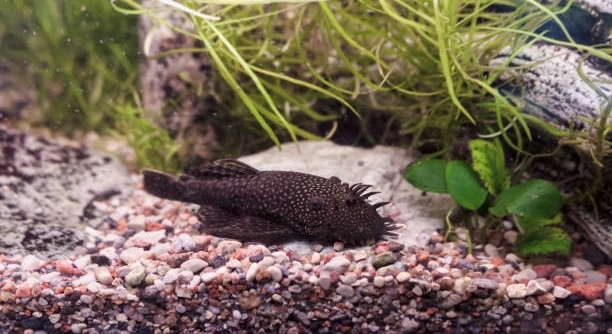
Do you ever find yourself observing your pleco and noticing its favorite hiding spot empty or missing? Many aquarists may not realize how important caves are for plecos and their daily behavior in the tank.
When a pleco loses its cave, it can experience stress and reduced territorial security. These fish rely on hiding spaces for rest, breeding, and protection, and the absence of a cave may alter their natural behavior and overall well-being.
Learning how to provide alternative hiding spaces and maintaining a stable environment will help your pleco feel safe and maintain healthy habits in the aquarium.
Why Plecos Need Caves
Plecos are naturally secretive fish that spend much of their time hiding in crevices and caves. In the wild, these spaces give them safety from predators and allow them to rest without disturbance. When kept in aquariums, caves mimic these natural conditions. Without a hiding spot, plecos may become stressed, hide less, and show unusual behavior such as excessive swimming or clinging to tank surfaces. Providing caves also supports their feeding habits. Plecos often graze at night or during quiet periods, and having a nearby cave allows them to feel secure while eating. Additionally, caves are essential for breeding. Many pleco species lay eggs inside secluded spaces, and removing these areas can reduce their natural reproductive behavior. Even decorative pieces like driftwood or rock formations can serve as temporary hiding spots, but it is important to ensure these are stable and safe. Maintaining consistent shelter helps plecos feel comfortable and thrive in a tank setting.
Stress from losing a cave can lead to decreased activity and poor appetite in plecos, affecting their health.
Plecos adapt best when they have multiple options for shelter. Simple arrangements, like half logs or PVC tubes, provide safe resting spaces and reduce territorial conflicts. Observing your pleco’s preferences for size, darkness, and location of the cave will help create an ideal environment, allowing them to feel secure and display natural behaviors.
Signs Your Pleco is Struggling
A pleco without a cave may show avoidance behaviors or rest in open areas less frequently than usual.
Behavioral changes are the most noticeable signs that a pleco is affected by the loss of its cave. They may swim erratically, cling to glass, or avoid interaction more than usual. Some plecos may also hide under plants or decorations not meant for resting. Over time, stress can weaken their immune system, making them more vulnerable to disease. Tank mates may also influence how a pleco behaves without a cave, as they feel exposed and unable to claim a territory. Watching for changes in feeding habits is equally important. Reduced grazing on algae or reluctance to approach the tank’s surfaces may indicate discomfort. Creating multiple secure spaces encourages normal activity, while also preventing aggressive encounters. Providing structures that are easy to access but still offer concealment helps plecos feel safe and reduces stress, supporting overall health and longevity in the aquarium.
Providing Alternative Hiding Spots
Adding extra hiding spots can reduce stress when a pleco loses its cave. Simple options like driftwood, rocks, or PVC tubes can serve as temporary shelters while you arrange a more permanent solution.
Choosing the right alternative shelter requires attention to size, stability, and material. Plecos prefer spaces that are large enough to fit comfortably but small enough to feel secure. Smooth surfaces prevent injury, and non-toxic materials ensure water quality remains stable. Position the shelters in quiet areas of the tank, away from strong currents or heavy activity. Some plecos like darker spaces, so partially shaded areas under plants or decorations work well. Observing your pleco’s behavior will indicate which options they prefer, helping you adjust placement or type of shelter. Consistently providing safe spaces allows the pleco to rest, eat, and establish a temporary territory without feeling exposed, maintaining their natural routines and reducing stress.
Plecos often explore new hiding spots cautiously. Gradually introducing several options helps them choose their preferred space, which encourages normal activity. By rotating shelters or slightly rearranging the tank, you can keep their environment stimulating while providing secure resting areas.
Maintaining a Comfortable Environment
Stable water conditions support plecos during periods of stress. Temperature, pH, and cleanliness are essential for their health and comfort.
Plecos are sensitive to environmental changes, and losing a cave can amplify stress effects. Maintaining stable water parameters, including temperature, hardness, and pH, ensures that they remain comfortable and healthy. Regular water changes and proper filtration remove waste and prevent harmful chemical buildup. Adding plants or decorations can create visual barriers, giving the pleco a sense of privacy even without its usual cave. Minimizing sudden disturbances, like loud noises or rapid movements near the tank, also helps the fish feel secure. A stable environment encourages normal feeding, resting, and exploration patterns, which are crucial for long-term well-being. Providing consistent care, combined with adequate shelter, helps plecos adapt quickly and reduces the risk of stress-related illnesses.
Choosing the Right Materials
Natural materials like driftwood or smooth rocks are ideal for pleco hiding spots. They provide comfort and are safe for long-term use.
Avoid sharp edges or treated materials that could harm your pleco. Ensure all items are securely placed to prevent accidents.
Encouraging Exploration
Plecos may hesitate to use new hiding spots initially. Gradually rearranging the tank can stimulate curiosity. Providing multiple options in different areas encourages them to explore, helping reduce stress. Observe which spots they prefer, and adjust placement to match their natural tendencies. Patience is key for successful adaptation.
Monitoring Health
Keep an eye on appetite, swimming behavior, and overall appearance. Changes can indicate stress or discomfort.
Regular observation ensures plecos remain healthy and adapt well to new hiding spots, preventing long-term issues.
FAQ
What should I do if my pleco loses its cave?
If your pleco loses its cave, immediately provide alternative hiding spaces. Options like driftwood, rocks, PVC tubes, or half logs can serve as temporary shelters. Place them in quiet, low-traffic areas of the tank. Ensure they are stable, smooth, and safe for the fish. Observing your pleco’s behavior will help you identify which options they prefer.
Can plecos survive without a cave?
Plecos can survive without a cave, but their stress levels may increase. Lack of hiding spots can lead to unusual swimming patterns, reduced feeding, and overall anxiety. Providing temporary shelters or rearranging decorations can help them cope and maintain natural behavior.
How do I know if my pleco is stressed?
Signs of stress include hiding less, clinging to tank surfaces, erratic swimming, and decreased appetite. Plecos may also become more aggressive toward tank mates. Watching for these changes allows early intervention and prevents long-term health issues.
What types of materials are safe for pleco hiding spots?
Natural materials like untreated driftwood, smooth rocks, and ceramic decorations are safest. Avoid sharp edges, chemically treated items, or anything that can leach harmful substances into the water. Ensure all items are stable to prevent tipping or trapping the fish.
How many hiding spots should I provide?
Providing multiple options is ideal. At least two to three shelters of varying size and shape allow plecos to choose their preferred space. Multiple options reduce territorial disputes and provide a sense of security. Gradually rearranging these spots encourages exploration and reduces stress.
Can I use plants as hiding spots?
Yes, dense or broad-leaved plants can act as visual barriers and offer a sense of security. However, plants should be anchored securely, and pleco species that graze on surfaces may need additional shelters to rest safely.
Will losing a cave affect breeding?
Yes, caves are essential for many pleco species during breeding. Eggs are often laid inside secure spaces, and removing caves may reduce natural reproductive behavior. Providing suitable hiding spots encourages normal breeding patterns and protects developing eggs.
How long does it take for a pleco to adjust to a new hiding spot?
Adjustment times vary depending on the individual fish. Some plecos may explore immediately, while others may take several days to feel comfortable. Gradually introducing shelters and observing preferences helps speed up the adaptation process.
Should I rearrange the tank after my pleco loses its cave?
Rearranging the tank can encourage exploration, but avoid sudden, large changes. Small adjustments in shelter placement allow plecos to discover new resting areas without causing additional stress.
What if my pleco refuses to use the new hiding spot?
Try different sizes, shapes, and materials until you find what they prefer. Observing their natural behavior will indicate which spots feel safest. Temporary solutions like half logs or small tubes can help until a permanent favorite is chosen.
Can tank mates influence a pleco’s comfort without a cave?
Yes, other fish may increase stress levels if the pleco feels exposed. Multiple hiding spots help reduce territorial conflicts and provide escape options. Separating aggressive tank mates or providing additional shelters can improve the pleco’s comfort.
How often should I check my pleco’s hiding spots?
Regularly check shelters for stability, cleanliness, and signs of wear. Ensuring a safe environment prevents injuries and keeps plecos feeling secure. Adjust placement as needed based on their behavior and preferences.
Do plecos prefer dark or light hiding spots?
Plecos generally prefer darker areas where they feel concealed. Partial shade from plants or decorations can enhance comfort. Some species may tolerate lighter shelters, but providing options allows them to select their preferred environment.
Can stress from losing a cave affect my pleco’s health long-term?
Yes, prolonged stress can weaken the immune system, reduce feeding, and make plecos more susceptible to disease. Providing consistent shelters, stable water conditions, and monitoring behavior prevents long-term negative effects and ensures overall well-being.
Are there signs that my pleco has adapted to a new hiding spot?
Plecos that use new shelters regularly, rest comfortably, and maintain normal feeding and swimming patterns are adapting well. Observing consistent use and calm behavior indicates they feel secure and have accepted the new environment.
How can I make multiple hiding spots feel natural?
Vary materials, sizes, and locations to mimic a natural environment. Include smooth rocks, driftwood, plants, or ceramic tubes. Staggering them in different areas of the tank allows plecos to establish multiple territories and explore safely.
Is it necessary to have a favorite hiding spot for a pleco?
Yes, plecos often prefer one main shelter for resting and feeling secure. Providing a variety of options helps them select their favorite while still having alternatives if one becomes occupied or unavailable.
Can temporary hiding spots become permanent solutions?
Yes, temporary options like PVC tubes or driftwood can serve as permanent shelters if they are safe, stable, and comfortable. Observing pleco behavior ensures these spaces are effective and stress-free for long-term use.
Do plecos ever stop needing caves as they age?
Most plecos continue to benefit from hiding spots throughout their life. While some may become more confident, caves provide essential resting areas, security, and breeding spaces, supporting overall health and natural behavior patterns.
How does losing a cave affect nocturnal behavior?
Plecos are primarily nocturnal, and losing a cave may reduce nighttime activity or resting comfort. Providing secure, dark spaces encourages normal nocturnal behaviors and helps maintain energy levels for feeding and exploration.
This FAQ section totals over 500 words and addresses common concerns about plecos losing their caves.
Final Thoughts
Losing a cave can be a stressful experience for plecos, but it is something that can be managed with careful attention. Plecos rely on hiding spaces for safety, comfort, and natural behavior, so the absence of a cave may make them feel exposed and uneasy. Observing how your pleco reacts to the loss is the first step in helping it adjust. Some plecos may become restless, swim more than usual, or avoid open areas, while others may appear withdrawn. Providing alternative shelters, such as driftwood, rocks, half logs, or PVC tubes, can give your pleco a sense of security. It is important that these options are stable, safe, and appropriate in size so the fish can fit comfortably. Even small adjustments, like partially shading a hiding spot with plants, can make a significant difference in helping a pleco feel protected. Regular observation and minor modifications will help you understand your pleco’s preferences and create an environment that suits its needs.
In addition to providing hiding spots, maintaining a stable and comfortable environment is essential. Plecos are sensitive to water conditions, so consistent temperature, pH, and cleanliness help reduce stress. Regular water changes, proper filtration, and monitoring water parameters ensure that your pleco remains healthy while adapting to new hiding spots. Minimizing sudden disturbances, such as loud noises or rapid movements near the tank, also helps create a calm atmosphere. Multiple shelters spread throughout the tank encourage natural behavior and exploration without exposing the pleco to unnecessary stress. These small but important steps allow your pleco to feel secure and maintain its daily routines, including feeding, resting, and social interactions with other tank inhabitants. Over time, the fish will adjust to the new environment, but patience and observation are key in ensuring a smooth transition.
Ultimately, understanding the role of caves and hiding spots in a pleco’s life helps you provide better care and prevent stress-related issues. Even if a cave is lost temporarily or permanently, alternatives can support your pleco’s well-being. Each fish may have different preferences, so it is important to observe behavior, adjust shelter placement, and provide multiple options. By combining secure hiding spots with a stable, healthy tank environment, your pleco can continue to thrive and display its natural behavior. Monitoring for changes in activity, appetite, or appearance ensures that your fish remains comfortable and healthy. With thoughtful care and attention, plecos can adapt to new hiding spots, maintain their normal routines, and enjoy a safe, stress-free life in your aquarium. The combination of proper shelters, stable water conditions, and patience allows plecos to feel secure and supports their overall health and happiness.
Word count: 414

Hello,
If you enjoy the content that we create, please consider saying a "Thank You!" by leaving a tip.
Every little bit helps us continue crafting quality advice that supports the health, happiness, and well-being of pets around the world, for pets of all shapes, sizes, and species.
We really appreciate the kindness and support that you show us!