
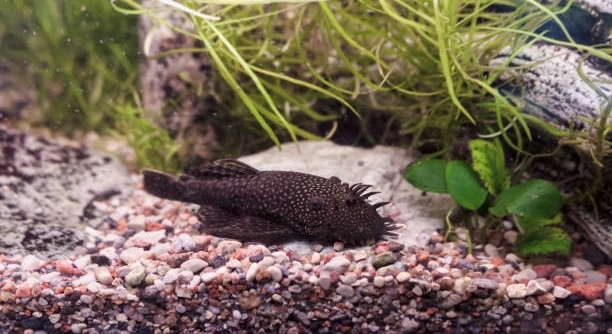
Is your pleco not laying eggs despite your best efforts to create the perfect tank environment? Many aquarists face this issue, even when their fish seem healthy and active, leaving them unsure about what might be wrong.
The primary reasons plecos fail to lay eggs include insufficient water conditions, lack of proper diet, stress from tankmates, inadequate hiding spaces, wrong water temperature, age, or incomplete sexual maturity. Each factor can significantly affect their reproductive behavior.
Understanding these key factors will help you identify the cause and take the necessary steps to encourage egg-laying naturally in your pleco.
Water Quality and Conditions
Plecos are very sensitive to their environment. Poor water quality can prevent them from spawning even if they appear healthy. Maintaining proper pH, hardness, and temperature is essential. Frequent water changes and careful monitoring of ammonia, nitrite, and nitrate levels make a noticeable difference. Stable conditions encourage natural behaviors, including egg-laying. Sudden changes in temperature or chemistry can stress plecos and disrupt their reproductive cycles. Adding hiding spots like caves or driftwood also supports their comfort and readiness to spawn. Filtration should be strong enough to keep water clean but gentle to avoid stressing your pleco. Observing your fish daily can help you detect early signs of stress, such as reduced activity or hiding too much. Replicating natural conditions as closely as possible is key, as plecos often respond best to familiar environments that mimic their native habitat. Patience is required since changes may take several weeks to affect reproductive behavior.
Stable water conditions are crucial for plecos to lay eggs and maintain overall health in captivity.
By focusing on water quality, you create a stable habitat where plecos feel safe and comfortable. Even minor improvements can lead to noticeable changes in behavior, signaling that they may be ready to reproduce.
Diet and Nutrition
A varied diet ensures plecos receive essential nutrients.
Proper nutrition directly impacts reproductive health. Plecos need algae, vegetables, and occasional protein sources. Feeding them high-quality food supports egg development and overall vitality. Lack of essential nutrients can delay or prevent egg-laying.
Providing a balanced diet helps plecos gain strength and energy, which is necessary for spawning. Fresh vegetables like zucchini, cucumber, or spinach should be offered regularly. Protein sources, such as bloodworms or specially formulated pellets, enhance reproductive readiness. Avoid overfeeding, as excess waste can affect water quality and stress your fish. Observing your pleco’s eating habits gives insight into its health and can highlight dietary adjustments needed. Combining diet improvements with stable water conditions maximizes the chances of successful egg-laying. Over time, plecos that receive proper nutrition display more active and natural behaviors, including territoriality and nest preparation, indicating they are ready to reproduce. A consistent feeding routine helps maintain energy levels and overall well-being, making the tank environment more suitable for breeding.
Tankmates and Stress
Aggressive or overly active tankmates can prevent plecos from laying eggs. Stress reduces reproductive behavior and keeps plecos hiding.
Plecos need calm, compatible tankmates to feel secure. Constant chasing or competition for food can inhibit egg-laying. Providing separate spaces or choosing peaceful species reduces stress, allowing natural behaviors to occur. Stress also affects feeding, weakening plecos and lowering reproductive readiness. Observing interactions helps identify issues early.
Hiding spots like caves or dense decorations allow plecos to escape and feel safe. Even small adjustments, such as rearranging decorations or limiting aggressive fish, can make a significant difference. Over time, reduced stress leads to increased activity, better appetite, and more readiness to spawn.
Age and Maturity
Plecos may not lay eggs if they are too young or not fully mature. Growth and sexual maturity are critical factors.
Sexual maturity varies by species and tank conditions. Young plecos, even if healthy, may take months or years before reproducing. Larger and older plecos are more likely to spawn. Environmental stability and proper diet help accelerate development.
Female plecos require sufficient size and body condition to produce eggs. Male plecos need fully developed breeding tubercles and strong territorial instincts. Monitoring growth and behavior helps determine if your pleco is ready. Patience is important, as forcing breeding attempts prematurely can cause stress or injury. Allowing plecos to mature naturally ensures healthier offspring and more reliable egg-laying.
Water Temperature
Incorrect water temperature can prevent plecos from laying eggs. Each species has an optimal range for spawning.
Stable temperatures encourage natural reproductive behavior. Sudden fluctuations or consistently low or high temperatures can stress plecos and halt egg production. Monitoring and adjusting heaters ensures a suitable environment.
Lack of Suitable Hiding Spaces
Plecos need secure hiding spots to feel safe during spawning. Caves, driftwood, or dense decorations allow them privacy.
Without these spaces, plecos remain stressed and are unlikely to lay eggs. Providing multiple hiding areas helps encourage natural breeding behaviors.
Light and Photoperiod
Light cycles influence pleco behavior. Consistent day and night patterns signal safe conditions for reproduction.
Excessive or irregular lighting can disturb their routine, reducing the likelihood of egg-laying. Maintain a stable photoperiod to support natural spawning patterns.
FAQ
Why is my pleco not laying eggs even though it seems healthy?
Even healthy plecos may not spawn if environmental conditions are not ideal. Water quality, diet, temperature, and stress all affect reproductive behavior. Sometimes the fish are simply not mature enough or need more hiding spaces to feel safe.
How can I improve my pleco’s chances of laying eggs?
Focus on maintaining stable water parameters, a balanced diet, and appropriate tankmates. Adding caves, driftwood, and dense decorations helps plecos feel secure. Keeping a consistent light cycle and proper temperature also encourages natural reproductive behavior.
Does diet really affect egg-laying?
Yes. Plecos require a varied diet to develop eggs and stay healthy. Fresh vegetables, algae, and occasional protein sources like bloodworms help maintain energy and reproductive readiness. Nutritional deficiencies can delay or prevent spawning.
Can stress from other fish prevent spawning?
Absolutely. Aggressive or overly active tankmates cause stress, keeping plecos hidden and inactive. Stress reduces appetite and energy, both critical for reproduction. Creating separate spaces or choosing peaceful species helps reduce stress and encourages egg-laying.
How long does it take for a pleco to reach sexual maturity?
It depends on the species and tank conditions. Many plecos take months to years to fully mature. Larger, older plecos are more likely to spawn. Proper diet, stable water conditions, and adequate space can support timely development.
Do plecos need special breeding tanks?
While not always required, a separate breeding tank can increase success. It provides controlled conditions, reduces stress from other fish, and allows you to add ideal hiding spots and water parameters specific for spawning.
Can water temperature alone trigger spawning?
Temperature is important, but it works best with other factors. Slight increases or fluctuations can mimic seasonal changes in nature, signaling breeding time. Consistent and appropriate temperatures combined with proper diet and hiding spaces are more effective.
How do I know if my pleco is ready to spawn?
Look for behavioral signs such as increased territoriality, hiding in caves, or males developing small breeding tubercles. Females may appear fuller in the belly. Active foraging and reduced movement outside hiding spots often indicate readiness.
Is it possible for plecos to lay eggs without a mate?
No. Plecos require both a male and a female for fertilized eggs. Without a mate, females may develop eggs but will not deposit fertilized eggs, which means no successful spawning occurs.
What should I do after the eggs are laid?
Remove or protect the eggs from other tankmates if needed. Maintain stable water conditions and avoid disturbing the breeding area. Many plecos guard their eggs naturally, but additional care can increase survival rates.
Can lighting affect spawning?
Yes. Consistent day and night cycles signal a safe environment. Too much or irregular lighting can disrupt behavior and reduce egg-laying. A stable photoperiod replicates natural conditions and supports reproductive readiness.
Why does my pleco keep hiding and not laying eggs?
Hiding is a natural behavior to feel secure. If the tank lacks sufficient caves or hiding spots, plecos may not feel safe enough to spawn. Adding multiple secure areas helps encourage egg-laying.
Are there signs of stress that prevent spawning?
Yes. Reduced appetite, erratic swimming, hiding excessively, and aggression are common stress indicators. Stress affects energy and overall health, reducing reproductive behavior. Minimizing disturbances and providing a calm environment is essential.
Can overfeeding affect egg-laying?
Overfeeding can degrade water quality, causing stress and discouraging spawning. Balanced feeding ensures plecos remain healthy, with enough energy to reproduce while maintaining clean water conditions.
How often do plecos lay eggs?
Frequency depends on species, age, and tank conditions. Some lay eggs seasonally or every few months. Consistent care, diet, and environment increase the likelihood and regularity of spawning.
Is it normal for plecos to ignore hiding spots?
Yes, sometimes they explore more openly, but they still need secure areas to feel safe for egg-laying. Providing a variety of hiding spots increases comfort and encourages reproduction.
Do males and females require different care for breeding?
Males often need more defined territories, while females require proper nutrition to develop eggs. Both benefit from stable water, hiding areas, and low-stress tank conditions to successfully breed.
Can I use supplements to encourage spawning?
Occasional vitamin-rich foods or calcium sources can support reproductive health. However, they cannot replace stable water, diet, and secure environment, which are far more critical for successful egg-laying.
How can I tell if eggs are fertilized?
Fertilized eggs are usually clear or slightly yellow and develop visible eyes over several days. Unfertilized eggs may turn white or cloudy and will not hatch.
Is it normal for plecos to eat their own eggs?
Yes, some species or stressed individuals may consume eggs. Providing a separate breeding area or monitoring eggs closely can prevent this and improve survival rates.
What is the best way to increase egg survival?
Maintain clean water, protect eggs from tankmates, and minimize disturbances. Some aquarists use breeding traps or separate tanks to maximize hatching success while allowing parents to guard their eggs naturally.
Can plecos lay eggs multiple times in a year?
Yes, under ideal conditions. Species, diet, water quality, and stress levels determine how often spawning occurs. Providing consistent care increases the chances of multiple successful egg-laying events.
Do plecos need specific water hardness for spawning?
Many species prefer slightly softer water to simulate natural habitats. Monitoring hardness and adjusting gradually can improve egg-laying success, but sudden changes may cause stress.
Can introducing new tankmates trigger spawning?
Not directly. Introducing new fish can cause stress and prevent egg-laying. A calm, stable tank environment is far more important for reproductive behavior.
How long does it take for eggs to hatch?
Hatching time varies by species, usually between 4 to 10 days. Maintaining stable temperature and water quality is crucial for successful hatching and early fry development.
What should I do if eggs fungus?
Remove infected eggs promptly to prevent spread. Ensuring clean water, gentle aeration, and reduced handling reduces the risk of fungus affecting healthy eggs.
Can plecos lay eggs without caves?
Some may, but most prefer dark, enclosed spaces. Caves or driftwood mimic natural conditions, providing safety and privacy needed for spawning. Without them, plecos may delay or avoid laying eggs.
Do lighting changes simulate seasonal breeding?
Yes, adjusting light cycles can mimic natural seasonal changes. Gradual increases or decreases in daylight hours can encourage spawning in some species when combined with temperature and dietary adjustments.
How do I know if a pleco is stressed enough to stop spawning?
Signs include hiding constantly, loss of appetite, erratic swimming, or aggression. Stress affects energy and egg production. Reducing disturbances, providing hiding spaces, and maintaining clean water helps restore normal behavior.
Can breeding be forced in plecos?
Breeding should never be forced. Stress or improper handling reduces success and can harm the fish. Creating optimal conditions and allowing natural behaviors is the safest and most effective approach.
Is it necessary to separate males and females before breeding?
Not always, but giving males territories and females safe spaces improves chances of successful egg-laying. Monitoring interactions ensures both remain healthy and ready to reproduce.
How do I care for fry after hatching?
Feed appropriately sized foods, maintain clean water, and provide gentle aeration. Monitor for stress and ensure tankmates cannot harm the fry. Gradually adjust diet and tank conditions as they grow.
Can plecos stop laying eggs permanently?
Yes, age, chronic stress, poor health, or environmental changes can prevent further spawning. Maintaining optimal conditions throughout their life maximizes reproductive potential.
What is the best overall strategy to encourage egg-laying?
Provide stable water, proper diet, hiding spots, calm tankmates, correct temperature, and consistent lighting. Patience, observation, and adjustments to these factors create the most favorable conditions for successful pleco reproduction.
How long should I wait between spawning attempts?
Allow recovery time for both male and female plecos. Overbreeding can stress fish and reduce overall health, affecting future spawning success. Monitoring health and behavior informs when it is appropriate to attempt breeding again.
Do plecos need specific pH for breeding?
Yes, slightly acidic to neutral water is preferred by many species. Monitoring and maintaining pH within a stable range supports reproductive health and egg development.
Can I use plants to help with spawning?
Plants provide additional hiding spots and mimic natural habitats. While not essential, dense or broad-leaved plants can improve comfort and reduce stress, indirectly supporting egg-laying.
Is it normal for plecos to ignore spawning areas?
Yes, if conditions are not ideal. Adjusting water, diet, temperature, hiding spots, and stress levels can encourage use of breeding sites. Patience is important for successful egg-laying.
What signs indicate eggs are about to hatch?
Fertilized eggs usually show darkening or developing eyes. Slight movement or color change signals hatching is near. Maintaining stable conditions ensures fry emerge safely and remain healthy.
How important is consistency for breeding success?
Extremely important. Plecos respond best to stable conditions, consistent diet, and low stress. Sudden changes can prevent spawning or harm eggs and fry, so maintaining routine care is crucial.
Can plecos lay eggs in community tanks?
Yes, but risks are higher. Eggs may be eaten or stressed by other fish. Providing caves and reducing disturbances improves survival chances even in a shared tank.
Is it necessary to monitor water daily for breeding?
Regular monitoring helps detect issues early. Checking temperature, pH, ammonia, nitrite, and nitrate ensures a stable environment, supporting both egg-laying and fry survival.
Do plecos prefer dark or light areas for spawning?
They generally prefer dark, enclosed spaces for safety. Caves or shaded areas reduce stress and encourage natural reproductive behavior.
How do I prevent egg predation by other fish?
Separate breeding pairs, use breeding traps, or provide protected hiding spots. Monitoring interactions ensures eggs are safe and increases hatching success.
Can plecos lay eggs without proper nutrition?
No. Without adequate nutrients, females cannot produce viable eggs, and males may lack energy for courtship or guarding behavior. Balanced feeding is essential.
Do different species have different breeding needs?
Yes. Each pleco species has unique requirements for temperature, diet, and habitat. Researching species-specific conditions increases chances of successful egg-laying and fry survival.
Is it normal for plecos to stop laying eggs for a season?
Yes, seasonal or environmental changes can affect spawning. Adjusting temperature, light, and diet to mimic natural conditions can trigger renewed egg-laying.
Can plecos recover from missed breeding cycles?
Yes, with improved care and reduced stress, plecos can resume spawning. Ensuring stable water, proper diet, and adequate hiding spaces supports recovery.
Do males guard the eggs?
Many species do. Males protect the eggs until they hatch, fanning them with fins to maintain oxygen flow and prevent fungus. Observing this behavior can indicate successful spawning.
How can I tell if my pleco is stressed by tankmates?
Signs include hiding excessively, chasing, aggression, loss of appetite, or erratic swimming. Adjusting tank composition or providing separate spaces reduces stress and encourages egg-laying.
Is water hardness important for spawning?
Yes, moderate hardness is preferred by many species. It affects egg development and overall reproductive health. Monitoring and adjusting gradually ensures optimal conditions.
Can breeding supplements replace diet improvements?
No. Supplements can support health but cannot replace a balanced diet or proper environmental conditions. Nutrition, water quality, and stress reduction remain critical factors.
Are there behavioral signs that eggs will be laid soon?
Yes, males become territorial, females appear fuller in the belly, and both spend more time in hiding spots. Increased activity around caves often signals upcoming spawning.
Can plecos lay eggs in artificial caves?
Yes. They respond well to secure, enclosed spaces. Smooth surfaces and dark interiors replicate natural conditions, encouraging spawning even in artificial setups.
How often should I change water during breeding?
Frequent, small water changes maintain quality without disturbing eggs. Daily or every-other-day partial changes help reduce ammonia and nitrite, supporting healthy development.
Do plecos prefer flowing or still water for spawning?
Moderate flow is best. Too strong can stress fish or dislodge eggs, while stagnant water reduces oxygen and may affect development. Adjust flow to maintain comfort and egg safety.
Can plecos lay eggs in planted tanks?
Yes. Plants provide cover and simulate natural environments. Dense vegetation can protect eggs and reduce stress, supporting reproductive behavior.
Is monitoring feeding habits necessary during breeding?
Yes. Healthy appetite indicates readiness and energy for spawning. Changes may signal stress, poor water quality, or nutritional issues that need attention.
Do plecos ever lay eggs spontaneously without triggers?
Sometimes, but it is rare. Environmental cues, diet, and secure spaces usually drive egg-laying. Spontaneous spawning may occur if conditions coincidentally meet natural requirements.
Can plecos lay eggs without proper water pH?
Improper pH can prevent egg-laying or affect egg viability. Maintaining slightly acidic to neutral water supports reproductive health and successful spawning.
How long should I observe plecos before expecting eggs?
Observation over weeks is needed. Behavioral changes like hiding, territoriality, or courtship indicate readiness. Patience ensures minimal stress and natural egg-laying behavior.
Is it necessary to remove fry from parents immediately?
Not always. Many species care for fry naturally. However, monitoring for aggression or predation helps ensure fry survival, and separation may be needed in some cases.
Can plecos stop laying eggs due to age?
Yes. Older plecos may reduce or cease spawning. Maintaining optimal conditions throughout life maximizes reproductive potential, but age-related decline is natural.
Do plecos require specific minerals for spawning?
Calcium and other minerals support egg development and shell strength. Providing balanced nutrition and supplements when necessary enhances reproductive health.
Are there common mistakes that prevent spawning?
Yes. Poor water quality, inadequate hiding spaces, improper diet, stress, or ignoring temperature and lighting needs all reduce egg-laying chances. Correcting these factors improves success.
Can plecos lay eggs in crowded tanks?
Overcrowding increases stress, reduces hiding spots, and may prevent egg-laying. Providing sufficient space and calm tankmates is critical for reproduction.
Do plecos need water changes during egg incubation?
Yes. Gentle, small water changes maintain cleanliness and oxygen levels without disturbing eggs. Maintaining stability is key to hatching success.
How can I tell if my pleco is preparing to lay eggs?
Behavioral changes include increased hiding, territoriality, or guarding of caves. Females may appear fuller, and males may display tubercles or fanning behavior near eggs.
Can temperature drops trigger spawning?
Mild, controlled drops can mimic seasonal changes, signaling breeding time. Sudden or extreme changes cause stress, so adjustments must be gradual and monitored carefully.
Do plecos prefer soft or hard substrates for spawning?
Most prefer smooth or hard surfaces inside caves for egg attachment. Substrate choice affects egg safety and hatching success. Driftwood or rocks are commonly used.
Can plecos lay eggs without calcium in their diet?
Calcium deficiency may weaken eggshells, reducing viability. A balanced diet with adequate minerals is essential for healthy reproduction.
Is it normal for plecos to guard eggs continuously?
Yes. Males often guard and fan eggs to maintain oxygen levels and prevent fungus. This behavior is natural and improves hatching rates.
How do I prevent fungal infection on eggs?
Maintain clean water, gentle aeration, and remove infected eggs promptly. Minimal handling and stress also reduce the likelihood of fungus affecting healthy eggs.
Can plecos lay eggs in tanks without filtration?
Filtration is highly recommended to maintain water quality. Poor filtration increases ammonia and nitrite, causing stress and reducing egg-laying chances. Gentle filtration supports healthy reproduction.
Do plecos need constant monitoring during breeding?
Regular observation helps identify stress, water issues, or egg predation. Careful monitoring without excessive disturbance ensures a safer, more successful breeding environment.
Are there species-specific behaviors to watch for?
Yes. Each pleco species may display unique courtship, egg-guarding, or spawning site preferences. Learning species-specific behaviors improves breeding success and egg survival rates.
Can plecos skip spawning cycles?
Yes. Environmental stress, poor diet, or health issues can cause skipped cycles. Correcting these factors and providing optimal conditions encourages future egg-laying.
How can I know if my pleco is stressed by tank conditions?
Signs include hiding excessively, loss of appetite, erratic swimming, or aggression. Adjusting water quality, diet, and tankmates reduces stress and supports egg-laying behavior.
Can plecos spawn in slightly brackish water?
Some species tolerate mild brackish conditions, but most prefer freshwater. Researching your specific pleco species ensures appropriate water conditions for successful spawning.
Is it normal for plecos to stop eating during breeding?
Reduced appetite may occur, especially when preparing to spawn or guarding eggs. Maintaining proper nutrition before and after this period ensures health and energy.
How long do plecos guard their eggs?
Guarding usually lasts until hatching, around 4–10 days depending on species and water conditions. Maintaining calm, clean water during this period is essential.
Can plecos breed without caves?
While some may use other surfaces, most prefer caves or enclosed areas. Providing safe, dark spaces encourages natural egg-laying behavior and protects eggs.
Do plecos need water flow for egg survival?
Moderate water flow helps oxygenate eggs without dislodging them. Too strong a current can harm eggs, while stagnant water reduces oxygen availability.
Can plecos lay eggs after moving to a new tank?
They may take time to adjust. Stress from relocation can delay spawning. Stabilizing water conditions, hiding spaces, and diet helps them settle and prepare to lay eggs.
Is it necessary to separate males from females after spawning?
Not always. Some species guard eggs naturally. Monitoring behavior ensures neither parent harms the eggs or each other, adjusting separation if needed.
Do plecos require specific water conductivity for breeding?
Many species prefer moderate conductivity, reflecting natural habitat conditions. Monitoring and adjusting gradually supports reproductive health and egg development.
How often should I check eggs?
Gentle, minimal checks are recommended. Frequent disturbance can stress parents and harm eggs. Observation focuses on signs of fertilization, fungus, or predation.
**Can plecos lay eggs in cold
Final Thoughts
Caring for plecos and encouraging them to lay eggs requires patience and attention to detail. These fish are sensitive to their environment, and even small changes in water quality, temperature, or tank setup can influence their behavior. Understanding their natural needs helps create a habitat that supports both health and reproduction. Observing your pleco daily allows you to notice subtle changes in activity, appetite, or behavior that may signal readiness to spawn. While it can feel frustrating when they do not lay eggs, adjustments in water parameters, diet, and tank conditions often lead to positive results. A stable environment, free from stressors, is essential, as plecos are more likely to reproduce when they feel secure and comfortable.
Diet plays a major role in reproductive readiness. Providing a variety of vegetables, algae, and occasional protein sources ensures that plecos have the nutrients needed to produce healthy eggs and maintain energy levels. Proper feeding also supports growth and overall well-being, which directly impacts reproductive health. Overfeeding, underfeeding, or an unbalanced diet can delay egg-laying and create stress that affects both male and female plecos. Alongside nutrition, the addition of hiding spots such as caves, driftwood, or dense decorations gives them the privacy they need. These spaces replicate their natural habitat and reduce stress, which is critical for encouraging natural breeding behavior. Observing how your pleco interacts with the tank and its hiding spots can guide adjustments to improve comfort and readiness to spawn.
Finally, patience and consistency are key when working to encourage egg-laying in plecos. Changes in tank conditions, diet, or lighting may take several weeks to show results, and reproductive readiness varies depending on age, species, and environmental stability. Avoid forcing breeding, as stress can harm both fish and potential eggs. Monitoring water quality, providing proper nutrition, maintaining hiding areas, and minimizing disturbances creates the most favorable conditions. Over time, these efforts increase the likelihood of successful egg-laying and healthy fry. Caring for plecos in this way not only supports reproduction but also promotes long-term health and vitality, ensuring they thrive in their environment. Patience, observation, and careful care are the foundations for a successful breeding experience.

Hello,
If you enjoy the content that we create, please consider saying a "Thank You!" by leaving a tip.
Every little bit helps us continue crafting quality advice that supports the health, happiness, and well-being of pets around the world, for pets of all shapes, sizes, and species.
We really appreciate the kindness and support that you show us!