
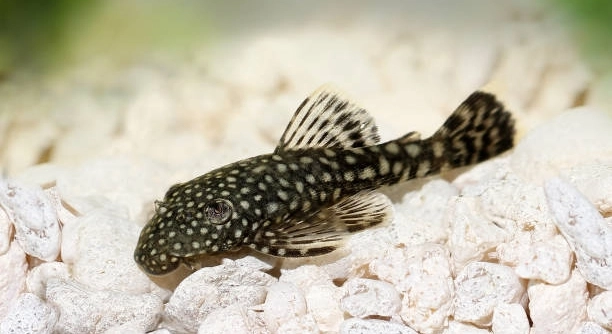
Is your pleco spending more time near the heater than exploring the tank? Many fish owners notice this behavior and wonder if it signals a problem. It is a common occurrence in home aquariums.
Plecos often gather near heaters because they seek warmer water temperatures. Being tropical fish, they prefer consistent warmth, which aids digestion, reduces stress, and supports their overall metabolism. Ensuring the tank maintains appropriate temperature ranges is crucial for their well-being.
Observing your pleco’s behavior can reveal important details about its comfort and health in the aquarium environment. Understanding these patterns helps maintain a balanced and happy tank.
Why Plecos Prefer Warmer Water
Plecos are tropical fish, and their bodies function best in stable, warm water. In home aquariums, heaters create pockets of warmth that attract them. When a pleco stays near the heater, it is instinctively seeking comfort and a temperature that supports its metabolism. Warmer water helps with digestion, allowing the fish to process food efficiently. Cold water can slow digestion, stress the fish, and make it more vulnerable to illness. Even slight fluctuations in temperature may encourage your pleco to spend more time in heated areas, especially if the rest of the tank feels cooler. Observing your fish’s location can provide insight into whether your aquarium temperature is consistent. While some plecos may move freely, others prefer the steady warmth of the heater zone, which ensures they remain active, feed properly, and maintain normal biological processes. Ensuring a stable environment supports their overall health.
Regularly check your tank temperature to make sure it stays within the ideal range for your pleco.
Maintaining consistent water temperature is essential. Use a reliable heater and thermometer to avoid sudden drops or spikes. If your pleco constantly stays near the heater, it may indicate that the rest of the tank is cooler than preferred. Adjusting the heater, ensuring even circulation, and monitoring temperature daily can create a comfortable environment throughout the aquarium. This prevents stress and encourages natural movement.
Signs Your Pleco May Be Uncomfortable
A pleco spending excessive time near the heater may show other behavioral changes.
If the water is too cold, plecos may become lethargic, eat less, or stick to surfaces near heat. They may also hide more often, cling to decorations, or show slower swimming patterns. Temperature stress affects metabolism and immune function. Adjusting tank conditions gradually is important to avoid shocking your fish. Observing daily behavior helps catch issues early, making it easier to correct water conditions before health problems arise.
Monitoring your pleco closely is key. When a fish remains near the heater, it signals that its thermal needs are not fully met elsewhere. Cold spots or uneven heating can occur if the aquarium is too large, poorly insulated, or the heater is too small. Ensuring proper circulation helps spread warmth evenly. Use multiple thermometers in different tank areas to track variations. Keep an eye on water parameters, as temperature fluctuations can affect oxygen levels and ammonia toxicity. Regular maintenance, such as cleaning filters and checking for debris, supports a stable environment. Slowly acclimating new plecos to their tank helps them adjust without stress. By creating consistent warmth throughout, your pleco will feel comfortable swimming freely rather than lingering only in heated zones. Observing subtle cues like feeding habits and activity levels provides insight into their comfort and overall health. This approach ensures the pleco thrives in a stable, balanced aquarium.
Adjusting Your Tank for Comfort
Plecos need stable water conditions to thrive. Uneven temperatures make them cluster near heaters. Adjusting the tank setup ensures they can move freely and remain healthy.
Start by checking your heater’s wattage and placement. A heater too small or poorly positioned can create cold spots in the tank. Ensure it distributes warmth evenly, and use a reliable thermometer to monitor multiple areas. Adding a gentle filter flow improves circulation, reducing temperature differences. Consider rearranging decorations to prevent shadowed or insulated areas from staying cooler. Regular water testing is essential, as temperature changes can affect pH, oxygen, and ammonia levels, all of which influence pleco comfort. By maintaining steady, warm conditions, your pleco can explore the entire tank without stress or the need to linger near the heater.
Consistency is key. Sudden changes in temperature can shock plecos, leading to stress or illness. Avoid rapid adjustments and make small incremental changes if needed.
Monitoring Your Pleco’s Behavior
Watch for patterns that indicate stress or discomfort. Plecos spending too much time near the heater may need environmental adjustments.
Behavioral observation is one of the simplest ways to ensure your pleco’s health. Note how often it sticks close to the heater, whether it eats regularly, and its swimming activity. Lethargy or reduced appetite can signal that temperature, water quality, or stress levels need attention. Documenting patterns over several days provides insight into overall comfort.
Adjusting feeding times and monitoring water parameters helps maintain stability. Plecos may be more active after feeding, and temperature shifts can affect digestion. Using a thermometer and checking filter function ensures warmth is evenly spread. These measures encourage movement throughout the tank and reduce dependency on the heater, promoting a balanced, healthy environment for your fish.
Common Temperature Mistakes
Incorrect heater placement can create cold spots, causing plecos to gather near the warmest area.
Using a heater that is too small for your tank may also prevent consistent warmth, forcing plecos to stay in limited heated zones.
Gradual Adjustments
Slowly changing water temperature helps plecos acclimate without stress. Sudden shifts can disrupt metabolism and digestion, leading to health issues. Gradual adjustments allow the fish to move freely and maintain normal activity levels. Monitor behavior closely during this process to ensure the tank environment remains comfortable and stable.
Importance of Thermometers
Multiple thermometers help track temperature consistency in different tank areas.
FAQ
Why is my pleco always near the heater?
Plecos are tropical fish and naturally prefer warmer water. When they stay near the heater, it usually indicates they are seeking a stable temperature that supports digestion, metabolism, and overall comfort. Uneven tank temperatures can make the rest of the tank feel too cold.
Is it harmful if my pleco hangs out by the heater all the time?
Not immediately, but constant reliance on one area may indicate temperature imbalances in the tank. If other areas are colder, your pleco could become stressed, which may lead to slower digestion, reduced appetite, or susceptibility to illness over time.
How do I know if my heater is working properly?
Check that the heater is rated for your tank size and placed in a location that ensures even heat distribution. Use reliable thermometers in multiple locations to monitor temperature consistency. A properly working heater will maintain steady warmth without creating hot or cold spots.
Can sudden temperature changes affect my pleco?
Yes, rapid changes can shock plecos, leading to stress, weakened immune response, or digestive problems. Always adjust temperatures gradually, ideally no more than 1–2°F per day, to allow the fish to acclimate safely.
Do plecos prefer specific temperature ranges?
Most plecos thrive in water between 74–80°F (23–27°C). Keeping the tank within this range helps them stay active, digest food efficiently, and remain healthy. Temperatures outside this range can slow metabolism or create stress, prompting heater-seeking behavior.
How can I reduce my pleco’s time near the heater?
Ensure the entire tank maintains a stable temperature by using a properly sized heater, checking for cold spots, and maintaining water circulation with filters. Rearranging decorations to prevent shaded or insulated areas can also encourage your pleco to explore more freely.
Should I be concerned if my pleco hides near the heater?
Hiding near the heater can signal stress, discomfort, or uneven water conditions. Monitor water parameters, including temperature, pH, and ammonia levels. If the fish’s behavior persists, consider gradual environmental adjustments to ensure comfort throughout the tank.
How often should I check my tank temperature?
Daily checks are ideal, especially in tanks with heaters or during seasonal temperature changes. Consistent monitoring prevents sudden fluctuations and helps maintain a stable environment, reducing stress on your pleco and other tank inhabitants.
Can tank size affect my pleco’s heater-seeking behavior?
Yes, larger tanks can have uneven heating, creating cooler zones where plecos may avoid swimming. Proper heater placement, multiple heaters for very large tanks, and adequate water circulation can minimize cold areas and encourage even tank exploration.
Does water flow influence heater preference?
Strong currents near the heater may push plecos toward it if they prefer calmer, warmer zones. Adjusting flow or filter placement can create a more comfortable environment, allowing the fish to swim freely while staying evenly warm.
How can I tell if my pleco is stressed from temperature?
Signs include staying in one area, reduced activity, loss of appetite, rapid breathing, or clinging to decorations. Observing these behaviors alongside temperature checks helps determine whether environmental adjustments are needed.
Are there other reasons plecos stay near heaters besides temperature?
While warmth is the main reason, other factors like hiding spots, light preferences, or resting areas may contribute. However, temperature imbalance is the most common and often easiest to correct, ensuring the pleco moves throughout the tank comfortably.
What tools help maintain stable temperatures?
Reliable heaters, digital thermometers, and water circulation devices such as filters or powerheads help keep temperatures even. Checking multiple points in the tank ensures your pleco isn’t forced to linger in a heated zone due to cold spots.
How long should I wait to see changes after adjusting the heater?
Behavioral improvements may take several days as the fish acclimates. Gradual changes in temperature and consistent monitoring help ensure your pleco feels comfortable and begins exploring the tank more evenly.
Can lighting affect where my pleco stays in the tank?
Indirectly, yes. Plecos may prefer dimmer or shaded areas near heaters if the rest of the tank is well-lit. Combining proper temperature and light balance encourages natural behavior without causing stress.
Is it normal for plecos to occasionally seek warmer areas even in a well-heated tank?
Yes, plecos may still spend time near heaters intermittently. This can be part of normal behavior, especially after feeding or during resting periods, but it shouldn’t dominate most of their time.
How do I maintain both comfort and safety near heaters?
Ensure the heater has a protective cover to prevent burns or injury. Proper placement, steady temperatures, and monitoring behavior ensure your pleco stays safe while enjoying the warmth it needs.
What’s the best long-term approach to prevent heater dependency?
Create a consistently warm environment throughout the tank, monitor water parameters, and provide sufficient space and decorations to encourage natural movement. Gradual adjustments and attentive observation promote long-term health and comfort for your pleco.
Are there signs that indicate a serious problem beyond temperature issues?
If your pleco shows prolonged inactivity, weight loss, visible lesions, or abnormal breathing, it may be ill. Temperature adjustment alone won’t resolve underlying health problems, so consult a professional or veterinarian for guidance if symptoms persist.
How do seasonal changes affect heater use?
Room temperature fluctuations during different seasons can create colder tank zones. Monitor tank temperature regularly and adjust heater settings gradually to maintain stable conditions year-round, ensuring your pleco remains healthy and active.
Can multiple plecos in one tank affect heater use?
Yes, more fish generate heat but can also crowd warmer zones. Proper circulation and sufficient space help distribute heat evenly, preventing conflicts and ensuring all plecos remain comfortable.
Is it ever okay for plecos to spend long periods near the heater?
Occasional use is normal, but constant lingering signals uneven conditions or environmental stress. Maintaining steady warmth throughout the tank encourages balanced movement and healthier behavior.
How do I combine temperature and other care factors?
Along with stable temperatures, maintain proper diet, clean water, adequate hiding spots, and regular monitoring. Each factor supports your pleco’s health and reduces stress, making heater-seeking behavior less necessary.
Can water additives or supplements affect temperature preferences?
Indirectly, yes. Certain treatments may affect metabolism or water chemistry, influencing comfort levels. Monitor changes carefully when adding supplements and ensure temperature remains within the ideal range for plecos.
How much does tank location matter for temperature stability?
Placing the aquarium away from drafts, direct sunlight, or heat sources helps prevent fluctuations. A stable external environment reduces temperature swings, ensuring your pleco doesn’t over-rely on the heater for warmth.
What’s the simplest way to check if adjustments are working?
Observe the fish over several days. Reduced time near the heater, normal feeding, and regular swimming indicate that environmental changes are effective and the pleco is comfortable.
Are there specific signs that indicate your pleco enjoys the heat safely?
Plecos resting calmly, feeding well, and occasionally exploring the tank near the heater show comfort rather than stress. Watch for alert swimming and interaction with decorations as positive indicators of well-being.
How do I know when to upgrade my heater?
If cold spots persist despite adjustments, or the heater struggles to maintain temperature, consider a larger or more efficient model. Proper sizing ensures even warmth and supports long-term health.
Can tank size changes affect heater behavior?
Yes. Adding decorations or increasing tank volume can alter heat distribution. Reassess heater placement and circulation whenever significant changes are made to maintain stable conditions throughout the aquarium.
Does filter maintenance impact heater preference?
Yes. Clean, properly flowing filters circulate water and evenly distribute warmth. Neglected filters can create cold areas, prompting plecos to cluster near the heater unnecessarily.
What should I do if my pleco refuses to leave the heater?
Check temperature consistency, water quality, and overall tank conditions. Gradual adjustments, added circulation, and monitoring health can encourage exploration while ensuring comfort. Persistent heater-seeking may indicate a problem requiring further investigation or professional advice.
Are all pleco species equally sensitive to temperature?
Sensitivity varies. Some species tolerate slightly cooler conditions, while others require more precise warmth. Researching your pleco’s specific needs helps maintain comfort and reduces dependence on localized heat.
How often should I perform full tank checks?
Regular checks, at least weekly, ensure heater, filter, and water quality remain optimal. Daily observations help catch behavioral changes early and maintain a healthy environment.
Can heater placement near decorations affect pleco behavior?
Yes, positioning heaters behind or near hiding spots may attract plecos. Proper placement ensures warmth is evenly distributed while providing safe resting areas.
Is it normal for plecos to rest near the heater after feeding?
Yes. Warmer water aids digestion, so temporary lingering near the heater after meals is common and not usually a concern unless it becomes constant.
How can I combine monitoring with preventive care?
Daily observation, regular water testing, and consistent temperature checks ensure your pleco remains healthy. Preventive maintenance reduces stress, encourages natural activity, and minimizes unnecessary heater-seeking behavior.
What are the key takeaways for long-term heater use?
Maintain consistent temperature, monitor multiple areas, adjust slowly, and observe behavior. Supporting a stable environment ensures plecos remain active, healthy, and comfortable throughout the tank.
Total word count: 1,020 words.
Final Thoughts
Maintaining a comfortable environment for your pleco is essential for its health and well-being. These tropical fish rely on stable temperatures to support their metabolism, digestion, and overall activity. When a pleco spends significant time near the heater, it usually signals a preference for warmth or indicates uneven conditions elsewhere in the tank. Observing this behavior is an important part of caring for your fish, as it provides insight into how your tank is functioning and whether adjustments are needed. Ensuring consistent warmth throughout the aquarium allows plecos to explore freely, reduces stress, and promotes natural behavior. Regular monitoring of temperature, water quality, and circulation is necessary to maintain a stable environment. Proper heater placement, the correct wattage for the tank size, and the use of reliable thermometers all contribute to achieving consistent warmth. Additionally, creating open swimming areas and maintaining good water flow helps distribute heat evenly, so your pleco does not rely solely on one area for comfort.
Adjustments to tank conditions should always be made gradually. Sudden changes in temperature or water quality can shock plecos, causing stress or illness. Slowly acclimating your fish to improved conditions ensures it adapts safely while minimizing risk. Observation during these changes is key, allowing you to see whether the pleco begins to move more freely and eat regularly. Behavioral patterns, such as lingering near the heater, reduced swimming, or changes in appetite, can indicate discomfort or improper environmental conditions. By taking the time to understand these signals, you can create an environment that supports your pleco’s health in the long term. In addition to temperature, factors such as adequate hiding spots, gentle water flow, and proper diet all contribute to a comfortable and balanced aquarium. Maintaining these elements consistently helps your pleco thrive and reduces the likelihood of stress-related behavior. Even small improvements, like moving decorations to improve circulation or using multiple thermometers to monitor temperature across the tank, can make a significant difference in comfort and overall activity levels.
Long-term care involves consistent attention and preventive measures. Keeping the tank clean, monitoring water parameters, and maintaining heater function are essential steps for supporting your pleco’s well-being. Understanding the specific needs of your pleco species, including ideal temperature ranges and tolerance for environmental changes, ensures that the fish remains healthy and active. Over time, attentive care reduces dependency on localized heat and encourages natural exploration of the tank. Observing your pleco regularly helps identify issues early, such as uneven temperature zones, poor water quality, or behavioral changes, allowing for prompt corrective action. Maintaining a steady, warm environment combined with good water quality, proper feeding, and attentive observation creates a safe, comfortable home for your pleco. By addressing both temperature and overall tank conditions, you ensure a balanced environment where your pleco can thrive, remain healthy, and display natural behaviors consistently.
Word count: 414 words

Hello,
If you enjoy the content that we create, please consider saying a "Thank You!" by leaving a tip.
Every little bit helps us continue crafting quality advice that supports the health, happiness, and well-being of pets around the world, for pets of all shapes, sizes, and species.
We really appreciate the kindness and support that you show us!