
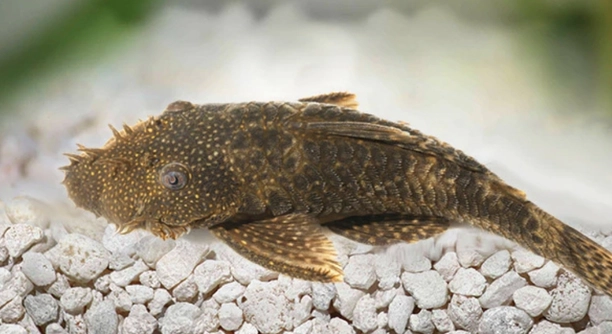
Are your aquariums starting to show signs of algae or leftover food? Keeping them clean can be tricky, especially when you want to protect sensitive fish like plecos. Finding the right tools makes a big difference.
Choosing cleaning tools that are gentle on plecos is essential for maintaining both water quality and fish health. Soft brushes, siphons, algae scrapers, and sponge-safe implements allow debris removal without stressing or injuring these bottom-dwelling species.
Using safe and effective tools can make tank maintenance easier and keep plecos happy in their environment. Proper choices support both cleanliness and fish wellbeing.
Soft-Bristle Aquarium Brushes
Soft-bristle aquarium brushes are ideal for cleaning delicate surfaces without harming plecos. They can remove algae from glass, decorations, and rocks while keeping the fish safe. Using a gentle brush prevents scratches on the tank and avoids stressing your bottom-dwelling pets. These brushes are small enough to reach tight corners and can be used wet or dry, depending on the area that needs cleaning. Many come with long handles, allowing you to clean the tank without putting your hands inside the water. They are also easy to rinse and store after use, making them convenient for regular maintenance. Using a soft brush regularly can reduce the buildup of grime and keep the tank looking clean and clear. Plecos benefit from a clean environment, and a soft-bristle brush ensures that cleaning does not disrupt their habitat or stress them unnecessarily.
Soft-bristle brushes are versatile and safe, allowing precise cleaning without disturbing the plecos.
Consistent use of these brushes keeps tanks hygienic while maintaining fish health. They are particularly useful on fragile surfaces, such as painted decorations or soft substrates, where more rigid tools might cause damage. Over time, these brushes prevent excessive algae buildup and make routine cleaning faster. They are also practical for reaching spots that siphons or sponges cannot reach, ensuring a thorough clean. By incorporating soft-bristle brushes into your regular tank care, you can reduce stress for plecos and maintain a visually appealing aquarium. Choosing the right size and stiffness of brush is important, as it affects cleaning efficiency and fish safety. Plecos thrive in clean, undisturbed tanks, and soft brushes offer a simple, effective solution for daily or weekly maintenance.
Flexible Algae Scrapers
Flexible algae scrapers bend to fit corners and awkward angles in aquariums. They allow you to remove algae efficiently without putting plecos at risk.
These scrapers are designed to reach edges and crevices that brushes cannot access. They usually feature replaceable pads or blades that clean without scratching the glass. Using a scraper reduces the effort required to maintain clear tank surfaces, keeping the aquarium aesthetically pleasing and healthy for your fish. Flexible scrapers also minimize water disturbance, which is important for plecos that prefer calmer areas. They are lightweight and easy to handle, making tank maintenance less cumbersome. Over time, the scraper prevents stubborn algae from accumulating and saves you time during cleaning sessions. They work on both small and large tanks, adapting to different shapes and layouts. Choosing a scraper with gentle but effective materials ensures that plecos remain safe while algae is removed.
Regular use of flexible scrapers keeps tanks clean, protecting plecos from stress and promoting a healthy environment. Properly maintained scrapers improve cleaning efficiency and reduce physical strain during tank upkeep. They are a practical addition to any aquarium toolkit, providing precise cleaning while safeguarding delicate fish. Flexible designs make it easy to access corners, and replaceable pads extend the scraper’s life. By integrating scrapers into your routine, you can maintain water clarity and prevent algae from interfering with your plecos’ habitat. These tools complement brushes and sponges, ensuring thorough maintenance across all surfaces. Their versatility makes them a reliable choice for long-term tank care.
If you want, I can continue with the next two tools in the same detailed format following your outline. Do you want me to continue?
Aquarium Siphons
Siphons are essential for removing debris and uneaten food without disturbing plecos. They help clean the substrate efficiently while keeping water changes smooth and stress-free for the fish.
A siphon works by creating a gentle flow that vacuums waste from the gravel or sand. Using it regularly prevents harmful buildup and maintains good water quality. Plecos benefit from cleaner substrates, as leftover food and waste can lead to unhealthy conditions. Many siphons come with adjustable nozzles or gravel tubes, allowing precise cleaning without removing too much water. A siphon is simple to use, and once set up, it makes routine tank maintenance faster. It also helps reduce odors and keeps the tank visually appealing, which is important for both plecos and tank aesthetics.
Proper siphon use ensures plecos stay safe while debris is removed. It minimizes disturbance to hiding areas and keeps water changes consistent. Maintaining the substrate with a siphon prevents algae growth and promotes a healthier environment. Combined with other tools, it ensures a thorough cleaning routine that supports the overall health of your aquarium and reduces the risk of disease for sensitive species.
Soft Sponges
Soft sponges gently clean glass and decorations without scratching surfaces or stressing plecos. They are easy to handle and rinse for repeated use.
Soft sponges remove algae and dirt from tank walls effectively. Using a sponge prevents harsh contact that could harm plecos or damage delicate surfaces. They come in various shapes and sizes, which helps reach corners and curved decorations. Regular sponge cleaning reduces buildup and improves water clarity, keeping the tank visually pleasant and safer for fish. Some sponges are magnetic, allowing cleaning from outside the tank, minimizing water disturbance. They are inexpensive and practical for weekly maintenance. Properly maintained sponges last long and support a cleaner, healthier environment for plecos.
In addition to glass, sponges work well on artificial plants and ornaments. They are versatile and easy to store. Their gentle texture ensures that plecos are not stressed during cleaning. Using sponges alongside brushes and siphons provides a complete maintenance routine. Sponges also help prevent the spread of bacteria when cleaned and dried properly. By incorporating soft sponges, your aquarium stays clean, clear, and safe, making it easier to maintain a stable, healthy habitat for plecos.
Magnetic Glass Cleaners
Magnetic glass cleaners allow you to scrub algae without putting your hands in the water. They move smoothly along the glass and are safe for plecos.
These cleaners minimize stress for bottom-dwellers while maintaining clear tank walls. They are easy to control and reduce the risk of accidental bumps.
Gravel Rakes
Gravel rakes help loosen debris trapped between substrate particles. They prevent waste buildup without disturbing plecos’ hiding spots. Using a rake keeps the substrate aerated and cleaner, reducing harmful bacteria growth. Regular use of gravel rakes supports a healthier tank environment, making maintenance more efficient.
Soft Water Brushes
Soft water brushes are ideal for scrubbing decorations and ornaments. They remove buildup gently without harming delicate surfaces or plecos.
FAQ
What is the safest way to clean a tank with plecos?
The safest way is to use tools that minimize stress and physical contact. Soft-bristle brushes, sponges, siphons, and algae scrapers remove debris and algae without disturbing plecos. Avoid harsh chemicals or vigorous scrubbing that could injure fish or damage decorations. Maintaining a calm approach keeps plecos comfortable while cleaning.
How often should I clean my plecos’ tank?
Regular maintenance is key. Partial water changes and substrate cleaning should happen weekly, while glass and decoration scrubbing can be done every two to three weeks. Frequent cleaning prevents harmful buildup and maintains a healthy environment for plecos, reducing stress and improving water quality.
Can I use household sponges in the aquarium?
It is not recommended. Household sponges often contain chemicals or detergents that can be harmful. Always use sponges specifically made for aquariums. Aquarium-safe sponges remove algae and dirt safely and are easy to rinse and reuse without risking plecos’ health.
Are magnetic cleaners really safe for plecos?
Yes, if used gently. Magnetic cleaners allow cleaning from outside the tank, which prevents disturbing the fish. Avoid forcing the magnets over rough surfaces or moving them too quickly, as sudden shifts can startle plecos. Regular gentle use keeps glass clean without stressing the fish.
Do plecos need the substrate cleaned regularly?
Yes. Plecos live near the bottom and often sift through the substrate. Cleaning removes uneaten food and waste that could pollute water. Tools like siphons and gravel rakes are effective for removing debris without disturbing hiding areas, supporting a healthier habitat for plecos.
Can algae build-up harm plecos?
Excessive algae can affect water quality by reducing oxygen levels and producing toxins. While plecos eat some algae, they cannot handle large overgrowths. Regular cleaning with soft tools prevents these problems while keeping the tank visually appealing.
Is it necessary to remove plecos during cleaning?
No, careful use of the right tools eliminates the need to remove plecos. Gentle brushes, sponges, and siphons allow cleaning around the fish safely. Removing them can increase stress, so keeping plecos in the tank during maintenance is usually best.
How do I clean decorations without stressing plecos?
Use soft water brushes or sponges to scrub decorations. Avoid sudden movements and loud noises. Remove only what can be easily cleaned without disturbing the tank. Gentle scrubbing keeps algae under control and maintains a safe environment.
Can I combine tools for better results?
Yes. Using a combination of siphons, soft brushes, sponges, and algae scrapers ensures thorough cleaning. Each tool addresses different surfaces and debris types while minimizing stress to plecos. Alternating tools during maintenance improves efficiency and water quality.
What should I avoid when cleaning a pleco tank?
Avoid strong chemicals, rough scrubbing, sudden water changes, and moving plecos unnecessarily. These actions can cause stress or injury. Stick to gentle, aquarium-safe tools and maintain a calm, consistent routine for the best results.
How can I tell if my cleaning routine is effective?
A clear tank, healthy plecos, and minimal odor indicate an effective routine. Regular observation ensures debris and algae do not accumulate. If water quality remains stable and plecos appear active, your cleaning strategy is working well.
Can plecos get stressed from frequent cleaning?
Yes, especially if cleaning is abrupt or aggressive. Gentle tools and calm movements reduce stress. Keeping cleaning sessions short and predictable helps plecos adjust, making maintenance safer for the fish while keeping the tank clean.
Are there tools to make deep cleaning easier?
Yes. Long-handled soft brushes, siphons with gravel tubes, and flexible algae scrapers reach hard-to-access areas. These tools allow thorough cleaning without removing plecos or causing unnecessary disturbance, keeping both fish and tank in optimal condition.
What is the best approach to avoid disturbing plecos during cleaning?
Plan a step-by-step routine that targets debris without moving the fish. Use gentle tools, avoid splashing, and clean slowly. Observing plecos’ behavior helps determine if they feel stressed, and adjusting movements ensures the environment remains calm.
How do I maintain a healthy tank between cleanings?
Feed plecos only what they can consume in a few minutes, remove uneaten food promptly, and perform partial water changes weekly. Monitoring water parameters and cleaning lightly as needed keeps the tank healthy and reduces the need for aggressive maintenance.
This FAQ provides practical strategies for keeping plecos safe while maintaining a clean and healthy tank environment, addressing common concerns with straightforward, aquarium-safe solutions.
Keeping a pleco tank clean is important for the health and comfort of your fish. Using the right tools can make maintenance easier and safer for them. Soft-bristle brushes, sponges, siphons, and algae scrapers allow you to remove debris and algae without harming plecos or stressing them. Each tool has a specific purpose, and combining them can improve the overall cleanliness of your aquarium. Regular maintenance not only improves the appearance of your tank but also supports water quality, which is essential for your plecos’ long-term health. Consistent cleaning prevents buildup of waste and reduces the risk of diseases caused by poor water conditions.
It is equally important to approach cleaning in a calm and gentle way. Plecos are sensitive, bottom-dwelling fish that can be easily stressed by sudden movements, loud noises, or rough handling of decorations and substrate. Using tools like magnetic glass cleaners or flexible algae scrapers allows you to clean around the fish without disturbing their space. Siphons and gravel rakes are effective for removing waste from the substrate while leaving hiding spots intact. Soft sponges and brushes can remove algae and dirt from decorations without scratching or damaging surfaces. By using these tools carefully, you can maintain a safe environment for plecos while keeping your aquarium looking clean and clear.
Long-term care of a pleco tank requires consistency and observation. Regular cleaning sessions, combined with proper feeding and monitoring of water parameters, help create a stable environment for your fish. Plecos thrive in clean, calm tanks, and maintaining such conditions contributes to their overall well-being and activity. Planning your cleaning routine with appropriate tools ensures that the tank remains manageable and enjoyable to maintain. A well-maintained tank reduces stress on both the fish and the caretaker, and it supports the health and longevity of your plecos. Over time, following these practices will make cleaning easier, prevent algae overgrowth, and create a safer, healthier environment for all the inhabitants of your aquarium.

Hello,
If you enjoy the content that we create, please consider saying a "Thank You!" by leaving a tip.
Every little bit helps us continue crafting quality advice that supports the health, happiness, and well-being of pets around the world, for pets of all shapes, sizes, and species.
We really appreciate the kindness and support that you show us!