
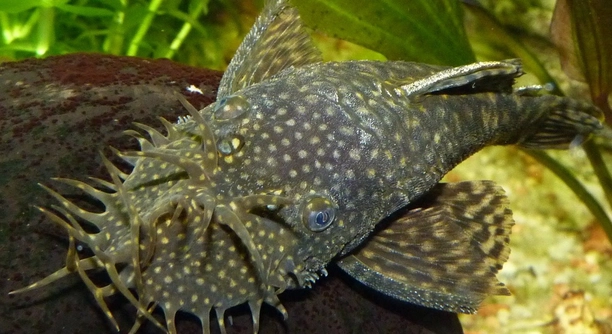
Have you ever watched your bristlenose pleco glide along the glass and wondered if it truly knows its surroundings? These small algae eaters spend most of their time hidden, yet seem familiar with every nook of the tank. Observing them can be quietly fascinating, as they move with a steady and deliberate rhythm across rocks and decorations. Their behavior often sparks questions about memory and recognition, making them intriguing companions for any aquarium enthusiast. Understanding how these fish interact with their environment may reveal more than just feeding habits or resting spots.
Bristlenose plecos are capable of recognizing their tank environment. Research indicates that they use visual and spatial cues to navigate, remember hiding spots, and interact with objects. Familiarity with their surroundings reduces stress and improves overall well-being.
Recognizing these patterns can change the way you arrange your tank and interact with your fish. Small adjustments can enhance comfort and encourage more natural behavior from your pleco companions.
How Bristlenose Plecos Navigate Their Tanks
Bristlenose plecos use a combination of sight, memory, and touch to understand their environment. They often explore slowly, tracing the edges of the tank or gliding over decorations to memorize the layout. Rocks, caves, and plants serve as key landmarks that help them feel secure. Over time, they learn the best hiding spots and favorite feeding areas, which reduces stress and encourages natural behavior. Observation shows they can return to the same location repeatedly, indicating a strong spatial memory. Plecos also use their sense of touch through their fins and barbels to map surfaces. Changes in the tank, like moving rocks or decorations, can temporarily confuse them, but most adapt quickly. Consistent placement of objects provides stability, helping the fish feel at ease. This recognition of space plays a role not just in comfort, but also in feeding efficiency and overall activity levels.
Familiar layouts improve plecos’ confidence, allowing them to explore without fear and interact more naturally with their surroundings.
Bristlenose plecos develop routines within their tank. They often choose the same spots for resting and grazing on algae. Understanding these patterns helps keep them healthy. Observing their behavior closely allows you to notice subtle changes, which can indicate health or stress levels. Their ability to remember their environment emphasizes the importance of stable tank conditions and careful planning of decorations.
Signs Your Pleco Recognizes Its Tank
Plecos that know their surroundings will move confidently around the tank, showing less hesitation near new objects.
When a bristlenose pleco consistently returns to certain spots, it indicates spatial memory. They may follow the same path while exploring, and often approach familiar feeding areas quickly. Sudden changes can temporarily disrupt this routine, but plecos generally adapt and resume their habits. Recognition also shows in their interactions with hiding places. Fish that feel secure will use shelters appropriately and avoid unnecessary stress. By paying attention to movement patterns, placement preferences, and feeding behavior, you can gauge how well your pleco knows its tank. Understanding this recognition helps in creating an environment that supports mental and physical health. Regularly observing your pleco’s habits allows adjustments that enhance comfort and safety. Well-placed decorations, stable water conditions, and consistent feeding schedules strengthen familiarity. Over time, these factors lead to a confident, content fish that navigates its environment efficiently and engages with its surroundings in a natural manner.
Factors That Affect Tank Recognition
Tank layout changes can confuse plecos temporarily. Decorations, hiding spots, and plants serve as visual and tactile cues. Sudden movement or removal of objects may cause hesitation or stress, while stable setups encourage confidence and routine.
Consistent water conditions also play a role. Plecos are sensitive to temperature, pH, and cleanliness. When these factors remain steady, fish feel secure and navigate the tank more easily. Even small fluctuations in water quality can alter behavior, making exploration slower or less confident. Combining stable water parameters with predictable tank arrangements improves recognition and promotes natural activity. Observing these interactions helps you understand your pleco’s comfort level and adapt the environment accordingly.
Feeding habits influence recognition as well. Plecos remember where food usually appears and time routines, often moving toward feeding areas predictably. Introducing new feeding spots slowly allows them to adapt without stress. Regular observation ensures changes support natural behavior and mental stimulation.
Enhancing Your Pleco’s Comfort
Providing multiple hiding spots reduces stress and increases confidence. Fish feel safer knowing they can retreat when needed.
Using varied textures and surfaces supports navigation. Rocks, driftwood, and plants offer tactile feedback that helps plecos map their tank. Consistent placement of these items reinforces memory, while gradual changes allow adaptation. Over time, fish become comfortable exploring more openly, showing curiosity while still using familiar areas. Adding natural surfaces encourages grazing and interaction, keeping them mentally engaged. Adjusting tank lighting can also influence activity, as dimmer areas feel safer. Monitoring your pleco’s behavior ensures the environment matches their needs, supporting overall health. A stable setup with gradual enhancements encourages confident movement, feeding efficiency, and natural habits within the aquarium space.
Common Mistakes That Affect Recognition
Moving decorations too often can disorient plecos. Sudden changes make it harder for them to navigate and remember hiding spots. Keeping objects consistent helps fish feel secure and encourages natural behavior.
Overcrowding the tank can also hinder recognition. Too many fish or obstacles create stress and reduce the pleco’s ability to explore freely.
How Plecos Use Senses to Navigate
Bristlenose plecos rely on touch, sight, and smell to understand their environment. Their barbels help detect surfaces and nearby objects, while vision aids in recognizing shapes and light patterns. They also use chemical cues in the water to locate food or avoid threats. Combining these senses allows plecos to map their tank efficiently. Repetition and routine strengthen memory, helping them move confidently between favorite spots. Understanding these sensory cues is key to providing an environment that supports natural behavior, reduces stress, and encourages exploration.
Observing Changes in Behavior
Noticeable hesitation or repeated hiding may signal stress. Changes in movement often indicate how comfortable plecos feel in their tank.
FAQ
Can bristlenose plecos recognize their owners?
Bristlenose plecos may not recognize people the way dogs or cats do, but they can associate regular feeding with certain individuals. Over time, they learn to respond to movement near the tank or feeding routines. This recognition is mostly based on habit and environmental cues rather than personal familiarity. Plecos often swim closer when they sense food or see repeated actions, showing a type of conditioned response. They are cautious by nature, so their acknowledgment of an owner is subtle, usually in the form of approaching the tank without fear or hesitation during feeding times.
How long does it take for plecos to learn their tank layout?
Plecos start learning their surroundings almost immediately, but complete familiarity can take several weeks. Younger fish may adapt faster due to their exploratory nature, while older fish rely more on established habits. Consistent placement of rocks, caves, and plants accelerates the learning process. Stability in water parameters also helps them feel safe and navigate efficiently. Observing repeated routes and favorite spots is a good way to gauge their level of recognition.
Do plecos remember hiding spots if I move decorations?
Moving decorations can confuse plecos temporarily, as they rely on spatial memory and tactile feedback from objects. They may explore cautiously until they adapt to the new layout. Gradual rearrangements help them adjust without stress, but sudden changes can cause hesitation or longer periods of hiding. Once they explore the new setup, they will often resume previous routines using the updated hiding spots. Repetition and consistent placement after the move reinforce their memory.
Can tank size affect recognition?
Yes, tank size plays a role. In larger tanks, plecos may take longer to learn every corner, but they still use landmarks and hiding spots to navigate. Smaller tanks allow quicker recognition due to shorter distances and fewer obstacles. Regardless of size, consistency in layout and clear pathways improves their confidence and ability to remember locations.
Do plecos react differently to new fish in the tank?
Introducing new fish can temporarily alter behavior. Plecos may hide more or explore less until they feel secure again. Their recognition of the tank remains, but stress levels increase with new additions. Keeping a stable environment and gradually introducing new fish helps plecos maintain comfort and continue normal navigation.
How do plecos respond to lighting changes?
Plecos are nocturnal and prefer dim or shaded areas. Bright light may make them hide more and reduce activity. Familiar lighting conditions help them move confidently and use known hiding spots. Using adjustable lighting can allow them to explore safely without causing stress.
Do plecos get confused by ornaments with similar shapes?
Yes, plecos can sometimes take longer to recognize objects that look similar. They rely on a combination of touch, sight, and spatial memory. Unique textures and distinct shapes are easier for them to identify, which helps reduce stress and makes navigation smoother. Over time, they learn subtle differences between items, improving recognition.
Is it normal for plecos to revisit the same paths?
Yes, this is normal and shows recognition. Repeated routes indicate that the fish has memorized the layout and feels secure. Revisiting familiar spots also supports feeding habits and helps them feel safe while exploring. These patterns are a sign of confidence in their tank environment.
Can plecos learn when feeding times occur?
Plecos are good at recognizing routines. They can anticipate feeding times based on environmental cues like light or sound patterns. Over time, they respond quickly when feeding is about to happen, showing that they remember both timing and location. This learned behavior highlights their ability to adapt to consistent schedules.
Do plecos notice when decorations are removed?
Plecos notice changes and may temporarily hide or explore cautiously. Removing objects can disrupt their sense of security, especially if those items were used as landmarks. They usually adapt after exploring the new layout, but stability in decoration placement promotes better comfort and confidence.
Can plecos get stressed if their tank changes too often?
Frequent changes in layout, water conditions, or lighting can cause stress. Stress may lead to hiding, reduced feeding, or unusual swimming patterns. Plecos need stable conditions and gradual adjustments to feel safe. Observing behavior after changes helps ensure they are adapting without long-term effects.
Do plecos remember multiple hiding spots?
Yes, plecos can remember several hiding spots and choose based on comfort or need. They often have favorite shelters but will use others when one becomes occupied or less safe. This memory improves with consistent placement and repeated use, giving them flexibility while maintaining confidence.
How important is water quality for recognition?
Water quality is crucial. Stable temperature, pH, and cleanliness help plecos feel secure, which directly affects their ability to navigate and remember locations. Poor water conditions increase stress and make them less likely to explore or use known hiding spots. Consistent care strengthens their familiarity with the tank.
Do plecos recognize food locations?
Yes, plecos quickly learn where food is placed and return to those spots regularly. This recognition is enhanced by consistency in feeding routines. They may explore surrounding areas, but they usually prioritize known feeding locations, showing their ability to remember important parts of their environment.
Can plecos adapt to new tank layouts?
Plecos adapt to new layouts with time and gradual changes. Their memory of old arrangements helps them adjust, but sudden alterations can cause confusion. Reintroducing landmarks and familiar hiding spots accelerates adaptation. Over time, they resume normal routines and confidently navigate the modified environment.
Final Thoughts
Bristlenose plecos are more aware of their surroundings than many people realize. They rely on a combination of sight, touch, and memory to navigate their tanks and remember important locations. Rocks, plants, and hiding spots are not just decorations for them—they act as landmarks that help plecos feel secure. Observing them over time shows that they develop routines and habits that reflect familiarity with their environment. Recognizing feeding areas, preferred resting spots, and familiar paths demonstrates a level of spatial awareness that is often underestimated. Providing a consistent and thoughtfully arranged tank allows plecos to explore confidently and reduces stress, leading to healthier and more natural behavior.
Changes to the tank should be handled carefully to maintain this sense of security. Sudden movements of decorations or frequent rearrangements can confuse plecos temporarily, but they can adapt with patience. Gradual adjustments give them time to explore new layouts without stress, while keeping some familiar landmarks ensures they always have reference points. Water conditions also play a key role in their comfort. Stable temperature, pH, and cleanliness help plecos feel secure, while fluctuations can make them hesitant and less active. A stable environment combined with consistent feeding routines encourages recognition of the tank and builds confidence in daily activities. Watching their movement and behavior closely can provide insight into their level of comfort and help identify areas where small improvements could make a big difference in their overall well-being.
Ultimately, understanding that bristlenose plecos can recognize their tank helps in creating an environment that supports both their physical and mental health. Their behavior is shaped by both routine and environment, making consistent care and careful observation important. Offering multiple hiding spots, maintaining clean water, and arranging decorations thoughtfully encourages natural exploration and reduces stress. Feeding schedules, familiar paths, and gradual changes strengthen their memory of the tank, which in turn improves their overall quality of life. Paying attention to these details allows plecos to develop confidence and comfort within their aquarium, making them more active, less anxious, and easier to observe. Providing a supportive and stable environment ensures that plecos can thrive and demonstrates that even small, thoughtful actions can have a significant impact on their day-to-day behavior. By keeping these factors in mind, you can help your bristlenose pleco feel secure, content, and fully adapted to its home.

Hello,
If you enjoy the content that we create, please consider saying a "Thank You!" by leaving a tip.
Every little bit helps us continue crafting quality advice that supports the health, happiness, and well-being of pets around the world, for pets of all shapes, sizes, and species.
We really appreciate the kindness and support that you show us!