
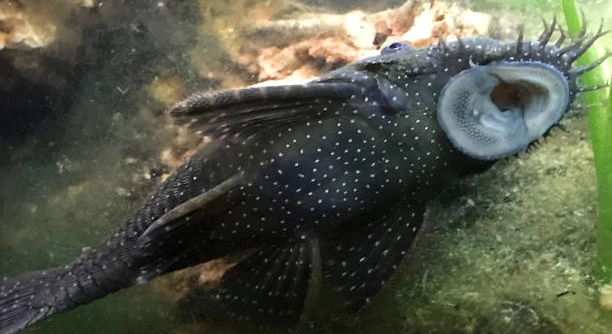
Do you ever notice your pleco acting in ways that seem strange or even a little silly? Many of these behaviors can be confusing for new fish owners but are actually perfectly normal. Watching them can be oddly entertaining.
Plecos display a variety of unusual behaviors that are completely natural. From clinging upside down on surfaces to producing large amounts of slime, these habits serve purposes like protection, feeding, and communication within their environment, ensuring survival and wellbeing.
Learning more about these quirks can help you better understand your pleco’s daily routines and support its overall health in your aquarium.
Hiding in Plain Sight
Plecos often spend a lot of time tucked away behind decorations or inside caves in the tank. This behavior can seem odd, especially if they are very active at night but nearly invisible during the day. Hiding helps them feel safe and reduces stress. In their natural environment, plecos use crevices and plants to avoid predators. Even in a home aquarium, they maintain this instinct. It’s common to see them suddenly dart out for food and then return to their hiding spots. Observing these small bursts of activity can be rewarding because it shows they are comfortable and secure in their environment. Owners may worry that their fish is sick or unhappy, but frequent hiding is typically normal. Providing plenty of shaded areas and caves supports their wellbeing. Watching them settle into their favorite spots can make you appreciate their careful and cautious nature, which is part of their charm.
These hiding habits are a sign of a healthy, stress-free pleco. They feel protected and relaxed in their tank environment.
Ensuring your tank has various hiding spaces, like driftwood or ceramic caves, can make a significant difference in your pleco’s behavior. Plecos often pick a favorite spot and return to it repeatedly. This behavior indicates they feel safe, and they might even adjust their location depending on tank activity. A tank without enough hiding places can increase stress and affect feeding habits. Observing where your pleco prefers to hide can also guide placement of new decorations, making the tank both functional and visually appealing. Over time, you’ll notice patterns in their movements and resting spots, which can help in understanding their moods. Hiding is not a sign of illness but a natural instinct that improves their quality of life.
Nighttime Grazing
Plecos are more active during nighttime hours and often graze quietly along the tank surfaces while others sleep.
At night, plecos feed on algae, leftover food, and plant matter. This behavior is instinctual and keeps them nourished. Observing their nighttime grazing shows they are healthy and maintaining their natural feeding patterns.
Providing a balanced diet, including algae wafers or fresh vegetables, supports these nocturnal habits. Low light or a dimly lit tank encourages natural grazing without stress. Plecos tend to move slowly along surfaces, scraping gently with their mouths. This movement cleans surfaces and allows them to explore their environment safely. Even in well-fed tanks, nighttime grazing continues because it satisfies instincts and provides mental stimulation. Some plecos may even interact with other fish while feeding, showing social behaviors unique to their species. Understanding these patterns helps owners ensure that their fish are thriving and exhibiting normal, healthy activity. Adjusting feeding times or adding extra food at night can support these behaviors, making the aquarium more enjoyable to watch. Consistent observation also helps in detecting unusual changes in activity, which could signal health issues.
Sucking on Surfaces
Plecos spend a lot of time clinging to glass, rocks, and driftwood. This suction behavior helps them feed and explore their surroundings without expending much energy. It is completely normal and a sign of healthy activity.
Suction allows plecos to scrape algae and biofilm from surfaces efficiently. Their mouths are specially adapted for this task, creating a strong vacuum that keeps them attached even in strong currents. Watching them slowly move along the tank surfaces while scraping can be fascinating. It’s a natural feeding method that supports both their nutrition and tank cleanliness. They may pause frequently, seemingly motionless, but they are still engaged in gathering food. This behavior is instinctual and essential for their wellbeing.
Some plecos may even climb or attach to decorations while maintaining suction. This helps them rest safely, stay stable, and avoid unnecessary movement. Observing these moments provides insight into their careful and calculated actions, which are part of their normal habits.
Producing Slime
Plecos secrete slime as a protective measure against injury and disease. This layer keeps their skin healthy and shields them from bacteria.
The slime coat also plays a role in communication and stress reduction. When plecos rub against surfaces, they spread this protective layer, keeping their bodies in optimal condition. Environmental changes or handling can temporarily increase slime production, which is normal. A healthy pleco will maintain a consistent slime coat, though it may appear thicker during molting or minor scrapes. The secretion is essential for their immune function and overall health, and it should not be a cause for alarm if noticed in moderation.
Regular tank maintenance supports proper slime production by reducing harmful bacteria and debris. High-quality water, stable temperature, and low stress levels help plecos maintain their protective layer naturally. Observing how they use slime can also reveal their interactions with the environment, as they often rub against smooth or rough surfaces intentionally. This behavior is part of a natural care routine, keeping them protected and comfortable. It also reflects a well-adapted fish that knows how to maintain its health without external interference.
Resting Upside Down
Plecos sometimes rest upside down on driftwood or tank surfaces. This unusual position is normal and helps them access food or remain hidden from perceived threats.
Upside-down resting is part of their natural behavior. It allows plecos to conserve energy while keeping an eye on their surroundings.
Gnawing on Wood
Many plecos chew on driftwood regularly. This behavior provides fiber, helps wear down teeth, and supports digestive health. Wood is a natural part of their diet and encourages mental stimulation while maintaining healthy oral structure.
Tail Flicking
Tail flicking occurs when plecos move their tails quickly while stationary. This can signal minor irritation, communication, or adjustments to their position in the water.
FAQ
Why does my pleco hide all the time?
Hiding is a natural behavior for plecos. They feel safer in enclosed spaces and reduce stress by staying out of sight during the day. Providing caves, driftwood, or other hiding spots supports their instinct to retreat and makes them feel secure.
Is it normal for plecos to be active at night?
Yes, plecos are nocturnal. Most of their feeding and exploration happens during nighttime hours. Their natural pattern includes resting during the day and becoming more active once lights are dimmed or off. Night activity is a sign they are healthy and following normal rhythms.
Why does my pleco attach to the glass so often?
Attaching to surfaces is how plecos feed and move efficiently. Their mouths are designed to create suction, allowing them to scrape algae or biofilm while conserving energy. This behavior also helps them stay stable in flowing water.
What is the slime my pleco produces?
Slime is a protective layer that keeps plecos safe from injury and infection. It can also help reduce stress and maintain skin health. Rubbing against surfaces helps spread the slime, which is a normal and beneficial behavior.
Why does my pleco rest upside down sometimes?
Resting upside down is common and allows plecos to access food, stay hidden, or conserve energy. It may look strange, but it’s part of their natural behavior and doesn’t indicate illness.
Is gnawing on driftwood safe for plecos?
Yes, chewing on wood provides fiber and helps wear down teeth, which grow continuously. Driftwood also aids digestion and gives mental stimulation, making it an essential part of their tank environment.
Why does my pleco flick its tail?
Tail flicking can indicate minor irritation, communication, or repositioning in the water. Occasional flicks are normal, but excessive flicking may suggest water quality issues or stress. Observing the context of the behavior helps determine if intervention is needed.
Do plecos need specific foods besides algae?
While algae is a primary food source, plecos also benefit from vegetables like zucchini, cucumber, and spinach, as well as commercial algae wafers. A balanced diet ensures proper growth, health, and activity levels.
How can I tell if my pleco is healthy?
Signs of a healthy pleco include steady feeding, normal hiding and resting habits, regular slime production, and clear, intact fins. Bright eyes and smooth, firm scales are also indicators of good health. Behavioral changes may signal stress or illness.
Can plecos live with other fish?
Yes, plecos are generally peaceful but may defend their chosen hiding spots. They coexist well with non-aggressive tank mates. Providing enough space and hiding areas reduces territorial disputes and keeps tank dynamics calm.
How often should I clean the tank with a pleco?
Regular maintenance, including partial water changes and cleaning of debris, supports pleco health. They produce slime and waste that can accumulate, so consistent care keeps water quality high and prevents stress or disease.
Why does my pleco sometimes float strangely?
Occasional floating or odd positioning can be normal, especially after feeding or when resting. If it becomes frequent or accompanied by other symptoms like bloating or lethargy, it may indicate swim bladder issues or dietary problems.
Do plecos need light in the tank?
Plecos do not require bright light and prefer dim conditions. Low lighting helps mimic their natural environment and encourages normal nocturnal activity. Too much light can cause stress and reduce feeding.
How large will my pleco get?
Size depends on species, diet, and tank conditions. Common plecos can reach up to 12–24 inches in large tanks. Ensuring enough space and proper care is essential to accommodate their growth comfortably.
Can plecos damage plants?
Most plecos are safe with hardy plants, though they may nibble occasionally. Driftwood, rocks, and algae-rich surfaces help redirect chewing away from delicate plants. Providing appropriate foods reduces the risk of plant damage.
What water conditions do plecos prefer?
Plecos thrive in stable water with a temperature of 72–82°F, slightly acidic to neutral pH, and clean conditions. Regular testing and maintenance prevent stress and support overall health.
How do I know if my pleco is stressed?
Signs include constant hiding, loss of appetite, excessive slime production, rapid gill movement, or frequent tail flicking. Stress often stems from poor water quality, overcrowding, or lack of hiding spots. Correcting these factors usually improves behavior quickly.
Can plecos recognize their owners?
Plecos can respond to movement and feeding routines. While they don’t form bonds like some pets, they learn to associate owners with food and may swim toward familiar activity or presence over time.
Do plecos need a large tank?
Yes, a spacious tank is important for their growth and natural behavior. Overcrowding can cause stress and health issues. Proper tank size ensures hiding spots, grazing areas, and enough room for movement, which all contribute to wellbeing.
Why does my pleco scrape surfaces constantly?
Surface scraping is part of feeding and natural behavior. Plecos use their mouths to remove algae, biofilm, and leftover food. It also helps them maintain a clean, comfortable environment while stimulating their instincts and keeping them active.
Final Thoughts
Plecos are fascinating fish with a wide range of behaviors that can seem strange at first. From hiding in caves to clinging upside down on driftwood, each action has a reason rooted in instinct and survival. Understanding these habits helps create a calm and supportive environment for your pleco. It’s important to remember that what may appear unusual is often completely normal. Their behaviors, whether producing slime, flicking their tails, or grazing at night, are ways they interact with their surroundings and maintain their health. Observing them closely over time allows you to see patterns and better understand what makes your pleco comfortable and secure.
Providing the right environment is essential for pleco wellbeing. They thrive in tanks with plenty of hiding spots, driftwood, and areas to graze. Nighttime activity, surface suction, and wood gnawing are behaviors that indicate they feel safe and are following natural instincts. Water quality, temperature, and nutrition play a major role in supporting these behaviors. By maintaining a clean and stable tank, you reduce stress and allow your pleco to behave naturally. Balanced diets, including algae wafers, vegetables, and driftwood for fiber, contribute to proper growth and healthy habits. Watching how they use different areas of the tank can also guide you in placing decorations and plants effectively. Each pleco develops preferences for spots, surfaces, and routines, and respecting these preferences ensures they are happy.
Patience and observation are key when keeping plecos. Their unusual habits are part of their charm, showing their intelligence and adaptability. Over time, owners learn to recognize signs of stress or illness versus normal quirks. Hiding, upside-down resting, tail flicking, and slime production are all healthy behaviors that support their wellbeing. Supporting these instincts with the right tank setup and care routines allows plecos to thrive. Accepting their odd but normal behaviors creates a more enjoyable experience, giving you a chance to appreciate the unique personality of each fish. Ultimately, understanding pleco habits helps build confidence in caring for them and ensures they live a long, healthy, and stress-free life in your aquarium.

Hello,
If you enjoy the content that we create, please consider saying a "Thank You!" by leaving a tip.
Every little bit helps us continue crafting quality advice that supports the health, happiness, and well-being of pets around the world, for pets of all shapes, sizes, and species.
We really appreciate the kindness and support that you show us!