
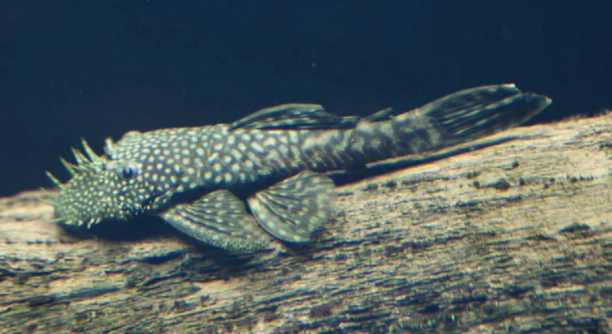
Do your bristlenose plecos sometimes seem puffed up or unusually swollen after a few weeks in your tank? Many fish owners notice bloating and wonder why their usually calm bottom-dwellers suddenly look uncomfortable.
Bloating in bristlenose plecos is commonly caused by overfeeding, constipation, poor water quality, internal parasites, infections, stress, or improper diet. Each factor can disrupt normal digestive and bodily functions, leading to fluid retention or swelling in the abdominal area.
Understanding the causes of bloating can help you take proper care of your plecos and maintain a healthy, balanced aquarium environment for them.
Overfeeding
I noticed early on that my pleco would often appear bloated after I fed him too much. Overfeeding is one of the most common reasons for swelling in bristlenose plecos. Even if they seem hungry, giving too much food can overwhelm their digestive system. Excess food that is not eaten starts to rot in the tank, impacting water quality and making digestion more difficult. Feeding should be measured, and leftovers should be removed promptly. Vegetables like zucchini or cucumber are good options but must be limited to appropriate portions. Overfeeding can lead to constipation, slow digestion, and eventually a distended belly. Watching their feeding behavior and adjusting portions accordingly helps keep their digestive system healthy and prevents unnecessary swelling.
Controlling the amount of food your pleco receives can reduce bloating and maintain overall health. Feeding small, measured portions is essential for their well-being.
Keeping a feeding schedule has made a huge difference for me. I now feed my pleco every other day with carefully measured amounts. It ensures he gets enough nutrients without putting strain on his digestive system. I also observe him during feeding to see if he actually eats everything. Leftover food is always removed to prevent decay, which can harm both the fish and the tank environment. Overfeeding not only causes bloating but can also lead to poor water conditions, promoting bacterial growth and other health issues. Adjusting diet and portions has significantly improved my pleco’s appearance and activity. I feel more confident knowing his digestive health is under control, and the tank remains cleaner and safer. Regular monitoring and portion control have made feeding a simple, stress-free part of caring for my pleco.
Poor Water Quality
Poor water conditions can make plecos more prone to bloating. Dirty or unbalanced water stresses their system and slows digestion.
Maintaining clean water with regular changes, proper filtration, and monitoring pH and ammonia levels is essential. Healthy water supports normal digestion and prevents swelling.
Keeping my pleco in a clean tank has helped him stay active and healthy. I noticed that when water became murky or ammonia levels rose, his belly would appear puffier. Cleaning the tank weekly, checking filters, and testing water parameters regularly has been a game-changer. Stress from poor water conditions affects metabolism and weakens immunity, making them more susceptible to bloating. I also realized that different vegetables decompose at varying speeds, and leaving them too long worsened water quality. Now, I remove uneaten food promptly and make sure the tank environment stays stable. Proper water management keeps digestion smooth, reduces abdominal swelling, and ensures my pleco stays comfortable and lively in his tank. Regular observation helps me notice subtle changes before they become serious.
Constipation
Constipation often causes bloating in bristlenose plecos. A lack of fiber or too much dry food can slow digestion, leading to a swollen belly and discomfort.
I realized my pleco was constipated when his movements slowed, and he spent more time hiding. Offering high-fiber foods like blanched zucchini, cucumber, or occasional shelled peas helped stimulate his digestive system. I also reduced pellets and switched to smaller, easier-to-digest portions. Observing his droppings became a key part of monitoring health. Regularly providing fiber-rich vegetables has prevented recurring constipation and kept his belly looking normal. Small changes in diet had a noticeable impact.
Over time, I also noticed that constipation is worsened when water quality isn’t ideal. Clean, well-filtered water aids digestion and helps prevent bloating. Maintaining a consistent feeding schedule, removing leftover food, and offering fiber ensures my pleco stays healthy. Watching him swim actively and digest properly gives me confidence that he isn’t stressed or uncomfortable, and I no longer worry about sudden swelling caused by simple dietary issues.
Internal Parasites
Internal parasites can cause swelling and bloating in plecos, especially if symptoms appear gradually over weeks. Detecting them early is important to prevent serious health problems.
I noticed my pleco’s belly looked unusually round despite proper feeding and clean water. A vet confirmed intestinal parasites, and treatment with medication reduced the swelling. I carefully followed the dosage and duration instructions to ensure the parasites were eliminated. Observing his behavior and droppings during treatment was essential, as parasites can disrupt digestion and nutrient absorption. After treatment, he regained his usual activity levels, and the bloating resolved gradually.
Since parasites can spread in a tank, I also made sure to quarantine any new fish before adding them to the aquarium. Maintaining strict hygiene and monitoring water quality reduces the risk of re-infestation. Feeding balanced diets supports immune function, making my pleco less susceptible to parasites. I now check his belly shape regularly and monitor for sudden changes, ensuring quick action if swelling returns. This routine has helped me keep him healthy and comfortable.
Infections
Bacterial or fungal infections can lead to swelling in bristlenose plecos. Redness, unusual spots, or lethargy often appear alongside bloating, signaling a health issue that needs attention.
I treated a mild infection with antibacterial medication after noticing slight redness around his belly. The swelling gradually decreased, and he returned to normal activity levels within days.
Stress
Stress can cause digestive issues and bloating in plecos. Sudden changes in water conditions, overcrowding, or aggressive tankmates disrupt their comfort, leading to physical symptoms like swelling. Maintaining a stable environment and observing behavior helps reduce stress-related bloating.
Improper Diet
A diet lacking variety or essential nutrients can lead to bloating. Relying solely on pellets or skipping vegetables reduces digestive efficiency. Providing a balanced mix of vegetables, algae wafers, and occasional protein helps maintain healthy digestion and prevents swelling.
Overcrowding
Too many fish in the tank can cause stress, poor water quality, and limited food access. Overcrowding disrupts normal digestion, increases the risk of disease, and contributes to bloating in plecos.
How can I tell if my bristlenose pleco is bloated?
Bloating in plecos is usually visible as a swollen or round belly that appears firm to the touch. They may move slower than usual, hide more often, or have difficulty swimming normally. Observing changes in behavior and body shape over several days can help confirm bloating.
What is the safest way to treat bloating caused by overfeeding?
The best approach is to reduce portion sizes and feed smaller amounts more frequently. Remove uneaten food promptly and offer high-fiber vegetables like zucchini or cucumber to aid digestion. Maintaining a consistent feeding schedule prevents future bloating and supports overall health.
Can water quality really cause swelling?
Yes. Poor water quality increases stress and slows digestion. Ammonia, nitrite, or nitrate spikes can irritate the digestive system, causing bloating. Regular water changes, proper filtration, and consistent testing of pH and ammonia levels are essential for preventing swelling.
Are internal parasites common in plecos?
Internal parasites are fairly common, especially in newly acquired fish or those from less reputable sources. Signs include a swollen belly, lethargy, and unusual droppings. Treating with appropriate medication under guidance and quarantining new fish can reduce the risk of infestation.
How can I prevent constipation in my pleco?
A varied diet with fiber-rich vegetables is key. Avoid overfeeding dry pellets, and include occasional blanched peas or zucchini. Monitoring droppings helps track digestion. Consistent feeding schedules and clean water further support healthy bowel function.
Can stress actually make my pleco bloat?
Yes, stress slows digestion and impacts metabolism, often resulting in a swollen belly. Stressors include sudden water changes, aggressive tankmates, or overcrowding. Reducing stress by stabilizing the tank environment and providing hiding spots can prevent bloating and improve overall well-being.
How long does it take for bloating to improve?
The timeline depends on the cause. For overfeeding or constipation, improvement can be seen in a few days with dietary adjustments. Infections or parasites may take weeks of treatment. Regular monitoring ensures the problem is resolving and prevents recurrence.
Are there foods I should avoid to prevent bloating?
Yes. Avoid overfeeding dry pellets and foods high in starch. Excess uneaten food left in the tank can rot, worsening water quality and digestion. Stick to a balanced mix of vegetables, algae wafers, and occasional protein for proper nutrition.
Can multiple causes occur at the same time?
Absolutely. Overfeeding, poor water quality, and stress can combine, increasing the likelihood of bloating. Addressing each factor together—diet, water maintenance, and stress reduction—usually resolves swelling more effectively than tackling a single issue.
When should I consult a vet?
Consult a vet if bloating persists despite proper diet and water care, or if your pleco shows additional symptoms like lethargy, unusual spots, or rapid weight changes. Early intervention ensures serious health issues are treated promptly.
Is quarantine necessary for new fish to prevent bloating?
Yes, quarantining new fish helps prevent the spread of parasites or infections. A 2–4 week quarantine allows observation for swelling, abnormal behavior, or disease before introducing them to the main tank. This reduces the risk of bloating in your existing plecos.
How often should I monitor my pleco for bloating?
Daily observation is ideal. Watching their movements, appetite, and belly shape helps detect swelling early. Quick action prevents minor issues from becoming serious, ensuring your pleco remains active and healthy.
Does tank size affect bloating?
Smaller tanks can increase stress, reduce oxygen levels, and worsen water quality, all contributing to bloating. Providing adequate space and proper filtration ensures plecos have enough room to swim comfortably and maintain normal digestion.
Are there any natural remedies for bloating?
Natural remedies mainly involve dietary adjustments and clean water. Feeding high-fiber vegetables and reducing dry food portions are effective. Avoid over-the-counter medications unless prescribed, as improper use can harm your pleco instead of helping.
Can bloating return after treatment?
Yes, if the underlying cause isn’t corrected. Overfeeding, poor water quality, stress, or parasites can cause bloating to reappear. Consistent care, monitoring, and preventive measures are key to long-term health and reducing recurrence.
How can I make feeding more effective to prevent bloating?
Feed smaller amounts more frequently, remove leftovers, and include fiber-rich vegetables. Observing consumption ensures food is eaten promptly. This helps digestion, prevents constipation, and reduces the risk of swelling over time.
What are the long-term risks if bloating isn’t addressed?
Untreated bloating can lead to organ damage, infections, or weakened immunity. Chronic swelling stresses the pleco and can shorten lifespan. Early intervention and consistent care are crucial for maintaining health and preventing severe complications.
Can tankmates influence bloating?
Yes, aggressive or competitive tankmates can stress plecos, slowing digestion and leading to swelling. Providing hiding spots and monitoring interactions reduces stress and prevents bloating caused by social dynamics within the tank.
Is it possible for bloating to be harmless?
Minor bloating from occasional overfeeding may be temporary, but repeated swelling indicates an underlying problem. Monitoring patterns helps distinguish harmless cases from issues requiring intervention. Preventive measures ensure temporary bloating doesn’t become serious.
How do I balance diet, water, and stress management together?
Feed measured portions with vegetables, maintain clean, filtered water, and minimize stress through stable tank conditions. Combining these practices consistently ensures proper digestion, prevents bloating, and keeps plecos healthy and active.
This FAQ section addresses the most common concerns about bristlenose pleco bloating and provides practical, hands-on advice based on observation and experience. Proper care and attention make a noticeable difference in reducing swelling and keeping your pleco comfortable.
Bloating in bristlenose plecos is a common problem that many fish owners face. It can happen for different reasons, such as overfeeding, constipation, poor water quality, stress, or infections. Each cause affects the fish in its own way, but all lead to discomfort and changes in behavior. I have learned that careful observation and consistent care are key to preventing and managing bloating. Paying attention to the fish’s belly shape, appetite, and movement gives early signs of trouble before it becomes serious. Even small changes, like reducing food portions or cleaning the tank more often, can make a big difference in keeping your pleco healthy.
Maintaining a balanced diet is one of the most effective ways to prevent swelling. Plecos need a variety of foods, including algae wafers, vegetables like zucchini or cucumber, and occasional protein. Overfeeding or feeding too many dry pellets can easily lead to bloating. Including high-fiber vegetables helps digestion and prevents constipation, which is a common cause of swelling. I found that following a regular feeding schedule and removing uneaten food promptly not only keeps the pleco’s belly normal but also improves water quality. A healthy tank environment with clean, filtered water reduces stress and supports digestion, making bloating less likely. Regular monitoring of water parameters, such as ammonia, nitrite, nitrate, and pH, ensures a safe and comfortable habitat for the fish.
Stress and tank conditions also play a significant role in bloating. Overcrowding, aggressive tankmates, or sudden changes in water conditions can affect a pleco’s metabolism and cause swelling. Providing hiding spots, maintaining stable water temperature, and avoiding sudden disruptions help reduce stress. Internal parasites and infections can also contribute to bloating, and these require careful treatment. Observing behavior, checking droppings, and isolating new fish before adding them to the main tank are helpful preventive measures. Overall, bloating is usually manageable with proper care, attention to diet, and clean water. Consistent effort and careful observation can keep your bristlenose pleco healthy, active, and comfortable for a long time.

Hello,
If you enjoy the content that we create, please consider saying a "Thank You!" by leaving a tip.
Every little bit helps us continue crafting quality advice that supports the health, happiness, and well-being of pets around the world, for pets of all shapes, sizes, and species.
We really appreciate the kindness and support that you show us!