
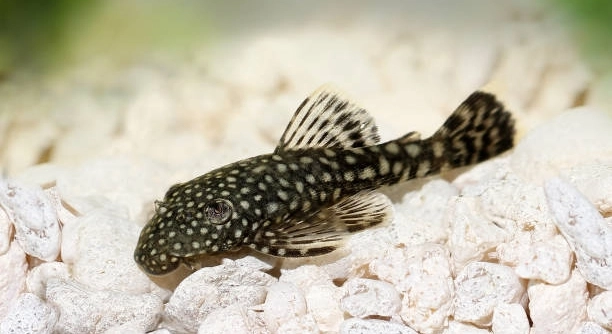
Do you ever notice your bristlenose pleco resting quietly at the bottom of your tank and wonder how it sleeps? These small, armored fish have unique behaviors that can make observing them both fascinating and puzzling.
Bristlenose plecos do not normally sleep upside down. They rest with their bellies against surfaces, using their sucker mouths to attach securely. Occasional floating or tilted positions may occur due to water currents or health issues, not typical sleeping behavior.
Learning how they rest can improve your understanding of their well-being and help you provide a more comfortable environment in your aquarium.
Understanding Bristlenose Pleco Sleeping Habits
Bristlenose plecos are nocturnal fish, which means they are more active at night and prefer to rest during the day. I noticed that in my own tank, they find quiet corners or cling to smooth surfaces like driftwood or aquarium walls to rest. Unlike other fish that may hover mid-water, plecos typically remain firmly attached to surfaces using their sucker mouths. Their sleeping positions can vary slightly depending on water flow, tank decorations, or substrate type, but they rarely invert completely. Observing them over time helps identify normal behavior and potential stress signs. These fish also prefer dim lighting while resting, which mimics natural conditions in rivers with overhanging plants and shaded areas. Providing hiding spots or caves encourages natural resting habits and reduces stress. Their rest is important for maintaining energy for feeding and overall health. Consistency in tank setup often leads to more predictable sleep patterns, making it easier to monitor well-being.
Understanding these patterns can make aquarium care smoother and reduce unnecessary worry about unusual positions.
Bristlenose plecos tend to adjust their resting posture subtly, shifting slightly against surfaces or curling their tails around decorations. This flexibility helps them remain stable in flowing water, avoiding dislodgement or collisions with tank elements. Watching them settle slowly gives a reassuring sense of their natural behavior.
Signs of Resting or Sleeping
Recognizing when plecos are sleeping is straightforward with careful observation.
They may remain motionless for hours, often attaching to surfaces and appearing less responsive to minor movements nearby. During sleep, their gill movement slows slightly, and fins may relax but stay partially extended to maintain balance. Some plecos tuck themselves into caves or under driftwood to feel secure. They rarely respond quickly unless strongly disturbed, which differs from their alert nighttime activity. Understanding these subtle signs ensures you can distinguish normal rest from stress or illness, especially if the fish floats unusually or shows erratic swimming during daytime hours. Proper lighting, tank organization, and water conditions all contribute to healthy resting behavior, which is vital for their long-term growth and vitality.
Providing the right environment can enhance sleep quality and prevent stress-related issues. A combination of hiding spots, gentle water flow, and consistent light cycles creates a stable routine for bristlenose plecos. Observing them consistently over time allows identification of subtle changes, such as shifts in resting location or posture, which may indicate health concerns. Feeding schedules also influence their resting patterns, as plecos often settle after meals and return to nocturnal activity later. Tank mates play a role as well; overly aggressive fish can disturb plecos, causing them to seek refuge in less exposed areas. Keeping track of these details ensures the fish remain comfortable, secure, and active at appropriate times. Overall, understanding these behavioral cues helps maintain a harmonious tank environment, reduces stress, and supports natural sleep behaviors, making care easier and more rewarding.
Common Sleeping Spots
Bristlenose plecos often choose hiding places like caves, driftwood, or under plants. These spots give them security and reduce stress. In my tank, they usually attach to the underside of decorations or cling to smooth surfaces, resting quietly without moving much during the day.
They prefer surfaces where they can use their sucker mouths to stay stable. Flat rocks, driftwood, or aquarium glass work well, especially if the water flow is gentle. I noticed that plecos rarely sleep in open areas unless they feel completely safe. Providing multiple resting spots encourages natural behavior and reduces competition, particularly in tanks with multiple plecos or active fish species. A comfortable resting environment helps them recover energy efficiently and maintain healthy feeding patterns.
Observing their chosen spots over time shows consistent preferences. Some plecos favor horizontal surfaces, while others tuck into corners or beneath decorations. These choices are influenced by light, tank activity, and water current. Giving variety in resting areas ensures plecos can choose the spot that feels safest. Watching them settle into these spots can be surprisingly calming, as their slow, deliberate movements signal comfort and stability. Adjusting the tank layout slightly can also encourage more natural resting positions without disturbing them.
Factors Affecting Sleep Quality
Lighting, water flow, and tankmates all influence pleco sleep. Strong light or fast currents can make them restless or force them to cling tightly.
Bristlenose plecos are sensitive to bright lighting, as it mimics daytime in shallow rivers. I keep dim lighting during their resting hours to encourage proper sleep. Water flow also matters; too strong a current can prevent stable resting positions, while gentle flow allows plecos to relax naturally. Tankmates can disrupt sleep, especially active or aggressive fish that swim near hiding spots. Noise or frequent movement around the tank can cause brief disturbances but usually doesn’t affect long-term sleep if the environment remains consistent. A calm, stable tank with proper hiding places is key to healthy rest and energy conservation.
Maintaining stable water conditions supports natural behavior and sleep patterns. Temperature, pH, and cleanliness all affect pleco comfort. Fluctuating conditions can make them cling tightly to surfaces or move more than usual, which reduces restful periods. Feeding schedules also impact sleep; providing food at the right times prevents hunger-related restlessness. Observing how plecos adjust to their surroundings helps identify areas for improvement, such as adding more hiding spots or reducing strong currents. Ensuring minimal stress from tankmates, lighting, and water parameters allows them to sleep securely, promoting overall health and reducing signs of fatigue or unusual behavior.
Unusual Sleeping Positions
Occasionally, bristlenose plecos may rest at odd angles or slightly tilted. In my experience, this happens mostly near water flow or when surfaces are limited. It’s not a sign of illness but rather an adaptation to the environment.
Some plecos may even rest partially vertical against tank walls. This helps them maintain stability while conserving energy. As long as they return to normal resting positions regularly, these occasional angles are harmless and simply reflect their flexibility.
Impact of Tank Size
Larger tanks give plecos more options for resting spots. They can spread out and find quieter areas away from active fish, which improves sleep quality and reduces stress.
When the tank is small, plecos may compete for surfaces or hide in less comfortable spots. I noticed that adding extra driftwood and rocks helps even in medium-sized tanks. It gives each pleco space to rest without being disturbed. Proper layout with varied surfaces encourages natural behavior, reduces tension among tankmates, and allows plecos to rest securely throughout the day.
Monitoring Behavior
Regular observation helps identify changes in sleep patterns. Plecos that suddenly float or stop clinging may need attention.
FAQ
Do bristlenose plecos ever sleep upside down?
Bristlenose plecos rarely sleep completely upside down. In most cases, they rest with their bellies against surfaces like driftwood, rocks, or aquarium walls. Sometimes, they may tilt slightly or float at an angle due to water flow or tank layout, but consistent upside-down sleeping is unusual and may signal stress or health issues. In my own tank, I noticed small tilts when currents were strong, but they always returned to normal positions quickly.
How long do bristlenose plecos sleep each day?
These fish are primarily nocturnal, resting most of the day and becoming active at night. Typically, they sleep between 12 and 16 hours depending on lighting, water temperature, and activity level in the tank. In dimly lit aquariums, they often rest longer, while strong lighting or disturbances may reduce rest periods. I found that providing multiple hiding spots allows them to sleep more securely without being disturbed by tankmates.
What signs indicate a pleco is sleeping versus being sick?
A sleeping pleco remains attached to surfaces, shows slow gill movement, and may partially relax fins. A sick pleco may float unusually, gasp at the surface, or fail to cling properly. I once observed a pleco floating at odd angles and realized low oxygen levels were causing stress. Monitoring gill movement and posture helps distinguish normal rest from health issues.
Can tank size affect pleco sleeping habits?
Yes, tank size plays a major role. In larger tanks, plecos have more options for resting and can avoid aggressive or active tankmates. Smaller tanks may force competition for surfaces, causing stress or unusual resting angles. Adding driftwood, caves, and smooth surfaces provides variety, allowing each fish to find a comfortable resting spot. I added extra hides in my medium tank, and all my plecos began sleeping more peacefully.
Does water flow impact how plecos rest?
Strong currents make it harder for plecos to remain stable, sometimes causing them to tilt or cling tightly. Gentle flow allows them to rest naturally. I noticed that reducing the main filter’s flow near resting spots improved their comfort, letting them settle more securely on surfaces. This also reduced accidental collisions with tank decorations.
Are plecos affected by lighting when sleeping?
Bright light can disturb plecos, reducing rest quality. Dim lighting or shaded areas encourage natural sleep behavior. I place caves or floating plants to create shadowed zones, allowing plecos to rest without being exposed. Nighttime activity is more visible when lights are off, and plecos become more confident and energetic after undisturbed daytime rest.
How can I improve sleep quality for my plecos?
Providing multiple hiding spots, controlling water flow, and maintaining stable water conditions are key. Avoid aggressive tankmates and ensure lighting mimics natural conditions. In my tank, I added a mix of driftwood, rocks, and PVC caves, adjusted filter flow, and set a gentle day-night lighting schedule. This setup allowed plecos to rest comfortably, maintain energy, and display natural behaviors.
Do plecos need soft or hard surfaces to sleep?
Plecos attach to both soft and hard surfaces, but they tend to prefer firm surfaces that allow secure suction. Driftwood, smooth rocks, and aquarium glass are ideal. I noticed my plecos rarely rest on fine gravel or sand alone unless combined with hard surfaces, as suction is harder to maintain on loose substrates.
Can feeding schedules affect pleco sleep?
Yes, plecos often rest after feeding. Feeding in the evening may shorten daytime rest, while morning or mid-day feeding supports natural nocturnal activity. I feed mine in the late afternoon, which aligns with their active hours, allowing them to rest properly during the day and feed efficiently at night.
What should I do if my pleco floats upside down frequently?
Frequent upside-down floating is not normal and may indicate swim bladder problems, infections, or water quality issues. I experienced this once due to overfeeding and slightly high nitrate levels. Testing water parameters, adjusting diet, and isolating affected fish are important steps to prevent further stress or illness.
This FAQ covers common concerns and practical tips for observing and supporting bristlenose plecos, helping ensure their resting behavior remains healthy and natural.
Final Thoughts
Bristlenose plecos are fascinating fish to observe, especially when it comes to their resting habits. Over time, I’ve learned that these fish sleep mostly during the day and prefer stable surfaces where they can attach securely with their sucker mouths. Watching them settle into driftwood, rocks, or the corners of the tank is surprisingly calming. Their sleep is quiet and slow, and they rarely move unless disturbed. Unlike some other fish, they do not normally sleep upside down, and any unusual floating or tilting often signals stress, strong water currents, or health issues. Understanding these habits helps in setting up an aquarium that meets their natural needs. Providing hiding spots, controlling water flow, and creating shaded areas are small adjustments that can make a big difference in their comfort. I noticed a marked change in my plecos’ behavior once I made these adjustments—they became calmer and more consistent in their resting positions.
Observing pleco sleep over time also highlights the importance of tank conditions. Lighting, tank size, and water quality all play a role in how comfortably plecos can rest. In my experience, they prefer dim lighting during the day, which mimics the shaded areas of their natural habitat. Large tanks provide more choices for resting spots, which reduces competition and stress, while small tanks may require careful placement of decorations to ensure each fish has a secure place to sleep. Water flow is another key factor; strong currents can force plecos into awkward angles or make them cling tightly to surfaces, which is not ideal for restful sleep. Over the years, I learned that small changes, like adjusting filter output or adding more caves and driftwood, greatly improved their resting behavior. Tankmates also matter—active or aggressive fish can disturb plecos, so keeping a calm environment helps them feel safe. Observing these interactions helps identify what each pleco needs to rest properly.
Finally, sleep is a vital part of a pleco’s overall health and behavior. When they rest well, they conserve energy for feeding, growth, and exploring their environment at night. Disrupted or poor sleep can lead to stress, reduced appetite, and unusual behaviors. By understanding their natural habits and providing the right environment, plecos can thrive in captivity. I found that paying attention to their resting positions, preferred surfaces, and responses to lighting and water flow allowed me to maintain a healthier tank and happier fish. Even small changes, like rearranging decorations or adjusting light cycles, can make a significant difference in their comfort and overall well-being. Ultimately, observing and supporting their natural resting patterns is an important part of responsible care. By giving bristlenose plecos the right conditions, they can exhibit natural behaviors, rest properly, and remain active and healthy for years.

Hello,
If you enjoy the content that we create, please consider saying a "Thank You!" by leaving a tip.
Every little bit helps us continue crafting quality advice that supports the health, happiness, and well-being of pets around the world, for pets of all shapes, sizes, and species.
We really appreciate the kindness and support that you show us!