
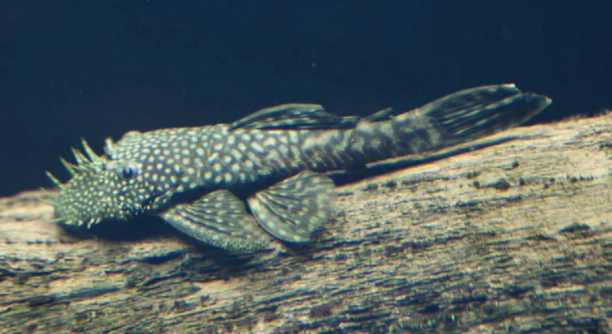
Is your pleco moving around at hours when you expect it to be resting? Many aquarium owners notice unusual activity from these fish, which can seem confusing at first. Observing your pleco closely can reveal important patterns.
Plecos are primarily nocturnal creatures, and unusual activity often results from environmental changes, feeding schedules, or stress. Light levels, water temperature, and tank conditions can influence their behavior, causing them to be active during atypical hours.
Learning more about their habits can help you create a balanced environment. Understanding these patterns ensures your pleco remains healthy and comfortable in its tank.
Understanding Nocturnal Behavior
Plecos are naturally nocturnal, meaning they are most active during the night. This behavior is inherited from their natural habitats, where darkness provides safety and feeding opportunities. In home aquariums, lights on during the day can encourage them to hide and rest. However, changes in their environment, such as new tank mates or altered feeding times, can make them active at unusual hours. Observing when your pleco moves and how it interacts with its surroundings can provide insights into its behavior. Stress, water quality, or sudden changes in temperature can also influence activity patterns. Plecos may explore the tank, search for food, or adjust to new conditions during hours you wouldn’t expect. Monitoring these patterns helps maintain a stable environment, which supports their health. Creating dark hiding spots and regulating light schedules can encourage normal nocturnal activity.
Adjusting tank conditions slightly often helps plecos return to their natural night-time routines.
Keeping a consistent environment benefits both the fish and the overall tank health. Observing signs of stress and responding promptly ensures your pleco remains active but healthy. Providing proper feeding times, hiding areas, and monitoring water quality can reduce unusual activity. Attention to these details supports both behavioral balance and long-term wellbeing.
Environmental Factors Affecting Activity
Temperature, lighting, and tank setup can significantly influence pleco activity. Changes in any of these factors often shift their active hours.
Water temperature plays a major role in regulating pleco activity. Sudden drops or rises can stimulate movement or restlessness. Similarly, lighting affects behavior; bright lights during the day can suppress activity, while dim lighting or nighttime hours encourage exploration. Tank layout also matters. Plecos need hiding spaces such as caves, driftwood, or plants to feel secure. Lack of suitable shelters can cause them to move around more during unusual hours, searching for comfort. Water quality is another key factor. High ammonia or nitrate levels create stress, prompting unexpected activity. Feeding schedules influence behavior too. If food is given at odd times, plecos may adjust their routine to match. Consistency in feeding, lighting, and water conditions helps maintain predictable nocturnal behavior. Observing and adjusting these environmental factors carefully ensures your pleco feels secure and behaves naturally.
Diet and Feeding Habits
Plecos adjust their activity based on feeding times and food availability. They may become active during unusual hours if they expect food or if their regular feeding schedule changes. Providing consistent feeding times can help normalize their behavior.
Different types of plecos have varying dietary needs. Some prefer algae, while others require vegetables, sinking pellets, or protein-rich foods. Offering the right balance of nutrients is essential. Overfeeding can lead to excessive activity as they search for leftover food, while underfeeding may cause restlessness. Observing how your pleco responds to feeding can indicate whether dietary adjustments are necessary.
It’s also important to consider food placement. Sinking foods that reach the bottom encourage natural foraging, while surface feeding may disrupt nocturnal habits. Rotating food types and ensuring availability at expected times helps regulate activity. Monitoring your pleco’s response to diet changes provides insight into their behavior and overall wellbeing.
Health and Stress Indicators
Stress or illness can trigger unusual activity in plecos. Monitoring behavior helps detect early warning signs.
Water quality problems, injuries, or parasites can make plecos restless at odd hours. Stress from aggressive tank mates or overcrowding also impacts activity. Signs of poor health include rapid breathing, frayed fins, or unusual hiding patterns. Maintaining clean water, stable temperatures, and compatible tank companions reduces stress and supports normal activity cycles.
Plecos respond to stress by adjusting their routines. A fish that is normally nocturnal may swim during the day or hide excessively if uncomfortable. Regular observation, proper nutrition, and a secure tank environment are critical. Quick response to health concerns ensures their activity remains natural and prevents long-term issues. Keeping a log of behavior and water parameters can help identify patterns and address problems early, creating a healthier, more stable habitat for your pleco.
Light and Darkness Cycles
Plecos rely on light and dark cycles to regulate activity. Too much light during the day can make them hide, while extended darkness may trigger activity at unusual hours. Maintaining a consistent schedule helps them feel secure and behave naturally.
Gradual changes in lighting, such as dimming before night, encourage normal nocturnal behavior. Sudden shifts can confuse your pleco, leading to unexpected movement. Observing how your fish reacts to light adjustments ensures a calm and balanced environment.
Tank Size and Space
Adequate space is essential for plecos to move comfortably. Crowded tanks can cause stress, increasing activity during unusual hours as they search for room to explore and hide.
Providing enough swimming and hiding areas prevents restlessness. Plecos need both open spaces for movement and secluded spots for retreat. Lack of balance can lead to irregular activity, emphasizing the importance of proper tank planning and decoration.
Social Interactions
Plecos may change their routine based on other tank inhabitants. Aggressive or overly active fish can disturb their natural patterns, prompting unusual activity.
Keeping compatible species together and monitoring interactions reduces stress, helping plecos maintain their typical nocturnal behavior. Adjusting tank composition can restore calm and normal activity cycles.
FAQ
Why is my pleco active during the day instead of at night?
Plecos are naturally nocturnal, but several factors can alter this pattern. Changes in light, temperature, or feeding schedules can make them more active during daylight. Stress from aggressive tank mates or overcrowding may also prompt unusual daytime activity. Adjusting the environment and keeping a consistent routine often helps restore normal nocturnal behavior.
Can irregular feeding cause my pleco to be active at unusual hours?
Yes. Plecos adapt their activity to match food availability. Feeding at inconsistent times or leaving food in the tank for long periods can encourage movement outside their normal schedule. Sinking pellets or vegetables placed at consistent times help maintain expected activity patterns.
Is tank size a factor in unusual activity?
Absolutely. Crowded tanks reduce comfort and security, leading plecos to move around more while seeking space or hiding spots. Larger tanks with open swimming areas and adequate shelter allow them to settle into natural nocturnal routines, reducing daytime or odd-hour activity.
Do light cycles affect pleco behavior?
Yes. Plecos depend on light and dark cycles to regulate activity. Bright lights during the day make them hide, while extended darkness may prompt activity at atypical hours. Gradual dimming and a stable day-night cycle encourage natural behavior and reduce restlessness.
Can stress or illness make plecos active at strange times?
Stress or health issues often change activity patterns. Poor water quality, parasites, or injury can make plecos restless, while aggressive tank mates or sudden changes in environment may trigger unusual movement. Observing signs like rapid breathing, frayed fins, or erratic swimming helps detect problems early.
How does tank decoration influence activity?
Plecos need both hiding spots and open swimming areas. Lack of caves, driftwood, or plants can cause them to explore constantly, even at unusual times. Properly balancing shelter and open space allows plecos to feel secure and maintain normal nocturnal behavior.
Will changing water temperature affect my pleco’s routine?
Yes. Sudden temperature fluctuations can make plecos more active or restless. Maintaining a stable, species-appropriate temperature helps regulate activity and reduces movement at unexpected hours. Consistent water quality monitoring supports this stability.
Can plecos adjust their behavior to other tank mates?
Plecos observe and respond to the behavior of other fish. Aggressive or hyperactive companions may disrupt their usual routines, prompting movement at unusual times. Ensuring compatible species and observing interactions promotes calm, predictable activity.
How can I encourage my pleco to follow a normal nocturnal pattern?
Maintain stable lighting, consistent feeding times, adequate hiding spaces, and proper water conditions. Monitoring stress indicators and adjusting environmental factors gradually helps plecos adapt to regular nocturnal activity. Patience and consistency are key to supporting healthy behavior.
Are there specific foods that influence activity?
Plecos respond to food type and placement. Sinking vegetables, algae wafers, or protein pellets encourage natural foraging behavior at night. Overfeeding or leaving floating food may cause activity during atypical hours, so consistent portioning and timing help maintain regular patterns.
Can observing my pleco help prevent unusual activity?
Yes. Tracking behavior, feeding responses, and environmental conditions provides insight into causes of unusual activity. Noting changes in movement or stress signs allows for timely adjustments to tank conditions, feeding schedules, or social setup, keeping your pleco healthy and balanced.
Is unusual activity always a sign of a problem?
Not necessarily. Plecos can explore or respond to minor changes in the environment. Occasional activity outside normal hours can be normal, especially in a stable and clean tank. Persistent or extreme changes, however, usually indicate stress, dietary issues, or environmental adjustments that need attention.
Does water quality affect activity levels?
Yes. Poor water quality increases stress, causing plecos to move unexpectedly. Regular monitoring of ammonia, nitrite, nitrate levels, and pH balance is essential. Clean water promotes natural nocturnal behavior and reduces restlessness during the day.
Can adjusting tank lighting help nocturnal patterns?
Gradually dimming lights before night or using low-intensity lighting creates a natural day-night cycle. Abrupt changes in lighting can confuse plecos, leading to unusual activity. Stable light cycles encourage expected nocturnal habits and reduce daytime movement.
What signs indicate my pleco is stressed versus just active?
Stress signs include rapid gill movement, frayed fins, hiding excessively, or erratic swimming. Active but healthy plecos explore calmly and forage without displaying these stress indicators. Observing these differences helps identify when intervention is needed to restore normal behavior.
Does tank size interact with social dynamics to affect activity?
Yes. A small tank with multiple or aggressive fish increases stress, prompting plecos to move during unusual hours. Larger tanks with sufficient hiding spaces allow them to avoid conflicts, reducing abnormal activity while supporting natural nocturnal behavior.
How long does it take for plecos to adjust to environmental changes?
Adjustment time varies depending on the factor changed. Gradual alterations in feeding, lighting, or tank conditions usually take several days to a week. Rapid changes can extend stress periods, causing prolonged unusual activity. Patience and careful observation are crucial.
Are there ways to encourage hiding during the day?
Providing caves, driftwood, or dense plants creates secure spots for resting. Plecos naturally seek shelter during daylight. Observing their preferred hiding areas helps optimize tank layout, supporting a stable nocturnal routine.
Do plecos need complete darkness to be active at night?
While they are nocturnal, low light or dim conditions are sufficient for activity. Complete darkness is not necessary, but stable and predictable cycles are important. This allows them to forage, explore, and rest according to their natural rhythm.
Can unusual activity indicate aging or life stage changes?
Yes. Older plecos or those entering new life stages may show altered activity. They might rest more or explore less, adjusting to energy levels and physical changes. Observing long-term patterns helps distinguish normal aging from stress or health issues.
Is monitoring behavior daily important?
Daily observation allows early detection of stress, illness, or environmental problems. Tracking patterns helps maintain stable nocturnal routines, ensures proper feeding, and supports overall health, making it easier to address concerns promptly.
What is the best way to balance feeding, environment, and social factors?
Consistency is key. Stable feeding schedules, compatible tank mates, adequate hiding spaces, proper tank size, and clean water create predictable routines. Careful observation and gradual adjustments help plecos maintain natural nocturnal behavior while minimizing unusual activity.
How do I know if unusual activity is temporary or persistent?
Short-term changes may result from minor environmental shifts or temporary stress. Persistent activity over several days or weeks usually indicates ongoing issues with water quality, diet, tank setup, or social dynamics. Recording observations helps identify trends and solutions.
Are plecos active in response to human presence?
Some plecos may explore or move when humans are nearby, especially during feeding. This activity is usually mild and temporary. Distinguishing between normal curiosity and stress-induced movement is important to maintain proper nocturnal habits.
Can tank decorations reduce nighttime activity?
Decorations like caves and driftwood provide secure hiding spots, reducing restlessness. Balanced layouts with both shelter and open swimming areas encourage natural nocturnal patterns, minimizing unusual activity and promoting overall wellbeing.
Do water changes affect activity?
Significant or sudden water changes can trigger activity as plecos adjust to new conditions. Gradual, partial changes help minimize disruption, maintaining predictable routines and reducing stress-induced movement at unusual hours.
How often should I check water parameters for consistent behavior?
Regular weekly testing is recommended, including ammonia, nitrite, nitrate, pH, and temperature. Consistent monitoring ensures stable conditions, supports nocturnal routines, and prevents stress that could trigger unusual activity.
Can multiple factors combine to affect activity?
Yes. Light, temperature, diet, tank size, social dynamics, and water quality all interact. Small changes in several areas can cumulatively alter behavior. Observing patterns and adjusting multiple factors together helps restore normal nocturnal activity efficiently.
Is unusual activity reversible?
In most cases, yes. Correcting feeding schedules, lighting, water quality, tank layout, and social arrangements allows plecos to return to their natural nocturnal rhythm. Consistency and careful observation are essential for long-term success.
Can stress-free enrichment impact activity?
Providing foraging opportunities, varied foods, and interactive decorations encourages healthy exploration without disrupting nocturnal behavior. Thoughtful enrichment supports mental stimulation while keeping activity within normal patterns.
Does temperature fluctuation affect long-term behavior?
Frequent or extreme temperature changes can cause persistent activity shifts and stress. Maintaining a stable, species-appropriate range ensures predictable nocturnal behavior and overall health.
Are plecos more active when adjusting to new tanks?
Yes. Relocation or new environments can trigger temporary activity changes as they explore and find hiding spots. Gradual acclimation and stable conditions help reduce unusual movement and support normal behavior.
How do I prevent abnormal activity long-term?
Consistent light cycles, feeding schedules, water quality, tank size, hiding spots, compatible tank mates, and careful observation create stable conditions. Addressing environmental and dietary needs proactively maintains regular nocturnal patterns.
Can stress from water chemistry cause unusual movement?
Yes. Improper pH, hardness, or nitrate levels induce stress, causing restlessness or unexpected activity. Monitoring and correcting water chemistry maintains natural routines and reduces abnormal behavior.
Is unusual activity linked to reproductive cycles?
In some species, breeding or territorial behavior can increase activity during atypical hours. Providing suitable hiding spots and sufficient space minimizes stress and keeps routines predictable.
Can unusual activity indicate feeding competition?
Yes. Aggressive or fast-eating tank mates may push plecos to forage at odd times. Adjusting feeding strategies and offering multiple food locations reduces competition and restores normal behavior.
Are nocturnal habits fixed or flexible?
Plecos have flexible nocturnal habits that adjust to environmental factors, feeding schedules, and social dynamics. Maintaining stable conditions supports natural patterns while allowing minor adaptations without causing stress.
Does introducing new tank mates disrupt routines?
Yes. New fish can create stress, change social hierarchy, and trigger unusual activity. Gradual introductions and observing interactions help plecos maintain normal nocturnal behavior.
Is unusual activity always negative?
Not always. Short-term exploration or response to minor changes can be normal. Persistent or extreme changes usually indicate stress, diet, or environmental factors that require attention.
How can I track and manage activity patterns effectively?
Keeping a log of feeding times, water parameters, light cycles, and behavior helps identify causes of unusual activity. Gradual adjustments and observation restore balance while maintaining health and natural nocturnal routines.
Can plecos adapt to human schedules?
Some adjustment is possible, especially around feeding times, but natural nocturnal behavior generally remains. Consistency in routine supports predictable activity without causing stress or long-term disruption.
Does tank location in a room influence activity?
Yes. Exposure to frequent movement, noise, or vibrations can disrupt routines. Placing the tank in a quiet, stable location minimizes disturbances and supports normal nocturnal behavior.
Can diet changes alone normalize activity?
Sometimes. Consistent feeding schedules and appropriate food types can reduce unusual activity, but environmental stability, tank size, and social factors often need simultaneous attention for best results.
Does partial darkness during the day help?
Dim lighting or shaded areas mimic natural hiding spots, encouraging daytime rest while maintaining nighttime activity. This supports predictable nocturnal patterns and reduces stress-induced movement.
Can regular observation prevent future issues?
Yes. Noting behavior, environmental changes, and health signs early allows timely adjustments. Regular monitoring supports consistent nocturnal activity, reduces stress, and maintains long-term health.
Do plecos react to tank maintenance?
Yes. Cleaning, water changes, or rearranging decorations can trigger temporary activity as they explore and adjust. Gradual, careful maintenance minimizes disruption and supports normal routines.
Can unusual activity signal aging or weakness?
Yes. Older or weaker plecos may show altered movement, rest more, or explore less. Observing long-term trends helps distinguish normal aging from stress or environmental issues.
How important is consistency for preventing unusual activity?
Extremely important. Stable feeding, lighting, water quality, and tank composition create predictable routines. Consistency minimizes stress, supports nocturnal behavior, and maintains overall health and comfort.
Are plecos ever naturally active during the day?
Occasionally. Minor daytime exploration is normal, especially in calm, well-fed, and secure environments. Persistent daytime activity usually signals environmental, dietary, or social factors that need addressing.
Can water flow impact activity?
Yes. Strong currents may encourage movement outside normal hours, while gentle, consistent flow supports comfort and natural nocturnal behavior. Observing responses allows adjustments for optimal conditions.
Does the size of hiding spots matter?
Yes. Too small or too few shelters increase stress and abnormal movement. Properly sized caves, plants, and driftwood promote security and predictable nocturnal activity.
Are plecos more active in planted tanks?
Plants provide hiding and foraging opportunities, which can encourage natural nocturnal behavior. Proper layout balances exploration and security, reducing unusual activity.
Can temperature swings at night trigger activity?
Yes. Sudden drops or rises may wake plecos or increase movement. Stable temperatures maintain predictable nocturnal patterns and reduce stress-induced exploration.
Do plecos remember feeding times?
Yes. They can anticipate food availability, which may lead to activity outside normal hours. Maintaining consistent schedules helps reinforce nocturnal routines.
Can unusual activity be genetic?
Some behavioral tendencies may have a genetic component, but environmental factors usually play a larger role in shaping daily activity patterns. Adjustments to tank conditions typically normalize behavior.
Are plecos affected by human interaction?
Yes. Movement near the tank or feeding can prompt exploration. Occasional activity is normal, but repeated stress from interaction can alter nocturnal routines.
Does water clarity influence activity?
Yes. Murky or dirty water can increase stress and unusual movement. Clear, well-filtered water supports natural nocturnal behavior and reduces restlessness.
Can hiding spots reduce stress-related activity?
Yes. Providing caves, driftwood, and dense plants allows plecos to feel secure, reducing movement during unusual hours. Proper shelter supports predictable nocturnal routines and overall wellbeing.
Is unusual activity more common in new tanks?
Yes. Adjusting to a new environment often triggers exploration and temporary shifts in routine. Gradual acclimation and consistent conditions help restore normal nocturnal behavior.
Do plecos ever adjust to feeding routines of humans?
Partially. They may shift activity slightly to match predictable feeding times but generally retain nocturnal instincts. Consistency in feeding reinforces natural behavior.
Can partial hiding reduce unusual activity?
Yes. Creating shaded areas or small retreats allows plecos to rest during the day while remaining active at night. This balances comfort and exploration, supporting normal nocturnal patterns.
Does substrate type affect activity?
Yes. Soft or sandy substrates encourage natural foraging and resting behavior. Hard or bare substrates may increase movement as plecos search for comfortable resting spots.
Can light intensity adjustments normalize behavior?
Yes. Lowering brightness gradually encourages natural nocturnal activity while preventing stress-induced exploration during daylight. Stable cycles maintain predictable routines.
Are unusual activity patterns reversible with environment changes?
Yes. Correcting feeding schedules, light cycles, water quality, tank layout, and social arrangements restores normal nocturnal behavior. Patience and consistent adjustments ensure long-term balance and health.
How do I balance multiple factors affecting activity?
Observe patterns in feeding, water quality, lighting, tank size, and social dynamics. Gradually adjust each factor, maintain consistency, and monitor results. Combining these adjustments ensures your pleco returns to predictable nocturnal behavior while staying healthy and stress-free.
What is the best strategy for long-term stability?
Consistency, observation, and gradual adjustments across environment, feeding, social setup, and water parameters create predictable routines. This prevents unusual activity and supports the pleco’s natural nocturnal habits and overall wellbeing.
Final Thoughts
Understanding why your pleco is active at unusual hours comes down to observing its natural behavior and the environment you provide. Plecos are primarily nocturnal, meaning they are naturally more active during the night. However, a range of factors can influence when and how they move around. Lighting, water temperature, feeding schedules, tank size, and social interactions all play a role in their behavior. Changes in any of these areas can cause your pleco to explore the tank or search for food at times that seem unusual. Recognizing these patterns helps you create a stable and supportive environment, which encourages predictable activity while keeping your fish healthy and comfortable. Regular observation is key, as it allows you to detect minor changes before they become larger issues.
Consistent care is essential for maintaining your pleco’s natural routines. Feeding at the same times each day, ensuring hiding spots are available, and keeping water quality stable all contribute to balanced behavior. A pleco that has enough space, shelter, and proper nutrition will follow more predictable nocturnal patterns. Environmental stressors, such as aggressive tank mates, sudden temperature changes, or overcrowded conditions, can disrupt their behavior. Even minor adjustments, like dimming lights gradually or placing food in preferred locations, can make a noticeable difference in their activity. Taking a methodical approach allows you to address potential problems without causing additional stress, helping your pleco return to its natural rhythm. Observation combined with consistent care ensures your fish remains both active and healthy at the times that suit its natural biology.
While unusual activity may seem concerning, it is often a sign that your pleco is adjusting to its environment or responding to changes in tank conditions. Short-term deviations in activity are usually harmless, especially when the overall tank conditions are stable and the fish appears healthy. Persistent changes, however, can indicate environmental stress, dietary issues, or other factors that need attention. By carefully monitoring behavior, maintaining consistent care routines, and adjusting factors like lighting, feeding, and tank layout, you can reduce unusual activity and support your pleco’s well-being. Over time, these efforts help ensure that your pleco remains comfortable in its habitat and maintains natural nocturnal behavior, creating a healthier and more enjoyable aquarium for both you and your fish.

Hello,
If you enjoy the content that we create, please consider saying a "Thank You!" by leaving a tip.
Every little bit helps us continue crafting quality advice that supports the health, happiness, and well-being of pets around the world, for pets of all shapes, sizes, and species.
We really appreciate the kindness and support that you show us!