
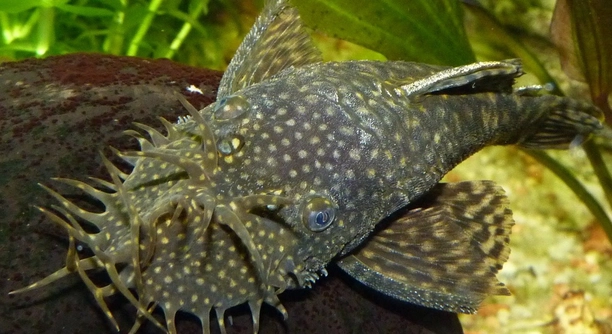
Plecos are quiet fish, often hiding in their tanks for long periods. Observing them closely can reveal small but important signs that show they are happy and healthy in their environment.
When plecos are thriving, they display consistent feeding habits, healthy growth, active movement around the tank, vibrant coloration, clean fins and body, proper breathing patterns, and interaction with their surroundings. Monitoring these behaviors ensures their overall well-being and stability.
Recognizing these key behaviors can make caring for plecos more rewarding and help maintain a peaceful, balanced aquarium environment.
Active Movement and Exploration
Plecos are often seen resting, but a healthy pleco will spend a noticeable amount of time moving around the tank. They may glide along the glass, explore decorations, or shift substrates with their mouths. This activity indicates strong muscle tone and energy. When they move regularly, it shows they feel safe and comfortable in their environment. Observing a pleco that frequently changes locations or interacts with the tank elements is a positive sign. Movement also helps maintain their digestion and overall health. Watching them navigate the tank, even during the night when some species are more active, demonstrates they are thriving. Inactivity can signal stress, illness, or poor water conditions, so movement is a key indicator. Consistent motion also allows them to forage efficiently and maintain a natural routine, contributing to long-term well-being. Plecos that move confidently often have a stronger immune system and recover faster from minor disturbances or changes in the tank environment.
Active movement shows a pleco’s health, comfort, and engagement with its environment, making observation a helpful tool for caretakers.
Watching them swim along surfaces, examine hiding spots, or push small objects around provides insight into their natural behaviors. This movement also encourages feeding and interaction with their surroundings. Tanks with varied structures and hiding places can enhance this activity, allowing plecos to exercise naturally. Their movement patterns indicate comfort, energy, and proper health.
Healthy Appetite and Feeding Habits
A thriving pleco will consistently show interest in food, eating a balanced amount each day without hesitation.
Regular feeding habits are a reliable sign of a pleco’s health. A pleco with a strong appetite usually has no underlying stress or illness, indicating it is comfortable in its environment. They will consume vegetables, algae wafers, or other appropriate foods as expected. Observing their feeding behavior over time helps track growth and nutritional intake. Plecos that graze during the day or night demonstrate natural foraging instincts, reflecting a stable tank environment. Changes in appetite can signal water quality issues, disease, or improper diet. Keeping a consistent feeding schedule supports their digestive system and encourages natural behaviors. The type of food offered also matters; fresh vegetables like zucchini or cucumber can supplement commercial diets. Feeding in different areas of the tank can prevent boredom and encourage movement. Monitoring how much they eat and how quickly they finish meals gives insight into energy levels and overall health. Consistent eating patterns directly correlate with their thriving state.
Vibrant Coloration
Vibrant colors are a strong indicator that plecos are thriving. Healthy plecos display bright patterns and consistent hues across their body and fins, showing proper nutrition and minimal stress. Dull or faded coloration often signals water issues or illness, so color is easy to monitor.
Plecos’ natural coloration can vary by species, but a thriving fish maintains clear, vibrant markings even after months in the tank. Stress, poor diet, or low water quality can cause fading or uneven pigmentation. Observing consistent coloration shows their body is functioning well, including proper digestion and circulation. Light exposure and tank conditions also influence vibrancy, making it important to maintain a balanced environment with moderate lighting and clean water. This allows their natural patterns to appear fully, making the fish easier to monitor for overall health.
Diet plays a big role in coloration. Offering vegetables, algae, and nutrient-rich foods enhances brightness. Sudden changes in color often indicate stress or water imbalance. Maintaining a proper feeding schedule, clean tank, and stable conditions helps plecos keep their natural colors while staying active and healthy in the long term.
Clean Fins and Body
Plecos with clean, intact fins and smooth scales show they are free from disease and parasites. Damaged fins or spots often reflect stress or poor water quality.
Healthy plecos rarely develop frayed fins or lesions when kept in proper conditions. They maintain smooth, shiny scales and their fins remain strong without tears. Clean fins indicate their immune system is functioning well and that tank conditions are stable. Regular water changes and proper filtration prevent buildup of waste and harmful bacteria, supporting overall skin and fin health. Plecos also keep themselves clean by grazing surfaces, which removes algae and debris naturally. Tanks with rough decorations or overcrowding can cause minor scrapes, so proper setup is essential. Observing a pleco’s body regularly helps detect problems early.
Maintaining clean fins and body requires consistent care, including monitoring water parameters, avoiding overfeeding, and providing hiding spots. A well-kept tank minimizes stress and reduces the risk of fungal or bacterial infections. Plecos also benefit from gentle tankmates that do not harass them. Proper diet, regular observation, and an organized environment ensure their physical appearance remains healthy. Healthy plecos display smooth scales, intact fins, and overall resilience, reflecting their comfort and well-being in the aquarium.
Proper Breathing Patterns
Plecos that are healthy show steady, calm breathing. Rapid gill movement or gasping at the surface can indicate stress, poor water quality, or illness.
Observing their breathing during activity and rest helps gauge comfort levels. Regular, smooth gill movement reflects good oxygenation and overall health in the tank.
Interaction with Surroundings
Thriving plecos explore decorations, driftwood, and plants. They move confidently without hiding excessively, showing comfort in their environment.
Consistent Growth
A healthy pleco grows steadily over time. Growth patterns reflect proper diet, tank conditions, and overall well-being. Regular measurements or visual checks help ensure the fish is thriving and developing as expected.
Foraging Behavior
Plecos that actively forage on surfaces and substrates demonstrate natural instincts. Grazing helps maintain a clean tank and indicates a content, healthy fish.
FAQ
How often should I feed my pleco?
Plecos are generally not picky but thrive with a consistent feeding schedule. Most adult plecos eat once a day, while juveniles may require two smaller meals. Provide a mix of algae wafers, vegetables like zucchini or cucumber, and occasional protein sources. Overfeeding can lead to poor water quality, so monitor how much they eat and remove uneaten food promptly. Feeding at roughly the same time each day helps establish routine behavior and supports digestion.
What water conditions are best for plecos?
Plecos do best in clean, well-filtered water with stable parameters. A temperature between 74°F and 80°F is ideal, with pH levels around 6.5–7.5. Regular water changes of 20–30% weekly help maintain water quality. High nitrate levels can stress plecos and cause health issues, so testing water frequently is recommended. Proper aeration and gentle water flow also ensure they get enough oxygen. Consistency is key; sudden changes in temperature or pH can affect their health and appetite.
Why is my pleco hiding all the time?
Plecos naturally enjoy hiding, but excessive hiding may indicate stress or poor tank conditions. Check for aggressive tankmates, overcrowding, or water issues. Providing adequate hiding spots like caves, driftwood, or dense plants allows them to feel safe. If a pleco suddenly hides more than usual, it could be a sign of illness or discomfort. Observe other behaviors like appetite, color, and breathing to detect problems early. Maintaining a calm environment reduces stress and encourages normal activity.
How can I tell if my pleco is healthy?
Signs of a healthy pleco include bright coloration, smooth fins, clear eyes, consistent growth, active movement, regular breathing, and normal feeding habits. They will interact with their environment, grazing on surfaces and exploring decorations. Any sudden changes in these behaviors may indicate illness or stress. Monitoring their habits closely provides insight into overall health and allows for early intervention. Regular observation combined with proper diet, tank maintenance, and water quality ensures long-term well-being.
Can plecos live with other fish?
Plecos generally coexist with other peaceful fish, but compatibility depends on tank size and species. Avoid aggressive or territorial tankmates that may harass them. Providing sufficient hiding spots and decorations reduces stress and potential conflicts. Some plecos can become territorial over driftwood or caves, especially as they mature. Observe interactions closely and separate if necessary. Maintaining a well-structured environment ensures peaceful cohabitation and supports thriving behavior.
What should I feed a pleco for best health?
A balanced diet is essential. Algae wafers, fresh vegetables, and occasional protein sources like shrimp pellets provide the nutrients plecos need. Leafy greens such as spinach or lettuce are excellent supplements. Variety keeps them engaged and supports growth, vibrant coloration, and digestion. Avoid overfeeding to prevent water pollution. Rotating foods can help maintain interest and nutritional balance. Watching what your pleco consumes daily helps adjust portions and ensures long-term health.
Why is my pleco not moving much?
Limited movement can indicate stress, poor water conditions, illness, or insufficient tank setup. Check water quality, temperature, and tankmates. Providing hiding places and environmental enrichment encourages natural exploration. Plecos are nocturnal, so some periods of inactivity are normal, but persistent lethargy warrants attention. Monitoring feeding, breathing, and interaction with surroundings helps identify underlying causes. Regular observation and proper care are crucial for maintaining active, healthy plecos.
Do plecos need lighting in the tank?
Plecos do not require strong lighting and often prefer dimly lit areas or shaded regions created by plants or decorations. Low lighting reduces stress and supports natural behavior. Moderate light helps control algae growth, which plecos will graze on. Providing a balance of light and shaded areas creates a comfortable environment where plecos can thrive and display natural movement and feeding habits.
How large will my pleco get?
Pleco size depends on species. Common plecos can grow up to 12–18 inches, while smaller species stay under 6 inches. Adequate tank size, diet, and water conditions influence growth. Overcrowded tanks can stunt development, while proper care allows natural growth. Understanding the adult size of your species ensures a suitable tank environment and long-term health. Monitoring growth helps maintain proper feeding and space requirements.
Can plecos harm my plants?
Most plecos are generally plant-safe but may nibble on soft or delicate plants, especially when seeking food. Hardy plants like Java fern or Anubias are usually safe. Providing enough algae, vegetables, and driftwood reduces plant damage. Observing behavior ensures a balance between their grazing needs and plant preservation. Maintaining a variety of food sources keeps plecos satisfied while protecting aquarium plants.
What signs indicate illness in plecos?
Common signs include faded coloration, frayed fins, rapid gill movement, loss of appetite, excessive hiding, or unusual spots on the body. Sudden behavioral changes often indicate stress or infection. Early detection allows for prompt treatment and prevents worsening. Maintaining water quality, proper diet, and tank hygiene reduces the risk of illness. Observing plecos daily ensures any health concerns are caught and addressed quickly, keeping them thriving.
How often should I clean my pleco’s tank?
Regular tank maintenance supports healthy plecos. Partial water changes of 20–30% weekly and filter cleaning every 2–4 weeks help maintain water quality. Removing uneaten food and debris prevents bacterial growth. Cleaning decorations and substrate as needed prevents algae buildup and keeps the environment safe. A consistent schedule ensures plecos stay healthy, active, and stress-free. Monitoring water parameters alongside cleaning routines maximizes their well-being.
Final Thoughts
Caring for plecos is a rewarding experience when you pay attention to their needs and natural behaviors. Observing your fish closely is the best way to understand how they are doing. Plecos are quiet and slow-moving, so small changes in their routine, color, or activity can indicate whether they are thriving. By noting these details, you can make adjustments to their tank environment, diet, or water conditions to help them stay healthy. Simple actions, like providing hiding spots, clean water, and varied food, go a long way in supporting their overall well-being. When a pleco is thriving, it moves actively, explores its surroundings, and displays bright colors, smooth fins, and consistent growth. Each of these behaviors is a sign that your fish feels safe and comfortable in its tank, which is the foundation for long-term health.
Maintaining a healthy tank requires regular care and attention, but it does not have to be complicated. Consistent water testing and partial water changes prevent issues before they become serious. Keeping the tank clean, monitoring temperature and pH levels, and ensuring proper filtration will allow your pleco to thrive naturally. Feeding a balanced diet that includes algae wafers, vegetables, and occasional protein supplements supports growth, color, and energy levels. Plecos are relatively low-maintenance compared to other fish, but they still need a stable and enriched environment to display their best behaviors. Watching a pleco explore, graze, or rest comfortably can be satisfying and reinforces that your efforts are working. Small adjustments over time, like adding driftwood or new plants, can encourage activity and natural foraging, keeping your pleco healthy and engaged.
Understanding your pleco’s behavior and appearance is key to long-term success. Healthy plecos show predictable signs of thriving, such as regular feeding, smooth fins, proper breathing, and interaction with the tank. Paying attention to these signs allows you to identify potential issues early and address them effectively. Over time, you will become more confident in reading your fish’s cues and making changes that enhance their comfort. Creating a calm and stable environment benefits both plecos and other tank inhabitants, resulting in a peaceful and balanced aquarium. With consistent care, observation, and patience, plecos can live long, healthy lives while remaining active, colorful, and engaged. Their quiet presence can become a comforting part of your home, showing that proper care and attention to detail make a noticeable difference in their well-being.

Hello,
If you enjoy the content that we create, please consider saying a "Thank You!" by leaving a tip.
Every little bit helps us continue crafting quality advice that supports the health, happiness, and well-being of pets around the world, for pets of all shapes, sizes, and species.
We really appreciate the kindness and support that you show us!