
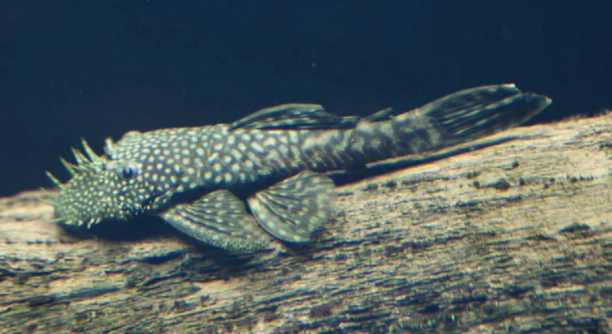
Have you ever noticed how driftwood can completely change the look of your aquarium while giving your plecos a natural place to explore? Choosing the right type of wood can affect both aesthetics and fish health in subtle ways.
Selecting suitable driftwood for plecos requires considering size, hardness, and tannin content. Properly prepared hardwoods like Malaysian driftwood provide necessary surfaces for grazing, ensure durability in water, and avoid harming your aquarium’s delicate balance of pH and water quality.
Knowing which pieces support your plecos’ natural behaviors will make your tank both healthy and visually appealing. Understanding these choices can make a real difference in your aquarium setup.
Understanding Driftwood Types
When selecting driftwood for plecos, it’s important to know the types available. Hardwoods like Malaysian driftwood, Mopani, and Cholla root are excellent choices. They are dense, do not break down quickly, and release tannins gradually, which can help slightly lower pH in your aquarium. Softer woods, like pine or cedar, are not recommended because they can decompose quickly, release harmful substances, and affect water quality. Each piece also varies in texture; rough surfaces allow plecos to graze naturally. Size matters too—driftwood should fit comfortably in your tank without overcrowding the swimming area. Consider weight, as some heavier pieces may need extra support to stay in place. Pre-treating wood by boiling or soaking removes excess tannins and reduces water cloudiness. Shape is another factor: pieces with crevices or hollow sections give plecos hiding spots, reducing stress. Choosing the right type combines aesthetics, functionality, and the health of your fish.
Driftwood should be durable, safe, and shaped for plecos’ grazing and hiding needs. Proper preparation is essential to maintain tank balance.
Different types of wood also interact differently with your tank’s ecosystem. While hardwoods last longer, they slowly soften over months, which is normal. Over time, biofilm grows on the surface, creating a natural grazing area for plecos. Regularly check for sharp edges or splinters that might injure your fish. The size and orientation of wood can influence tank flow, as larger pieces may alter water currents. Choosing pieces with natural hollows or crevices adds depth to your tank while offering shelter, which plecos prefer. Soaking or boiling prevents tannin overload and keeps water clearer. Even color and grain play a role in blending the driftwood with other decorations and substrate. Taking time to match the wood type with your plecos’ habits ensures a safe and engaging environment. The right piece can support health, reduce stress, and create a visually balanced tank.
Preparing Driftwood for the Tank
Proper preparation prevents water issues and protects plecos. Boiling removes bacteria and tannins, while soaking ensures the wood sinks naturally.
Boiling driftwood for one to two hours kills potential pathogens and loosens excess tannins, reducing discoloration in your water. After boiling, soaking for several days or even weeks is often necessary, depending on wood size. Change the water regularly during soaking until it clears. This process prevents sudden pH shifts that could stress plecos and other tank inhabitants. Large pieces may need to be weighed down or anchored because they can float initially. Scrubbing with a brush helps remove debris and any loose outer layers. Avoid chemicals or detergents, as they can be toxic to fish. Once the wood is ready, place it in the aquarium carefully, checking for stability and proper spacing. Maintaining the wood afterward is simple—periodically inspect for soft spots, algae, or buildup. Treated driftwood lasts much longer and continues to provide a natural surface for grazing, creating a healthy environment for plecos over months or years.
Placement and Tank Compatibility
Driftwood should be placed where plecos can graze and hide without blocking swimming space. Avoid crowding the tank. Ensure that wood does not touch filters or heaters. Stability is important to prevent accidents or damage to the tank.
When arranging driftwood, consider natural hiding spots. Plecos prefer areas with partial shade and crevices. Place larger pieces against the substrate or tank corners for support. Smaller pieces can fill gaps or create pathways for exploration. Ensure water flow is not obstructed to maintain oxygenation and circulation. Position driftwood so it doesn’t trap waste or debris, which can lead to water quality problems. Testing placement before final setup prevents surprises and keeps the tank visually balanced. Observe your plecos’ behavior after placement to see which areas they favor, adjusting wood locations as needed to encourage natural grazing and reduce stress in the aquarium environment.
The interaction of driftwood with other tank decorations affects plecos’ comfort. Rocks, plants, and wood should complement one another. Avoid overcrowding, which limits swimming space and makes maintenance harder. Natural arrangements create microhabitats for grazing and hiding. Consider tank size and fish activity level; active plecos need more open water. Monitor changes in water chemistry after adding wood, as tannins can slightly lower pH. Over time, wood will darken and develop biofilm, enriching the tank environment. Cleaning around driftwood is easier when it’s stable and positioned thoughtfully. The goal is a harmonious, functional setup that supports plecos’ natural behaviors while keeping maintenance manageable.
Monitoring and Maintenance
Check driftwood regularly for soft spots, algae, or decay. Quick action prevents health issues and preserves tank quality.
Routine maintenance includes inspecting wood surfaces for fungal growth or unusual deterioration. Remove excessive algae gently with a soft brush to avoid damaging natural surfaces plecos use for grazing. Monitor water chemistry, especially pH, after introducing new wood. Replace pieces showing significant decay, as decomposing wood can release harmful compounds. Maintain proper cleaning schedules for filters and substrate to complement driftwood care. Minor adjustments to placement can improve water circulation and reduce trapped debris. Observing plecos’ interaction with the wood helps determine if the current arrangement is effective. A well-maintained piece of driftwood can last years, continually supporting a healthy, stimulating environment for your fish.
Choosing the Right Size
Driftwood should fit your tank without crowding. Large pieces provide hiding spots, while small pieces create grazing surfaces and visual interest.
Consider plecos’ size when selecting wood. Juveniles need smaller surfaces, while adults benefit from larger, more robust pieces. Avoid pieces that could trap or injure them.
Wood Hardness and Durability
Hardwoods like Malaysian, Mopani, and Cholla resist decay and provide long-lasting grazing surfaces. Softer woods break down quickly, affecting water quality and tank stability. Choosing durable wood ensures a safe environment for plecos and reduces frequent replacements, saving time and maintaining consistent tank conditions.
Observing Pleco Behavior
Watch how plecos interact with the driftwood. Active grazing and frequent hiding indicate that the pieces are suitable and provide comfort.
FAQ
How often should I replace driftwood in my pleco tank?
Driftwood can last several years if properly chosen and maintained. Hardwoods like Malaysian or Mopani are especially durable. Replace wood only when it starts to soften excessively, develops large cracks, or shows signs of decay that could affect water quality. Regular inspections help determine if replacement is necessary.
Do I need to boil driftwood before adding it to the tank?
Boiling is highly recommended for most driftwood types. It kills bacteria, parasites, and fungi that could harm fish. Boiling also removes excess tannins that can discolor water. Smaller pieces may only need a long soak, but larger or denser woods benefit from both boiling and soaking to ensure safety.
Can driftwood change the pH of my aquarium?
Yes, driftwood releases tannins, which can slightly lower pH. The effect is usually gradual and mild, especially with pre-soaked or boiled wood. Regular water testing helps monitor pH levels, and water changes can counteract any significant shifts. Different types of wood affect water chemistry differently, so choose accordingly.
Is all driftwood safe for plecos?
Not all wood is safe. Softwoods like pine, cedar, or chemically treated wood can release harmful resins or break down quickly. Stick to aquarium-safe hardwoods such as Malaysian, Mopani, or Cholla. These types provide grazing surfaces, are durable, and won’t drastically affect water quality when properly prepared.
How do I prevent driftwood from floating?
Boiling and soaking help most driftwood sink naturally. If a piece still floats, you can anchor it with rocks, attach it to the substrate, or use aquarium-safe suction cups. Stability is important to avoid shifting that could disturb fish, block filters, or damage the tank.
Can plecos eat driftwood?
Yes, plecos rasp on driftwood for fiber and natural grazing. They do not eat it like food but scrape off biofilm and digest soft fibers. Driftwood supports digestive health and mimics their natural behavior, making it an important addition to their habitat.
How do I clean driftwood without harming my fish?
Avoid chemicals. Use a soft brush or sponge to gently remove algae or debris. Soaking in warm water can help loosen buildup. Remove wood temporarily for thorough cleaning if needed. Maintaining wood cleanliness prevents water quality issues while preserving the surfaces plecos graze on.
Can I use multiple types of driftwood in one tank?
Yes, combining different types adds visual interest and variety for plecos. Ensure all wood is safe, properly treated, and doesn’t overcrowd the tank. Different shapes and textures encourage natural behaviors and provide multiple grazing and hiding options. Observe fish interaction to adjust placement if necessary.
Will driftwood stain my tank water?
Some staining is normal due to tannins, giving water a light brown or amber tint. Boiling and soaking reduce this effect. Regular water changes help maintain clarity. The tint is not harmful to plecos and often mimics their natural river environments.
How do I know if my pleco likes the driftwood?
Active grazing, hiding, and exploring around the wood indicate comfort. Plecos often rest under or cling to preferred pieces. Minimal interaction may suggest adjustments in placement, size, or type. Observing behavior helps ensure the tank provides both stimulation and shelter for healthy fish.
Can driftwood harbor harmful bacteria or fungi?
Yes, untreated wood can carry microorganisms. Boiling and soaking are effective at reducing this risk. Regular maintenance and water monitoring keep the tank safe. Inspecting the wood for unusual growth or soft spots prevents health problems and maintains a stable environment for plecos.
Is it okay to leave driftwood in the tank long-term?
Yes, properly prepared and maintained driftwood can remain for years. Regular inspections, cleaning, and monitoring water parameters ensure it continues to support plecos’ health. Over time, biofilm growth enhances grazing surfaces, making long-term use beneficial for both fish and tank aesthetics.
Can driftwood affect other tank inhabitants besides plecos?
Yes, tannins and changes in water flow or shade can impact other species. Monitor water chemistry and fish behavior after adding driftwood. Most fish adapt well, but some sensitive species may require extra care or additional hiding spots to feel secure.
How do I choose the right size piece of driftwood?
Size should match the tank and fish. Large plecos need larger, sturdier pieces, while small juveniles thrive with smaller wood. Avoid overcrowding or creating unstable setups. The piece should provide grazing surfaces, hiding spots, and unobstructed swimming areas to keep fish healthy and reduce stress.
What is the best way to combine driftwood with plants and decorations?
Place wood to create natural-looking zones, with plants around or behind it for cover. Avoid blocking light or restricting swimming space. Combining textures encourages grazing and exploration. Stable arrangements reduce maintenance challenges and make a more engaging habitat for plecos and other tank inhabitants.
How long should I soak driftwood before putting it in the tank?
Soaking can take days to weeks, depending on wood density and size. Change water regularly to reduce tannins. Ensure the piece sinks naturally. Adequate soaking protects water quality, minimizes pH changes, and makes the wood safer and more appealing for plecos.
Can I use driftwood from outdoors?
It’s risky. Untreated wood may carry bacteria, pesticides, or parasites. Only use wood known to be safe for aquariums. Boiling and soaking do not remove chemicals, so wild-collected wood should generally be avoided unless thoroughly prepared and verified safe.
How do I maintain driftwood after initial setup?
Regularly inspect for decay, algae, or soft spots. Remove excess debris and monitor water parameters. Adjust placement if needed. Occasional gentle scrubbing and partial soaking can maintain cleanliness without harming biofilm or the surfaces plecos graze on. Well-maintained wood supports long-term tank health and fish behavior.
Are all shapes of driftwood suitable for plecos?
Shapes with crevices, tunnels, or flat grazing surfaces are ideal. Avoid pieces with sharp edges or unstable structures. Rounded or hollow pieces provide shelter and encourage natural behaviors. The right shape enhances both safety and the overall aesthetic of the tank.
Can driftwood float even after soaking and boiling?
Yes, especially lighter woods. Anchoring with rocks, substrate, or suction cups is safe. Floating pieces can disrupt water flow or stress fish. Stability ensures plecos can use the wood effectively for hiding and grazing without interference.
Is it necessary to remove driftwood during tank cleaning?
Not always. Small cleanings can be done with wood in place. For heavy algae, debris, or deep cleaning, temporarily removing wood is fine. Avoid harsh chemicals. Return the wood carefully after cleaning to maintain tank stability and grazing areas for plecos.
How do tannins benefit plecos?
Tannins create slightly acidic water similar to natural habitats, supporting digestive health and overall comfort. They also promote biofilm growth, which plecos feed on. Moderate tannin levels enhance the tank environment without causing harm if properly monitored and maintained.
Can driftwood affect water hardness?
Yes, driftwood can slightly soften water over time. The effect is usually mild and gradual. Monitor water parameters, especially in sensitive setups. Properly treated and maintained wood balances natural effects without negatively impacting pleco health.
How long does driftwood last in a pleco tank?
Hardwoods can last several years with proper preparation and maintenance. Soft or untreated wood deteriorates faster. Regular inspections and cleaning extend lifespan, providing durable grazing surfaces and hiding spots for plecos, while supporting consistent water conditions.
Can I boil large pieces of driftwood?
Yes, though it may require a large pot or multiple sessions. Alternatively, soak large pieces for extended periods to remove tannins and waterlog them. Boiling speeds preparation but soaking alone is effective for heavy or irregular shapes.
Is it normal for driftwood to darken over time?
Yes, wood darkens naturally in water. Biofilm, tannins, and water exposure contribute to the color change. Darkened wood provides a natural look and enhances grazing areas for plecos, without affecting water quality if properly maintained.
How do I prevent mold or fungus on driftwood?
Boiling and soaking initially remove potential pathogens. Regular tank maintenance and monitoring prevent buildup. Minor growth is often natural and eaten by fish. Remove excessive growth manually to maintain cleanliness and protect water quality.
Can driftwood cause stains on decorations or substrate?
Some tannin staining is possible, especially on light-colored substrate or rocks. Pre-soaking and boiling reduce staining. Occasional water changes keep the tank visually clean. The slight amber tint is natural and safe for plecos.
Is driftwood essential for plecos?
While not strictly required, driftwood greatly benefits plecos. It provides grazing surfaces, natural hiding spots, and environmental enrichment. It supports digestive health and mimics natural habitats, making it a highly recommended addition to most pleco tanks.
How do I choose driftwood for multiple plecos?
Provide multiple pieces to prevent territorial disputes. Combine large and small pieces to offer both hiding and grazing areas. Ensure stability and proper spacing. Observing fish interactions helps refine placement and selection to keep all plecos comfortable.
What should I do if plecos ignore the driftwood?
Check wood type, placement, and size. Adjust orientation or add biofilm and algae to make it more attractive. Some plecos prefer certain textures. Over time, they may begin grazing naturally as the tank matures and surfaces develop.
Can driftwood harbor parasites?
Yes, untreated wood may carry parasites. Boiling or soaking eliminates most risks. Avoid using chemically treated or wild-collected wood without preparation. Regular monitoring of fish health and water quality further reduces potential problems.
Does driftwood need special care for tropical tanks?
Tropical tanks benefit from driftwood’s tannins and hiding areas. Maintain temperature, pH, and water changes as usual. Tropical fish often interact with the wood more actively, so check stability and cleanliness regularly to prevent algae buildup and maintain healthy grazing areas.
How do I prevent driftwood from damaging aquarium glass or equipment?
Ensure pieces are stable and do not press against glass or block equipment. Avoid sharp edges. Anchor larger pieces with rocks or substrate. Proper placement reduces risk of scratches, cracks, or interference with filters, heaters, and lighting, keeping the tank safe for plecos and maintenance.
Can driftwood support plants?
Yes, many aquatic plants attach to driftwood. Mosses, Anubias, and ferns can grow on wood surfaces, adding visual appeal and natural hiding spots. Secure plants with thread or mesh until roots attach. Driftwood enhances both aesthetics and functional habitat for plecos.
Is it safe to combine driftwood with rocks?
Yes, combining wood and rocks creates stable structures and natural-looking landscapes. Ensure stability to prevent shifts or crushing. Rocks can anchor lighter driftwood. Placement should consider pleco activity and swimming space to maintain a safe, functional tank environment.
Can driftwood cause ammonia spikes?
Improperly prepared or decaying wood can contribute to waste buildup and ammonia increases. Hardwoods prepared with boiling or soaking reduce risk. Regular water testing and partial water changes prevent harmful ammonia levels, ensuring a safe habitat for plecos.
How do I select driftwood for different pleco species?
Consider size, behavior, and grazing habits. Large, territorial species need robust wood for hiding and grazing, while smaller or more peaceful species thrive with smaller pieces. Observe preferences and adjust placements accordingly to suit species-specific needs.
Does driftwood need special lighting conditions?
No special lighting is required, but indirect light encourages algae and biofilm growth for grazing. Avoid excessive direct light that accelerates algae overgrowth. Balanced lighting helps maintain wood appearance and supports natural feeding behaviors for plecos.
Can I keep the same piece of driftwood when changing tanks?
Yes, if it is healthy and free of decay. Rinse thoroughly and monitor water chemistry in the new tank. Maintaining familiarity can reduce stress for plecos while providing consistent grazing and hiding surfaces.
Should I remove driftwood during a tank move or deep cleaning?
Temporarily removing wood is acceptable to prevent damage. Avoid harsh scrubbing or chemicals. Replace it carefully to maintain stability and preserve grazing surfaces. Proper handling protects both plecos and the driftwood itself.
Can driftwood create hiding spots for snails or shrimp?
Yes, wood crevices offer shelter for other tank inhabitants. Ensure enough space for plecos to access surfaces. Driftwood enhances the habitat for multiple species while supporting natural grazing and hiding behaviors.
Does driftwood affect water hardness in soft or hard water tanks?
Driftwood can slightly soften water by releasing tannins. The effect is more noticeable in soft water. Regular testing ensures parameters remain suitable. Proper preparation minimizes drastic changes while maintaining benefits for plecos’ natural environment.
How do I prevent driftwood from becoming slippery?
Biofilm and algae naturally develop, which plecos graze on. Regular gentle scrubbing and water circulation prevent excessive slipperiness. This keeps surfaces functional for grazing without damaging the wood or stressing fish.
Can driftwood cause odor in the tank?
Untreated or decaying wood may produce slight odor initially. Boiling, soaking, and proper maintenance prevent long-term smells. A small earthy scent is normal and not harmful to plecos.
What is the best shape for plecos to hide in?
Hollow sections, tunnels, or flat surfaces with partial cover work best. Rounded edges prevent injury. Multiple hiding options reduce stress and encourage natural behavior.
Can driftwood affect tank decorations over time?
Minor staining or biofilm transfer can occur. Proper cleaning and monitoring prevent issues. Placement away from delicate decorations reduces wear or discoloration while maintaining a natural, functional environment.
Is driftwood suitable for all tank sizes?
Yes, pieces can be scaled to fit different tanks. Large tanks benefit from multiple robust pieces, while small tanks need smaller, stable wood. Balance wood size, fish number, and swimming space to maintain comfort and functionality.
Does driftwood influence algae growth?
Yes, it provides surfaces for algae and biofilm. Moderate growth supports plecos’ grazing. Excessive algae can be managed with regular cleaning, water changes, and observing light levels. Properly balanced wood promotes a healthy ecosystem.
How do I select driftwood for a heavily planted tank?
Choose pieces that complement plant placement and allow light penetration. Hollow sections and crevices work for hiding spots without overshadowing plants. Secure plants to wood if desired. Balance stability and aesthetics to maintain both grazing areas and plant growth.
Can driftwood break easily?
Softwoods or poorly prepared pieces can break under weight or over time. Hardwoods are less likely to fracture. Inspect for cracks, especially before adding to the tank. Proper handling and placement prevent damage.
Is it safe for plecos to chew on driftwood constantly?
Yes, natural rasping is healthy and helps digestion. They scrape biofilm and fibers without harming the wood or themselves. Ensure the wood is safe, untreated, and durable to support this behavior long-term.
Does driftwood affect tank cleaning frequency?
It may slightly increase maintenance, as debris can accumulate around pieces. Regular water changes, substrate cleaning, and wood inspection keep the tank healthy. The benefits for plecos outweigh minor extra maintenance.
Can driftwood cause water cloudiness?
Initially, tannins may tint water slightly. Boiling and soaking reduce cloudiness. Ongoing minor discoloration is normal and harmless. Regular water changes maintain clarity while keeping plecos safe.
Is driftwood compatible with all pleco diets?
Yes, it complements grazing and biofilm feeding. Even with pellets or vegetables, wood provides additional fiber and natural enrichment. Combining driftwood with a balanced diet supports digestive health and natural behavior.
How do I prevent driftwood from floating during water changes?
Ensure wood is fully soaked or anchored. Large pieces may need rocks, suction cups, or substrate support. Stability prevents disruption to plecos and maintains a safe, functional environment.
Can driftwood harbor algae-eating fish?
Yes, algae grows naturally on wood, attracting grazers like certain catfish or snails. Balanced algae levels support both plecos and other tank inhabitants. Monitor growth to prevent overgrowth.
Should driftwood touch the substrate directly?
Placing wood on the substrate provides stability and natural appearance. Avoid burying too deeply, which can trap waste. Partial contact is sufficient to secure the piece while allowing plecos access.
Can driftwood be used in coldwater tanks with plecos?
Yes, as long as the species tolerate lower temperatures. Preparation and maintenance are the same. Cold water slows biofilm growth slightly but wood remains safe and functional for hiding and grazing.
How do I know when driftwood is fully soaked?
It sinks naturally without floating. Water color stabilizes, and tannin release slows. Longer soaking ensures stability and reduces water chemistry changes when placed in the tank.
Is driftwood necessary for breeding plecos?
Not always, but it provides shelter and surfaces for egg-laying species. Hollow sections or crevices support breeding behavior. It enhances tank structure, offering safe and natural spots for reproduction.
Can driftwood affect water temperature?
No, wood has minimal impact on temperature. Ensure placement doesn’t block heaters or filters, which could indirectly affect water conditions. Proper positioning maintains stable, comfortable temperatures for plecos.
How do I prevent driftwood from shifting during pleco activity?
Anchor large pieces with rocks, substrate, or suction cups. Observe fish behavior to ensure stability. Stable wood prevents accidents, injuries, and disruptions to grazing and hiding areas.
Are all driftwood surfaces suitable for grazing?
Hard, rough surfaces are best. Smooth or soft areas may not provide enough biofilm or texture. Selecting wood with varied surfaces encourages natural rasping and digestive activity in plecos.
Can driftwood impact tank oxygen levels?
Wood itself does not affect oxygen, but placement may influence water flow. Avoid blocking filtration or circulation. Proper positioning ensures oxygen reaches all areas, supporting healthy plecos and other tank inhabitants.
Does driftwood need sunlight?
No, driftwood does not require light. Indirect light promotes algae and biofilm growth for grazing, but direct sunlight can encourage excessive algae and temperature fluctuations. Proper lighting supports tank balance without harming the wood.
How do I store unused driftwood?
Keep dry, cool, and ventilated to prevent mold. Avoid sealed plastic containers unless completely dry. Proper storage preserves wood until ready for aquarium use, maintaining safety and durability.
Can driftwood affect fish behavior?
Yes, it provides hiding spots, grazing surfaces, and territorial markers. Plecos may become more active, less stressed, and exhibit natural behaviors when driftwood is present. Thoughtful placement enhances fish well-being and tank functionality.
Is driftwood compatible with other tank decorations like caves or tunnels?
Yes, it complements artificial structures. Ensure stable placement and adequate swimming space. Combining driftwood with other decorations enhances habitat complexity
Final Thoughts
Driftwood is more than just a decorative element in a pleco tank. It provides essential surfaces for grazing, natural hiding spots, and contributes to the overall health of your fish. Choosing the right type of wood, such as hardwoods like Malaysian, Mopani, or Cholla, ensures that it lasts longer, maintains water stability, and offers a safe surface for your plecos. Softer or untreated woods may decompose quickly, release harmful substances, or create water chemistry problems, which is why careful selection is crucial. Proper preparation, including boiling and soaking, helps remove harmful bacteria and excess tannins, ensuring the wood is safe for long-term use in your aquarium. By understanding how different types of driftwood interact with your tank environment, you can create a habitat that supports your plecos’ natural behaviors while maintaining water quality.
Placement and maintenance play equally important roles. Driftwood should be positioned so it offers both grazing surfaces and hiding spaces while leaving sufficient swimming areas. Anchoring larger pieces with rocks, substrate, or suction cups prevents them from shifting, which could stress your fish or interfere with filtration. Over time, driftwood may develop biofilm or algae, which plecos naturally graze on. Regular inspection for decay, soft spots, or excessive buildup ensures the wood continues to serve its purpose without negatively impacting the tank. Occasional gentle cleaning and monitoring of water parameters help maintain a healthy and balanced environment. Properly cared-for driftwood can last for years, providing long-term benefits for both your plecos and the visual appeal of the aquarium.
Adding driftwood to your pleco tank is a step toward creating a more natural and stimulating environment. Beyond the practical benefits of grazing surfaces and hiding spaces, driftwood also contributes to the aesthetic of the tank, giving it a more organic and engaging look. Observing your plecos interact with the wood offers insight into their habits, preferences, and comfort levels. By combining thoughtful selection, preparation, and placement with regular maintenance, driftwood can enhance both the health and happiness of your fish. Taking the time to choose the right pieces and care for them properly ensures that your pleco tank remains a stable, safe, and enriching habitat for years to come.

Hello,
If you enjoy the content that we create, please consider saying a "Thank You!" by leaving a tip.
Every little bit helps us continue crafting quality advice that supports the health, happiness, and well-being of pets around the world, for pets of all shapes, sizes, and species.
We really appreciate the kindness and support that you show us!