
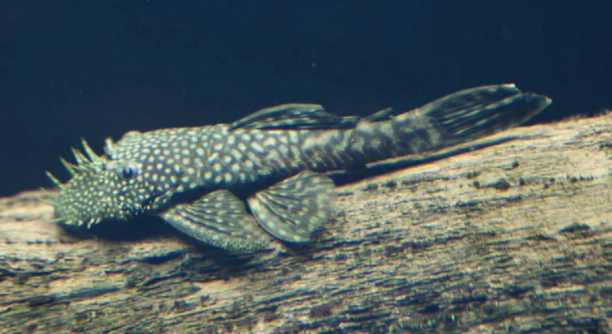
Do you ever find yourself carefully preparing your aquarium, hoping to see plecos breed, only to notice they seem uninterested in pairing up? Breeding these fish can sometimes be more challenging than anticipated, even in well-maintained tanks.
Plecos might refuse to breed due to a variety of environmental and biological factors. Water quality, tank size, diet, stress levels, lack of proper hiding spaces, incompatible pairs, and seasonal changes all play critical roles in their reproductive behavior.
Understanding these key influences will help you create the ideal environment for plecos and improve your chances of successful breeding.
Water Quality Issues
Plecos are very sensitive to their water environment. Poor water quality can prevent them from feeling comfortable enough to breed. High levels of ammonia, nitrites, or nitrates can stress them out, making them retreat into hiding. Maintaining consistent temperature and pH is also essential, as sudden fluctuations can disrupt their natural behavior. Many hobbyists underestimate the importance of water changes. Regular testing and filtration adjustments can significantly improve conditions. Even if a tank looks clean, chemical imbalances might still be present. Overcrowding can worsen water quality, so ensure your plecos have ample space. Attention to these details often leads to noticeable improvements in fish behavior. Proper maintenance ensures that your plecos feel secure and healthy, creating the right environment for breeding. Observing their reactions to changes can help you detect problems early and make timely corrections. Overall, keeping water clean is a fundamental step in encouraging plecos to reproduce.
Poor water quality directly impacts plecos’ willingness to spawn. Clean, stable water is essential.
Consistently monitoring parameters such as ammonia, nitrite, nitrate, pH, and temperature allows you to address issues before they become severe. Using a reliable filtration system and performing regular water changes prevents stress and illness. Even slight chemical imbalances can delay breeding. Avoid overcrowding to maintain optimal water conditions. Providing hiding spots and a calm environment complements these measures, increasing the chances of plecos engaging in reproductive behavior. Keeping track of water metrics is a small effort that pays off in healthier, more active fish ready to breed.
Tank Size and Environment
A tank that is too small can make plecos feel confined. They require enough room to swim and establish territories. Proper hiding spaces are crucial for comfort and security.
Plecos need space and shelters to feel secure. Overcrowding reduces breeding interest.
A spacious tank allows plecos to display natural behaviors without stress. Providing caves or PVC tubes gives them privacy and encourages pairing. Substrate type and tank decorations also influence comfort levels. When they have distinct territories, plecos are more likely to engage in mating rituals. Without enough room, aggression can increase, preventing successful breeding. Observing their interactions in a well-arranged environment helps you adjust layouts to support reproductive activity. Ensuring your plecos feel safe and have adequate territory is a simple yet effective way to increase breeding success. A properly sized tank supports their natural instincts and reduces tension.
Diet and Nutrition
A poor diet can keep plecos from breeding. They need a mix of vegetables, algae, and protein-rich foods to stay healthy and active.
Balanced nutrition directly impacts reproductive readiness. Providing fresh vegetables like zucchini, spinach, and peas, along with occasional protein from shrimp pellets or bloodworms, ensures that plecos have the energy required for mating. Lack of essential nutrients can reduce their interest in breeding, weaken their immune system, and delay spawning. Monitoring food intake and offering variety helps maintain consistent health and vitality.
Supplementing with calcium-rich foods and occasional vitamin-enriched pellets supports egg development in females and improves fertility. Overfeeding should be avoided, as leftover food can spoil water and create stress. Regularly rotating diet items keeps plecos engaged in feeding behavior, which indirectly encourages reproductive activity. Paying attention to diet quality is a practical step to increase breeding success.
Stress and Disturbances
Frequent disturbances and stress can prevent plecos from breeding. Noise, sudden movements, or overcrowding can make them retreat.
Minimizing stress is crucial for breeding. Plecos are sensitive to their surroundings, and constant changes in lighting, loud vibrations, or other tank inhabitants can create tension. Stress reduces mating behavior and overall health, making reproduction less likely. Observing their responses to daily tank activity helps identify stress triggers.
Creating a calm environment, limiting handling, and providing secluded spaces allows plecos to feel safe. Keeping the tank away from high-traffic areas and avoiding sudden environmental changes encourages natural behavior. Even small disruptions, such as moving decorations or adding new fish, can have noticeable effects. Consistent routines, stable water conditions, and a quiet atmosphere all contribute to reducing stress. When plecos are calm, they are more likely to explore breeding caves and engage with potential mates, increasing the chances of successful reproduction.
Incompatible Pairs
Plecos may refuse to breed if the pair does not get along. Aggression or lack of interest between individuals can prevent mating.
Choosing compatible plecos improves breeding chances. Size, temperament, and species-specific behaviors influence pairing success. Observing interactions before attempting breeding helps identify suitable mates.
Seasonal Changes
Temperature and light cycles influence plecos’ breeding behavior. Many species need specific seasonal cues to trigger spawning. Adjusting tank conditions to mimic natural seasonal shifts encourages reproductive activity. Maintaining stable temperatures while gradually changing light cycles can simulate these conditions effectively.
Lack of Hiding Spaces
Without secure hiding spots, plecos may feel exposed and avoid breeding. Caves, tubes, or dense decorations give them privacy to engage in natural mating behavior.
FAQ
Why aren’t my plecos spawning even though the tank looks perfect?
Even if your tank appears ideal, hidden factors can prevent breeding. Water parameters might fluctuate slightly, or stress from tankmates or handling may be affecting them. Plecos are sensitive to small changes in their environment, so stability and privacy are crucial for encouraging reproduction.
How often should I change the water to support breeding?
Regular water changes are essential. A weekly 25–30% water change usually works well, but heavily stocked tanks may need more frequent adjustments. Always use treated water that matches the tank’s temperature and pH to avoid stressing the fish. Consistency is more important than large, infrequent changes.
What diet encourages plecos to breed?
A balanced diet is key. Include vegetables like zucchini, spinach, and peas, along with protein-rich foods such as shrimp pellets or bloodworms. Adding calcium-rich foods supports egg development, while occasional vitamin-enriched pellets improve overall health. Avoid overfeeding, as leftover food can affect water quality.
Do plecos need a mate to breed successfully?
Yes, compatible pairs are important. Aggressive or mismatched individuals may avoid breeding entirely. Observe interactions before introducing potential mates. Providing enough space and hiding spots helps reduce aggression and encourages pairing behaviors. Size, temperament, and species-specific needs should also be considered.
Can tank size affect breeding success?
Absolutely. Crowded conditions create stress and limit territory, discouraging mating. Larger tanks with adequate space for swimming and multiple hiding spots increase comfort. Providing caves or tubes gives plecos privacy for spawning, which is essential for natural behavior.
How do I know if stress is preventing breeding?
Signs include hiding constantly, refusing food, or aggressive behavior toward tankmates. Plecos may also avoid caves or typical breeding areas. Stress often comes from sudden movements, loud noises, overhandling, or unstable water conditions. Reducing disturbances and creating a calm environment improves breeding likelihood.
Does light and temperature impact breeding?
Yes. Plecos respond to seasonal cues. Gradually adjusting light cycles and maintaining stable temperatures that mimic natural conditions can trigger spawning behavior. Sudden changes can stress them, so gradual shifts are most effective. Consistency in both factors helps create a natural breeding rhythm.
How long does it take for plecos to start breeding?
Timing varies by species, age, and environment. Some plecos may breed within weeks of ideal conditions, while others take months. Patience is important. Maintaining optimal water quality, diet, and stress-free surroundings ensures readiness when the fish are biologically prepared.
Do I need special equipment for breeding plecos?
Basic equipment is usually sufficient: a reliable filter, heater, and water testing tools. Hiding spots like caves or PVC tubes are crucial. Additional equipment like air stones isn’t required but can help maintain oxygen levels. Observing the tank carefully is more important than extra gadgets.
What should I do after eggs are laid?
Pleco eggs are often guarded by the male. Avoid disturbing the tank and maintain excellent water quality. Some keepers choose to move eggs to a separate breeding tank, but this isn’t always necessary if the male is attentive. Monitoring without interference is generally the safest approach.
Can breeding fail even with everything right?
Yes. Breeding can fail due to subtle environmental factors, health issues, or genetic incompatibility. Patience, observation, and adjusting minor factors gradually are important. Even experienced keepers encounter unsuccessful attempts before finding the perfect conditions for their plecos.
How do I tell if plecos are ready to breed?
Signs include increased activity, frequent visits to hiding spots, and males showing territorial behavior. Females may appear fuller when carrying eggs. Observing these behaviors alongside proper tank conditions increases confidence that breeding may occur soon.
Is it normal for plecos to refuse breeding sometimes?
Yes. Not all plecos breed on command or every season. Factors such as age, health, and stress levels influence readiness. Ensuring a stable, clean, and comfortable environment helps, but some plecos may naturally take longer than others.
How important is water hardness for breeding?
Water hardness affects egg development and overall health. Many plecos prefer moderately soft to slightly hard water. Testing and adjusting hardness, alongside pH stability, supports successful breeding. Sudden changes can discourage spawning or harm eggs.
Can multiple males or females in one tank affect breeding?
Yes. Overcrowding with multiple males can cause aggression, while too many females may compete for hiding spots. Optimal pairing with space for territories increases breeding chances. Observing interactions and separating aggressive individuals is sometimes necessary.
What role does cave size play in spawning?
Cave size is critical. A too-small cave discourages males from guarding eggs, while a too-large cave may reduce security. Matching cave size to the pleco’s body length provides safety and encourages natural breeding behavior.
Are there seasonal patterns for breeding plecos?
Yes. Many species breed during warmer months with longer daylight periods. Simulating these conditions in an aquarium by adjusting temperature and light gradually helps mimic seasonal cues. This encourages natural reproductive behaviors.
Can I induce breeding artificially?
Gradual adjustments to temperature, water changes, and light cycles can encourage spawning. However, plecos respond best when stress is minimized and environmental conditions are stable. Forcing conditions too quickly may backfire and prevent breeding entirely.
How do I care for fry after hatching?
Fry require clean water, gentle filtration, and proper feeding like finely crushed pellets or algae wafers. Avoid sudden changes in water parameters. Keeping them safe from adult fish, including parents if necessary, supports healthy growth and survival during early stages.
What is the most common reason plecos fail to breed?
The most frequent issue is a combination of stress, improper diet, and insufficient hiding spaces. Even small imbalances in these factors can prevent mating. Addressing water quality, tank setup, and nutrition is usually the best approach to improve success.
How long does it take for fry to mature?
Depending on the species, pleco fry may take several months to over a year to reach sexual maturity. Consistent care, proper feeding, and stable tank conditions are necessary during this growth period. Patience is key to raising healthy adult plecos.
Can I breed plecos in a community tank?
It’s possible, but more challenging. Other fish may stress plecos or eat eggs. Providing plenty of hiding spaces and monitoring interactions carefully can help, but dedicated breeding tanks are usually more successful for consistent results.
What signs indicate successful spawning?
Eggs deposited in a secure cave, males guarding the eggs, and active exploration of hiding spots are strong indicators. Over time, observing fry emergence confirms success. Maintaining ideal conditions during this period ensures eggs develop properly and hatch safely.
Are there species-specific considerations?
Yes. Different pleco species have unique requirements for water parameters, diet, and spawning habits. Researching the specific needs of your species improves breeding outcomes and prevents frustration from mismatched expectations.
How do I prevent eggs from being eaten?
Male plecos often guard eggs, but in some cases, removing adults or providing separate breeding caves can protect eggs. Ensuring sufficient hiding spots and reducing disturbances also minimizes the risk of egg predation.
Is patience more important than equipment?
Yes. While proper equipment is necessary, careful observation, consistent maintenance, and patience are the most critical factors. Plecos respond to stable, stress-free environments more than advanced gadgets.
How often should I check on the eggs?
Minimal disturbance is best. Checking once daily for water quality and overall conditions is sufficient. Avoid opening caves or moving decorations, as this can stress adults and jeopardize egg survival.
Can temperature swings destroy breeding progress?
Yes. Sudden increases or decreases in temperature can halt spawning or kill eggs. Gradual adjustments are safer and mimic natural seasonal changes, encouraging normal reproductive behavior.
Should I separate breeding pairs from the main tank?
Sometimes. If other fish cause stress or threaten eggs, a separate breeding tank provides security. Ensure water conditions match the main tank to avoid shocking the fish during transfer.
Can plecos skip a breeding season?
Yes. Even under ideal conditions, plecos may not breed every season due to age, health, or environmental stress. Consistent care and patience are necessary to encourage future breeding attempts.
How do I know when fry are ready for regular feeding?
Once fry are free-swimming, usually a few days after hatching, they can begin consuming finely crushed pellets, algae wafers, or other suitable microfoods. Feed small portions several times a day to support growth.
What is the best way to acclimate fry to a larger tank?
Gradually transfer fry to prevent stress. Use gentle water flow and provide hiding spaces. Slowly introduce them to new food types while monitoring health to ensure smooth adaptation.
Are there common mistakes beginners make when breeding plecos?
Overcrowding, poor water quality, improper diet, and excessive handling are frequent mistakes. Rushing the process or not providing secure hiding spaces also reduces success. Observing behavior and adjusting conditions gradually helps avoid these issues.
How can I tell if the male is guarding eggs properly?
A guarding male will stay near the eggs, fanning them with his fins and preventing other fish from approaching. If he leaves frequently or ignores the eggs, consider improving hiding spaces or tank conditions.
Do plecos breed better in pairs or groups?
Pairs generally produce better results, as group dynamics can cause stress and competition. Providing one male with one or two compatible females reduces aggression and encourages successful spawning.
What is the role of algae in breeding success?
Algae is a natural food source and helps maintain a healthy environment. Providing algae wafers or encouraging natural algae growth supports nutrition and mimics a natural habitat, improving breeding readiness.
How long after breeding do plecos lay eggs?
Timing varies, but once mating behavior occurs, eggs are usually laid within several days. Maintaining optimal conditions ensures females can deposit eggs safely in prepared caves or hiding spots.
Can plecos breed multiple times a year?
Yes, many species can spawn multiple times if conditions are ideal. Providing consistent care, diet, and water quality supports repeated breeding cycles, though some species may have natural seasonal limits.
Is it normal for one pleco to dominate a cave?
Yes. Males often claim a cave and defend it from other fish. Providing multiple hiding spots can reduce competition and allow multiple pairs to breed without interference.
Do plecos need flowing water to breed?
Flow is not strictly necessary, but gentle water movement helps maintain oxygen levels and simulates natural habitats. Avoid strong currents, which can stress fish and eggs.
Can breeding fail if water is too soft or too hard?
Yes. Water hardness affects egg viability and pleco comfort. Maintaining species-specific hardness and pH ranges improves reproductive success. Sudden changes should be avoided to prevent stress and failed spawning.
How can I increase the likelihood of fry survival?
Provide clean, stable water, proper hiding spaces, and suitable food. Monitor water parameters closely and avoid overfeeding or sudden environmental changes. Ensuring safety from adult fish improves survival rates significantly.
Should I remove uneaten food during breeding?
Yes. Uneaten food can degrade water quality, increasing stress and disease risk. Regular cleaning ensures a healthy environment for both adults and developing eggs.
What temperature range is ideal for most plecos?
Most tropical plecos prefer 75–82°F (24–28°C). Consistency within this range encourages natural behavior, while fluctuations can disrupt breeding cycles. Adjust gradually to mimic seasonal variations.
Can plecos breed in community tanks without separating fry?
It is possible but risky. Other fish may eat eggs or fry. Using caves and monitoring interactions carefully can help, but separate breeding tanks improve survival rates.
How do I know when eggs are ready to hatch?
Eggs often change color and become slightly opaque before hatching. Fanning behavior from the male increases, and tiny movements inside eggs may be visible. Monitoring without disturbing them ensures safe hatching.
Is it necessary to simulate seasonal changes?
Simulating seasonal changes in temperature and light helps trigger breeding behavior. Gradual adjustments that mimic natural conditions encourage spawning while minimizing stress.
Can overhandling prevent breeding?
Yes. Frequent netting, moving, or touching plecos increases stress and reduces interest in mating. Limiting disturbances allows them to focus on natural reproductive behaviors.
How long should I wait between breeding attempts?
Allow fish to recover fully after spawning, usually several weeks to months depending on species. Providing optimal conditions and monitoring health ensures readiness for the next cycle.
What is the best way to monitor water quality during breeding?
Use test kits to regularly check ammonia, nitrites, nitrates, pH, and hardness. Keep a log to track trends and catch problems early. Consistent monitoring supports healthy fish and successful reproduction.
Can tank decorations impact breeding?
Yes. Caves, plants, and tubes provide hiding spaces and simulate natural habitats. Proper layout reduces stress and encourages mating behavior. Avoid overcrowding with decorations, as this can limit swimming space.
Do plecos need dim lighting to breed?
Moderate or dim lighting often works best, as bright light can stress plecos and discourage spawning. Using subdued lighting or floating plants helps create a more natural and secure environment.
How can I encourage a male to guard eggs?
Ensure the male has a secure cave and minimal disturbances. Proper water quality, diet, and a calm environment increase his instinct to protect eggs. Avoid adding other fish that may challenge him.
Are there signs that eggs won’t hatch?
Fungus growth, discoloration, or eggs left unattended by the male indicate problems. Removing affected eggs or improving water conditions can sometimes save remaining viable eggs.
What is the ideal cave material for plecos?
Ceramic, PVC, or smooth rocks work well. Avoid sharp edges that can harm fish or eggs. The cave should be slightly larger than the male for comfort and guarding purposes.
Do plecos prefer shallow or deep caves?
Depth matters. Caves deep enough for security but not so large that eggs are spread too thin work best. The male should be able to guard the entire clutch comfortably.
How do I prevent fungal growth on eggs?
Maintain excellent water quality, stable temperature, and proper male guarding. Avoid overcrowding and remove any uneaten food nearby. Some breeders gently aerate water near eggs to reduce fungus risk.
Can breeding fail due to poor tank lighting?
Yes. Inadequate or inconsistent lighting can disrupt circadian rhythms and reduce breeding behavior. Simulating natural light cycles improves reproductive readiness.
Do plecos need specific substrates to breed?
Substrate isn’t critical if caves are provided, but smooth sand or fine gravel reduces stress and makes the tank safer for eggs and fry. Avoid rough or jagged surfaces that could injure fish.
How can I tell if my female is healthy enough to breed?
Look for clear eyes, firm body, and active behavior. Females carrying eggs often have slightly fuller abdomens. Maintaining proper diet and water quality ensures she is ready for reproduction.
Are there any medications or additives that help breeding?
Generally, no chemicals are needed. Focus on water quality, diet, and a calm environment. Medications can stress fish and disrupt breeding if not used for illness treatment.
Can breeding be triggered by changes in water flow?
Gentle changes mimicking natural seasonal currents can help, but strong currents may stress plecos. Small adjustments should be gradual to encourage normal mating behavior.
How long do plecos guard their eggs?
Males typically guard eggs until they hatch, usually several days. During this time, avoid disturbances to ensure eggs develop safely.
What do I do if the male abandons the eggs?
If abandonment occurs, monitor the eggs closely for fungus or decay. Some breeders carefully remove eggs to a separate tank for protection, but success varies.
Is it normal for eggs to be unevenly distributed in a cave?
Yes. Males sometimes spread eggs unevenly while fanning. As long as they are guarded and healthy, this usually does not affect hatching success.
Can plecos breed under artificial lighting?
Yes, as long as light cycles are consistent and mimic day-night patterns. Sudden shifts in intensity or duration can stress fish.
Do plecos need a specific water current direction for breeding?
Not strictly, but gentle water flow helps oxygenate eggs. Avoid strong currents that could dislodge them or stress the fish.
How do I maintain fry health after hatching?
Provide clean water, appropriate microfood, and hiding spaces. Monitor water parameters closely and avoid sudden changes to ensure growth and survival.
Are there signs of unsuccessful breeding attempts?
Unfertilized eggs, fungus, or disinterest from adults indicate failure. Reviewing tank conditions and diet can help improve future attempts.
Can breeding success vary by pleco species?
Yes. Different species have unique requirements for water, diet, and environment. Research your specific species to maximize success.
How long does it take for plecos to spawn again after a successful batch?
Recovery time varies by species and health. Typically, several weeks to a few months are needed before the next breeding attempt. Proper care accelerates readiness.
Is it necessary to remove adult plecos after eggs hatch?
Not always. Some males continue guarding, but in community setups, removing adults prevents accidental predation on fry. Monitor behavior closely.
How do I prevent overfeeding during breeding?
Offer small, measured portions. Remove uneaten food promptly to maintain water quality. Overfeeding increases stress and discourages breeding.
Can breeding fail due to pH swings?
Yes. Stable pH is critical for egg viability and adult comfort. Sudden swings can prevent spawning or harm eggs.
Do plecos breed better in freshwater versus slightly brackish water?
Most plecos are freshwater species. Slightly brackish water may stress them and reduce breeding interest. Maintaining natural freshwater conditions is usually best.
What is the ideal number of caves in a breeding tank?
Provide multiple caves to reduce competition and allow privacy. One cave per pair works well, with extra options if multiple pairs are present.
Can sudden tank rearrangements prevent breeding?
Yes. Plecos are territorial and sensitive to changes. Rearranging decorations or caves abruptly can disrupt behavior and prevent mating.
Are there temperature adjustments to trigger spawning?
Gradually increasing temperature by a few degrees can simulate seasonal cues, encouraging breeding. Sudden jumps can stress fish.
How important is male-female size ratio?
Size compatibility reduces aggression and ensures the male can guard eggs effectively. Mismatched pairs may fail to breed.
Do plecos need dim lighting during egg incubation?
Moderate to dim lighting creates a calm environment and reduces stress. Bright lights may discourage males from guarding eggs.
Can adding live plants improve breeding?
Yes. Plants provide hiding spaces and simulate natural habitats. They also support water
Breeding plecos can be a challenging process, even for experienced aquarists. Many factors influence whether these fish will reproduce successfully, from water quality and diet to stress levels and tank environment. Plecos are sensitive creatures, and even small fluctuations in temperature, pH, or hardness can affect their willingness to breed. Consistency is critical, and maintaining stable conditions is often more important than trying elaborate techniques or equipment. Observing their behavior regularly allows you to notice subtle signs of stress or readiness that can make a significant difference. Even simple adjustments, like adding proper hiding spaces or providing a balanced diet, can create the conditions necessary for reproduction. Patience is key, as plecos may not follow predictable schedules, and it is common for initial attempts to be unsuccessful. Understanding these details helps set realistic expectations and reduces frustration.
Ensuring a suitable diet is another essential factor. Plecos need a combination of vegetables, algae, and occasional protein to remain healthy and active. Female plecos carrying eggs benefit from nutrient-rich foods that support reproductive health, while males require a steady intake to maintain energy for guarding behavior. Overfeeding can be just as problematic as underfeeding, as leftover food affects water quality and increases stress. By carefully monitoring feeding habits and providing variety, you can maintain fish health while encouraging natural behaviors that lead to breeding. Diet alone is not enough, but when combined with a stable, well-maintained environment, it increases the likelihood of success. Additionally, observing compatibility between potential mates is important, as aggression or disinterest can prevent reproduction. Pairing compatible fish with proper space and territory reduces stress and encourages natural reproductive behavior.
Stress management and environmental stability are crucial throughout the breeding process. Plecos respond strongly to disturbances, including frequent handling, loud noises, or sudden changes in tank layout. Providing secure hiding spots, maintaining quiet surroundings, and simulating natural light and temperature cycles can create a calm environment conducive to spawning. Seasonal changes should be mimicked gradually to trigger natural instincts without causing stress. Even with careful preparation, breeding may take time, and it is normal for plecos to skip opportunities or delay spawning. Monitoring the health of both adults and fry is equally important, as proper water quality and food supply support growth and survival. Focusing on consistency, patience, and attention to detail allows for a more rewarding experience and improves the chances of seeing successful pleco reproduction. By understanding their needs and providing a stable, comfortable habitat, breeders can create the best conditions for these fish to thrive and multiply naturally.

Hello,
If you enjoy the content that we create, please consider saying a "Thank You!" by leaving a tip.
Every little bit helps us continue crafting quality advice that supports the health, happiness, and well-being of pets around the world, for pets of all shapes, sizes, and species.
We really appreciate the kindness and support that you show us!