
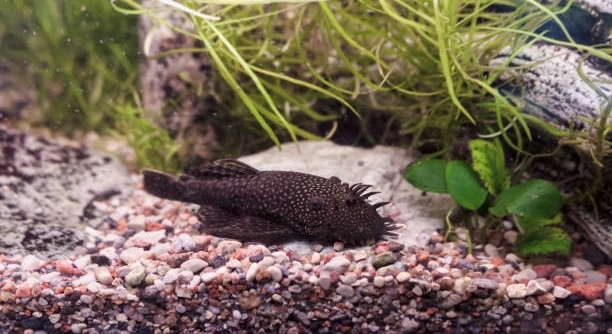
Plecos are peaceful fish that thrive in carefully maintained aquariums. Their health and behavior depend on many factors, including water quality, diet, and lighting. Proper light cycles help mimic their natural environment and keep them comfortable.
The ideal light cycle for plecos typically consists of 10 to 12 hours of light followed by 12 to 14 hours of darkness. Maintaining a consistent schedule supports their natural rhythms, encourages normal activity, and reduces stress in captivity.
Keeping a regular day-night pattern is essential for your plecos’ overall well-being. Consistency in lighting can influence their feeding habits, sleep patterns, and tank behavior over time.
Understanding Pleco Lighting Needs
Plecos are nocturnal fish, which means they are naturally more active at night and prefer dim lighting during the day. Too much light can stress them, making them hide for most of the day. In their natural habitat, they spend daytime among rocks, driftwood, and plants, avoiding bright sunlight. Mimicking this in an aquarium helps them feel safe and encourages normal behavior. Providing a proper light cycle also supports the growth of algae and other microorganisms they feed on, ensuring a balanced diet. A timer can help maintain consistency, turning lights on and off at the same time every day. Observing your plecos during different times can reveal if the lighting is too harsh or just right. Adjusting intensity and duration based on their activity levels ensures they remain healthy, reduces stress, and promotes natural sleep cycles, contributing to longer lifespan and overall well-being.
A consistent lighting routine allows plecos to regulate their activity patterns naturally, leading to healthier behavior and growth.
Monitoring light intensity and duration closely helps you create an environment where plecos feel secure, reducing hiding behavior and increasing daytime comfort.
Choosing the Right Light Type
Soft, full-spectrum LED lights are ideal for pleco tanks. They provide enough light for plant growth without overwhelming the fish.
LEDs produce less heat, which helps maintain stable water temperatures. Excess heat from other lighting types can stress plecos and disrupt their environment. Using adjustable LEDs allows you to control brightness and simulate natural day-night cycles. Pairing lights with floating plants or driftwood helps diffuse intensity, giving plecos shaded areas. Avoid overly bright fluorescent lights, as these can make plecos retreat and stay hidden. Installing a timer ensures the light schedule remains consistent, even if you are busy. Observing the tank daily allows you to notice how plecos respond, making small adjustments as needed. Keeping the balance between sufficient light for plants and a dim environment for the fish is key. This approach reduces stress, encourages natural feeding behavior, and ensures your plecos stay active during the night while resting comfortably during the day.
Proper light selection is essential to maintain both plant health and pleco comfort in the aquarium.
Adjusting Light Duration
Plecos do best with about 10 to 12 hours of light daily. Too long or too short exposure can stress them, affect their feeding habits, and disrupt their natural rhythm. A timer keeps the schedule consistent without guesswork.
Monitoring your plecos’ behavior helps determine if adjustments are needed. If they hide too much during the day, the light may be too bright or on for too long. Conversely, if algae growth is slow, they might need slightly more light. Gradual changes in duration prevent sudden stress and allow fish to adapt. Observing how they respond over a week or two can guide fine-tuning, ensuring both fish and plants thrive.
Changing the light cycle slowly is key. Rapid shifts can confuse plecos and make them retreat into hiding spots. Adjusting in 15–30 minute increments helps them adapt naturally while maintaining a stable tank environment.
Managing Tank Darkness
Dark periods are as important as light for plecos’ health. A minimum of 12 hours of darkness each day allows proper rest and natural activity patterns.
Providing shaded areas with driftwood, caves, or plants helps plecos feel secure during the day. Darkness reduces stress and mimics their natural habitat, encouraging natural behaviors. Avoid leaving tank lights on overnight, as continuous illumination can disrupt sleep, increase stress, and affect growth. Using blackout covers or dimmable lighting options allows more control over night periods. Observing plecos during dark hours shows they become more active and explore more when the cycle is consistent. Regularly maintaining this balance between light and dark ensures healthy feeding, growth, and overall activity patterns.
Using Timers for Consistency
Timers help maintain a steady light cycle without manual effort. They ensure plecos experience regular periods of light and darkness, which supports healthy behavior and reduces stress in the aquarium.
Consistent timing also benefits plants and algae growth, creating a balanced environment. Plecos thrive when their tank conditions follow a predictable schedule.
Observing Pleco Behavior
Watching plecos during different times of the day reveals how they respond to lighting. Increased hiding or lethargy often signals that adjustments are needed. Keeping notes on activity levels and feeding habits helps fine-tune light duration and intensity for optimal well-being.
Seasonal Adjustments
Natural daylight changes with seasons can affect aquarium light needs. Adjusting artificial lighting gradually ensures plecos remain comfortable and their natural rhythms are maintained.
FAQ
How many hours of light do plecos need daily?
Plecos generally do best with 10 to 12 hours of light each day. This amount mimics natural conditions and supports their activity patterns. Too much light can stress them, while too little can slow plant growth and reduce algae availability for feeding. Using a timer ensures the schedule stays consistent, even when life gets busy.
Can plecos survive in a dimly lit tank?
Yes, plecos can survive in dimly lit tanks, as they are nocturnal and naturally avoid bright light during the day. However, extremely low light can limit plant growth and reduce algae, their natural food source. Providing shaded areas while maintaining moderate ambient lighting ensures both plecos and tank plants thrive.
Is it necessary to turn off the lights completely at night?
Complete darkness at night is beneficial for plecos. It allows them to rest, reduces stress, and maintains their natural circadian rhythms. Continuous light can confuse them, increase hiding behavior, and affect feeding. Blackout covers or timers can help ensure the dark period is uninterrupted.
How can I tell if my plecos are stressed by lighting?
Signs of stress from improper lighting include excessive hiding, reduced feeding, lethargy, and unusual aggression. Observing their behavior during the day and night can reveal patterns. Adjusting light intensity or duration gradually often helps them return to normal activity.
Can I use any type of light for plecos?
Not all lights are ideal. Soft, full-spectrum LED lights are recommended because they provide enough illumination for plants without overwhelming the fish. Avoid very bright fluorescent lights, which can make plecos hide constantly. Adjustable lights allow for control over intensity, helping mimic natural conditions.
Should I change the light schedule seasonally?
Seasonal changes in daylight can affect tank lighting needs. Gradual adjustments to light duration help plecos adapt without stress. Extending light slightly in winter or shortening it in summer maintains natural rhythms. Using timers and observing behavior ensures smooth seasonal transitions.
Do plecos need shaded areas even with proper lighting?
Yes, shaded areas are essential. Driftwood, caves, and plants provide hiding spots, reducing stress even when lighting is correct. Plecos feel secure when they can retreat from direct light, which encourages natural behavior like feeding at night and exploring their environment during dim periods.
How important is consistency in the light cycle?
Consistency is critical for plecos’ health. A regular schedule helps regulate their sleep, activity, and feeding patterns. Irregular lighting can lead to stress, erratic behavior, and decreased immunity. Using a timer eliminates guesswork and keeps the tank environment stable.
Can too much darkness be harmful?
Excessive darkness can limit plant growth, reduce algae for feeding, and cause boredom or inactivity. Plecos need a balance of light and dark to maintain healthy behavior and energy levels. Observing both fish and tank plants helps determine if the dark period is appropriate.
Are there benefits to dimming the lights gradually?
Yes, gradually dimming the lights in the morning and evening mimics natural sunrise and sunset. This reduces stress and helps plecos adjust smoothly to changes in lighting. It also encourages natural behaviors, like feeding and exploring, while supporting healthy sleep cycles.
What is the best way to introduce a new light system?
Introduce new lighting slowly, especially if it’s brighter or has a different spectrum. Start with shorter durations and lower intensity, increasing gradually over a week or two. This prevents stress, allows plecos to adapt, and avoids sudden behavioral changes like hiding or reduced feeding.
Can other tank inhabitants affect pleco lighting needs?
Yes, plants, algae, and other fish influence lighting decisions. Plants need enough light to grow, while some fish may prefer brighter areas. Balancing the needs of all inhabitants ensures plecos remain comfortable while maintaining a healthy, thriving aquarium ecosystem.
This FAQ provides a complete guide to managing pleco lighting effectively, helping you maintain their health, natural behavior, and overall tank balance.
Word count: 522
Final Thoughts
Maintaining the right light cycle for plecos is one of the most important steps in keeping them healthy and happy. Plecos are nocturnal, so they naturally prefer dim conditions during the day and become more active at night. Providing 10 to 12 hours of light followed by 12 to 14 hours of darkness helps mimic their natural environment. Using timers is an easy way to maintain this routine consistently. When the light schedule is consistent, plecos show more natural behaviors, such as feeding at night and resting during the day, which reduces stress and improves overall health. It also supports the growth of algae and other microorganisms that are an important part of their diet. By paying attention to both light duration and intensity, you can create an environment where plecos thrive.
Adjusting light intensity is just as important as maintaining the schedule. Bright lights can cause plecos to hide constantly, while very low light can limit the growth of plants and algae they rely on for food. Providing shaded areas, like caves, driftwood, or dense plant cover, gives plecos a safe place to retreat when lights are on. Gradual adjustments in lighting are better than sudden changes, which can confuse and stress the fish. Seasonal adjustments may also be necessary to mimic natural variations in daylight. Observing your plecos’ behavior during both light and dark periods allows you to make small tweaks to the lighting setup, ensuring that they are comfortable and active at the right times. This balance between proper light and sufficient darkness is key to creating a healthy aquarium environment.
Consistency is the final piece of the puzzle. Maintaining regular light and dark periods helps regulate plecos’ internal rhythms, supports feeding patterns, and encourages natural activity. Using timers eliminates guesswork, and dimming lights gradually in the morning and evening can make transitions feel more natural. Monitoring the tank daily helps you notice any behavioral changes that could indicate stress or discomfort. Overall, taking the time to carefully plan and manage lighting for plecos is a simple yet effective way to support their long-term health and well-being. A stable and balanced environment allows plecos to behave naturally, feed properly, and grow in a way that reflects their life in the wild, ensuring they remain active, healthy, and comfortable in your care.
Word count: 406

Hello,
If you enjoy the content that we create, please consider saying a "Thank You!" by leaving a tip.
Every little bit helps us continue crafting quality advice that supports the health, happiness, and well-being of pets around the world, for pets of all shapes, sizes, and species.
We really appreciate the kindness and support that you show us!