
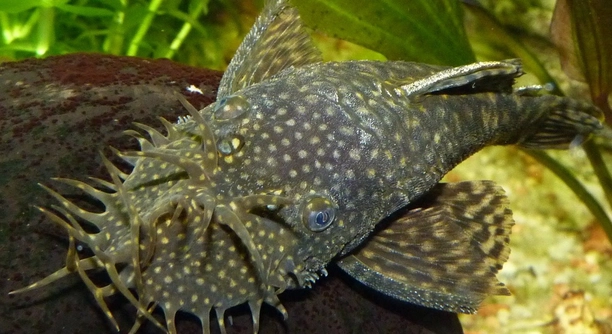
Adding plecos to a well-established aquarium can feel exciting and rewarding. Many fishkeepers enjoy seeing their tanks flourish with new life, but introducing a new species requires careful planning to maintain balance and harmony.
Adding plecos to a mature tank is generally possible, provided the existing fish are compatible and the tank environment meets the plecos’ specific needs. Proper acclimation, monitoring water quality, and offering adequate hiding spaces are essential for their successful integration.
Understanding how plecos interact with your tank and other fish will make the addition smoother and healthier for everyone involved. Careful preparation ensures a thriving aquatic environment that benefits all inhabitants.
Assessing Tank Compatibility
Before adding plecos, it’s important to assess your tank’s current setup. Plecos vary in size and behavior, so knowing your tank dimensions and existing fish is key. Some plecos grow very large and need extra space to move comfortably. Territorial fish may become stressed if a new pleco is introduced without planning. Consider hiding spots, plants, and decorations that allow plecos to retreat when they feel threatened. Water parameters must also be checked. Plecos prefer slightly acidic to neutral pH and stable temperatures. Sudden changes can shock both new and existing fish. Observing the current fish’s temperament helps avoid aggressive encounters. Feeding habits should also be compatible. Plecos primarily graze on algae and need occasional protein. If other fish consume most food quickly, plecos may be underfed. Taking these steps ensures a balanced and peaceful aquarium where each species can thrive, reducing the risk of stress or disease.
Adding plecos to a compatible tank improves algae control and adds visual interest without disrupting existing fish.
Plecos are generally peaceful, but size and diet must be matched carefully. Large plecos may uproot plants or require more hiding spaces. They need clean water and stable conditions to avoid illness. By planning tank layout and feeding schedules, plecos can coexist with most community fish, enhancing the tank’s ecosystem.
Proper Acclimation
Acclimation helps plecos adjust safely to a new tank without causing stress or shock.
Start by floating the pleco in its bag for 15-20 minutes to equalize temperature. Gradually mix small amounts of tank water into the bag every 10 minutes. After 1-2 hours, gently release the pleco into the tank using a net. Avoid pouring the bag water directly, which can introduce pathogens. Monitor the fish closely for the first few days for signs of stress or illness. Provide hiding spots immediately, as plecos may hide more at first. Feeding should be slow and small amounts until the pleco adjusts. Water quality should be checked daily to ensure stable parameters. Acclimation reduces sudden changes that can harm both the pleco and existing fish. Over time, plecos will explore the tank, graze on algae, and interact peacefully with other fish, enhancing the overall health and appearance of the aquarium.
Feeding and Nutrition
Plecos need a mix of algae, vegetables, and occasional protein. Feeding should match their size and tank conditions to prevent overfeeding or malnutrition.
Fresh vegetables like zucchini, cucumber, and spinach work well. Algae wafers supplement their diet, especially in tanks with limited natural algae. Protein can come from sinking pellets or occasional bloodworms, but this should be limited to avoid water quality issues. Feeding in the evening aligns with their natural nocturnal habits, and removing uneaten food prevents decay. Variety keeps them healthy and active. Observing the pleco’s eating behavior helps ensure each fish gets enough nutrition without harming the tank environment.
Avoid overfeeding, as leftover food can pollute the tank. Plecos thrive on a careful balance of plant matter and protein, adjusted to their size. Proper feeding supports their growth and keeps the ecosystem stable, minimizing stress on all fish.
Tank Maintenance
Regular cleaning keeps the tank safe for plecos and other fish. Gravel vacuuming removes debris and prevents toxic buildup.
Water changes of 20-30% weekly maintain stable conditions. Filtration should be strong enough to handle pleco waste, which can be significant in larger specimens. Testing for ammonia, nitrites, nitrates, and pH ensures water remains safe. Decorations and hiding spots need occasional cleaning to prevent algae overgrowth. Overcrowding and poor filtration can stress plecos, leading to disease. Monitoring water quality after introducing a new pleco helps detect early issues. Keeping consistent conditions allows all fish to coexist peacefully and supports healthy growth for the pleco.
Choosing the Right Pleco
Selecting a pleco that matches your tank size and fish temperament is essential. Small species work better in community tanks, while larger types need space and strong filtration.
Consider the pleco’s diet and activity level. Some species are more aggressive or nocturnal, which can affect other fish. Researching species-specific needs helps avoid conflicts. Choosing a pleco suited to your tank ensures it thrives without disrupting existing inhabitants or the tank’s ecosystem.
Observing Behavior
Monitor new plecos closely for the first weeks. Watch for hiding, aggression, or poor feeding. Stress signs can indicate adjustment issues or incompatibility. Regular observation helps catch problems early.
Plecos may initially stay hidden and avoid interaction. Over time, they explore the tank and graze naturally. Watching their behavior allows you to adjust hiding spaces, feeding schedules, or water conditions. Ensuring a calm environment reduces stress and supports healthy growth. Consistent monitoring helps maintain harmony between plecos and other fish, preventing long-term issues.
Managing Tank Space
Plecos need areas to hide and graze without overcrowding. Rocks, driftwood, and plants provide safe spots.
Providing multiple spaces prevents territorial disputes and allows plecos to feed comfortably. Proper layout supports healthy fish interactions and overall tank stability.
FAQ
Can plecos live with small community fish?
Yes, many pleco species are compatible with small community fish, but size and temperament matter. Smaller plecos like bristlenose plecos are less aggressive and usually peaceful with tetras, guppies, and rasboras. Large plecos may accidentally disturb smaller fish when moving around or foraging. Providing plenty of hiding spots and monitoring interactions during the first weeks helps reduce stress and ensures all fish coexist peacefully.
How large can plecos grow in a mature tank?
The size depends on the species. Bristlenose plecos stay around 4-6 inches, while common plecos can exceed 18 inches. Large plecos need spacious tanks with strong filtration to handle their waste. Planning ahead for adult size prevents overcrowding, stress, and water quality issues.
What should I feed plecos in a mature tank?
Plecos are primarily herbivores but benefit from occasional protein. Feed them algae wafers, blanched vegetables, and occasional sinking pellets. Avoid overfeeding, as uneaten food can decay and harm water quality. Observing their feeding habits ensures each pleco gets enough nutrition without overloading the tank ecosystem.
How often should I clean the tank with plecos?
Regular maintenance is key. Vacuum the substrate weekly and perform 20-30% water changes to prevent harmful buildup. Plecos produce significant waste, so proper filtration is essential. Clean decorations and hiding spots occasionally to control algae. Consistent maintenance keeps water parameters stable and the tank healthy for all fish.
Will plecos damage plants or decorations?
Some species may uproot plants or scratch surfaces while grazing. Bristlenose plecos are gentler, while larger species like common plecos can be destructive. Adding rocks, driftwood, or artificial plants provides safe areas for grazing and reduces damage to live plants. Proper planning minimizes conflicts.
Do plecos need hiding spots in a mature tank?
Yes, hiding spots are essential for stress reduction. Plecos are nocturnal and shy, especially in a new tank. Driftwood, caves, and dense plants give them shelter and places to rest. Multiple hiding spots prevent territorial disputes and allow plecos to feel secure while interacting naturally with the environment.
How long does it take for plecos to adjust to a new tank?
Adjustment can take days to weeks depending on species and tank conditions. Initially, plecos may hide or eat less. Gradually, they explore, feed regularly, and interact with the tank. Maintaining stable water parameters, providing hiding spots, and observing behavior accelerates acclimation and reduces stress.
Can plecos coexist with aggressive fish?
Aggressive fish can stress plecos, leading to injury or illness. Some plecos can tolerate semi-aggressive fish if ample hiding spaces are available, but careful observation is necessary. Avoid introducing plecos into tanks dominated by aggressive or territorial species, as it may disrupt the tank’s balance.
Are plecos nocturnal?
Yes, plecos are primarily nocturnal. They feed mostly at night and may hide during the day. Providing dim lighting or shaded areas encourages natural behavior. Understanding their activity patterns helps in feeding schedules and ensures a harmonious tank environment.
Do plecos help control algae in a mature tank?
Plecos graze on algae but should not be relied on as the sole method of control. They reduce algae growth, but regular maintenance, proper lighting, and balanced nutrients are still necessary. Feeding plecos vegetables and algae wafers supplements their diet without over-reliance on tank algae.
Can plecos get along with other bottom dwellers?
Plecos generally coexist with other bottom dwellers like corydoras or loaches if the tank is spacious enough. Competition for food and territory can occur, so provide multiple feeding areas and hiding spots. Observing interactions ensures peace and prevents stress or injuries among bottom-dwelling species.
What water conditions do plecos prefer?
Plecos thrive in stable water with a pH of 6.5-7.5 and temperatures around 72-82°F. Sudden changes can stress or harm them. Regular monitoring of ammonia, nitrites, and nitrates is essential, especially in mature tanks with established fish populations. Consistency ensures healthy growth and long-term well-being.
How can I tell if my pleco is stressed?
Signs include hiding constantly, not eating, clamped fins, or rubbing against surfaces. Stress can result from poor water quality, incompatible tankmates, or insufficient hiding spots. Identifying stress early allows for adjustments in water conditions, feeding, or tank layout to improve their environment.
Do plecos require special lighting?
No special lighting is needed. They prefer dim or moderate light since they are nocturnal. Bright lights can make them hide more often. Indirect lighting or shaded areas allow plecos to graze naturally and reduce stress, helping them remain active and healthy.
Can I breed plecos in a mature tank?
Some species can breed if water conditions and hiding spaces are suitable. Bristlenose plecos are more likely to spawn in captivity. Providing caves, stable water, and appropriate diet encourages breeding behavior. Monitoring eggs and fry is essential to prevent predation by other fish in a community tank.
Is it okay to add more than one pleco?
Yes, multiple plecos can coexist if the tank is large enough and hiding spots are sufficient. Overcrowding can lead to competition and stress, especially with larger species. Proper planning, feeding, and tank layout help maintain harmony among multiple plecos in a mature aquarium.
How do I treat common pleco diseases?
Common issues include fungal infections, ich, and fin rot. Quarantine new plecos and maintain high water quality to prevent illness. Early detection is crucial, and medications should be used according to the condition. Clean tanks and stable environments reduce the likelihood of disease outbreaks significantly.
Are plecos suitable for beginners?
Smaller species like bristlenose plecos are beginner-friendly due to their size, hardiness, and peaceful nature. Larger species require more experience because of space, filtration, and dietary needs. Understanding each pleco’s specific requirements ensures success in a mature tank, making the experience manageable and rewarding.
Do plecos need supplements?
Occasionally, plecos benefit from calcium or vegetable-based supplements, especially if their diet lacks variety. Proper supplementation supports growth, health, and fin development. Supplements should be balanced and not overused to prevent water quality issues in the tank.
How long do plecos live in a mature tank?
Plecos can live 10-15 years or longer with proper care. Consistent water quality, balanced diet, and suitable tank mates contribute to longevity. Planning for long-term care ensures plecos remain healthy and continue contributing to a stable, thriving aquarium environment.
Final Thoughts
Adding plecos to a mature tank can be a rewarding decision when done thoughtfully. These fish are known for their algae-eating habits and unique appearance, making them popular additions to many aquariums. However, their successful integration depends on careful consideration of tank size, existing fish, and water conditions. Not all pleco species are suited for every tank. Smaller species, like bristlenose plecos, tend to do well in community tanks with peaceful fish, while larger species require more space and stronger filtration. Taking the time to research your pleco species beforehand ensures that you are prepared for their needs and can prevent potential conflicts or stress.
Proper acclimation is one of the most important steps when introducing a pleco to an established tank. Sudden changes in water temperature, pH, or overall tank conditions can shock the fish and lead to illness. Floating the pleco in its bag, gradually mixing tank water, and slowly releasing the fish allows it to adjust safely. Providing hiding spots from the start is equally important. Plecos are naturally shy and nocturnal, so they will often retreat to caves or driftwood in the early days. Observing their behavior during the first few weeks can help you understand how they are adjusting and whether any changes in tank setup are needed. Adjustments in feeding schedules, lighting, and placement of decorations can reduce stress and encourage natural behavior.
Feeding and maintenance play key roles in keeping plecos healthy in a mature tank. They need a diet that includes vegetables, algae wafers, and occasional protein supplements, but overfeeding must be avoided to maintain water quality. Regular water changes, substrate cleaning, and monitoring of ammonia, nitrites, and nitrates are necessary, especially as plecos produce more waste than many other fish. Maintaining a clean, stable environment ensures that both plecos and existing fish thrive together. Overall, successfully adding plecos requires attention to detail, patience, and consistent care, but the results can be very satisfying. Watching a well-adjusted pleco graze along the tank, interact with its environment, and coexist peacefully with other fish can bring a sense of accomplishment and add life to your aquarium for many years.

Hello,
If you enjoy the content that we create, please consider saying a "Thank You!" by leaving a tip.
Every little bit helps us continue crafting quality advice that supports the health, happiness, and well-being of pets around the world, for pets of all shapes, sizes, and species.
We really appreciate the kindness and support that you show us!