
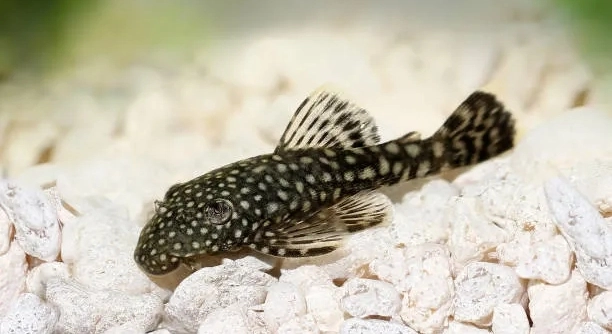
Are your plecos often left with store-bought foods that lack variety or freshness? Many aquarium owners struggle to provide a balanced diet that keeps their plecos healthy and active. Homemade foods can offer both nutrition and enrichment.
Creating DIY foods for plecos allows control over ingredients, nutritional content, and texture. Recipes typically include vegetables, algae, and binding agents to ensure the meals are safe, digestible, and suitable for a species that thrives on high-fiber diets.
Exploring simple homemade recipes can improve your plecos’ overall health and add variety to their daily meals. Making food at home is practical and rewarding.
Vegetable Medley Cakes
Creating vegetable medley cakes for plecos is simple and highly effective. Start by selecting vegetables rich in fiber, such as zucchini, spinach, and carrots. Steam or lightly boil them to soften while retaining nutrients. Once cooked, blend the vegetables into a smooth paste, then mix in a binding agent like gelatin or agar-agar to hold the shape. Spread the mixture into molds or small portions and refrigerate until firm. These cakes can be cut into bite-sized pieces suitable for plecos and stored in the fridge for a few days. Adding a small amount of spirulina powder not only enhances the nutritional value but also encourages natural feeding behavior. Regularly offering these cakes helps plecos maintain strong digestive systems while varying their diet, which can be essential for long-term health. Observing your fish while eating ensures that all portions are consumed and reduces the risk of leftover food decaying in the tank.
Vegetable medley cakes provide high fiber, essential nutrients, and texture that plecos enjoy. They support digestive health and overall well-being.
Consistency and quality matter when making these cakes. Rotating vegetables and adjusting portion sizes ensures plecos receive balanced meals while keeping their diet interesting. Homemade cakes also allow careful control of additives, minimizing preservatives that may be in commercial foods. Offering these cakes alongside occasional algae sheets can mimic natural feeding patterns. Watching plecos interact with these portions can reveal preferences and help refine recipes. Over time, making these cakes becomes easier, and you can experiment with subtle flavor combinations while ensuring nutritional content remains appropriate. Preparing food at home also gives peace of mind about ingredient quality, reducing reliance on processed foods. Plecos benefit from fresh textures, which support their natural grazing habits, preventing boredom and encouraging activity in the tank.
Algae and Spirulina Blocks
Algae and spirulina blocks are a reliable addition to a pleco’s diet. They are nutrient-dense and encourage natural feeding behavior.
Making these blocks involves combining powdered spirulina, finely chopped algae, and a binding agent. Mix thoroughly and press into molds, then freeze or refrigerate until firm. The resulting blocks can be portioned according to your tank’s needs, offering long-lasting meals that slowly release nutrients. These blocks not only provide essential vitamins and minerals but also mimic the grazing that plecos do in nature. Adjusting the ratio of spirulina to algae can influence texture and flavor, making the blocks more appealing to different pleco species. Observing how your fish respond helps determine the ideal balance for each tank. Blocks can also be paired with occasional fresh vegetables or pellets to ensure a complete diet. Regularly rotating these blocks with other DIY foods reduces monotony and supports overall health, while minimizing leftover waste in the aquarium. Proper storage and portioning make these blocks convenient, safe, and effective for daily feeding.
Frozen Cucumber Slices
Frozen cucumber slices are a quick and simple way to provide plecos with fresh, fibrous food. They help support digestion and encourage natural grazing behavior without requiring complicated preparation.
Cut cucumbers into thin slices that plecos can easily handle. Blanching is optional but can soften the slices slightly. Freeze them individually on a tray to prevent sticking, then transfer to a container or bag for storage. When feeding, place a slice directly in the tank and observe the fish. Frozen cucumber releases slowly, giving plecos time to nibble and digest properly. It also helps reduce excess uneaten food from decomposing in the tank. Offering cucumber in combination with other DIY foods ensures variety, which is essential for maintaining interest and promoting overall health.
These slices provide hydration and fiber while being extremely low in calories. Plecos respond well to the texture, making them an easy daily addition.
Frozen cucumber slices are convenient, cost-effective, and versatile. You can rotate slices with other vegetables or algae-based foods, allowing plecos to graze naturally. Some plecos prefer slightly thawed slices, while others eat them frozen, which can provide gentle stimulation. Regular use supports digestive health, encourages activity, and prevents boredom. You can also add small amounts of spirulina or other vegetable pastes to enhance nutritional content. By observing your fish’s preferences, you can adjust feeding portions and combinations to ensure balanced meals. The simplicity of this method makes it easy to integrate into a regular feeding routine, ensuring plecos stay healthy without extra effort.
Pumpkin Puree Bites
Pumpkin puree bites are rich in fiber and easy for plecos to digest. They help maintain healthy intestines and promote steady growth.
To prepare, cook fresh pumpkin until soft and mash into a smooth consistency. Mix with a binder such as agar-agar or gelatin to hold the shape. Portion into small molds and refrigerate or freeze until firm. These bites can be adjusted in size depending on your pleco species and tank population. You can also blend in small amounts of spinach or zucchini to add variety and nutrients. Pumpkin’s mild flavor is generally well-received, making it a reliable staple. Incorporating these bites regularly provides consistency in diet while still allowing rotation with other DIY foods, helping to prevent boredom.
Homemade pumpkin puree bites can be customized for texture and nutrient content. Using fresh ingredients ensures no preservatives are added, and combining with vegetables or spirulina increases overall health benefits. These bites are versatile and can be stored for days, making feeding more efficient. Watching how plecos interact with the bites can help refine portions, texture, and flavor, ensuring all fish receive enough food. Properly prepared, these bites support digestive health, provide essential nutrients, and encourage active feeding behavior in the tank.
Spinach and Pea Patties
Spinach and pea patties are a nutrient-packed option that plecos enjoy. They provide fiber, vitamins, and minerals while being easy to prepare and portion.
Steam the spinach and peas until soft, then mash into a paste. Mix with a binder like gelatin or agar-agar and form small patties. Refrigerate until firm and serve directly in the tank.
Sweet Potato Discs
Sweet potato discs offer natural carbohydrates and fiber. Slice thinly and boil until tender. These discs can be frozen for later use, making feeding convenient and consistent.
Nori Sheets
Nori sheets are an excellent source of minerals and encourage grazing. Cut into small strips and attach to a clip or weight to prevent floating. This method allows plecos to feed naturally, promoting activity and maintaining healthy teeth and digestion.
DIY Algae Wafers
DIY algae wafers combine spirulina, vegetables, and binding agents for balanced nutrition. Mixing ingredients into a thick paste and pressing into wafer shapes allows them to firm in the fridge. These wafers can be portioned to match tank size and feeding schedules, providing a steady, digestible source of nutrients that complements fresh vegetables and other homemade foods. Regular rotation prevents monotony, ensures proper growth, and supports digestive health while encouraging plecos to exhibit natural grazing behaviors over time.
FAQ
What vegetables are best for plecos?
Leafy greens like spinach, kale, and lettuce work well. Zucchini, cucumber, and carrots are also suitable. These vegetables are high in fiber, low in fat, and help support digestion. Rotating different vegetables ensures plecos receive a variety of nutrients and prevents boredom.
Can I feed my plecos fruits?
Fruits should be offered sparingly because they contain sugar, which plecos don’t naturally consume in large amounts. Small pieces of melon or apple occasionally can be safe, but focus primarily on vegetables and algae-based foods. Always remove uneaten fruit to prevent water contamination.
How often should I offer homemade foods?
DIY foods can be offered daily, but in controlled portions. Monitor your plecos’ consumption to avoid leftovers, which can pollute the tank. Combining homemade foods with occasional store-bought options ensures variety while meeting nutritional needs.
Can plecos eat frozen vegetables?
Yes, frozen vegetables like cucumber or peas are suitable. Freezing softens them and makes them easier to digest. Simply thaw or slightly blanch before serving to reduce shock from very cold food. Frozen options are convenient and retain most nutrients.
How do I make sure my plecos eat all the food?
Observe feeding sessions and adjust portion sizes accordingly. Cutting food into small, manageable pieces helps. Rotating types of food also maintains interest. Remove any uneaten portions after a few hours to maintain water quality.
Are algae wafers enough for a balanced diet?
Algae wafers provide essential nutrients, but they shouldn’t be the sole food. Pair them with fresh vegetables or DIY foods to ensure fiber, vitamins, and minerals are balanced. Homemade foods allow control over ingredients and texture.
Can I use gelatin or agar-agar for binding foods?
Yes, both are safe for plecos and help form firm, manageable portions. Agar-agar is plant-based, while gelatin is animal-derived. Both dissolve in water if left too long, so proper storage in the fridge is important.
Do plecos prefer cooked or raw vegetables?
Lightly cooking or steaming vegetables can make them easier to digest while retaining nutrients. Some plecos enjoy raw vegetables, but softer textures generally encourage more active feeding. Testing small amounts helps determine preferences.
How long can I store homemade pleco foods?
Refrigerated foods usually last 2–3 days, while frozen portions can last several weeks. Always monitor for signs of spoilage. Portioning in advance saves time and reduces waste, while keeping the diet consistent and nutritious.
Is spirulina safe for plecos?
Spirulina is highly beneficial. It provides protein, vitamins, and minerals while supporting coloration and overall health. Small amounts can be mixed into pastes, cakes, or wafers. Overfeeding can cause water quality issues, so moderation is important.
Can baby plecos eat the same DIY foods as adults?
Yes, but cut portions smaller to match their size and feeding abilities. Softer textures are easier for juveniles to consume. Introducing a variety early encourages healthy growth and natural grazing habits.
How do I prevent food from contaminating the tank?
Cut food into small, manageable pieces and remove uneaten portions within a few hours. Using clips for sheets or freezing vegetables helps reduce waste. Regular observation ensures plecos consume most of the food and the tank remains clean.
Are there risks with homemade foods?
Risks are minimal if ingredients are fresh and safe. Avoid toxic vegetables like onions or potatoes. Use clean utensils and molds. Proper storage and controlled portions prevent spoilage and maintain water quality.
Can I add supplements to DIY pleco foods?
Yes, small amounts of calcium or trace minerals can be added to support growth and health. Use sparingly and ensure they don’t overpower the food, maintaining a balanced diet.
How do I know if my plecos are getting enough nutrition?
Healthy plecos are active, show normal coloration, and have consistent growth. Observation during feeding and monitoring tank water parameters helps ensure diet and environment support their health.
Can I mix different DIY foods together?
Yes, combining cakes, wafers, or vegetable slices adds variety. Mixing textures encourages natural grazing and prevents boredom. Rotate ingredients to maintain balance in nutrients.
How do I transition plecos to homemade foods?
Introduce small portions alongside their usual diet. Gradually increase the amount of DIY food over several days while reducing store-bought options. Observation ensures they accept the new foods without stress.
Is it necessary to peel vegetables before feeding?
Peeling depends on the vegetable. Hard skins, like carrot or cucumber, can be softened by boiling or steaming. Leafy greens don’t require peeling. Softening helps with digestion and encourages active feeding.
How do I ensure variety in homemade diets?
Rotate vegetables, add spirulina or algae, and alternate cakes, discs, and wafers. Variety ensures all necessary nutrients are met, supports digestion, and keeps plecos interested in their meals.
What is the best feeding schedule for DIY foods?
Once or twice daily is sufficient for most plecos. Adjust based on species, size, and tank population. Regular monitoring ensures all fish receive enough food without leftovers affecting water quality.
Can I use leftover vegetables from my kitchen?
Yes, as long as they are safe, fresh, and pesticide-free. Wash thoroughly and avoid moldy or overly ripe produce. Proper preparation and storage maintain safety and nutritional value.
Do plecos need protein in their diet?
Plecos are primarily herbivorous, but some protein from algae or small amounts of boiled peas can be beneficial. Focus mainly on fibrous vegetables and algae to meet their nutritional requirements while supporting digestive health.
How do I make food more appealing to picky plecos?
Adjust texture, size, and ingredients. Adding small amounts of spirulina or lightly cooking vegetables can encourage feeding. Rotating types and observing preferences helps create meals they consistently enjoy.
Is it okay to fast plecos occasionally?
Occasional fasting, such as skipping a day, is generally safe and can help prevent overfeeding. Monitor behavior and health to ensure it doesn’t negatively affect their activity or growth.
Can homemade foods help with color enhancement?
Yes, ingredients like spirulina and certain vegetables provide natural pigments that enhance coloration. Regular inclusion supports vibrant colors and overall health without relying on artificial additives.
Are there foods I should avoid completely?
Avoid onions, garlic, raw potatoes, and processed human foods. These can be toxic or harmful to plecos, causing digestive issues or illness. Stick to vegetables, algae, and safe binders for consistent, healthy meals.
Can I make large batches of DIY pleco food?
Yes, but store properly in the fridge or freezer. Portioning into small servings helps prevent waste and ensures each feeding is fresh and safe. Rotate types to maintain variety and nutritional balance.
How do I know which recipes my plecos prefer?
Observe feeding behavior and monitor which foods are consumed first. Some plecos may prefer softer textures, while others enjoy firmer or leaf-based foods. Adjust recipes based on preferences to ensure all fish eat adequately.
Can DIY foods replace store-bought diets entirely?
Homemade foods can provide the majority of a pleco’s diet if balanced and varied. Occasional store-bought items can supplement nutrition, but relying solely on fresh, well-prepared DIY foods ensures control over quality and consistency.
Are there storage tips for homemade foods?
Keep portions in airtight containers and refrigerate or freeze. Use freezer-safe bags for long-term storage. Labeling with dates helps track freshness. Proper storage prevents spoilage and maintains nutrient content for safe feeding.
Do plecos need fiber in their diet?
Yes, fiber supports digestion and prevents constipation. Vegetables, algae, and homemade cakes provide sufficient fiber while promoting healthy gut activity and natural grazing behaviors.
How do I handle leftovers in the tank?
Remove any uneaten portions within a few hours to maintain water quality. Use a siphon or net to prevent decay. Feeding appropriate portions helps reduce waste and keeps the aquarium clean.
Can homemade foods improve breeding success?
A well-balanced diet with fiber, vitamins, and minerals supports reproductive health. Providing fresh vegetables, algae, and DIY cakes encourages strong overall health, which can positively impact breeding behaviors.
Is it safe to add powdered supplements to DIY foods?
Yes, but use sparingly. Over-supplementing can harm water quality and fish health. Follow recommended amounts and combine with vegetables and algae for balanced nutrition.
Do all pleco species eat the same DIY foods?
Most herbivorous species will accept similar foods, but preferences vary. Some species may favor algae or softer vegetables. Observation ensures each species receives appropriate nutrition tailored to their needs.
How can I make feeding less messy?
Cut food into small pieces, use clips for sheets, and remove uneaten portions promptly. Freezing vegetables or shaping pastes into firm cakes reduces waste and maintains water quality.
Can plecos eat lettuce?
Yes, romaine or green leaf lettuce is suitable. It provides fiber and moisture but should be offered alongside nutrient-rich vegetables to ensure balanced nutrition.
What is the best way to introduce new DIY foods?
Offer small portions alongside familiar foods. Gradually increase the new food while reducing old options. Observation ensures plecos accept the change without stress or refusal.
Are there any DIY foods for picky feeders?
Soft vegetable pastes, small cakes, and algae blocks are generally appealing. Adjust textures, add spirulina, or mix ingredients to encourage reluctant feeders to eat consistently.
Can homemade foods impact water quality?
Yes, uneaten portions can decay and raise ammonia levels. Controlling portion sizes, removing leftovers, and freezing foods for timed release helps maintain water quality.
How long do plecos take to eat DIY foods?
Feeding time varies by species and food type. Leafy vegetables may take hours to graze, while small cakes or discs are consumed faster. Observe to ensure all fish receive enough food.
Are there binders other than gelatin or agar-agar?
Some use cooked potato, rice flour, or oatmeal as alternatives. These create firm textures while being safe and digestible. Test small amounts to see which works best for your recipes.
How can I tell if homemade foods are spoiled?
Check for mold, unusual odors, or discoloration. Discard spoiled portions immediately. Proper refrigeration or freezing extends shelf life while keeping nutrients intact.
Do plecos eat frozen vs. fresh foods differently?
Some prefer thawed or slightly softened frozen foods, while others accept them directly. Testing small amounts reveals preferences. Frozen foods often retain nutrients well and provide convenient feeding options.
Can DIY foods be part of a long-term feeding plan?
Yes, rotating cakes, wafers, discs, and vegetables ensures balanced nutrition. Observing preferences and adjusting portions maintains health, activity, and dietary variety consistently over time.
What is the easiest DIY food to make regularly?
Frozen cucumber slices or simple vegetable discs are the quickest options. Minimal preparation, long storage, and wide acceptance make them practical for daily feeding routines.
How can I ensure all fish get enough when feeding DIY foods?
Distribute portions evenly across the tank. Observe feeding patterns, and separate more aggressive eaters if necessary. Rotate food types to maintain interest and reduce competition.
Are there any safety precautions when making DIY foods?
Use clean utensils, fresh ingredients, and safe binders. Avoid toxic vegetables, over-supplementing, and improper storage. Monitor water quality to prevent contamination from uneaten portions.
Can plecos eat zucchini?
Yes, zucchini is soft, fibrous, and highly digestible. Serve boiled, steamed, or frozen. It’s widely accepted and complements other homemade foods for a balanced diet.
How can I tell if plecos like a new recipe?
Observe feeding behavior, speed of consumption, and interest in the food. Acceptance indicates preference, while rejection signals adjustment may be needed in texture or flavor.
Is it necessary to mix different DIY foods in one feeding?
Not required, but mixing can provide variety and encourage grazing. Rotating textures and ingredients supports balanced nutrition and prevents boredom.
Do homemade foods affect growth rates?
Properly balanced DIY foods support healthy growth by providing fiber, vitamins, and minerals. Monitoring consumption and portion sizes ensures growth remains steady and normal.
Can I offer multiple DIY foods at once?
Yes, but portion carefully to prevent waste. Offering different textures and ingredients at the same time can satisfy preferences and encourage natural grazing behavior.
Are there any foods that help with pleco teeth maintenance?
Fibrous vegetables, algae sheets, and harder discs help naturally wear down teeth, preventing overgrowth and supporting proper dental health.
How often should I clean feeding areas?
Clean immediately after uneaten portions are removed. Regular maintenance prevents bacteria, mold, and water quality issues, keeping plecos healthy and feeding areas safe.
Do plecos eat protein-rich foods?
They consume minimal protein naturally. Small amounts of peas or algae provide sufficient protein. Focus remains on fiber-rich vegetables and algae for digestive health.
Can homemade foods prevent disease?
Balanced DIY foods support overall health and immunity, but proper tank maintenance, water quality, and observation remain essential to disease prevention.
What is the best way to store small portions?
Use airtight containers or freezer-safe bags. Label with dates, portion sizes, and type of food. This keeps food fresh and reduces preparation time for daily feeding.
Can I feed my plecos entirely on vegetables?
Yes, a variety of fibrous vegetables supplemented with algae and occasional binding agents provides balanced nutrition suitable for most herbivorous plecos.
How do I adjust recipes for different pleco species?
Monitor size, feeding habits, and preferences. Adjust texture, portion size, and ingredient types to match species-specific needs while maintaining a balanced, fibrous diet.
Are there any DIY foods that improve activity levels?
Variety and texture, such as cakes, discs, and algae blocks, encourage grazing and exploration, promoting natural behaviors and active swimming patterns.
Do plecos need variety in textures?
Yes, offering soft pastes, firm discs, and leafy sheets mimics natural grazing and prevents boredom. Variety supports digestion and encourages normal feeding behavior.
Can homemade foods be supplemented with vitamins?
Yes, small amounts of trace vitamins or minerals can be added. Over-supplementing is unnecessary if vegetables and algae are varied and fresh.
Is it okay to blend multiple vegetables into one food type?
Blending can create nutrient-rich pastes or cakes. Ensure consistency and portion size are suitable for plecos to prevent waste and maintain digestion.
How do I know if plecos are overfed?
Signs include leftover food, sluggish swimming, or bloating. Adjust portion sizes and feeding frequency accordingly to maintain health and water quality.
Can I add garlic or spices to DIY foods?
No, spices, garlic, and strong flavors can harm plecos. Stick to safe vegetables, algae, and binders for healthy meals.
How do I gradually introduce a new vegetable?
Start with small amounts mixed with familiar foods. Observe feeding and slowly increase quantity once accepted. This minimizes rejection and maintains a stable diet.
Are there any safety concerns with frozen foods?
Avoid freezer burn or excessive thawing. Freeze in portions and thaw appropriately to maintain texture, nutrition, and safety for consumption.
Do plecos need calcium supplements?
Not typically necessary if vegetables and algae provide sufficient minerals. Occasional supplementation may help growth or breeding, but monitor amounts carefully.
How long does it take for plecos to adjust to DIY foods?
Adjustment usually occurs within a few days to a week. Observation ensures acceptance, and gradual introduction prevents stress or rejection.
Can I mix protein sources with vegetables?
Small additions like peas or spirulina are fine. Focus remains on fiber-rich foods for proper digestion and overall health.
Are there any signs of nutrient deficiency?
Pale coloration, lethargy, or poor growth may indicate missing nutrients. Rotate foods, include algae, and monitor feeding behavior to correct deficiencies.
Can DIY foods improve coloration?
Yes, spirulina and certain vegetables enhance natural colors. Consistent inclusion supports vibrant tones without artificial additives.
Do plecos eat different foods depending on size?
Yes, juveniles need smaller, softer portions, while adults handle firmer textures. Adjust accordingly to ensure all fish feed properly.
Is it safe to mix fresh and frozen foods?
Yes, combining fresh vegetables with frozen slices or discs adds variety and maintains balanced nutrition without adverse effects.
How do I know which DIY foods last longest?
Vegetable discs, frozen slices, and firm cakes tend to store longer. Proper refrigeration or freezing extends shelf life and preserves nutrients.
Can homemade foods support long-term health?
Yes, when balanced, varied, and properly stored, DIY foods maintain digestive health, coloration, and natural behaviors over the long term.
Do plecos prefer firm or soft textures?
Preferences vary. Some enjoy soft pastes, while others favor firmer discs. Observation helps tailor recipes to each tank’s needs.
Are there quick DIY foods for daily feeding?
Frozen cucumber slices and simple vegetable discs are easy, require minimal prep, and are widely accepted by plecos for daily feeding.
Can DIY foods reduce stress in plecos?
Offering familiar, nutrient-rich foods encourages natural grazing, reducing stress and promoting healthier behavior compared to monotonous diets.
Do homemade foods impact tank maintenance?
Yes, uneaten portions can affect water quality. Proper portioning, removal of leftovers, and careful storage minimize maintenance concerns.
Can I use leftover DIY food?
If properly stored in the fridge or freezer, leftovers are safe. Always check for spoilage before feeding to prevent contamination.
Do plecos need a feeding routine with DIY foods?
Consistent feeding schedules help maintain activity, digestion, and health. Routine portions reduce stress and ensure adequate intake.
How do I clean molds used for homemade foods?
Wash thoroughly with hot water and mild soap. Ensure no residue remains to prevent contamination in future batches.
Are there any vegetables to avoid?
Onions, garlic, and raw potatoes should be avoided. Stick to safe options like leafy greens, zucchini, cucumber, pumpkin, and peas.
Can homemade foods replace supplements entirely?
If balanced, DIY foods can meet most nutritional needs. Occasional supplementation may help in specific situations, but variety is key.
How do I make foods more appealing visually?
Colorful vegetables, spirulina powder, or natural variations in the mixture make foods more attractive to plecos and encourage active feeding.
Do plecos eat leaves naturally?
Yes, leafy greens mimic natural grazing. Offering romaine, spinach, or kale provides fiber, hydration, and essential nutrients in a familiar format.
Can I offer multiple types of DIY foods in one week?
Yes, rotating cakes, discs, wafers, and vegetable slices ensures variety
Final Thoughts
Providing homemade foods for plecos is both practical and beneficial. Store-bought options often lack variety and can contain additives or preservatives that may not be ideal for long-term health. Preparing simple DIY foods allows you to control the ingredients, ensuring they are safe, fresh, and balanced. Vegetables such as zucchini, spinach, and pumpkin, along with algae and spirulina, supply fiber, vitamins, and minerals that support digestive health, growth, and overall vitality. By preparing these foods in small cakes, discs, or wafers, you can offer portions that are manageable for your plecos while reducing waste and keeping the tank clean. Regularly rotating different types of homemade foods keeps feeding interesting for the fish and ensures that they receive a broad range of nutrients, which can be essential for maintaining their natural behaviors and activity levels.
Homemade pleco foods also allow for customization according to the needs of your tank. Different pleco species may have specific preferences or dietary requirements, and observing their behavior during feeding can help you adjust portion sizes, textures, and ingredients. For example, some fish may prefer softer vegetable pastes, while others respond better to firmer discs or algae sheets. Including a mix of textures and flavors helps prevent monotony, encourages natural grazing behavior, and ensures that all fish in a community tank have the opportunity to feed adequately. Additionally, using binders like agar-agar or gelatin makes it easy to shape foods into convenient portions, which can be refrigerated or frozen for later use. This approach not only simplifies feeding routines but also reduces the likelihood of leftover food decaying in the aquarium, which can negatively impact water quality. By preparing foods in advance and storing them properly, you can maintain a steady and consistent feeding schedule that supports healthy, active plecos.
Finally, focusing on homemade foods reinforces the importance of observing and understanding your fish. Not all plecos eat the same way, and their preferences may change over time. By offering a variety of vegetables, algae, and spirulina-based foods, you create opportunities to monitor feeding habits, adjust recipes, and ensure that nutritional needs are met. Homemade foods also give peace of mind knowing that ingredients are controlled and free from unnecessary additives. While occasional store-bought supplements or wafers can complement a DIY diet, relying on fresh, balanced foods ensures long-term health and well-being. Ultimately, integrating simple, nutrient-rich homemade foods into your plecos’ diet supports digestion, growth, coloration, and activity, making it a practical and effective way to care for these fish in a natural, sustainable manner. Observing the benefits over time reinforces that taking the effort to prepare foods at home contributes to healthier, more vibrant, and more active plecos in any aquarium setup.

Hello,
If you enjoy the content that we create, please consider saying a "Thank You!" by leaving a tip.
Every little bit helps us continue crafting quality advice that supports the health, happiness, and well-being of pets around the world, for pets of all shapes, sizes, and species.
We really appreciate the kindness and support that you show us!