
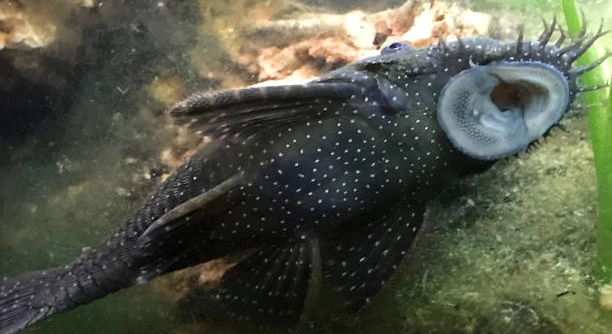
Is your pleco swimming in circles and leaving you wondering what could be wrong? Observing unusual behavior in your fish can be concerning. Plecos are generally calm, and spinning may indicate an underlying issue with their environment or health.
Spinning in circles is often caused by poor water quality, infections, parasites, or stress. Inadequate tank conditions such as incorrect pH, temperature fluctuations, or overcrowding can also lead to this behavior, making it essential to identify and correct the root cause promptly.
Understanding why your pleco behaves this way can help restore its health and well-being. Small changes in care or environment can make a significant difference in its behavior.
Common Causes of Spinning Behavior
Plecos spinning in circles is often linked to environmental stress or health issues. Water quality is a primary factor. High ammonia, nitrite, or nitrate levels can irritate fish, causing erratic swimming. Temperature fluctuations also play a role, as plecos prefer stable, slightly warm conditions. Overcrowding in the tank increases stress, making spinning more likely. Parasites and infections are another reason. Internal parasites, ich, or bacterial infections can affect balance and swimming patterns. Nutrition may also contribute. A diet lacking in essential nutrients can weaken a pleco, making it more susceptible to illness. Observing other signs like loss of appetite, clamped fins, or discoloration can help identify if a health problem exists. Proper testing of water, careful feeding, and monitoring behavior over time can reveal patterns. Addressing water quality, feeding routines, and tank conditions early often prevents worsening symptoms and improves overall health. Consistent care is key to maintaining a calm, balanced fish.
Checking water parameters regularly prevents long-term health problems for plecos. Balanced water keeps their swimming steady and predictable.
Keeping a close eye on your pleco’s behavior is essential. Sudden spinning often signals discomfort or stress. Adjusting the tank environment, including filtration, water changes, and temperature, can correct many issues. Ensuring a varied diet rich in vegetables and occasional protein supports immune health. Quarantining new fish prevents introducing disease. Providing hiding spots and gentle lighting reduces stress. Small, gradual changes are better than drastic ones, which can worsen behavior. Observing patterns over days allows you to see if interventions are effective. When in doubt, consulting a veterinarian experienced with fish can help. Spinning is rarely harmless, so timely action is important. With proper attention, your pleco can return to normal swimming habits, improving its overall well-being and creating a calmer tank environment. Consistency and observation are key to maintaining healthy behavior.
Preventing Spinning Through Tank Care
Maintaining clean water and stable conditions is critical to preventing spinning. Consistent monitoring of ammonia, nitrite, and nitrate is essential.
Regular water changes, proper filtration, and attention to diet ensure plecos remain healthy. Removing stressors like overcrowding, abrupt lighting changes, or incompatible tank mates reduces spinning behavior and supports normal activity. Keeping hiding spots and gentle water flow helps fish feel secure, further preventing erratic swimming. Overfeeding can degrade water quality, so measured feeding routines are important. Proper substrate and décor that mimic natural habitats encourage natural behavior. Monitoring for early signs of illness allows prompt action. Each adjustment, from temperature control to tank organization, contributes to maintaining calm, balanced plecos. Preventative care reduces the likelihood of spinning caused by environmental or health stressors, ensuring a stable tank ecosystem. By following these steps consistently, plecos remain active, healthy, and display normal swimming patterns, making the aquarium more enjoyable to observe.
Signs of Illness in Plecos
Changes in swimming patterns often indicate illness. Loss of appetite, clamped fins, or unusual spots on the body are common signs. Lethargy and hiding more than usual can also suggest stress or infection.
Internal parasites can cause spinning and erratic movement. Bacterial infections often affect the fins and skin, while fungal infections may appear as fuzzy patches. Observing your pleco closely helps identify subtle changes before they worsen. Illness can develop quickly, so early intervention is important. Providing a clean tank, balanced diet, and proper temperature reduces the likelihood of disease. Quarantining new fish also prevents transmission. Monitoring multiple signs together gives a clearer picture of overall health.
Stress can mimic illness, making behavior hard to interpret. Overcrowding, sudden changes in water parameters, or aggressive tank mates can trigger spinning. Ensuring hiding spots and consistent routines helps reduce stress. Even healthy plecos may spin briefly when exploring or adjusting to new surroundings. Separating environmental causes from medical ones allows targeted care. Recording water tests, diet, and behavior over time helps identify patterns. Consistency in tank maintenance, feeding, and observation is key to preventing spinning from stress or illness.
Diet and Nutrition Considerations
Providing a balanced diet supports pleco health and reduces abnormal behavior. Fresh vegetables, algae wafers, and occasional protein are essential.
Lack of proper nutrition weakens immune systems and can cause spinning. Plecos need a mix of plant matter and protein to stay healthy. Feeding too little or too much disrupts digestion and can stress the fish. Vegetables such as zucchini, cucumber, and spinach provide fiber and essential vitamins. Algae wafers supplement their grazing needs. Occasionally, protein from shrimp pellets or bloodworms helps maintain energy levels and overall vitality. Observing eating habits can indicate whether diet is sufficient. Adjusting feeding routines ensures consistent health and normal behavior.
Uneven or imbalanced nutrition can worsen spinning caused by stress or disease. If spinning persists, evaluating the diet alongside tank conditions is necessary. Offering fresh, varied foods encourages natural grazing and reduces stress. Overfeeding contributes to poor water quality, creating further health problems. Monitoring consumption and adjusting portions helps prevent digestive issues. Combining a proper diet with clean water, hiding spots, and compatible tank mates creates a stable environment. Regularly rotating vegetables and supplementing protein maintains interest and supports immune function. A well-fed pleco is less likely to spin due to weakness or nutrient deficiency.
Water Quality Issues
Poor water quality is a leading cause of spinning in plecos. High levels of ammonia, nitrite, or nitrate stress fish and disrupt normal swimming. Regular water testing is essential.
Fluctuating pH and temperature can also affect behavior. Sudden changes may trigger erratic swimming, making stability crucial.
Tank Environment Adjustments
Providing enough space and hiding spots helps plecos feel secure. Overcrowding and strong currents increase stress, often leading to spinning. Adjusting decorations and adding gentle water flow creates a calmer environment. Monitoring interactions with other fish prevents bullying, which can also cause erratic swimming behavior.
Parasite and Infection Control
Parasites and infections often affect swimming patterns. Early detection through observation and water testing allows timely treatment to prevent further complications and support recovery.
FAQ
Why is my pleco spinning in circles all the time?
Spinning is often a response to stress or poor tank conditions. High ammonia or nitrate levels, unstable temperature, or overcrowding can make plecos swim erratically. Parasites or infections can also affect balance. Observing other symptoms, such as loss of appetite or clamped fins, helps determine if the behavior is environmental or health-related. Correcting water parameters, providing hiding spots, and ensuring a balanced diet usually reduces spinning.
Can spinning indicate a serious illness?
Yes, spinning may signal internal parasites, bacterial infections, or fungal growth. If your pleco shows persistent spinning along with visible spots, lesions, or abnormal coloration, prompt treatment is necessary. Early detection prevents complications and improves recovery. Quarantining the affected fish can also stop the spread to other tank inhabitants.
How can I check if water quality is causing the spinning?
Regularly test ammonia, nitrite, nitrate, pH, and temperature. High or fluctuating readings stress plecos and can trigger spinning. Water changes, proper filtration, and stable heating correct these issues. Observing behavior after adjustments helps identify if water quality was the main factor.
Could my pleco be spinning due to stress from tank mates?
Yes, aggressive or incompatible fish can cause stress, leading to spinning. Overcrowding, constant chasing, or lack of hiding places increases anxiety. Providing ample space, separate hiding spots, and monitoring interactions can reduce stress-related erratic swimming.
Does diet affect spinning behavior?
Improper nutrition can weaken a pleco’s immune system, making it more susceptible to illness and erratic swimming. A diet with fresh vegetables, algae wafers, and occasional protein ensures overall health. Observing eating habits and adjusting portions supports normal behavior. Avoid overfeeding, as leftover food can harm water quality.
How long will it take for my pleco to stop spinning?
Recovery depends on the cause. Environmental adjustments may show improvement within a few days, while health issues might take longer, requiring treatment. Patience and consistent care are important. Observing the fish daily helps track progress and prevent relapses.
Should I isolate my pleco if it keeps spinning?
Isolation can help if spinning is linked to illness or stress from tank mates. Quarantining reduces disease spread and allows closer monitoring. Ensure the quarantine tank has stable water, hiding spots, and proper diet. Gradually reintroduce the pleco once behavior stabilizes.
Can spinning cause long-term harm?
Persistent spinning may indicate underlying health issues or continuous stress. Left unaddressed, it can weaken the fish, increase susceptibility to disease, and reduce lifespan. Identifying and resolving the cause promptly prevents lasting damage and ensures better overall health.
Are there preventive measures to avoid spinning in the future?
Maintaining stable water parameters, a balanced diet, and sufficient tank space are key. Regular water testing, proper filtration, and monitoring interactions help keep plecos calm. Providing hiding spots and avoiding sudden environmental changes also reduces stress and promotes healthy swimming patterns.
When should I consult a veterinarian?
Consult a vet if spinning persists despite proper tank care, diet, and environment adjustments. Professional advice is essential for infections, parasites, or other medical issues. Early intervention increases the chances of full recovery and ensures your pleco remains healthy.
How can I tell if spinning is normal exploration or a problem?
Occasional spinning while exploring or adjusting to new surroundings is usually harmless. Persistent, repeated, or frantic spinning paired with other symptoms indicates stress or illness. Monitoring frequency, duration, and accompanying behaviors helps distinguish normal activity from a serious problem.
Can spinning be caused by water flow or filtration issues?
Strong currents or turbulent water may make plecos swim in circles. Adjusting flow, adding gentle currents, and arranging decorations to create calmer areas allow the fish to swim normally. Properly positioned filters prevent excessive turbulence and reduce stress-induced spinning.
Is there a link between tank size and spinning?
Yes, small or overcrowded tanks can stress plecos and trigger spinning. Providing adequate space for swimming, hiding, and grazing reduces erratic behavior. Each pleco species has different space requirements, so knowing the specific needs ensures a healthier environment and stable swimming habits.
Final Thoughts
Observing your pleco spinning in circles can be worrying, but understanding the reasons behind this behavior helps address the issue effectively. In many cases, spinning is a response to environmental stress or poor water conditions. High levels of ammonia, nitrite, or nitrate, sudden temperature changes, or pH fluctuations can disrupt a pleco’s balance and make it swim erratically. Overcrowding in the tank or aggressive tank mates can also create stress, prompting spinning as a coping mechanism. Monitoring water parameters regularly, maintaining a stable temperature, and providing enough space are key steps in preventing these problems. Simple adjustments like adding hiding spots, rearranging decorations, or providing gentle water flow can make a significant difference in helping your pleco feel secure and return to normal swimming patterns. By paying attention to the tank environment and ensuring it meets the pleco’s needs, you can prevent much of the spinning behavior caused by stress or discomfort.
Health issues are another common reason plecos spin in circles, and they should not be overlooked. Internal parasites, bacterial infections, and fungal infections can all affect swimming patterns. Signs like clamped fins, unusual spots, loss of appetite, or lethargy often accompany spinning caused by illness. Early detection is important for effective treatment. Quarantining a sick fish helps prevent the spread of disease to other tank inhabitants. Providing a balanced diet rich in vegetables and occasional protein supports the immune system and helps plecos resist illness. Keeping careful records of feeding habits, water changes, and any behavioral changes over time allows you to identify patterns and address health problems quickly. Acting promptly when you notice consistent spinning can prevent minor issues from becoming serious, and ensures your pleco recovers more comfortably and quickly.
Prevention and observation are the best approaches to managing spinning behavior in plecos. Maintaining consistent care, such as regular water testing, proper filtration, balanced feeding, and stable environmental conditions, reduces stress and promotes healthy swimming. Even small changes in the tank setup can have a noticeable impact. Observing behavior daily allows you to catch early signs of stress or illness before they worsen. Understanding the interplay between diet, environment, and health helps create a calm, stable space for your pleco. Addressing issues proactively, rather than waiting for problems to escalate, ensures your pleco remains active, healthy, and comfortable in its habitat. With careful attention and consistent maintenance, spinning behavior can be minimized, and your pleco can thrive, showing normal swimming patterns and enjoying a stable, well-maintained tank environment.

Hello,
If you enjoy the content that we create, please consider saying a "Thank You!" by leaving a tip.
Every little bit helps us continue crafting quality advice that supports the health, happiness, and well-being of pets around the world, for pets of all shapes, sizes, and species.
We really appreciate the kindness and support that you show us!