
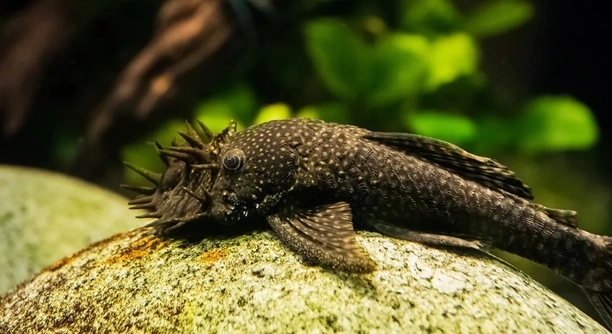
Are your aquariums home to several plecos, leaving the tank prone to heavy waste accumulation? Managing water quality becomes essential for both fish health and maintaining a clean, balanced environment in your aquarium space.
Selecting the right filter for a pleco-heavy tank requires careful consideration of water flow, debris capacity, and biological filtration. Effective filtration ensures ammonia and nitrite levels remain safe, promotes oxygenation, and supports the overall health of both plecos and other aquatic species.
Proper filtration can prevent frequent water changes and reduce maintenance stress, keeping your plecos thriving and your aquarium environment stable and enjoyable.
Understanding Pleco Waste Production
Plecos are efficient algae eaters, but they also produce a significant amount of waste, which can quickly accumulate in tanks. Their size and appetite mean uneaten food and excrement build up, causing cloudy water and increasing ammonia levels. Over time, this can stress other fish and disrupt the balance of your aquarium. Plecos require strong filtration because standard filters often cannot handle their waste output. Proper filtration keeps water clear and helps maintain healthy bacterial colonies that naturally process toxins. Additionally, plecos stir up substrate while feeding, which can release trapped debris and further challenge filtration systems. Choosing a filter that handles high bioload ensures your tank stays clean and reduces the frequency of water changes. Regular maintenance, including siphoning debris and checking filter media, complements a strong filtration system. By understanding pleco behavior and waste production, you can select the right equipment to support a stable, thriving aquarium environment.
Plecos’ activity and feeding habits require filters that can manage both solid and dissolved waste efficiently to maintain water clarity.
Selecting a filter is not just about size; it involves matching flow rate, mechanical capacity, and biological support. Some filters combine multiple stages, capturing debris while nurturing beneficial bacteria. Canister filters often work best for larger tanks with multiple plecos, as they provide strong circulation and customizable media. Sponge filters offer gentle flow, ideal for smaller tanks or fry protection. Power filters balance convenience with adequate filtration for medium tanks. Considering maintenance ease is important, as pleco tanks require frequent cleaning. Proper filter placement also improves performance, ensuring all areas receive adequate water movement. Pairing filtration with routine water changes helps prevent nitrate buildup and keeps your plecos healthy. Investing in a quality filter tailored to your tank’s size and pleco population minimizes stress, promotes growth, and sustains a stable aquatic ecosystem over time.
Choosing Between Filter Types
Canister filters are ideal for heavy bioload tanks and offer strong, customizable filtration.
Canister filters provide superior mechanical, chemical, and biological filtration, handling large volumes of water efficiently. They allow you to customize media types, combining sponges, bio-rings, and activated carbon to target specific needs. The strong flow helps circulate water evenly, reducing dead spots where debris can accumulate. While setup can be more complex, the long-term performance and reduced maintenance frequency make them worthwhile for pleco-heavy tanks. They also minimize noise and maintain a clean tank surface, which is especially important if you have tall or deep aquariums. For larger plecos or multiple fish, canister filters outperform standard hang-on-back or sponge filters by maintaining stable water chemistry and promoting overall health. Investing in a canister filter ensures your aquarium remains visually clear and biologically balanced, supporting both plecos and other tank inhabitants. Proper media choice and regular cleaning optimize longevity and efficiency.
Hang-On-Back Filters
Hang-on-back (HOB) filters are easy to install and maintain, offering moderate filtration suitable for smaller pleco tanks or lightly stocked setups.
HOB filters hang on the back of the tank and draw water through intake tubes into the filter chamber. They provide mechanical and chemical filtration, and some models include biological media to support beneficial bacteria. Flow rate varies, making it essential to match the filter to your tank size and pleco load. These filters are convenient for regular maintenance, as cartridges or sponges are easy to replace or rinse. HOB filters are ideal for aquariums up to medium size, providing sufficient circulation without overwhelming smaller fish. Adjusting the flow direction helps prevent strong currents that might stress plecos while maintaining clean water throughout the tank.
While HOB filters are less powerful than canisters, combining them with regular siphoning and partial water changes ensures stable conditions. Proper care and media replacement maintain water clarity and support healthy pleco growth in moderately stocked aquariums.
Sponge Filters
Sponge filters offer gentle filtration and aeration, making them perfect for fry tanks or sensitive plecos.
Sponge filters use an air pump to push water through a porous sponge, trapping debris while allowing beneficial bacteria to grow. The gentle flow prevents stress in smaller or delicate plecos while providing steady biological filtration. These filters are extremely quiet, consume little electricity, and are simple to maintain. Cleaning involves rinsing the sponge in tank water to preserve bacterial colonies, which helps maintain water quality and supports a balanced ecosystem. Sponge filters are effective in small tanks or as supplementary filtration in larger setups, ensuring consistent water clarity. Their simplicity and reliability make them a low-maintenance yet highly efficient choice.
Even though sponge filters do not handle high bioloads alone, combining them with regular water changes or additional filters ensures pleco-heavy tanks remain healthy. Proper placement and routine sponge maintenance optimize their efficiency, keeping your tank clean and stress-free for its inhabitants.
Internal Filters
Internal filters are submerged inside the tank and provide compact, efficient filtration for smaller pleco setups.
They are easy to position and often combine mechanical, chemical, and biological filtration. Flow rates are adjustable, making them suitable for delicate or small aquariums where plecos reside.
Power Filters
Power filters use a motorized pump to move water through multiple media types, ensuring strong circulation and effective filtration. They can handle higher waste loads and maintain stable water quality, even in tanks with multiple plecos. Choosing the right size and media combination is key for optimal performance.
Undergravel Filters
Undergravel filters pull water through the substrate, allowing biological filtration and oxygenation. They are simple but less effective for heavily stocked pleco tanks and work best as supplementary filtration.
FAQ
What type of filter is best for a tank with multiple plecos?
For tanks with several plecos, canister filters are generally the most effective. They provide strong water flow, superior mechanical and biological filtration, and customizable media options. This ensures that waste from larger or multiple plecos is managed efficiently, keeping water clear and safe. Canisters also reduce the frequency of maintenance compared to smaller filters, making them ideal for busy aquariums. HOB or power filters can work for moderately stocked tanks, but they may struggle with heavier bioloads. Pairing a primary filter with secondary filtration, like a sponge filter, helps maintain stability and reduces stress for the fish.
How often should I clean my filter in a pleco-heavy tank?
Cleaning frequency depends on the filter type and tank bioload. Canister filters generally require partial cleaning every 4–6 weeks, with full media replacement every few months. HOB and power filters may need cartridge or sponge rinsing every 2–4 weeks, especially if plecos produce a lot of waste. Avoid using tap water with chlorine for rinsing, as it can kill beneficial bacteria. Instead, use tank water to gently clean media. Regular maintenance prevents clogs, maintains water flow, and keeps ammonia and nitrite levels under control. Observing water clarity and flow helps determine if more frequent cleaning is needed.
Can I use a sponge filter as the only filter for plecos?
Sponge filters alone are usually not sufficient for tanks with large or multiple plecos. While they provide gentle biological filtration and aeration, they struggle to handle high waste production. They are excellent as supplemental filters or in smaller, lightly stocked tanks. For heavily populated tanks, pairing a sponge filter with a canister or HOB filter improves overall efficiency. Sponge filters are easy to maintain and very quiet, which benefits sensitive species. They support beneficial bacteria growth, but relying on them exclusively may lead to cloudy water or elevated toxins in pleco-heavy setups.
Is water flow important for pleco filtration?
Yes, water flow plays a critical role in maintaining healthy conditions. Plecos disturb the substrate while feeding, and a strong but controlled flow prevents debris buildup. Canister and power filters offer adjustable flow rates to balance cleaning efficiency and fish comfort. Too strong a current can stress plecos, while too weak a flow may allow waste to accumulate. Positioning the filter outlet properly ensures circulation throughout the tank. Combining flow with biological filtration promotes a stable environment by evenly distributing oxygen and nutrients while preventing dead spots where toxins could build up.
What filter media works best for pleco tanks?
A combination of mechanical, chemical, and biological media is ideal. Mechanical media, like sponges or filter floss, traps solid waste. Chemical media, such as activated carbon, removes odors and discoloration. Biological media, including ceramic rings or bio-balls, supports beneficial bacteria that process ammonia and nitrite. Canister filters often allow layering of media types, offering the best balance. Sponge filters provide mainly mechanical and biological filtration. Proper selection and routine cleaning of media ensure efficient filtration, water clarity, and the long-term health of plecos and other fish.
How do I prevent filter clogging in a pleco-heavy tank?
Preventing clogs starts with choosing a filter rated for your tank size and pleco population. Pre-filters or sponge covers on intakes help trap large debris. Regular siphoning of uneaten food and waste reduces the load on the filter. Avoid overfeeding, which increases debris, and rinse media in tank water instead of tap water to maintain bacteria. Staggering maintenance schedules between primary and secondary filters keeps flow consistent. Proper placement of the filter outlet can reduce dead zones where debris collects. These practices help maintain consistent performance and a healthy aquatic environment.
Can I use multiple filters in one pleco tank?
Yes, using multiple filters can improve water quality and stability. A combination of a primary filter, like a canister or power filter, and secondary filtration, such as a sponge or HOB filter, helps manage heavy waste loads. This setup ensures mechanical, chemical, and biological filtration is balanced while maintaining gentle flow in certain tank areas. Redundant filtration also acts as a safeguard if one filter underperforms or requires maintenance. Placement matters; position filters to optimize water circulation and avoid stagnant zones. Multiple filters reduce maintenance pressure and enhance long-term stability for pleco-heavy aquariums.
Are there any filters to avoid for pleco tanks?
Undergravel filters are generally not recommended for heavily stocked pleco tanks. While they offer biological filtration and oxygenation, they struggle with high waste loads and can become clogged quickly. They may work as supplemental filtration in smaller tanks, but relying on them alone often leads to poor water quality. Low-capacity HOB filters can also be insufficient if the tank has multiple or large plecos. Choosing filters that handle mechanical, chemical, and biological needs efficiently is critical. Investing in higher-capacity, reliable filters ensures stable water parameters and reduces stress on the fish.
Can filter maintenance affect pleco health?
Yes, proper maintenance is essential to pleco health. Neglecting cleaning can lead to ammonia spikes, poor oxygenation, and algae buildup, which stress fish and may cause disease. Conversely, over-cleaning or using chlorinated water can kill beneficial bacteria, reducing biological filtration. Using tank water for rinsing media and maintaining a consistent cleaning schedule helps maintain balance. Observing pleco behavior, water clarity, and chemistry provides indicators for maintenance needs. A well-maintained filter supports a stable environment, promoting growth, activity, and overall well-being for plecos and other tank inhabitants.
How do I know if my filter is strong enough?
A filter is strong enough if water remains clear, debris is minimal, and ammonia or nitrite levels stay at zero. Observing substrate, plants, and pleco behavior provides additional clues. Water should circulate throughout the tank without creating overly strong currents. For pleco-heavy tanks, a slightly higher-rated filter than the minimum tank size recommendation ensures efficiency. Monitoring filter flow, cleaning intervals, and water chemistry helps determine whether adjustments or upgrades are needed. Ensuring proper capacity and consistent performance prevents stress, supports health, and reduces maintenance frequency for both plecos and other tank inhabitants.
How do I combine different filters effectively?
Combining filters works best when each serves a specific purpose. For example, a canister filter can act as the primary mechanical and biological filter, while a sponge filter provides gentle aeration and additional biological support. Placing filters at different points ensures even water circulation. Regular maintenance and media cleaning should be staggered to maintain consistent flow. Monitoring ammonia, nitrite, and nitrate levels helps verify effectiveness. This setup reduces reliance on a single filter, improves water clarity, and provides stability in pleco-heavy tanks, keeping fish healthy and active.
Can pleco behavior damage filters?
Plecos may nibble on soft filter tubing or stir up substrate near intakes, which can temporarily reduce efficiency. Using pre-filters or sponge guards on intakes prevents large debris from entering and damaging pumps. Positioning filters carefully and securing tubing minimizes disruptions. Plecos’ bottom-dwelling habits also mean regular inspection of filters is important. Despite these risks, proper filter selection, placement, and protective accessories ensure long-term durability and stable filtration, even in tanks with active plecos.
What is the best routine to maintain pleco tank filters?
Check water flow weekly and clean mechanical media as needed. Rinse sponges and cartridges in tank water to preserve bacteria. Replace chemical media monthly and inspect biological media for clogs. Perform partial water changes during filter maintenance. Stagger cleaning between multiple filters to maintain stability. Observing water clarity and fish behavior helps adjust the routine. This approach ensures continuous, effective filtration, preventing toxic buildup and stress, and keeps plecos thriving. Regular attention reduces the likelihood of equipment failure and maintains a healthy aquarium environment.
How do filter size and tank volume relate?
Filter size should exceed tank volume to handle pleco waste efficiently. A general rule is 4–5 times the tank volume per hour for canisters or HOB filters. Overestimating ensures excess capacity during high bioload periods. Undersized filters struggle to remove debris and toxins, leading to poor water quality. Correct sizing combined with appropriate media and maintenance prevents ammonia spikes, promotes oxygenation, and supports beneficial bacteria. Properly matched filters maintain stability, keep plecos healthy, and reduce the need for frequent water changes. Consistent performance ensures long-term tank health and clarity.
Can I use a filter with high flow for large plecos?
High-flow filters help circulate water and remove waste, but extremely strong currents can stress plecos. Adjustable-flow filters are ideal, allowing customization to suit tank size and fish behavior. Direct outlets away from hiding spots reduce stress while maintaining cleaning efficiency. High-flow filtration combined with appropriate media ensures both oxygenation and waste removal. Observing pleco movement and substrate activity helps balance flow for comfort and filtration performance. Proper setup protects delicate fins, encourages natural behavior, and maintains clear, healthy water for all tank inhabitants.
Are there any maintenance tips for long-term filter performance?
Use tank water for rinsing media, stagger cleaning schedules, and replace chemical media regularly. Monitor water parameters and adjust flow as needed. Check pumps and tubing for wear or blockages. Keep the intake free from debris to maintain efficiency. Consistent maintenance reduces stress, improves water clarity, and prolongs filter lifespan. Combining proper care with a correctly sized and positioned filter ensures stability, supporting plecos and other tank inhabitants. Predictable maintenance schedules help avoid sudden water quality issues and allow you to respond quickly to potential problems.
How do I reduce noise from filters in pleco tanks?
Filters can produce noise from vibration or water flow. Secure canisters on stable surfaces and ensure hoses are tight to reduce rattling. HOB filters should be correctly seated to avoid splashing. Using sponge pre-filters dampens flow noise, and adjusting water levels can prevent overflow sounds. Quiet operation reduces stress for plecos and creates a more peaceful aquarium environment, especially for smaller or sensitive species. Choosing low-noise models and maintaining them properly helps sustain efficient filtration without disturbing fish behavior or daily enjoyment of the tank.
What should I do if my filter fails unexpectedly?
Turn off electricity and inspect the filter for clogs, impeller issues, or media blockages. Use a backup filter or temporary sponge filter to maintain water quality. Partial water changes can help reduce ammonia spikes. Avoid overfeeding until the filter is operational again. Quick response prevents stress and health issues for plecos and other inhabitants. Regular inspection and having spare parts or a secondary filter on hand reduces risks of complete failure. Monitoring water parameters closely during downtime ensures the tank remains safe until full filtration is restored.
Can plecos survive with minimal filtration?
Plecos can tolerate low flow for short periods, but minimal filtration is not sustainable long-term. Waste accumulates quickly, leading to ammonia spikes and poor water quality. Heavy bioload tanks require robust filtration to support health, growth, and activity. Supplemental filtration and regular water changes are necessary to maintain stability. Underpowered filtration increases stress, susceptibility to disease, and reduces oxygenation. For a thriving pleco population, investing in appropriate filters and maintaining them properly ensures long-term survival and a clean, balanced environment.
How do I balance filter strength and pleco comfort?
Adjust flow rates to prevent stress while ensuring adequate filtration. Position outlets to reduce direct currents on hiding spots. Combine primary and secondary filtration if needed to balance efficiency and gentle flow. Observing pleco behavior ensures they remain active and comfortable. Proper setup minimizes stress while maintaining optimal water quality.
Is biological filtration enough for pleco tanks?
Biological filtration supports ammonia and nitrite conversion, but mechanical and chemical filtration are also necessary. Mechanical media removes solid waste, while chemical media addresses discoloration and toxins. Relying solely on biological filtration may lead to cloudy water and unstable parameters in heavily stocked tanks. Comprehensive filtration ensures healthy, clear water for plecos.
How do I choose a filter for a newly established pleco tank?
Select a filter with sufficient capacity for the tank size and expected pleco growth. Consider media versatility and adjustable flow. Canister or HOB filters are suitable for medium to large tanks, while sponge filters supplement biological filtration. Proper setup ensures stability as the tank matures.
Can filters affect pleco coloration or health?
Yes, clean and stable water promotes vibrant coloration and overall health. Poor filtration leads to stress, disease, and dulling of colors. Maintaining proper media and flow ensures plecos remain active, healthy, and visually vibrant.
How do I monitor filter efficiency over time?
Check water clarity, flow rate, and chemical parameters regularly. Observe pleco behavior and substrate cleanliness. Media condition and pump operation also indicate efficiency. Routine inspection ensures early intervention before water quality issues arise.
What is the best setup for multiple plecos in a large tank?
Use a high-capacity canister or power filter as primary, supplemented by sponge or HOB filters for gentle flow areas. Proper placement ensures circulation throughout the tank, supporting water quality and healthy pleco activity. Maintenance and monitoring complete the setup for stability and clarity.
How do I handle filter media replacement without stressing plecos?
Replace media gradually, staggering stages if possible. Rinse new media in tank water to preserve beneficial bacteria. Avoid removing all biological media at once to maintain filtration stability. Gradual replacement minimizes sudden water parameter changes and reduces stress.
Can filters help control algae growth in pleco tanks?
Yes, effective filtration reduces excess nutrients that fuel algae. Mechanical and chemical media trap debris and discoloration. Stable water chemistry and proper flow limit algae proliferation. Combined with routine cleaning, filters support a balanced tank and healthier plecos.
Are there any special considerations for pleco fry or juveniles?
Juveniles are sensitive to strong currents and low oxygen. Sponge filters provide gentle flow and biological filtration, supporting growth. Canister filters with adjustable flow can be paired to maintain water quality without stressing small plecos. Proper setup ensures survival and healthy development.
Can I rely on natural filtration like plants alone for pleco tanks?
Plants aid biological filtration but cannot handle high pleco waste alone. Combining plants with mechanical and biological filters ensures stability, clear water, and healthy fish. Filtration remains essential for heavily stocked tanks.
How do I prevent filter overloading in large pleco tanks?
Use high-capacity filters, maintain media, and avoid overfeeding. Supplement with additional filters if needed. Regular monitoring of water parameters ensures load does not exceed filter capacity. Proper balance prevents stress and maintains clear water.
What are signs that a filter is underperforming?
Cloudy water, strong odors, high ammonia or nitrite, slow flow, and excessive debris indicate underperformance. Address issues promptly to maintain water quality and pleco health. Regular inspection prevents long-term problems and supports stability.
Can I automate maintenance for pleco tank filters?
Some filters have self-cleaning features or can be paired with automatic water change systems. Automation reduces manual effort but does not replace regular inspection. Routine checks ensure continued efficiency and healthy conditions.
How do I integrate filtration with other tank equipment?
Position filters to complement heaters, aerators, and lighting. Ensure flow patterns do not disturb equipment or plecos. Balanced setup promotes water movement, oxygenation, and stability. Proper integration prevents dead zones and maximizes efficiency.
Can plecos survive temporary filter shutdowns?
Short shutdowns are tolerable if water is well-oxygenated and ammonia levels are low. Use battery-powered aeration or temporary sponge filters during maintenance or power outages to minimize stress. Prolonged shutdowns are dangerous for heavily stocked tanks.
How does temperature affect filter efficiency in pleco tanks?
Higher temperatures accelerate metabolism and waste production, increasing filtration demands. Filters must accommodate the higher bioload and maintain consistent flow. Adjust flow rates and monitor media condition during seasonal changes to ensure continued performance.
Are there budget-friendly filters suitable for pleco tanks?
HOB and sponge filters offer cost-effective options for smaller tanks or as supplemental filtration. Combining affordable filters can provide adequate performance without compromising water quality. Selecting quality materials ensures durability and reliability.
How do I balance filter maintenance with feeding schedules?
Clean filters before or after major feeding periods to avoid overwhelming media. Avoid overfeeding during maintenance. Proper timing reduces stress on plecos and maintains water clarity. Consistency ensures stable parameters and optimal filtration.
Can filter efficiency decline over time without visible signs?
Yes, debris buildup inside media or tubing can reduce performance even if water appears clear. Regular inspection, cleaning, and monitoring water parameters help detect hidden inefficiencies before they affect plecos.
What are common mistakes with pleco tank filtration?
Underestimating filter capacity, overfeeding, neglecting maintenance, using chlorine-treated water for rinsing media, and poor placement are frequent mistakes. Avoiding these ensures long-term stability and healthy plecos.
How do I troubleshoot uneven flow in my pleco tank filter?
Check for clogs, misaligned intakes, or air bubbles. Adjust outlet positioning and clean media as needed. Uneven flow can cause dead spots and debris accumulation, affecting water quality and pleco health.
Can plecos help reduce filter maintenance?
While plecos eat algae and some detritus, they do not eliminate waste completely. Filtration remains essential, and regular cleaning is still required. Plecos’ activity may even increase debris circulation, highlighting the need for effective filters.
Are there filters specifically designed for plecos?
Most filters are general-purpose, but models with high flow, large media capacity, and adjustable settings perform best for pleco-heavy tanks. Canister and robust HOB filters are preferred. Accessories like intake guards enhance suitability.
How do I maintain backup filtration systems?
Keep spare filters or sponge backups ready, test periodically, and store media properly. Backup systems prevent stress and water quality issues during primary filter maintenance or unexpected failures. Proper preparation ensures uninterrupted filtration and pleco health.
Can plecos damage filter media?
Plecos may stir substrate and dislodge lightweight media. Using pre-filters, secured sponges, or heavier media prevents displacement while maintaining efficiency. Regular checks ensure filtration remains stable.
How do I choose filter placement in a pleco tank?
Position filters to promote even circulation without disturbing hiding spots. Intake should avoid substrate vacuuming, and outlets should direct flow to prevent stagnant areas. Proper placement balances cleaning efficiency and fish comfort.
Is chemical filtration necessary for pleco tanks?
Chemical media helps remove discoloration and toxins but is not always mandatory. Mechanical and biological filtration are most critical. Using chemical media enhances water clarity and odor control.
How do I balance multiple pleco species in one tank with filtration?
Ensure sufficient capacity for the combined bioload. Consider flow preferences and territorial behavior. Using multiple filters or adjustable outlets accommodates different species while maintaining water quality.
Can filter noise affect pleco behavior?
Yes, loud or vibrating filters can stress plecos, reducing activity and feeding. Proper installation, vibration dampening, and choosing quiet models minimize disturbances.
How do I maintain oxygenation along with filtration?
Ensure outlets and flow patterns promote surface agitation. Combine filters with air stones or sponge filters for gentle aeration. Stable oxygen levels support pleco health and overall water quality.
**Are there seasonal considerations for pleco tank
Final Thoughts
Maintaining a pleco-heavy aquarium requires careful consideration of filtration to ensure a healthy, balanced environment. Plecos are efficient algae eaters, but they produce a large amount of waste that can quickly affect water quality if not properly managed. Choosing the right filter is essential, as it directly impacts the tank’s biological, mechanical, and chemical balance. Canister filters, with their high flow rates and customizable media, are ideal for larger tanks with multiple plecos. They handle heavy bioloads efficiently, keeping water clear and stable while reducing the frequency of maintenance. Hang-on-back and power filters are also effective for moderately stocked tanks, offering ease of installation and reliable performance. Sponge filters are particularly useful as supplemental filtration or for smaller, delicate setups, providing gentle water flow and supporting beneficial bacteria growth. Understanding the specific needs of your plecos, such as size, activity level, and feeding habits, helps determine the best filtration combination to maintain water quality and overall fish health.
Regular maintenance plays a critical role in maximizing filter performance and keeping plecos healthy. Filters should be cleaned consistently, but over-cleaning can harm the beneficial bacteria that maintain biological filtration. Mechanical media, like sponges or filter floss, should be rinsed in tank water to remove debris without disrupting bacterial colonies. Chemical media, such as activated carbon, needs periodic replacement to maintain effectiveness, while biological media should be inspected and lightly cleaned when necessary. Observing water clarity, ammonia, nitrite, and nitrate levels helps determine when maintenance is required. Using multiple filters or combining different types, such as a canister paired with a sponge filter, can improve circulation, reduce dead zones, and enhance overall water stability. Proper placement of intakes and outlets ensures even water flow without stressing plecos, allowing them to feed and rest naturally. Maintaining a consistent schedule of inspection, cleaning, and water changes supports a thriving aquatic environment and minimizes potential problems before they escalate.
Investing in a quality filtration system and following a proper maintenance routine provides long-term benefits for both the aquarium and its inhabitants. Strong, reliable filtration reduces stress on plecos, prevents toxic buildups, and encourages healthy growth and coloration. Even with heavy waste production, a well-chosen filter can maintain water clarity, stability, and oxygenation, creating a comfortable environment for both plecos and other fish species. Filters are not just equipment; they are a critical component of aquarium management, ensuring that the delicate balance of a pleco-heavy tank is preserved. By combining careful selection, consistent maintenance, and awareness of pleco behavior, it is possible to enjoy a clean, thriving aquarium with minimal disruption. Over time, this approach allows plecos to exhibit natural behavior, enhances overall tank aesthetics, and reduces the effort needed for frequent water changes or emergency interventions. Proper filtration ultimately supports a stable, healthy, and enjoyable aquarium ecosystem that can sustain plecos and other aquatic life for years.

Hello,
If you enjoy the content that we create, please consider saying a "Thank You!" by leaving a tip.
Every little bit helps us continue crafting quality advice that supports the health, happiness, and well-being of pets around the world, for pets of all shapes, sizes, and species.
We really appreciate the kindness and support that you show us!