
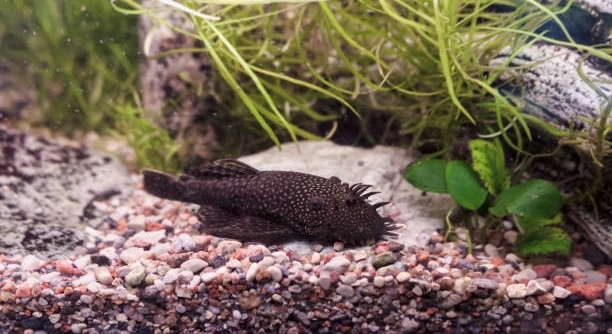
Many pleco owners notice their fish spending most of the day behind the heater. This behavior can seem puzzling, especially when the rest of the tank appears active and vibrant. Understanding these habits can improve your care.
Plecos often hide behind heaters due to stress, seeking warmth, or feeling insecure in their environment. This location provides a stable temperature and a sense of safety, allowing the fish to regulate its body and avoid perceived threats.
Knowing why plecos choose this spot can help you create a more comfortable and engaging habitat for your fish. Proper adjustments can encourage healthier, more visible behavior over time.
Understanding Pleco Behavior
Plecos are naturally nocturnal and territorial fish. They often seek quiet, secure areas during the day, which explains why many hide behind heaters. This behavior is not unusual and generally reflects their instinct to stay safe from perceived threats. In home aquariums, sudden movements, loud noises, or bright lighting can make plecos feel exposed. Hiding helps them conserve energy and reduces stress, which is essential for their health. Additionally, heaters create a warm, consistent temperature zone that plecos naturally prefer. When the surrounding water temperature fluctuates or feels colder, they may spend even more time near the heater. Observing their patterns can help owners identify when hiding is normal versus a sign of illness. Providing decorations, caves, or driftwood also gives plecos additional secure spots, encouraging exploration without feeling threatened. Paying attention to these small adjustments can significantly improve their comfort and overall activity level.
Plecos hiding behind the heater usually indicates they are seeking stability and security. Minimal intervention is often needed.
Offering multiple hiding places helps balance security and tank activity. With simple adjustments, plecos feel safer exploring other areas.
Temperature and Tank Environment
Heaters provide consistent warmth, which is crucial for plecos. They are cold-blooded and rely on their environment to regulate body temperature. Sudden drops or uneven temperatures can cause stress, prompting them to stay in one warm spot.
Stable water temperature reduces stress and encourages normal behavior. Fluctuations can make plecos more withdrawn.
Keeping the tank at a steady, optimal temperature is essential for pleco health. Most species thrive between 74°F and 80°F, depending on the type. Sudden changes, even by a few degrees, can make them uncomfortable and increase hiding behavior. Monitoring the water with a reliable thermometer is important. In addition to temperature, the overall tank environment plays a role. Strong currents, overcrowding, or lack of hiding spaces can make plecos retreat. Adding caves, driftwood, and plants can create a comfortable habitat while allowing them freedom to swim. Proper filtration and regular water changes maintain water quality, which also affects behavior. By observing your pleco and adjusting temperature and environment, you can encourage them to be more active and visible. Consistent care fosters both health and natural behavior.
Feeding and Nutrition
Plecos may hide more if they feel hungry or if their feeding schedule is inconsistent. Ensuring they get proper nutrition can encourage activity and reduce excessive hiding.
A well-balanced diet for plecos includes algae wafers, fresh vegetables, and occasional protein sources. Some species prefer leafy greens like zucchini, spinach, or cucumber, which should be blanched for easier digestion. Feeding at the same time each day helps them anticipate meals and feel secure. Uneaten food should be removed to maintain water quality, preventing stress-related hiding behavior. Observing how quickly your pleco eats can also indicate health issues. A fish that avoids food may be stressed, sick, or uncomfortable in its environment. Adjusting feeding amounts and timing can improve their confidence to explore the tank.
Overfeeding can also be a problem, leading to poor water quality and lethargy. Balanced portions, combined with a consistent feeding routine, help plecos feel safe and maintain healthy activity levels. Monitoring their diet closely ensures they remain energetic and reduces the tendency to hide behind the heater or other objects.
Tank Companions and Interaction
Aggressive or overly active tank mates can drive plecos to seek hiding spots, especially near heaters. A peaceful tank allows them to feel secure and explore freely.
Plecos coexist best with non-aggressive species that do not compete heavily for food or territory. Fish that nip fins or chase can stress plecos, causing prolonged hiding. Observing interactions helps identify problematic companions early. Arranging the tank with enough caves and driftwood reduces conflict, providing plecos retreat options without constant stress. Interaction levels vary by species; some plecos enjoy occasional swimming near others, while more territorial types prefer solitary spaces. Adjusting stocking levels and tank layout ensures all inhabitants have enough room and hiding areas. Stress-free companions promote natural behavior, increased activity, and reduced reliance on the heater as a safe zone. Maintaining harmony in the tank is key to observing plecos’ full range of behaviors and improving overall health.
Lighting and Hiding
Bright lights can make plecos feel exposed, prompting them to hide more often. Dimming the tank or using floating plants creates shaded areas where they feel safe and less stressed.
Providing gradual lighting changes rather than sudden brightness helps plecos adjust. Shadowed spots encourage natural movement without constant retreat.
Health and Stress Indicators
Prolonged hiding behind the heater can signal health or stress issues. Check water quality, observe behavior, and look for signs of illness like clamped fins, discoloration, or slow swimming. Addressing these factors early prevents further problems and improves overall well-being.
Adjusting Tank Layout
Rearranging decorations, adding caves, or placing driftwood near open areas encourages plecos to explore. A varied layout reduces reliance on one hiding spot and supports natural behaviors.
FAQ
Why does my pleco hide all the time behind the heater?
Plecos naturally seek warmth and security. The heater provides a stable temperature and a safe spot away from sudden movements or bright lights. Constant hiding can be normal, especially for nocturnal or shy species, but it may also indicate stress, poor water quality, or incompatible tank mates. Observing behavior alongside tank conditions helps determine the cause.
Is it harmful for my pleco to spend so much time behind the heater?
Generally, hiding is not harmful as long as the fish is eating, swimming occasionally, and shows no signs of illness. However, if a pleco hides excessively and avoids food or appears lethargic, it could indicate stress, poor water conditions, or an underlying health problem that needs attention.
How can I make my pleco feel more comfortable in the tank?
Providing multiple hiding spots such as caves, driftwood, and dense plant areas helps plecos feel secure. Maintain stable water temperature, ensure proper filtration, and minimize sudden disturbances. A consistent feeding routine and compatible tank mates also support confidence and reduce constant hiding behavior.
Does tank temperature affect pleco behavior?
Yes, plecos are cold-blooded and rely on water temperature to regulate body functions. Sudden drops or fluctuations can cause stress, prompting them to stay near heaters or other warm spots. Keeping the temperature within the recommended range for your species encourages normal activity.
Can lighting changes reduce hiding behavior?
Plecos are sensitive to bright light, which can make them feel exposed. Dimming lights, adding floating plants, or creating shaded areas reduces stress. Gradual lighting changes instead of sudden brightness allow plecos to explore more confidently.
Should I worry if my pleco ignores food while hiding?
Occasional avoidance is normal, especially during daylight. Persistent refusal to eat may signal stress, illness, or improper diet. Check water parameters, provide suitable food like algae wafers or blanched vegetables, and monitor health indicators to ensure the fish remains healthy.
Do tank mates influence hiding behavior?
Aggressive or overly active fish can drive plecos to retreat. Non-aggressive, peaceful species help plecos feel secure. Providing enough space, hiding spots, and proper tank layout minimizes conflict and encourages exploration without relying solely on the heater for safety.
How can I encourage my pleco to come out more often?
Gradually introduce new hiding spots and decorations to spread activity throughout the tank. Feed at consistent times and maintain calm surroundings. Reducing sudden disturbances and keeping the water clean and temperature stable helps plecos feel safe enough to leave their preferred heater spot.
Can diet affect pleco hiding?
Yes, an inadequate or irregular diet can increase hiding behavior. Providing balanced nutrition, including algae, vegetables, and occasional protein, ensures energy levels stay healthy. Observing feeding patterns helps detect stress or health issues early.
When should I consult a veterinarian about hiding behavior?
If your pleco hides constantly, refuses food for more than a day or two, shows physical changes, or exhibits unusual behavior, it’s best to consult an aquatic veterinarian. Early intervention ensures health problems don’t escalate and supports a comfortable tank environment.
Are some pleco species more prone to hiding than others?
Yes, species like the common pleco or bristlenose pleco are generally more active, while others like the rubber lip or zebra pleco are naturally shy and may hide more. Understanding species-specific habits helps set realistic expectations for behavior.
Will adding more decorations help my pleco hide less?
Adding varied decorations gives plecos multiple secure spots, which can actually reduce stress and encourage exploration. When they have options, they are less likely to overuse a single location like behind the heater, promoting healthier movement throughout the tank.
Can water quality issues make my pleco hide more?
Poor water conditions, such as high ammonia, nitrites, or low oxygen, cause stress, prompting plecos to seek secure spots. Regular testing, proper filtration, and timely water changes are essential to prevent hiding behavior due to environmental stress.
Does age affect hiding habits?
Juvenile plecos are often more timid and spend more time hiding than adults. As they grow and adjust to the tank, many become more confident and explore freely, though some shy individuals may continue seeking secure spots throughout their life.
How long is normal hiding behavior for a healthy pleco?
Hiding for several hours during daylight or when the tank is active is normal. Most plecos are nocturnal, so they naturally explore more at night. Excessive hiding during feeding or peak activity times may indicate stress or health issues.
Are there ways to monitor my pleco’s comfort without disturbing it?
Observing from a distance, using dim lighting, or setting up a camera allows monitoring without stress. Tracking behavior patterns, feeding response, and interactions with tank mates helps identify problems early while respecting their natural habits.
Does the size of the tank influence hiding behavior?
Smaller tanks with limited hiding spots can increase stress and force plecos to rely on one area, like behind the heater. Providing enough space, multiple caves, and varied terrain helps plecos feel secure and encourages natural movement throughout the tank.
Can seasonal changes in temperature or light affect hiding?
Yes, natural fluctuations in room temperature or daylight patterns can make plecos seek warm, sheltered spots. Maintaining stable water conditions and consistent light cycles helps minimize stress and keeps hiding behavior at a healthy level.
Is it normal for plecos to hide even with perfect tank conditions?
Yes, some plecos are naturally shy or nocturnal. Even with ideal water quality, diet, and companions, hiding can remain a regular behavior. Providing security and observing for signs of stress ensures it is harmless rather than a problem.
Can introducing new tank elements make plecos hide more at first?
Yes, new decorations, plants, or tank mates may initially stress plecos, causing them to retreat behind the heater. With time, they usually acclimate, exploring new areas as comfort increases. Gradual changes reduce long-term hiding due to stress.
What are signs my pleco is stressed rather than just hiding?
Signs of stress include clamped fins, rapid breathing, lack of appetite, discoloration, or erratic swimming. Hiding alone is not always stress, but combined with these behaviors, it indicates an issue that needs attention to prevent health decline.
Can I use a heater differently to encourage pleco activity?
Positioning the heater alongside driftwood or hiding spots allows plecos to feel secure without staying in one corner. Gradually expanding their territory around the heater can encourage exploration while maintaining the warmth they seek.
Does water flow affect pleco hiding behavior?
Strong currents can make some plecos feel insecure, pushing them toward calmer areas like behind the heater. Adjusting flow or adding driftwood to break the current can reduce hiding and encourage natural swimming patterns.
Are plecos more active at certain times of day?
Yes, plecos are primarily nocturnal. They are naturally less active during daylight and more likely to explore at night. Understanding this helps owners differentiate between normal hiding and stress-related behavior.
How long does it take for a shy pleco to adjust to a new tank?
Adjustment can take days to weeks, depending on species and tank conditions. Providing stable water, hiding spots, gentle lighting, and calm surroundings speeds up acclimation and reduces excessive hiding behind the heater.
Can overcrowding increase hiding behavior?
Yes, too many fish can create competition for space and resources. Plecos may retreat to secure areas to avoid conflict. Proper stocking levels, adequate hiding spots, and compatible companions minimize hiding caused by overcrowding.
Is hiding behavior more common in certain tank setups?
Tanks with minimal decorations, strong lighting, or aggressive companions often see more hiding. Providing varied terrain, shaded areas, and peaceful fish reduces reliance on heaters and promotes natural activity throughout the tank.
Does water chemistry affect pleco comfort?
Plecos are sensitive to pH, hardness, and ammonia levels. Improper chemistry can stress fish, causing them to hide. Regular testing, filtration, and maintenance help create a stable, comfortable environment that encourages normal behavior.
Can interaction with the owner influence hiding?
Frequent tapping or sudden movements near the tank can increase hiding behavior. Calm observation and consistent feeding routines build trust over time, helping plecos feel secure enough to explore even with human presence nearby.
Do plecos prefer vertical or horizontal hiding spaces?
They use both depending on species. Some prefer caves and driftwood to hide vertically, while others seek horizontal crevices. Offering a mix ensures they can choose spaces that feel safest, reducing stress and constant retreat to the heater.
Will plecos ever stop hiding completely?
Not always. Many plecos retain shy habits throughout life. The goal is to balance security with exploration, ensuring they feel safe while engaging in normal activity rather than eliminating hiding entirely.
Can seasonal tank maintenance impact hiding?
Yes, major cleaning, water changes, or decoration rearrangements can temporarily increase hiding. Gradual adjustments and careful observation prevent long-term stress and help plecos adapt quickly to changes.
How does age or size affect hiding preferences?
Juveniles tend to hide more, while adults may explore more confidently. Larger plecos may still favor secure spots but often venture out for food or territory, especially when the environment meets their comfort needs.
Are plecos more likely to hide during breeding periods?
Yes, during breeding, plecos may seek secluded spaces to lay eggs or protect territory. Providing additional caves or quiet areas supports this natural behavior without causing stress.
Does the type of heater matter for hiding behavior?
Plecos are sensitive to temperature stability. Heaters that maintain consistent warmth encourage safe hiding without causing temperature fluctuations that may stress the fish. Proper placement also allows multiple hiding spots nearby.
Can stress from other aquatic animals like snails or shrimp cause hiding?
Yes, excessive interaction or competition from snails or shrimp can make plecos retreat. Ensuring peaceful tankmates and adequate space reduces hiding prompted by stress from smaller invertebrates.
How can I tell if my pleco enjoys exploring or is stressed while hiding?
A healthy pleco will leave its hiding spot to feed or swim regularly. Stress-related hiding often involves lethargy, poor appetite, or avoidance of interaction. Monitoring activity patterns alongside feeding behavior gives clear insight.
Is hiding more common in newly set-up tanks?
Yes, new tanks are unfamiliar, and plecos retreat until they acclimate. Stable water, proper decorations, and a calm environment shorten adjustment periods and reduce constant reliance on the heater for security.
Do seasonal changes in room temperature or sunlight affect hiding?
Yes, plecos respond to environmental fluctuations. Consistent water temperature and gradual lighting cycles minimize stress-induced hiding and maintain predictable behavior patterns in the tank.
Can hiding behavior signal a serious illness?
Persistent hiding combined with appetite loss, discoloration, or abnormal swimming may indicate illness. Early intervention, including water testing and consultation with an aquatic veterinarian, is important for recovery.
How long should I monitor my pleco before worrying about hiding?
Short periods of hiding are normal. Observe daily behavior, feeding response, and interaction with tank mates. If hiding persists for several days with other stress indicators, further investigation is needed.
Does the material of hiding spots matter?
Plecos prefer natural surfaces like wood or rock. Smooth plastic caves may not provide the same sense of security. Using driftwood, rock formations, and plants creates a more comfortable habitat and encourages natural activity.
Are plecos more likely to hide in tanks with high light reflection?
Yes, glare or reflective surfaces can make plecos feel exposed. Reducing reflections, dimming lights, and creating shaded areas encourages confident exploration and reduces dependence on a single hiding spot like the heater.
Can changing the tank’s layout too frequently stress plecos?
Frequent rearrangements increase stress and hiding. Minimal, gradual changes allow plecos to adapt and explore confidently. Consistency in tank layout supports stable behavior and reduces excessive retreat behind the heater.
Do plecos need hiding spots even if the heater is present?
Yes, multiple hiding areas prevent over-reliance on the heater. Providing caves, plants, and driftwood ensures plecos can regulate stress, feel secure, and display natural behavior throughout the tank.
Will plecos eventually stop hiding behind the heater if conditions are ideal?
Some may reduce reliance but often continue using it for warmth and security. Ensuring diverse hiding spots, stable temperature, and minimal stress encourages exploration while respecting their natural instincts.
How does water current affect pleco hiding behavior?
Strong currents may push plecos toward calmer areas, like behind the heater. Adding driftwood or rocks to break flow encourages swimming and reduces stress-induced hiding, supporting natural activity patterns.
Is hiding behavior linked to nocturnal activity?
Yes, plecos are primarily nocturnal. Hiding during daylight is natural, with most activity occurring at night. Understanding this pattern prevents unnecessary concern about normal hiding behavior.
Can plecos become less shy over time?
With consistent care, stable water, and a safe environment, many plecos gradually explore more. However, some individuals retain shy habits and will always use secure spots like behind heaters.
Are plecos more prone to hiding in smaller tanks?
Limited space increases stress and reduces options for retreat, making hiding more frequent. Adequate tank size, varied decorations, and multiple caves reduce reliance on a single hiding spot.
Does sudden noise or movement trigger hiding?
Yes, plecos respond to sudden disturbances by seeking secure areas. Maintaining calm surroundings and minimizing abrupt interactions encourages confidence and reduces stress-driven hiding.
Can plecos hide due to water chemistry changes?
Fluctuations in pH, ammonia, or hardness can cause stress. Regular testing, filtration, and maintenance create a stable environment, reducing hiding behavior caused by water chemistry issues.
Do plecos hide more during colder months?
Temperature drops can make plecos seek warmth. Maintaining consistent water temperature prevents seasonal stress and reduces hiding frequency, keeping behavior predictable and healthy.
Can hiding be a sign of aging?
Older plecos may hide more as activity levels decline. Providing comfortable, accessible hiding spots supports their health and allows them to feel secure without forcing constant exploration.
Does the type of substrate influence hiding?
Soft sand or fine gravel allows easier movement and burrowing. Rough or uneven substrate may cause plecos to retreat more often. Choosing the right substrate supports comfort and natural behavior.
Are plecos more likely to hide when water levels are low?
Lower water levels reduce space and increase stress. Maintaining appropriate water volume ensures plecos feel safe to explore and reduces reliance on the heater as a secure spot.
Can a sudden introduction of new fish increase hiding?
Yes, new tank mates may cause stress or perceived threat, leading plecos to hide more. Gradual introductions and providing hiding spots help them adjust comfortably.
Do plecos show hiding preferences by gender?
Males may be more territorial, while females often hide when stressed or during breeding periods. Recognizing these tendencies helps create a balanced environment for both sexes.
How often should I check on a hiding pleco?
Daily observation is sufficient without disturbing the tank. Monitoring behavior, feeding response, and interactions ensures plecos remain healthy while respecting their natural hiding habits.
Does tank placement in a room affect hiding?
Tanks near high traffic or loud areas can increase hiding behavior. Placing tanks in quieter, stable environments encourages confidence and reduces stress-driven retreat behind heaters.
Are plecos more likely to hide after water changes?
Yes, sudden environmental changes can cause temporary hiding. Performing gradual changes and maintaining familiar cues helps plecos acclimate without prolonged stress.
Does the presence of reflections or glass transparency matter?
Yes, reflective surfaces can make plecos feel exposed. Reducing reflections or adding plants helps them feel secure, minimizing unnecessary hiding behind heaters.
Can hiding behavior indicate disease even if the pleco looks fine?
Persistent hiding combined with subtle signs like reduced movement or slow feeding may indicate illness. Early attention prevents serious health issues and supports a stress-free environment.
How can I balance hiding and exploration in a tank?
Providing multiple hiding spots, stable water conditions, gentle lighting, and compatible companions encourages exploration without forcing plecos to abandon natural security behaviors. Gradual adjustments support comfort and healthy activity.
Are plecos more likely to hide during molting or growth phases?
Yes, during periods of growth or scale adjustment, plecos may seek secure spots to minimize stress. Providing safe areas helps them undergo these phases comfortably without affecting overall health.
Can plecos be trained to reduce hiding?
Gradual exposure to feeding routines, calm observation, and environmental enrichment encourages confident exploration. While some shy individuals may always prefer hiding, careful management can reduce excessive dependence on heaters.
Does water turbidity affect hiding behavior?
Cloudy or unclear water can increase stress, prompting plecos to hide. Maintaining clean, filtered water ensures comfort, reduces stress, and encourages natural swimming patterns.
Are plecos more likely to hide during tank maintenance?
Yes, movement, rearrangements, or cleaning can temporarily increase hiding. Performing maintenance calmly and gradually helps them readjust quickly without long-term stress.
Do plecos prefer hiding near vertical or horizontal surfaces?
It varies by species, but most plecos use both types depending on comfort. Providing a combination supports natural behavior and reduces reliance on a single spot behind the heater.
Can plecos hide due to low oxygen levels?
Yes, inadequate oxygen can stress plecos, causing them to seek calm, warm areas. Ensuring proper aeration and filtration reduces hiding caused by oxygen deficiency.
How does water hardness influence hiding?
Improper hardness can stress plecos. Maintaining suitable levels for your species supports comfort and reduces hiding behavior related to environmental discomfort.
Are plecos more likely to hide during illness recovery?
Yes, sick or recovering plecos often prefer secure areas. Providing consistent warmth, food, and hiding spots supports healing while minimizing stress.
Can plecos hide due to chemical exposure?
Exposure to cleaning agents, medications, or sudden water chemistry shifts can cause stress. Immediate water changes and careful monitoring prevent prolonged hiding and support recovery.
Does hiding increase during breeding?
Yes, during breeding, plecos seek secluded areas to protect eggs or territory. Providing extra caves and quiet zones supports this natural behavior without unnecessary stress.
Can plecos hide due to age-related vision changes?
Older plecos with reduced vision may prefer hiding spots for security. Adequate shelters and gentle lighting help them navigate the tank safely.
Do plecos ever outgrow hiding habits?
Some may gradually explore more, but shy tendencies often persist. Supporting natural security while encouraging activity helps maintain a healthy balance.
Can introducing floating plants affect hiding behavior?
Yes, floating plants create shaded areas that encourage comfort and exploration, reducing reliance on a single hiding spot.
Is hiding influenced by water flow patterns?
Strong currents may push plecos to calmer areas, increasing hiding behavior. Adding obstacles or driftwood reduces flow intensity and promotes confident
Final Thoughts
Plecos hiding behind heaters is a common behavior that often reflects natural instincts rather than serious problems. These fish seek warmth, comfort, and security, especially when their surroundings feel unfamiliar or stressful. While it can seem concerning for owners to see their pleco constantly tucked away, understanding their needs helps explain why this happens. Heaters create a steady temperature and provide a sense of protection similar to what they might find in shaded riverbeds or under submerged logs in the wild. Recognizing that this behavior often comes from instinct rather than illness is the first step toward improving their environment. Observing patterns, checking tank conditions, and learning your pleco’s preferences can help you determine whether the behavior is normal or signals something that needs attention.
Creating a tank that feels safe and balanced for your pleco can greatly reduce excessive hiding. Stable water temperature, clean conditions, and peaceful tank mates all play key roles. When the tank environment is unpredictable or uncomfortable, plecos naturally retreat to the warmest, most secure area they can find — which is often behind the heater. Providing a variety of hiding spots throughout the tank, such as caves, driftwood, or plants, gives them options and encourages exploration. Dimming bright lights or offering shaded areas helps too, especially for nocturnal species that prefer low-light conditions. A pleco that feels safe in its surroundings will gradually begin to spend more time exploring and showing its natural behaviors, rather than staying hidden all day. The goal is not to completely eliminate hiding but to give them a balanced space where they feel confident enough to move freely.
Consistency in care is the most effective way to build trust with your pleco. They thrive in stable environments with predictable feeding times, minimal disruptions, and steady temperature levels. Sudden changes — whether in water quality, lighting, or layout — can cause stress and increase hiding behavior. By making gradual adjustments and observing how your pleco responds, you can better understand what makes them comfortable. Every pleco is different; some are naturally shy and will always prefer quiet corners, while others become more active with time. Patience and steady care go a long way in helping them feel secure. When you provide the right balance of safety, stability, and enrichment, your pleco will not only appear healthier but also exhibit the fascinating personality and habits that make these fish such rewarding pets to keep.

Hello,
If you enjoy the content that we create, please consider saying a "Thank You!" by leaving a tip.
Every little bit helps us continue crafting quality advice that supports the health, happiness, and well-being of pets around the world, for pets of all shapes, sizes, and species.
We really appreciate the kindness and support that you show us!