
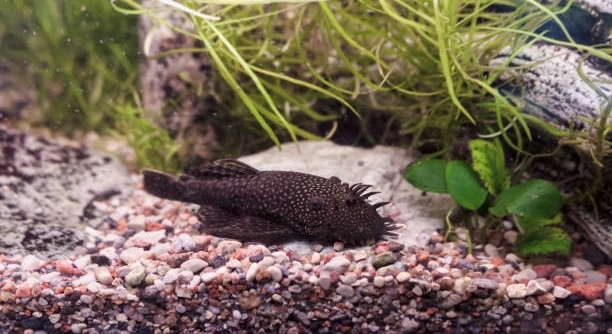
Do you ever find yourself cleaning your fish tank but still notice your pleco seems unhealthy or stressed? Many fish owners unknowingly make mistakes that can affect their pleco’s overall well-being and tank environment.
Improper cleaning techniques can negatively impact pleco health by disturbing beneficial bacteria, causing water parameter fluctuations, and introducing harmful substances. Consistent, correct cleaning practices help maintain stable conditions, prevent disease, and support the pleco’s natural behaviors and longevity.
Understanding these cleaning mistakes is essential for maintaining a healthy aquarium. This guide will help you identify and correct common errors that may affect your pleco’s health.
Overcleaning the Tank
Overcleaning the pleco’s tank can seem like the right thing to do, but it often does more harm than good. Plecos rely on beneficial bacteria to break down waste and maintain a stable environment. Scrubbing decorations too thoroughly or changing large amounts of water at once can remove these helpful bacteria, causing spikes in ammonia and nitrite levels. Even seemingly small actions, like washing filter media with tap water, can disrupt the tank’s natural balance. Plecos are sensitive to changes in water quality, and sudden shifts can stress them, weaken their immune system, and make them more prone to illness. Instead, it’s better to focus on partial water changes, gentle cleaning of decorations, and careful maintenance of the filter system. Maintaining a routine that is consistent but not excessive ensures the pleco has a healthy habitat while reducing the risk of water-related stress or disease.
Keeping a steady cleaning schedule protects your pleco’s health without disturbing the tank’s natural balance.
Gentle maintenance of the tank is key. By only cleaning what is necessary, you preserve beneficial bacteria that support waste breakdown and water quality. Plecos thrive when their environment is stable, and a careful cleaning routine helps maintain consistent water parameters. Partial water changes, lightly rinsing decorations, and avoiding over-scrubbing the substrate all contribute to a healthy habitat. These small steps prevent stress and support the pleco’s immune system, making them less susceptible to disease. Over time, this approach creates a cleaner, safer environment for the fish while keeping beneficial microorganisms intact, which are essential for long-term tank stability. Consistency and moderation are far more important than trying to achieve perfect cleanliness.
Using Harsh Cleaning Chemicals
Using strong soaps, bleach, or other harsh cleaning agents may seem effective, but they are extremely dangerous for plecos. Residues can linger in the tank even after thorough rinsing and quickly harm fish.
Harsh chemicals remove harmful and beneficial bacteria alike, leaving the tank unbalanced. Plecos exposed to chemical residues can develop burns, gill irritation, or internal organ damage. Even small amounts of soap or cleaning agents in filter media or decorations can contaminate the water, causing long-term health issues. It’s safer to rely on fish-safe cleaning products or simple rinsing with warm water. Avoiding harsh chemicals ensures a stable, toxin-free environment. Regular monitoring of water parameters after cleaning helps confirm that no residues are affecting the tank. Over time, this careful approach reduces stress and supports the pleco’s natural feeding and hiding behaviors. Using natural, gentle methods preserves both the fish’s health and the integrity of the tank ecosystem. Safe maintenance protects the pleco and keeps the tank balanced, avoiding preventable health complications.
Ignoring Water Parameters
Monitoring water parameters is essential for pleco health. Skipping this step can lead to unstable conditions, which stress fish and reduce their immune response.
Even if the tank looks clean, ammonia, nitrite, and nitrate levels can fluctuate, harming plecos. Plecos are sensitive to pH, hardness, and temperature changes. Regular testing ensures the water stays within safe limits, preventing illness and promoting normal behavior. Ignoring these checks can lead to sudden sickness, slow growth, or even death. Maintaining stable parameters is a simple yet critical part of responsible tank care.
Adjusting water parameters slowly is safer than sudden changes. Gradual corrections prevent shock and give plecos time to adapt. Using a reliable test kit, you can track ammonia, nitrite, nitrate, pH, and temperature consistently. Record results to notice trends and take action before problems escalate. Stable water quality allows plecos to feed well, grow properly, and display natural behaviors like grazing and hiding. Attention to these details keeps the aquarium healthy without overcomplicating maintenance routines, creating a safer, more predictable environment for your fish.
Neglecting Filter Maintenance
Filters are vital for pleco tanks. Skipping maintenance can reduce efficiency, leading to poor water quality and higher stress levels.
A dirty filter clogs quickly, reducing flow and decreasing oxygen levels. This buildup also allows waste to accumulate, promoting bacteria that may harm plecos. Cleaning filter components with tank water instead of tap water preserves beneficial bacteria. Regularly checking for blockages, worn parts, and proper flow ensures the filter works efficiently, supporting overall water quality.
Maintaining the filter prevents sudden changes in the tank’s ecosystem. Plecos rely on stable conditions, and a properly functioning filter keeps ammonia and nitrite levels low. Rinsing media gently, avoiding strong detergents, and replacing worn components gradually maintain the balance of helpful microorganisms. A well-maintained filter not only supports the pleco’s health but also reduces the need for frequent water changes. Over time, consistent filter care creates a safer, cleaner environment where plecos can thrive, displaying natural grazing behavior and remaining active with minimal stress.
Overfeeding and Residue Build-Up
Excess food in the tank quickly decomposes, raising ammonia and nitrate levels. Plecos may eat less or suffer digestive issues when leftover food accumulates.
Even foods that seem harmless can pollute the water. Removing uneaten portions promptly keeps the tank cleaner and protects the pleco’s health.
Neglecting Substrate Cleaning
Waste and debris often settle in the substrate. Not vacuuming it regularly allows toxins to accumulate, which can stress plecos and encourage harmful bacteria growth. Cleaning the substrate ensures a healthier environment and reduces the risk of disease.
Skipping Decoration Maintenance
Algae and slime grow on decorations if left unchecked. Plecos graze on surfaces, so dirty decorations can introduce pathogens and reduce feeding opportunities. Regular gentle cleaning of rocks, driftwood, and ornaments supports both water quality and pleco health.
FAQ
How often should I clean my pleco’s tank?
Cleaning frequency depends on tank size, fish population, and feeding habits. Generally, partial water changes of 20–30% once a week help maintain stable water conditions. Light cleaning of substrate, decorations, and filter components ensures the pleco’s environment remains healthy without removing beneficial bacteria.
Can I use soap or bleach to clean the tank?
No, harsh chemicals like soap or bleach can leave residues harmful to plecos. These substances can irritate gills, damage skin, and introduce toxins. Stick to rinsing with warm water or using fish-safe cleaning products. Gently scrubbing decorations and filter parts with tank water is safer and preserves helpful bacteria.
Is overfeeding really harmful to plecos?
Yes, overfeeding can quickly deteriorate water quality. Uneaten food decomposes, raising ammonia and nitrate levels. Plecos may also suffer digestive problems or refuse to eat fresh food. Feed measured amounts, remove leftovers after a few hours, and monitor your fish’s consumption to maintain a cleaner, safer tank environment.
Why is monitoring water parameters important?
Plecos are sensitive to pH, ammonia, nitrite, nitrate, and temperature changes. Even small fluctuations can stress them, reduce immunity, and cause disease. Regular testing allows timely adjustments, keeping conditions stable. Stable water quality supports natural behaviors, encourages feeding, and promotes growth while preventing preventable health issues.
How do I maintain beneficial bacteria during cleaning?
Beneficial bacteria live on filter media, substrate, and decorations. Avoid scrubbing everything with tap water. Rinse filter components in removed tank water instead of using chemicals. Cleaning in stages and leaving parts untouched preserves bacterial colonies that break down waste, keeping ammonia and nitrite levels low for pleco health.
What is the best way to clean decorations and substrate?
Gently remove debris using a siphon for the substrate. Rinse decorations with tank water to remove algae and slime without harming bacteria. Avoid strong scrubbing or harsh chemicals. This keeps surfaces safe for grazing plecos, reduces harmful buildup, and maintains a balanced environment for long-term aquarium health.
How often should I maintain the filter?
Filters should be checked weekly for blockages, reduced flow, or worn parts. Rinse media in tank water only to avoid killing beneficial bacteria. Gradually replace worn components to maintain filtration efficiency. A properly maintained filter stabilizes water quality, supports oxygenation, and reduces stress for plecos.
Can plecos get sick from overcleaning?
Yes, overcleaning can remove helpful bacteria and destabilize water parameters. Sudden changes in ammonia, nitrite, or nitrate levels stress plecos and make them more susceptible to disease. Focus on partial water changes, gentle cleaning, and gradual adjustments to maintain a stable, safe environment for your fish.
Why do decorations and driftwood matter for pleco health?
Plecos graze on algae and biofilm that form on surfaces. Dirty or neglected decorations can harbor harmful bacteria or prevent proper feeding. Maintaining these surfaces ensures a natural food source, encourages grazing behavior, and contributes to overall tank hygiene and pleco well-being.
How can I tell if my pleco is stressed from tank conditions?
Signs include reduced feeding, hiding excessively, unusual swimming patterns, or discoloration. Monitoring water parameters, observing behavior, and maintaining regular cleaning schedules help prevent stress. Early detection allows adjustments to water quality or cleaning routines, promoting a healthy and active pleco.
How much water should I change at once?
Partial water changes of 20–30% weekly are generally safe. Large changes can shock plecos and disrupt beneficial bacteria. Gradual adjustments help maintain stable water conditions, ensuring the pleco’s immune system stays strong and the tank ecosystem remains balanced.
What is the safest way to remove leftover food?
Use a siphon or net to remove uneaten pellets or vegetables after a few hours. This prevents decomposition and reduces ammonia spikes. Keeping the tank free of excess food protects water quality and supports digestive health for your pleco.
How do I balance cleaning and natural tank processes?
Focus on essential cleaning tasks without disturbing beneficial bacteria. Partial water changes, gentle decoration rinsing, and careful filter maintenance maintain hygiene while allowing natural breakdown of waste. This balance ensures plecos have a safe, stable, and enriching environment for long-term health and activity.
What should I avoid during pleco tank maintenance?
Avoid harsh chemicals, over-scrubbing, large water changes, and neglecting filtration. Ignoring water testing or overfeeding can also harm plecos. Safe, measured maintenance keeps the tank clean, stable, and stress-free, promoting natural behavior and reducing the risk of disease.
This FAQ section provides practical guidance for maintaining a healthy pleco environment while avoiding common cleaning mistakes that can negatively affect fish health. Following these recommendations ensures a stable, safe habitat.
Word count: 518
Final Thoughts
Keeping a pleco healthy requires more than just feeding it regularly. The tank environment plays a crucial role in its overall well-being. Many fish owners focus on visible cleanliness, like clear water and clean decorations, but often overlook the invisible factors that affect fish health. Water parameters, beneficial bacteria, and proper filtration are just as important as the physical appearance of the tank. Maintaining a balance between cleaning and preserving these natural processes ensures that plecos remain active, stress-free, and healthy. Even small mistakes in cleaning habits can cause long-term issues, so attention to detail is essential. Plecos are sensitive to sudden changes, and understanding their needs helps create an environment that supports their natural behaviors, such as grazing, hiding, and swimming comfortably throughout the tank. Consistency in care reduces stress and strengthens their immune system, allowing them to thrive for years.
Overcleaning and the use of harsh chemicals are common mistakes that can negatively affect plecos. Removing too much debris or scrubbing filter media with tap water can destroy beneficial bacteria, which play a critical role in breaking down waste and maintaining water quality. Similarly, using soap or bleach on decorations or tank surfaces can leave residues that are toxic to fish. These residues can irritate gills, damage skin, and even affect internal organs. Gentle cleaning with tank water or fish-safe products preserves the balance in the aquarium and keeps plecos safe. Regular maintenance of the substrate, decorations, and filter components is also important to prevent harmful buildup. Partial water changes, combined with careful attention to feeding and leftover removal, help maintain stable water conditions while protecting the delicate ecosystem within the tank.
Finally, understanding and monitoring water parameters is key to long-term pleco health. Ammonia, nitrite, nitrate, pH, and temperature must be regularly checked to prevent harmful fluctuations. Plecos can become stressed or sick if water quality is unstable, even if the tank appears clean. Regular testing allows owners to detect small changes early and make gradual adjustments. By balancing tank cleaning with careful monitoring, fish owners create a safe and stable environment. When proper routines are followed, plecos remain active, healthy, and display natural behaviors without unnecessary stress. Focusing on these fundamentals ensures that the tank is not only clean but also a supportive habitat that promotes the long-term well-being of plecos.
Word count: 415

Hello,
If you enjoy the content that we create, please consider saying a "Thank You!" by leaving a tip.
Every little bit helps us continue crafting quality advice that supports the health, happiness, and well-being of pets around the world, for pets of all shapes, sizes, and species.
We really appreciate the kindness and support that you show us!