
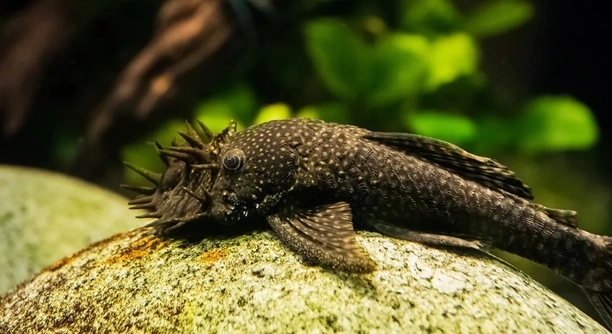
Bristlenose plecos are a popular choice for home aquariums due to their small size and peaceful nature. Many hobbyists enjoy their algae-eating habits and charming appearance. Caring for them properly can make a noticeable difference in their well-being.
Bristlenose plecos can be kept on a bare-bottom tank, as they do not require substrate for feeding or movement. Bare-bottom setups simplify cleaning, improve water quality, and reduce the risk of infections or debris accumulation.
Keeping them without substrate may seem unusual, yet it offers practical benefits for both fish and keeper. Proper tank setup ensures the plecos remain healthy and comfortable in their environment.
Benefits of a Bare-Bottom Tank
Keeping bristlenose plecos on a bare-bottom tank makes maintenance simpler and water cleaner. Without substrate, leftover food and waste settle directly on the bottom, making it easier to remove during regular cleaning. This reduces the chance of harmful bacteria growing in the tank. Plecos are hardy fish, and they can move around and graze without the need for sand or gravel. A bare-bottom setup also allows better visibility of the fish and their behavior, helping you monitor their health more effectively. While some aquarists prefer substrate for aesthetics, the practical advantages of bare-bottom tanks often outweigh the visual appeal. It also prevents certain tank complications like trapped detritus or uneven nutrient distribution that can occur with substrate. Observing plecos in this environment shows they adapt well, and their algae-eating habits remain efficient. Over time, keeping the tank clean and simple reduces stress for both the fish and the keeper.
Bare-bottom tanks save time and reduce cleaning challenges while keeping plecos healthy and active.
For plecos, a bare-bottom tank does not hinder natural behaviors. They can still graze surfaces, explore corners, and hide behind decorations or driftwood. Their fins remain intact, and they rarely suffer injury from the lack of substrate. It’s essential, however, to provide hiding spots and smooth surfaces to prevent abrasions. Driftwood and rocks create the environment they need, offering both shelter and grazing surfaces. A well-planned bare-bottom tank supports natural behaviors while keeping maintenance simple.
Considerations for Tank Setup
A bare-bottom tank may require extra attention to décor placement to ensure plecos feel secure.
Even without substrate, the tank should feel natural for bristlenose plecos. Decorations like driftwood, smooth rocks, and PVC pipes offer hiding spaces that reduce stress and mimic natural crevices. Lighting should be adjusted to avoid overly bright conditions since plecos prefer dim areas. Maintaining consistent water parameters is crucial, as bare-bottom tanks can sometimes lead to faster temperature changes. Regular water testing helps prevent fluctuations that can harm the fish. Additionally, feeding routines should ensure all algae and supplemental food are accessible without leaving excess to rot on the tank bottom. Some aquarists add floating plants for shade and enrichment, which improves the overall environment. With proper care, bare-bottom tanks can support healthy plecos while keeping maintenance practical and straightforward. Consistency and attention to small details ensure a thriving aquatic habitat.
Feeding and Nutrition
Bristlenose plecos eat primarily algae, but they benefit from supplemental foods like vegetables and sinking pellets. Regular feeding supports growth, color, and overall health, especially in tanks without substrate where natural algae may be limited.
Providing a balanced diet is essential for plecos. Vegetables such as zucchini, cucumber, and spinach can be blanched and added to the tank to ensure proper nutrition. Sinking pellets formulated for algae eaters supply additional protein and vitamins. Without substrate, leftover food is easier to remove, preventing water quality issues. Feeding should be consistent but measured, avoiding overfeeding, which can lead to waste accumulation. Observing how quickly plecos consume food helps adjust portions.
Some hobbyists include occasional treats like algae wafers or spirulina tablets. This variation keeps plecos engaged and ensures nutrient diversity. Monitoring eating habits and adjusting quantities helps maintain a healthy, active tank without excess debris. Consistency in feeding routines is key to keeping them healthy and vibrant.
Water Quality and Maintenance
Maintaining high water quality is critical in a bare-bottom setup to prevent stress and disease. Frequent water changes keep nitrate and ammonia levels low and ensure plecos thrive.
Bare-bottom tanks simplify cleaning, but monitoring water parameters remains crucial. Plecos produce waste that can accumulate quickly in a small tank, so partial water changes of 20–30% weekly are recommended. Using a reliable water test kit helps track ammonia, nitrite, and nitrate levels. Filtration efficiency is important; a strong filter prevents debris buildup and supports oxygenation. Cleaning decorations and removing uneaten food ensures the tank stays healthy. Temperature should remain stable, ideally between 73–81°F, to match plecos’ natural preferences.
Proper maintenance extends tank life and keeps plecos active. Bare-bottom setups allow easier observation of water conditions and quick interventions when problems arise. Regular monitoring, consistent water changes, and appropriate filtration work together to create a stable environment. Over time, these practices reduce stress and support healthy growth, while also making daily care more manageable.
Tank Decorations and Hiding Spots
Even in bare-bottom tanks, plecos need places to hide. Driftwood, smooth rocks, and PVC pipes provide security and mimic natural hiding spots.
Hiding areas reduce stress and give plecos a sense of territory. They also serve as surfaces for grazing and help maintain natural behaviors, keeping the fish active and comfortable.
Driftwood Importance
Driftwood is essential for bristlenose plecos. It softens water slightly and provides surfaces for algae growth. Plecos also rasp on it, which aids digestion and supports overall health. Offering driftwood in various shapes helps create a more engaging environment while fulfilling dietary needs naturally.
Tank Size Considerations
A tank of at least 20 gallons is recommended for a single bristlenose pleco. Larger tanks accommodate multiple fish comfortably and support stable water conditions.
FAQ
Can bristlenose plecos live without substrate?
Yes, bristlenose plecos can thrive in a bare-bottom tank. They do not rely on substrate for movement or feeding. Bare-bottom setups simplify cleaning and reduce the risk of harmful bacteria or trapped debris, making it easier to maintain stable water quality and overall health.
Do plecos need hiding spots in a bare-bottom tank?
Absolutely. Even without substrate, plecos require hiding places like driftwood, smooth rocks, or PVC pipes. Hiding spots reduce stress, provide a sense of security, and allow plecos to exhibit natural behaviors, such as grazing on surfaces and claiming territories, which keeps them active and healthy.
What should I feed my plecos in a bare-bottom tank?
Bristlenose plecos eat algae primarily, but they need supplemental foods for proper nutrition. Vegetables like zucchini, cucumber, and spinach, along with sinking pellets or algae wafers, provide protein and vitamins. Removing uneaten food promptly prevents water quality issues. Consistency in feeding supports growth, color, and overall well-being.
How often should I change the water?
Frequent water changes are essential for bare-bottom tanks. Partial water changes of 20–30% weekly are recommended. Testing ammonia, nitrite, and nitrate levels helps maintain safe conditions. Filtration should be strong to handle waste efficiently, and stable temperatures ensure plecos remain comfortable and healthy.
Is driftwood necessary for bristlenose plecos?
Yes, driftwood serves multiple purposes. It softens water slightly, provides surfaces for algae to grow, and allows plecos to rasp, which aids digestion. Offering various shapes and sizes of driftwood also enriches the environment, keeping the fish engaged while fulfilling natural dietary needs.
Can multiple plecos share a bare-bottom tank?
Yes, multiple plecos can share a tank if it is large enough. A minimum of 20 gallons is recommended for a single fish, with additional space required for more. Proper hiding spots, decorations, and careful feeding routines help reduce competition and stress among tank mates.
Will bare-bottom tanks affect pleco behavior?
Bare-bottom tanks generally do not negatively impact pleco behavior. With appropriate hiding spots, surfaces for grazing, and stable water conditions, plecos remain active, healthy, and display natural behaviors. Monitoring their interactions and environment ensures they remain comfortable and stress-free.
How do I prevent algae overgrowth in a bare-bottom tank?
Algae growth is natural and beneficial for plecos but should be controlled. Avoid overfeeding, maintain regular water changes, and ensure sufficient filtration. Adding live plants or decorations can compete with algae, keeping it in balance. This supports pleco grazing without compromising water quality.
Are bare-bottom tanks harder to maintain than substrate tanks?
No, bare-bottom tanks are often easier to maintain. Waste and leftover food are visible and easy to remove, reducing the risk of bacterial buildup. Filtration and regular water changes remain important, but the simplicity of the setup often makes daily care quicker and more manageable.
Can plecos injure themselves on a bare-bottom tank?
Plecos are unlikely to be injured by a bare-bottom tank if surfaces are smooth and hiding spots are provided. Avoid sharp decorations, rough rocks, or edges. Driftwood and smooth PVC pipes offer safe areas to explore, rasp, and rest without risk of abrasions.
What is the ideal temperature for bristlenose plecos in bare-bottom tanks?
Maintaining stable water temperatures between 73–81°F (23–27°C) is ideal. Bare-bottom tanks can experience faster temperature fluctuations, so monitoring with a reliable heater and thermometer is important. Stable conditions support healthy metabolism, behavior, and immune function for plecos.
Can bare-bottom tanks be decorated attractively?
Yes, aesthetic appeal can be achieved without substrate. Driftwood, rocks, plants, and PVC pipes can be arranged to create visually pleasing layouts while providing hiding spots and grazing surfaces. Functional décor improves fish well-being while maintaining easy maintenance for the keeper.
How do I monitor pleco health in a bare-bottom tank?
Observing behavior, feeding, coloration, and activity levels is key. Bare-bottom tanks make it easier to see signs of illness or stress. Regular checks for fin damage, unusual swimming patterns, or changes in appetite allow for timely intervention, ensuring plecos remain healthy and active.
Are there any downsides to bare-bottom tanks?
The main consideration is aesthetics. Some people prefer the natural look of substrate. Additionally, care must be taken to provide hiding spots and grazing surfaces. Beyond that, bare-bottom tanks often simplify cleaning, maintain water quality, and allow for closer observation of plecos’ health.
Do plecos need plants in a bare-bottom tank?
Plants are optional but beneficial. They offer shade, hiding places, and additional grazing surfaces. Floating or rooted plants also help improve water quality by absorbing nitrates. Even without substrate, plants can thrive in pots or anchored to driftwood, enriching the tank environment naturally.
Can plecos live long in bare-bottom tanks?
Yes, with proper care, bare-bottom tanks support long-term health and longevity. Consistent feeding, water changes, hiding spots, and monitoring of water parameters ensure plecos remain healthy, active, and stress-free throughout their lifespan.
How do I encourage plecos to graze in a bare-bottom tank?
Providing driftwood, algae-coated surfaces, and supplemental vegetables encourages natural grazing. Observing their feeding patterns helps adjust placement and availability of food. Grazing behavior remains strong even without substrate if suitable surfaces are provided.
Is a bare-bottom setup suitable for breeding plecos?
It can be, but additional considerations are needed. Driftwood or caves are essential for breeding and egg-laying. Water parameters must remain stable, and hiding spaces for fry should be included. Bare-bottom tanks simplify cleaning, which reduces stress during breeding periods.
Can I combine plecos with other fish in a bare-bottom tank?
Yes, compatible tank mates can coexist if space, hiding spots, and food access are sufficient. Monitor interactions to prevent territorial disputes. Bare-bottom tanks make it easier to observe behavior and intervene if any conflicts arise, supporting a harmonious aquarium environment.
How do I clean a bare-bottom tank without stressing plecos?
Use a siphon or net to remove debris during partial water changes. Avoid sudden movements or drastic water changes. Cleaning decorations and driftwood outside the tank occasionally ensures surfaces remain free of excess algae without disturbing the plecos.
Is bare-bottom better for plecos than substrate tanks?
It depends on priorities. Bare-bottom tanks simplify cleaning, allow better observation, and reduce bacteria buildup. Substrate can look natural and support plants but requires more maintenance. Many keepers prefer bare-bottom setups for practical reasons without affecting pleco health or behavior.
Bristlenose plecos are adaptable fish that can thrive in a variety of aquarium setups, including bare-bottom tanks. Their small size, peaceful nature, and algae-eating habits make them an excellent choice for both beginners and experienced aquarists. A bare-bottom setup can simplify maintenance, as it allows waste and leftover food to be easily removed, preventing debris buildup and improving water quality. Plecos do not rely on substrate for movement or feeding, so a tank without gravel or sand does not negatively affect their daily behaviors. They can graze on surfaces, explore the tank, and interact with decorations like driftwood or smooth rocks without any problems. For many keepers, the practical benefits of a bare-bottom tank outweigh the aesthetic appeal of substrate, offering a cleaner, more manageable environment that supports healthy fish.
Even without substrate, plecos need appropriate hiding spots and environmental enrichment to feel secure. Driftwood, rocks, PVC pipes, and even plants provide both shelter and grazing surfaces, helping them maintain natural behaviors while reducing stress. These additions also create a visually engaging layout without complicating cleaning or water management. Feeding remains an important factor in bare-bottom setups, as plecos require a balanced diet beyond algae. Vegetables like zucchini or cucumber, along with sinking pellets or algae wafers, provide essential nutrients, while leftover food should be removed to maintain water quality. A consistent feeding schedule helps ensure healthy growth, proper coloration, and active behavior. Observing how plecos interact with their environment and food provides insight into their health, making it easier to address issues before they become serious.
Water quality and regular maintenance are critical in any aquarium, and bare-bottom setups make these tasks more straightforward. Partial water changes, proper filtration, and monitoring of parameters such as ammonia, nitrite, nitrate, and temperature are necessary to keep plecos healthy. A bare-bottom tank allows for easy observation of these factors, helping to quickly identify changes or potential problems. Stable conditions and a well-structured environment support long-term well-being and longevity, making it possible to enjoy plecos’ natural behaviors without unnecessary stress. With thoughtful care, feeding, and décor, a bare-bottom tank can be a practical, effective, and low-maintenance choice for keeping bristlenose plecos happy and healthy, while also providing the keeper with a simpler, more manageable aquarium.

Hello,
If you enjoy the content that we create, please consider saying a "Thank You!" by leaving a tip.
Every little bit helps us continue crafting quality advice that supports the health, happiness, and well-being of pets around the world, for pets of all shapes, sizes, and species.
We really appreciate the kindness and support that you show us!