
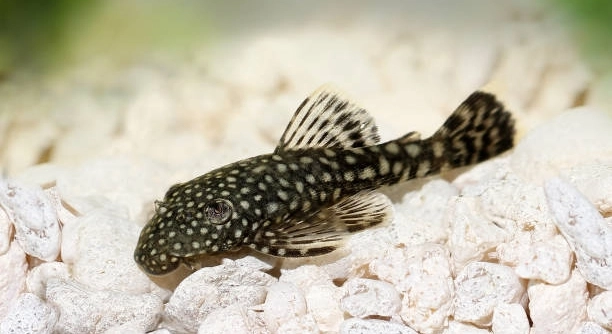
Have you ever brought home a pleco, only to wonder if it prefers the quiet solitude of its own tank or the company of others?
Plecos are generally solitary fish that thrive best when kept alone, especially in smaller aquariums. While some species can tolerate others of their kind in large, well-structured tanks, most plecos become territorial and aggressive when sharing limited space.
Learning about their social behavior and tank requirements will help you create a peaceful environment that keeps your pleco healthy and stress-free.
Understanding Pleco Behavior
Plecos are often admired for their calm nature and helpful role in cleaning tanks, but they have strong territorial instincts. In smaller spaces, they see other plecos as competition for hiding spots and food. This can lead to aggression, stress, and even injuries if they are forced to share confined areas. Their natural environment consists of wide rivers with plenty of driftwood, rocks, and plants where they can establish personal territories. Mimicking this environment in captivity helps them feel secure. Most plecos prefer living alone because it reduces territorial disputes and allows them to explore freely without the stress of defending space. However, larger tanks with multiple hiding places can sometimes accommodate more than one pleco if chosen carefully based on species compatibility. Understanding this balance is key to keeping your pleco content and safe in its aquatic home.
Plecos rely heavily on structure and space to maintain calm behavior, making tank setup a crucial factor in their comfort.
Each pleco species has its own temperament, size, and social needs. Bristlenose and rubber-lipped plecos, for example, can occasionally live peacefully in pairs if the tank is large enough with proper territories established. Common plecos, on the other hand, grow very large and become territorial as they mature. Providing caves, driftwood, and plants allows each fish to claim its own territory and reduces aggression. It is also important to feed them in multiple spots to prevent competition for food. Observing your pleco’s reactions during feeding and resting times helps determine whether it feels comfortable or stressed. When you understand these subtle behavioral cues, you can make better decisions about housing and ensure your pleco enjoys a peaceful, healthy life in your aquarium.
Creating the Right Tank Setup
Plecos need more than just space—they need a balanced environment that mimics their natural habitat to thrive.
A proper setup starts with choosing a tank size suitable for your pleco’s species. Common plecos require tanks over 100 gallons, while smaller species like bristlenose can live comfortably in 30 to 40 gallons. Add plenty of driftwood, as it provides hiding places and serves as a natural food source. Rocks, plants, and caves create territories and reduce tension among tank mates. Maintain good water quality with consistent filtration and regular cleaning to prevent stress. Plecos prefer dim lighting and a stable temperature between 74°F and 80°F. When decorating, ensure there are no sharp edges that could injure them. For those planning to keep more than one pleco, dividing the tank visually with plants or décor can minimize conflicts. A thoughtful setup not only prevents aggression but also enhances your pleco’s overall health and activity, keeping it vibrant and content in its aquatic environment.
Feeding and Nutrition
Plecos eat a mix of algae, vegetables, and sinking pellets. Providing varied food keeps them healthy and reduces territorial fights over meals. Fresh vegetables like zucchini or cucumber work well, along with occasional protein supplements for some species.
Feeding plecos properly requires understanding their dietary needs. Algae wafers or sinking pellets should be provided daily, ensuring that each fish gets enough without overfeeding the tank. Vegetables like spinach, lettuce, and squash offer essential nutrients and fiber. Some plecos, particularly carnivorous species, benefit from small amounts of shrimp or bloodworms to maintain growth and health. Feeding in multiple spots helps prevent competition and stress among tank inhabitants. Observing how your pleco consumes food and adjusting portions as needed ensures they stay active and strong.
Overfeeding can harm water quality and lead to obesity in plecos. Monitor portions carefully, removing uneaten food promptly. Rotating vegetables and protein sources ensures a balanced diet. Maintaining consistent feeding times helps plecos establish routines, which reduces aggression and encourages natural behaviors. A well-fed pleco is calmer, more interactive, and less likely to stress over territory disputes, making meal planning as important as tank setup in promoting a peaceful aquarium environment.
Tank Mates
Plecos generally do best with peaceful fish that occupy different areas of the tank. Avoid aggressive or highly territorial species.
Choosing compatible tank mates depends on size, temperament, and swimming zones. Mid-level or surface-dwelling fish like tetras, rasboras, and guppies usually coexist well with plecos because they do not compete for bottom territory. Avoid large or aggressive fish that could harass or outcompete plecos for food and hiding spots. Introducing tank mates slowly and observing interactions helps prevent stress or injuries. Hiding spots like caves and driftwood allow plecos to retreat when needed, ensuring a balanced social environment. Proper tank mate selection minimizes aggression and encourages natural behaviors.
It’s essential to monitor pleco interactions regularly, especially when adding new fish. Even generally peaceful species can become territorial if space is limited or food is scarce. Providing multiple hiding areas reduces tension and allows plecos to establish personal zones. Consider the adult size of all species in the tank to avoid conflicts as fish grow. Water parameters should suit all inhabitants to prevent stress or illness. By carefully planning species selection and maintaining a structured environment, plecos can coexist peacefully, and the entire tank can thrive with minimal aggression.
Common Health Issues
Plecos are generally hardy, but they can face problems like fin rot, ich, or stress-related illnesses. Maintaining clean water and proper diet reduces these risks significantly.
Monitoring water parameters like pH, temperature, and ammonia levels helps prevent disease. Stress from overcrowding or poor tank setup can weaken their immune system.
Breeding Plecos
Breeding requires providing caves and hiding spots for females to lay eggs. Males guard the eggs until they hatch, ensuring safety.
Signs of Stress
Stress in plecos can show through loss of appetite, hiding constantly, or rubbing against tank surfaces. Observing these behaviors early allows corrective action.
Cleaning and Maintenance
Regular water changes and substrate cleaning are essential. Removing uneaten food and debris prevents disease and keeps plecos healthy.
FAQ
How many plecos can be kept in one tank?
The number of plecos depends on their species and tank size. Smaller species like bristlenose plecos may tolerate two in a 30-40 gallon tank if there are plenty of hiding spots. Larger species, like common plecos, need tanks over 100 gallons and are best kept alone to avoid territorial aggression. Providing caves, driftwood, and plants allows multiple plecos to coexist with minimal stress. Observing their interactions helps determine if the tank setup is sufficient for more than one pleco.
Can plecos live with other fish?
Yes, plecos can live with other peaceful fish that occupy different areas of the tank. Mid-level and surface dwellers such as tetras, guppies, or rasboras are ideal because they do not compete for bottom territory. Aggressive or territorial fish should be avoided as they may harass plecos. Adding tank mates slowly and providing multiple hiding places reduces stress. Ensuring compatible water parameters and proper feeding routines keeps all fish healthy and minimizes conflicts, allowing plecos to coexist peacefully.
What should plecos eat?
Plecos are omnivores, and their diet should include algae wafers, vegetables, and occasional protein sources. Fresh vegetables such as zucchini, cucumber, spinach, or squash provide fiber and nutrients. Some species benefit from small amounts of shrimp, bloodworms, or other protein-based foods. Feeding in multiple spots prevents competition, and rotating food types ensures a balanced diet. Overfeeding should be avoided to maintain water quality and prevent obesity. Consistent feeding routines help plecos feel secure and reduce stress, promoting calmer behavior in the tank.
How often should plecos be fed?
Most plecos should be fed once daily with sinking food that reaches the bottom of the tank. Fresh vegetables can be provided a few times a week, while protein supplements are given occasionally depending on the species. Monitoring how much your pleco eats helps prevent overfeeding. Uneaten food should be removed to maintain water quality. Establishing a consistent feeding schedule helps plecos develop predictable behavior patterns, reducing stress and aggression. Proper feeding also supports growth, immune health, and overall activity levels.
How can I tell if my pleco is stressed?
Signs of stress include loss of appetite, hiding constantly, rubbing against tank surfaces, or erratic swimming. Water quality issues, overcrowding, or insufficient hiding spots are common stress triggers. Observing behavior and making adjustments to tank setup, diet, and water conditions can help your pleco feel more secure. Stress reduction improves immune response, prevents disease, and encourages natural behaviors.
Do plecos need hiding places?
Yes, plecos rely on caves, driftwood, and plants to feel safe. Hiding spots allow them to establish personal territory, reduce aggression, and provide resting areas. Multiple hiding spaces are essential if housing more than one pleco, as it minimizes territorial disputes. Hiding spots also mimic natural habitats, promoting healthier and calmer fish.
Can plecos breed in home aquariums?
Some pleco species can breed in captivity if conditions are right. Providing caves and secure hiding spots encourages females to lay eggs, while males guard them until hatching. Proper diet, water quality, and tank size are critical for successful breeding. Observing the plecos carefully ensures eggs and fry remain safe and healthy.
How large will plecos grow?
Size depends on the species. Common plecos can exceed 24 inches, while bristlenose plecos usually stay under 6 inches. Knowing the adult size is crucial for tank selection and planning tank mates. Overcrowding or small tanks can lead to stress, stunted growth, or aggression.
How often should I clean my pleco’s tank?
Regular water changes and substrate cleaning are essential, usually every 1-2 weeks depending on tank size and bioload. Removing uneaten food, debris, and waste prevents disease and maintains water quality. Consistent maintenance promotes health and reduces stress, keeping plecos active and vibrant.
Can plecos survive without algae in the tank?
Yes, but algae is a natural part of their diet. Supplementing with vegetables and pellets ensures they receive proper nutrition. Without algae, plecos may need extra care and feeding to stay healthy. Observing eating habits helps maintain a balanced diet and overall well-being.
Do plecos get along with each other?
Most plecos are solitary and territorial, especially in smaller tanks. Multiple plecos can coexist if the tank is large with plenty of hiding spots and visual barriers. Choosing compatible species and monitoring interactions reduces aggression. Individual personalities may vary, so observation is key to a peaceful setup.
Is water temperature important for plecos?
Yes, maintaining a stable temperature between 74°F and 80°F is crucial. Sudden changes can stress plecos, leading to illness. Using a reliable heater and thermometer ensures a consistent environment that supports health, feeding behavior, and overall activity.
How do I prevent disease in plecos?
Maintaining clean water, proper diet, and suitable tank mates reduces the risk of disease. Quarantining new fish, avoiding overcrowding, and monitoring for signs of illness allow early intervention. Stress reduction is critical, as stressed plecos are more susceptible to infections.
Can plecos be kept alone indefinitely?
Yes, plecos often thrive alone, especially larger species. Solitary living reduces stress and territorial aggression. Providing proper tank size, hiding spots, and a balanced diet ensures they remain healthy, active, and comfortable throughout their lifespan.
How can I encourage natural behaviors in plecos?
Creating a structured environment with driftwood, caves, and plants allows plecos to explore, graze, and rest naturally. Offering varied food and maintaining clean water supports feeding and foraging behaviors. Observing and adjusting the setup helps them feel secure and display natural activity.
What is the best way to introduce a new pleco to a tank?
Introduce new plecos slowly, preferably through a quarantine period. Ensure the tank has multiple hiding spots and visual barriers. Monitor interactions to prevent aggression. Gradual introduction allows the fish to establish territories safely, reducing stress and potential conflicts.
Can plecos damage plants or decorations?
Plecos may occasionally move or graze on soft plants while foraging. Hardier plants and secure décor reduce disruption. Driftwood and rocks provide natural enrichment while minimizing damage. Proper tank design balances pleco activity with aesthetic stability.
Do plecos require special lighting?
Plecos prefer dim lighting or shaded areas. Bright lighting can cause stress. Using floating plants or shaded spots ensures comfort while still allowing tank visibility. Proper lighting supports natural behavior and reduces stress-related issues.
How long do plecos live?
Plecos can live 10-15 years or longer with proper care. Maintaining tank conditions, diet, and monitoring health supports a long, active life. Adequate space and stress reduction are key factors in longevity.
Can plecos coexist with shrimp or snails?
Small shrimp and snails usually coexist well with plecos. Larger or aggressive plecos may prey on them. Providing hiding spaces helps protect vulnerable tank inhabitants and encourages peaceful interaction.
How do I know if my pleco is happy?
A happy pleco is active, feeds regularly, explores the tank, and uses hiding spots. Calm behavior, healthy fins, and vibrant coloration indicate well-being. Observing these signs helps maintain a stress-free, healthy environment for long-term care.
Final Thoughts
Plecos are fascinating and unique fish that bring both beauty and utility to a home aquarium. Their natural behaviors, such as grazing on algae and exploring the tank, make them interesting to observe. Understanding whether a pleco should be kept alone or with others is important for their well-being. Most plecos are naturally solitary and can become territorial when space is limited. This is especially true for larger species like common plecos, which need ample room to move freely and claim their own territory. Smaller species, like bristlenose plecos, may tolerate living with others if the tank is sufficiently large and structured with hiding places. Providing caves, driftwood, and plants helps reduce aggression and gives each pleco a sense of security. Observing how your pleco interacts with its environment and other tank mates is key to determining whether it can coexist peacefully or prefers solitude. Paying attention to their behavior ensures a calm, healthy aquarium.
Feeding and diet play an equally important role in the care of plecos. A balanced diet consisting of algae wafers, fresh vegetables, and occasional protein sources keeps them healthy and active. Overfeeding should be avoided, as it can lead to poor water quality and health issues. Offering food in multiple spots prevents competition and allows all fish in the tank to eat comfortably. Maintaining clean water and proper temperature further supports their health and reduces stress, making them less likely to show aggressive behaviors. Plecos thrive when their natural behaviors are respected, including grazing, hiding, and exploring. Observing signs of stress, such as hiding constantly, rubbing against surfaces, or refusing food, can help identify problems early. Addressing these issues by adjusting tank setup, diet, or water conditions is essential for their long-term well-being.
Creating a suitable tank environment is fundamental for a pleco’s health and happiness. The tank should be large enough to accommodate the species you keep, with sufficient hiding places and decorations to mimic their natural habitat. Water quality must be maintained through regular cleaning and monitoring of ammonia, pH, and temperature levels. Choosing compatible tank mates ensures peaceful cohabitation and prevents stress-related behaviors. While plecos are hardy fish, they are sensitive to overcrowding and poor tank conditions. By providing the right environment, balanced nutrition, and attention to their behavior, plecos can live long, active lives. Observing their natural habits and responding to their needs allows you to maintain a thriving aquarium that benefits all its inhabitants, creating a peaceful and engaging home for your pleco.

Hello,
If you enjoy the content that we create, please consider saying a "Thank You!" by leaving a tip.
Every little bit helps us continue crafting quality advice that supports the health, happiness, and well-being of pets around the world, for pets of all shapes, sizes, and species.
We really appreciate the kindness and support that you show us!