
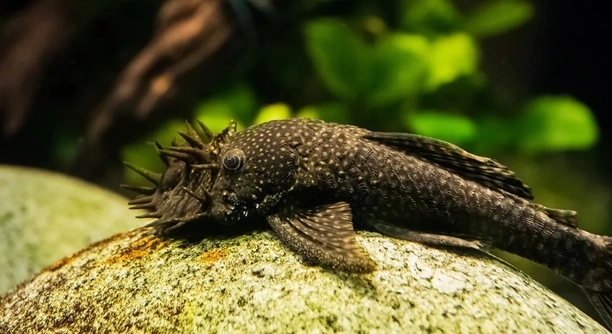
Baby plecos are fascinating little fish that need proper care to thrive. Feeding them the right diet ensures healthy growth, strong immune systems, and vibrant colors. Understanding their nutritional needs early is key to their long-term wellbeing.
The ideal diet for baby plecos consists of a balanced combination of algae, high-quality sinking pellets, and occasional vegetables. Providing a varied diet supports growth, digestive health, and overall vitality, ensuring young plecos develop properly in captivity.
Maintaining consistency in feeding routines will help your baby plecos grow strong and healthy, creating a stable foundation for their adult life.
Understanding Baby Pleco Nutrition
Baby plecos require specific nutrients to grow strong and healthy. Their diet should include protein, fiber, and vitamins from both plant and animal sources. Algae is a natural staple that supports digestive health and provides essential nutrients. High-quality sinking pellets designed for plecos are convenient and ensure consistent nutrition. Fresh vegetables like zucchini, cucumber, and spinach can be offered occasionally to diversify their diet. Feeding small amounts multiple times a day helps prevent overfeeding and maintains water quality. Observing their eating habits allows you to adjust portions and types of food as needed. Avoid foods high in fat or fillers, as these can affect their development and overall wellbeing. Proper nutrition not only supports physical growth but also strengthens the immune system, reducing the likelihood of disease. By balancing these food sources, baby plecos receive what they need to thrive in a home aquarium environment.
Providing varied food ensures baby plecos receive a balanced mix of nutrients for steady growth and health.
Consistency in feeding times and variety in diet helps baby plecos develop strong bodies and healthy digestive systems. Observing how they respond to different foods allows you to make small adjustments that improve their overall health. Fresh vegetables should be cleaned thoroughly before offering, and pellets should match their size to avoid choking. Small amounts multiple times a day prevent overeating and water contamination. Including algae wafers provides fiber and essential nutrients naturally found in their habitat. Avoid processed foods with additives or high-fat content, as these can slow growth. Feeding should always be followed by monitoring water quality to prevent ammonia buildup. Over time, baby plecos will show better coloration, energy, and appetite when their nutritional needs are consistently met. By taking the time to provide a balanced and varied diet, you support their long-term health and resilience in the aquarium.
Common Mistakes in Feeding Baby Plecos
Overfeeding or offering unsuitable foods can cause health issues for baby plecos.
Introducing too many new foods at once or feeding large portions often leads to digestive problems, poor water quality, and stunted growth. Some fish keepers rely only on pellets, neglecting the importance of natural algae and vegetables. Inconsistent feeding schedules can stress young plecos, affecting their appetite and immune system. Providing foods that are too large or hard to digest may result in choking or leftover waste that contaminates the tank. Observing their behavior and adjusting portions gradually ensures they eat appropriately without compromising tank cleanliness. Patience is key; growth and health improve steadily when mistakes are minimized and care is consistent.
Ideal Feeding Schedule
Feeding baby plecos small portions two to three times daily prevents overfeeding and maintains water quality. Consistency helps regulate digestion and supports healthy growth.
A regular schedule allows baby plecos to develop strong eating habits. Morning and evening feedings work well, providing time for their meals to be consumed fully. Overfeeding can lead to leftover food decomposing in the tank, causing ammonia spikes and stressing the fish. Observing their appetite each day helps adjust portions. Some plecos may eat more or less depending on activity and growth stages. Including a mix of algae, pellets, and vegetables ensures they get varied nutrition. Rotating vegetables every few days keeps their diet balanced and interesting. Sinking pellets should match their size to prevent choking and waste.
Monitoring water parameters alongside feeding prevents health problems. Removing uneaten food quickly reduces the risk of contamination. Baby plecos thrive when feeding is consistent, portions are appropriate, and diet is varied. Adjusting the schedule slightly to their activity ensures they remain healthy, energetic, and grow steadily. Regular observation is essential to notice changes in appetite or behavior that may indicate a need for dietary adjustments. By keeping feeding times predictable and nutritious, baby plecos develop strong bodies and resilience against illness.
Choosing the Right Vegetables
Vegetables like zucchini, cucumber, and spinach provide essential fiber and nutrients for baby plecos.
Fresh vegetables should be cleaned thoroughly and lightly blanched if needed to soften them. Cutting them into small, manageable pieces makes it easier for baby plecos to eat without struggling. Rotating vegetables ensures a variety of vitamins and minerals. Over-reliance on a single vegetable can lead to nutrient imbalances. Leafy greens and squash-type vegetables offer fiber that supports digestion. Remove uneaten portions after a few hours to prevent water contamination. Combining vegetables with pellets and algae maintains a balanced diet. Observing how baby plecos interact with each type allows you to determine their preferences and nutritional intake.
Introducing vegetables gradually prevents digestive upset and promotes consistent growth. Softening firmer vegetables and varying textures encourages natural foraging behavior. Some vegetables, like spinach, provide iron and calcium, aiding skeletal development. Squash-type vegetables support gut health and prevent constipation. Pairing vegetable feedings with algae wafers or sinking pellets ensures protein intake remains adequate. Monitor their consumption and remove leftovers to avoid ammonia spikes. Over time, baby plecos will learn which foods are easiest to eat and digest, improving their overall health. Balanced vegetable inclusion contributes to stronger immunity, vibrant coloration, and steady growth rates in young plecos.
Algae Wafers and Supplements
Algae wafers are an essential part of a baby pleco’s diet. They provide fiber and nutrients that support growth and digestion.
Supplements like calcium or vitamin-enriched pellets can be added occasionally. These help strengthen bones and improve overall health, ensuring baby plecos develop properly.
Monitoring Growth and Health
Tracking weight, size, and behavior helps ensure baby plecos are growing as expected. Regular observation allows adjustments to diet and feeding amounts. Maintaining clean water and a balanced diet reduces stress and supports long-term health, preventing common issues such as stunted growth or digestive problems.
Foods to Avoid
Avoid feeding baby plecos processed human foods or high-fat items. These can harm their digestive system and water quality, leading to poor health and slower growth.
FAQ
What can baby plecos eat besides pellets?
Baby plecos thrive on a mix of foods. Algae is a natural and essential part of their diet, supporting digestion and providing nutrients. Fresh vegetables like zucchini, cucumber, and spinach can be offered occasionally. Rotating these vegetables ensures a range of vitamins and minerals. Some aquarists provide small amounts of protein-rich foods like bloodworms or brine shrimp once or twice a week. These additions help support healthy growth. It’s important to offer small portions and remove leftovers promptly to prevent water contamination. Combining pellets, vegetables, and algae keeps their diet balanced and encourages natural foraging behavior.
How often should I feed baby plecos?
Feeding small amounts two to three times daily is ideal. Overfeeding can lead to uneaten food, which deteriorates water quality and stresses the fish. Stick to a regular schedule and adjust portions based on appetite. Observation is key—some plecos eat more or less depending on their growth stage and activity level. Using a timer or consistent routine helps maintain proper feeding habits.
Can baby plecos eat algae from the tank?
Yes, natural algae is excellent for baby plecos and provides fiber and nutrients. However, algae alone is not sufficient. It should be combined with pellets and vegetables to ensure they receive all essential nutrients for proper growth. Keeping the tank clean and providing algae wafers guarantees a consistent supply.
Are vegetables necessary for baby plecos?
Vegetables are important for fiber and vitamins. Leafy greens and squash-type vegetables prevent digestive issues and provide nutrients that support skeletal development. Rotate vegetables to offer variety and avoid nutrient imbalances. Cutting vegetables into small pieces or lightly blanching firmer types makes them easier for baby plecos to consume. Removing leftovers after a few hours maintains water quality and reduces stress.
What foods should I avoid?
Avoid processed human foods, high-fat items, or anything with additives. These can harm the digestive system and pollute the tank. Overfeeding protein-heavy foods like meat can cause water issues and stunted growth. Stick to algae, pellets, and safe vegetables for consistent health.
Can baby plecos survive only on pellets?
While pellets provide essential nutrients, relying solely on them can lead to deficiencies and poor digestion. A varied diet that includes algae and vegetables promotes better growth, strong immunity, and overall health. Pellets should complement, not replace, natural food sources.
How do I know if my baby plecos are healthy?
Healthy baby plecos are active, eat regularly, and display vibrant coloration. Observe their behavior and growth over time. Uneaten food, sluggishness, or pale color may indicate dietary or water quality issues. Regularly monitoring feeding habits and water parameters ensures early detection of potential problems.
Is it safe to give baby plecos fruit?
Fruit is not recommended. It contains sugars that can upset their digestive system and affect water quality. Stick to vegetables, pellets, and algae for safe and nutritious feeding.
Can baby plecos eat driftwood?
Yes, driftwood can be chewed occasionally and provides fiber that aids digestion. However, it is not a substitute for a proper diet. Combining driftwood with pellets, vegetables, and algae ensures balanced nutrition.
When should I adjust their diet?
Adjust their diet as they grow. Young plecos need smaller, softer foods. Gradually introduce larger pellets and new vegetables as they get bigger. Monitoring growth and health helps determine the right timing for dietary changes.
Are there supplements I should add?
Occasional supplements like calcium or vitamin-enriched pellets can strengthen bones and support immune function. Use sparingly and monitor their effects to avoid overdosing or nutrient imbalances.
How do I prevent digestive problems?
Feed small portions, rotate vegetables, and remove uneaten food promptly. Include fiber-rich foods like algae and leafy vegetables. Maintaining clean water and avoiding processed or high-fat foods prevents constipation and other digestive issues.
What is the best way to introduce new foods?
Introduce one new food at a time. Observe how baby plecos respond for a few days before adding another. This prevents digestive upset and helps determine preferences. Small, gradual changes are more effective than large, sudden additions.
How long does it take for baby plecos to adjust to a new diet?
Adjustment varies, but typically a few days to a week. Watch for consistent eating, normal activity, and no leftover food accumulation. Gradual introduction and observation ensure smooth adaptation and long-term health.
Can overfeeding harm baby plecos?
Yes, overfeeding leads to poor water quality, stress, and digestive issues. Stick to measured portions multiple times a day. Remove leftovers promptly and adjust based on appetite. Consistent feeding habits maintain health and support steady growth.
Final Thoughts
Feeding baby plecos properly is essential for their growth, health, and overall wellbeing. They rely on a diet that provides both protein and fiber, along with essential vitamins and minerals. A combination of algae, high-quality sinking pellets, and fresh vegetables ensures that baby plecos receive balanced nutrition. Observing their eating habits is just as important as offering the right foods. Small adjustments in portion size or food type can make a big difference in maintaining their digestive health and preventing common issues like constipation or stunted growth. Consistency in feeding routines helps baby plecos feel secure in their environment, while also reducing the risk of overfeeding or water contamination. Rotating vegetables and including occasional protein-rich treats ensures variety, which supports proper development and keeps them energetic. By understanding the unique dietary needs of baby plecos, you can create a healthy foundation that will carry into adulthood.
Maintaining clean water and a safe tank environment goes hand in hand with proper nutrition. Uneaten food and decaying plant matter can quickly lead to water quality problems, which can stress young plecos and make them more susceptible to illness. Monitoring water parameters regularly, removing leftover food promptly, and maintaining a consistent feeding schedule all contribute to a stable, healthy habitat. Providing small portions multiple times a day rather than a single large feeding ensures that baby plecos can consume their meals efficiently without overloading their digestive systems. Observing how they interact with their food gives important insight into their preferences and overall health. Healthy, active fish that eat consistently are more likely to grow strong and maintain vibrant coloration. By combining proper nutrition with careful tank management, baby plecos can thrive in a home aquarium.
A thoughtful feeding approach benefits both the fish and the keeper. Understanding what baby plecos need and tailoring their diet to match ensures they grow steadily and remain healthy. Avoiding processed or high-fat foods, monitoring portion sizes, and offering a variety of vegetables, algae, and pellets creates a balanced diet that supports growth, digestion, and immunity. Supplements can be added when necessary, but the primary focus should remain on providing natural, nutritious foods. Paying attention to behavior, appetite, and tank conditions allows early detection of any problems, helping prevent long-term health issues. A consistent, careful approach to feeding encourages healthy habits and helps baby plecos thrive in their aquarium environment. With patience and observation, you can ensure that your young plecos receive the right nutrition to grow into strong, healthy adults, enjoying a balanced and fulfilling life in their habitat.

Hello,
If you enjoy the content that we create, please consider saying a "Thank You!" by leaving a tip.
Every little bit helps us continue crafting quality advice that supports the health, happiness, and well-being of pets around the world, for pets of all shapes, sizes, and species.
We really appreciate the kindness and support that you show us!