
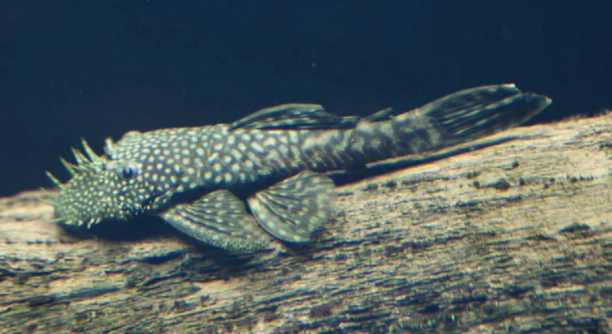
Do you ever notice your pleco slipping away just as you pour in its food? Many owners find themselves watching their fish retreat to the shadows, leaving feeding time quiet and a little puzzling.
Plecos often hide during feeding because they are naturally nocturnal and shy. Environmental stress, tank setup, and sudden movements can make them retreat. Ensuring proper hiding spots, calm surroundings, and suitable food encourages them to feed more comfortably.
Observing these habits can help improve your pleco’s feeding experience and overall comfort in its tank environment.
Understanding Pleco Behavior
Plecos are naturally shy and nocturnal fish. During the day, they often prefer to hide in caves, plants, or under decorations. This behavior is normal and not a sign of illness. Sudden movements outside the tank, bright lights, or loud noises can make your pleco retreat quickly. Even feeding time can be stressful if the environment doesn’t feel safe. Providing plenty of hiding spots and dim lighting can make a big difference. Some plecos take longer to adjust to a tank, especially if they are new. Watching their patterns over several days helps you understand when they are most comfortable feeding. The type of food also matters; plecos like algae wafers, vegetables, and occasional protein, but introducing new items slowly prevents stress. Regular water changes and maintaining proper water conditions also encourage them to come out without fear.
Shy and nocturnal habits are normal. Proper hiding spots and consistent feeding conditions reduce stress and help your pleco feel safe during meals.
Learning your pleco’s habits can make feeding time easier. Noticing the times it emerges and what foods it prefers helps create a routine. Small adjustments, like dimming lights or offering food in a quiet corner, encourage it to eat openly. Over time, you may even notice subtle signs of comfort, like swimming closer during feeding. Patience and observation are key to understanding these sensitive fish, which often thrive with predictable care and gentle interaction.
Tank Setup and Environment
A well-arranged tank supports natural pleco behavior.
Plecos need hiding spots, gentle water flow, and stable temperature. Decorations, driftwood, and plants create comfort zones that reduce stress and promote feeding.
Water quality is crucial. Regular testing for ammonia, nitrites, and pH ensures safe conditions. Driftwood not only provides hiding areas but also supplements their diet with natural fibers. The substrate should be soft to protect sensitive fins and allow easy movement. Lighting should mimic natural cycles, with dim periods for active nocturnal behavior. Temperature consistency between 72–78°F is ideal for most species. Overcrowding can cause stress and hiding, so avoid excessive tank mates. Observing how your pleco interacts with its environment gives clues to adjustments that improve comfort. Feeding areas should be predictable, with food placed near hiding spots to encourage slow, safe exploration. A well-thought-out environment reduces stress and supports long-term health. Routine maintenance and gentle care create a peaceful space where your pleco will feel secure and more likely to feed visibly.
Feeding Habits and Preferences
Plecos often prefer eating at night or in low-light conditions. They enjoy algae, vegetables, and occasional protein, but forcing them to eat during bright daylight can make them hide. Observing when and what they eat helps establish a feeding routine.
Some plecos are picky about their food. Algae wafers are a staple, but adding fresh vegetables like zucchini, cucumber, or spinach keeps their diet balanced. Protein options like shrimp pellets or bloodworms can be offered sparingly. Rotating food types gradually helps avoid stress or digestive issues. Feeding in the same spot daily makes them feel secure and encourages consistent eating habits. Watching their preferences also helps you identify any changes in appetite, which can signal stress or health issues, allowing timely adjustments to diet or environment.
Overfeeding can lead to leftover food that pollutes the tank, increasing stress and hiding behavior. Small portions offered in intervals prevent waste and maintain water quality. Some plecos graze on algae naturally, but supplementation ensures proper nutrition. Providing food near hiding spots reduces anxiety and allows shy plecos to feed safely. Tracking feeding times and observing behavior ensures your pleco remains healthy and less prone to retreating during meals, creating a calmer environment for all tank inhabitants.
Stress Factors Affecting Plecos
Stress causes plecos to hide more frequently, especially during feeding times. Loud noises, sudden movements, or aggressive tank mates trigger this behavior.
Water quality is one of the biggest stress contributors. High ammonia, nitrite spikes, or unstable pH can make plecos retreat to safer areas. Even minor temperature fluctuations can affect activity and appetite. Tank overcrowding or strong currents also increase stress, forcing plecos to remain hidden. Monitoring water parameters and maintaining a calm environment is essential.
Social interactions influence hiding behavior as well. Aggressive or overly active tank mates intimidate plecos, limiting feeding opportunities. Providing caves, driftwood, or plant cover gives them personal space. Gradually introducing new fish and maintaining a stable routine reduces anxiety. Observing their response to tank changes ensures adjustments can be made quickly, improving comfort and encouraging feeding. Consistency in water maintenance, diet, and environment allows shy plecos to feel secure and reduces prolonged hiding during meals.
Lighting and Tank Placement
Bright lights can make plecos feel exposed, especially during feeding. Dim lighting or shaded areas help them feel safe and encourage natural activity patterns.
Placing the tank in a quiet room away from frequent movement or loud noises reduces stress. Stability in surroundings supports feeding behavior and overall comfort.
Recognizing Health Issues
Changes in appetite or prolonged hiding can signal health problems. Common issues include infections, parasites, or digestive concerns. Observing your pleco’s appearance, behavior, and waste helps identify problems early. Prompt attention, proper medication, and maintaining water quality are key to recovery and ongoing health.
Encouraging Visibility During Feeding
Offering food near hiding spots or gradually adjusting light levels helps shy plecos feel secure enough to eat. Consistent routines make them more predictable and comfortable.
FAQ
Why does my pleco hide even when the tank is quiet?
Even in a calm environment, plecos can hide because they are naturally nocturnal and shy. Bright lighting, new decorations, or minor changes in water parameters can make them feel unsafe. Many plecos prefer to remain in shaded areas until they feel comfortable enough to explore.
How can I get my pleco to come out during feeding?
Placing food near their hiding spots encourages them to eat without leaving safety. Offering vegetables or algae wafers gradually and at consistent times helps them build trust with the feeding routine. Dim lighting also makes shy plecos more willing to come out.
Is it normal for a pleco to hide most of the day?
Yes, plecos are primarily nocturnal, meaning they are most active at night. Hiding during daylight is natural and helps them feel secure. Providing caves and plants allows them to express normal behavior while reducing stress.
Can water conditions make my pleco hide more?
Poor water quality can cause stress, leading to increased hiding. High ammonia or nitrite levels, unstable pH, or sudden temperature changes make plecos retreat. Regular water testing, changes, and filtration are critical to keeping them comfortable.
Do tank mates affect hiding behavior?
Aggressive or active fish can intimidate plecos, forcing them into hiding. Even curious tank mates may disturb them during feeding. Providing enough space and personal hiding areas reduces conflict and encourages your pleco to feed safely.
Should I worry if my pleco refuses food for a day or two?
Short periods of fasting are usually not a concern, as plecos sometimes skip meals. Prolonged refusal may indicate stress, illness, or poor water conditions. Observing their overall behavior and checking water parameters can help identify any underlying issues.
What foods are best to encourage shy plecos to eat?
Algae wafers are a staple, but fresh vegetables like zucchini, cucumber, and spinach are excellent. Occasionally adding protein sources like shrimp pellets or bloodworms can stimulate appetite. Rotating foods slowly prevents digestive upset and helps build trust with feeding.
How often should I feed my pleco?
Most plecos benefit from small daily feedings. Overfeeding can pollute the tank and increase stress, while underfeeding may affect health. Observing their grazing habits and adjusting amounts gradually ensures proper nutrition.
Can hiding indicate disease?
Yes, unusual hiding paired with lethargy, discoloration, or clamped fins can indicate illness. Parasites, infections, or digestive problems are common causes. Early detection, water management, and treatment help prevent serious health issues.
Will my pleco eventually stop hiding?
Many plecos remain cautious, but they become more visible over time with consistent feeding, stable water, and a calm environment. Respecting their natural habits and offering safe spaces encourages gradual confidence.
How do I know if my pleco is stressed?
Stress signs include excessive hiding, erratic swimming, loss of appetite, or rubbing against surfaces. Maintaining water quality, reducing tank disturbances, and providing hiding spots minimizes stress and supports natural behavior.
Can adjusting lighting improve feeding behavior?
Yes, dim lighting or providing shaded areas allows shy plecos to feed comfortably. Sudden bright light can make them retreat, while gentle illumination mimics natural conditions and encourages activity.
Is it okay to move the pleco to a different tank to encourage feeding?
Moving a pleco can increase stress. It’s better to adjust the current tank’s environment with hiding spots, calm surroundings, and proper lighting. Gradual changes help the pleco feel secure while promoting feeding behavior.
Do plecos prefer certain spots in the tank for feeding?
Plecos often eat near hiding spots where they feel safe. Offering food close to caves, driftwood, or plant cover encourages them to eat without leaving security. Observing their favorite spots helps you plan feeding routines effectively.
How long can a pleco go without eating safely?
Healthy adult plecos can survive several days without food, especially if they graze on algae in the tank. Juveniles or sick fish require more regular feeding. Monitoring behavior ensures they remain healthy during short fasting periods.
Can temperature changes cause hiding?
Yes, plecos are sensitive to sudden temperature shifts. Keeping water stable within their preferred range reduces stress and encourages feeding. Sudden fluctuations can lead to retreating and prolonged hiding behavior.
Are some pleco species more prone to hiding than others?
Yes, species like Bristlenose and Common Plecos tend to be more nocturnal and shy, while others may be more active during the day. Understanding your species’ habits helps manage feeding and tank conditions.
Is it normal for plecos to hide during feeding even if they are healthy?
Yes, hiding can occur regardless of health. Many plecos feel safest feeding near dark areas or within decorations. Providing comfort and predictable routines reduces stress and encourages visible feeding.
Can introducing new plants or decorations cause hiding?
Yes, sudden changes can make plecos cautious. Adding new decorations gradually allows them to explore safely. Ensuring enough hiding spaces and familiar areas minimizes stress and keeps feeding consistent.
How do I know if my pleco is eating enough?
Check food consumption and watch for leftover debris. Observe body condition and behavior over time. A healthy pleco may graze slowly or feed at night. Consistent observation ensures proper nutrition and overall wellbeing.
Will my pleco’s behavior improve over time?
With stable water conditions, regular feeding routines, and a calm environment, plecos often become more confident. Gradual exposure to light, gentle observation, and consistent care help them feed more openly and reduce hiding tendencies.
This FAQ provides guidance for understanding, feeding, and supporting plecos in a tank environment, addressing common concerns while promoting healthy behavior.
Final Thoughts
Plecos are naturally shy and nocturnal fish, so hiding during feeding is often normal behavior. They feel safest in dark, sheltered areas and may only emerge when they feel secure. This doesn’t necessarily indicate illness or poor care. Many plecos take time to adjust to a new tank, new tank mates, or even small changes in their environment. Watching their behavior and understanding their patterns is the key to knowing when they are comfortable and when they may be stressed. By creating a stable, calm environment with consistent feeding routines, you give your pleco the confidence to eat and explore without fear. Over time, observing their habits becomes easier, and you can predict when and where they are most likely to feed.
Providing a proper tank setup is essential to reducing hiding behavior. Hiding spots like caves, driftwood, or plants are not just decorative—they are vital for a pleco’s sense of security. Soft substrates, gentle water flow, and stable temperatures further contribute to comfort. Tank placement also matters; a quiet room with minimal disturbances encourages plecos to come out more frequently. Lighting should mimic natural cycles, with dim periods to accommodate their nocturnal tendencies. Feeding near hiding spots or at times when the tank is less active helps shy plecos eat without stress. Attention to water quality, including regular testing and maintenance, ensures that the environment remains safe and welcoming. These measures together create a space where plecos can thrive and exhibit normal, healthy behavior.
Diet and feeding practices also influence how often plecos come out. Algae wafers, vegetables like zucchini or cucumber, and occasional protein supplements provide balanced nutrition. Overfeeding or inconsistent feeding can create stress and increase hiding, while predictable routines encourage confidence. Observing how your pleco reacts to different foods and feeding locations helps identify preferences and habits. Short periods of fasting are usually not a concern, but persistent avoidance of food may indicate stress or health issues that need attention. With patience and careful observation, you can learn to support your pleco’s natural tendencies while gradually encouraging more visible, relaxed feeding behavior. Consistency, calmness, and respect for their nocturnal instincts will lead to a healthier, more content fish and a tank environment that works for both the pleco and the caretaker.

Hello,
If you enjoy the content that we create, please consider saying a "Thank You!" by leaving a tip.
Every little bit helps us continue crafting quality advice that supports the health, happiness, and well-being of pets around the world, for pets of all shapes, sizes, and species.
We really appreciate the kindness and support that you show us!