
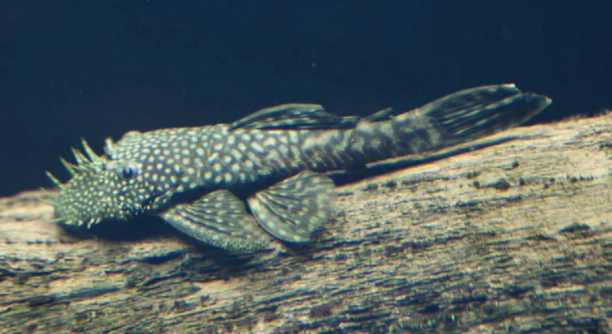
Is your pleco spending most of its time clinging to the filter, leaving you puzzled about its behavior? Many fish owners notice this unusual habit and wonder what it means for their aquarium’s health. Observing closely can reveal important clues.
Plecos often stay on the filter due to stress, poor water quality, or insufficient oxygen levels. The strong current near the filter may also appeal to them as a resting spot, providing both stability and access to circulating water.
Understanding your pleco’s habits can improve its well-being and help maintain a balanced aquarium environment. These insights are essential for keeping your fish healthy and comfortable.
Water Quality and Oxygen Levels
Poor water quality is one of the main reasons plecos cling to filters. High ammonia, nitrite, or nitrate levels can make the water uncomfortable and even harmful. Plecos are sensitive to their environment, and when the water is not clean, they often seek areas with stronger flow, like near the filter, because the moving water can feel fresher. Regular testing of water parameters and performing partial water changes can help maintain a healthier tank. Oxygen levels also play a role. If the oxygen content is low, plecos may stay where water is moving the most, which helps them breathe more easily. Aeration, proper filtration, and avoiding overstocking can improve oxygen distribution and keep plecos exploring other parts of the tank. Observing your pleco’s behavior alongside water readings will help identify whether environmental factors are causing the filter-staying habit.
Monitoring water quality and ensuring proper oxygenation keeps plecos healthy and reduces the need for constant filter contact.
Plecos benefit from a stable environment. Adding plants, hiding spots, and smooth surfaces allows them to rest comfortably elsewhere. Overfeeding or decaying food can worsen water quality, pushing plecos toward the filter. Maintaining a balanced routine with careful feeding, weekly water checks, and thoughtful tank decoration can encourage natural behavior.
Filter Design and Tank Layout
The type of filter and how the tank is arranged can influence pleco behavior.
Some filters create strong currents that plecos find comfortable to cling to. Plecos like resting against surfaces with steady water flow, and filter intakes provide this. Tank layout also matters; limited hiding spots or insufficient décor can make plecos feel exposed. When there are few places to hide or explore, the filter becomes a safe and predictable area. Rearranging decorations, adding caves, driftwood, or plants can give plecos alternative resting areas while still keeping them near water flow. Adjusting the filter’s flow rate may also reduce constant attachment. Observing how plecos interact with new decorations or changes in water flow helps determine what works best for their comfort and safety. Regular adjustments can prevent stress-related behaviors and encourage more natural activity throughout the tank.
Stress and Environmental Factors
Plecos can become stressed by sudden changes in temperature, lighting, or tank mates. Stress often drives them to cling to the filter, where the current feels steady and predictable. Minimizing abrupt changes helps them feel secure.
Stress in plecos can be caused by loud noises, aggressive fish, or too much handling. They rely on stable conditions to feel safe, and even small disturbances can trigger filter-staying behavior. Keeping a consistent light schedule, avoiding overcrowding, and placing the tank in a quiet area can reduce stress. Over time, plecos will feel confident exploring the tank when their environment is calm and predictable.
Environmental enrichment is essential. Providing driftwood, caves, and plants gives plecos alternatives to the filter. Different textures and hiding spots encourage natural behavior, allowing them to rest safely elsewhere. This setup also reduces aggression and boredom, promoting healthier activity and growth.
Feeding Habits and Diet
Plecos often linger near the filter after feeding if food particles accumulate there. They search for leftover flakes or pellets that drift toward the filter intake.
A diet lacking in variety can worsen this habit. Plecos need vegetables, algae wafers, and occasional protein sources. Feeding too much or leaving uneaten food in the tank can create water quality issues and reinforce the filter-sticking behavior. Dividing daily portions into smaller feedings helps, as does monitoring which foods are eaten most quickly. Observing feeding patterns and adjusting diet accordingly encourages plecos to forage throughout the tank rather than staying near the filter.
Regularly cleaning leftover food and offering balanced meals ensures plecos are nourished and engaged. Rotating vegetables like zucchini, cucumber, or spinach along with algae-based foods keeps them interested in other areas of the tank. Supplementing with occasional protein treats supports healthy growth. A proper feeding routine combined with environmental enrichment helps reduce constant filter attachment while maintaining water quality and overall fish health.
Filter Current Preference
Plecos often enjoy the steady water flow near the filter. The current provides a sense of security and a place to rest without much effort.
Strong currents can also help plecos breathe more easily. The constant movement ensures oxygen-rich water reaches them, making the filter area especially attractive.
Tank Size and Space
Smaller tanks limit swimming space and hiding spots, pushing plecos toward the filter. A cramped environment increases stress and reduces natural exploration. Providing enough room allows plecos to spread out and use other areas of the tank. Proper spacing prevents competition and promotes healthier behavior.
Disease or Health Issues
Illness can cause plecos to cling to the filter. Lethargy, abnormal swimming, or visible spots often accompany this behavior.
Regular observation and prompt treatment are crucial. Sick plecos may stay near the filter for comfort or to escape stronger currents elsewhere. Maintaining clean water, a balanced diet, and routine checks helps prevent health problems and encourages natural activity.
FAQ
Why is my pleco always on the filter?
Plecos cling to the filter for comfort, oxygen, and stability. Strong water flow near the filter creates a sense of safety, especially if water quality is low or if the tank lacks hiding spots. Stress, temperature changes, or aggressive tank mates can also push plecos toward the filter.
Is it harmful if my pleco stays on the filter most of the time?
Frequent filter-staying is not immediately harmful, but it can indicate stress, poor water quality, or illness. Long-term attachment may reduce swimming activity and exploration, which can affect health. Monitoring water parameters, feeding routines, and behavior is important to ensure overall well-being.
How can I encourage my pleco to leave the filter?
Provide alternative resting places like driftwood, caves, or plants. Ensure the tank is spacious and has low-stress lighting. Adjusting filter flow, maintaining clean water, and offering a varied diet can make other areas more appealing. Observation helps identify the best adjustments for your pleco.
Could my pleco be sick if it stays on the filter?
Yes, illness can cause lethargy and unusual behavior. Look for visible spots, frayed fins, labored breathing, or loss of appetite. Sick plecos may stay near the filter because it offers a steady current and comfort. Prompt water checks and treatment can prevent worsening conditions.
Does diet affect filter-staying behavior?
Absolutely. Plecos search for leftover food near the filter. Overfeeding, insufficient variety, or poor-quality food can make them cling to the filter. Providing vegetables, algae wafers, and occasional protein, while removing uneaten food, encourages natural foraging elsewhere in the tank.
Can tank size influence this behavior?
Smaller tanks limit space and hiding spots, pushing plecos toward the filter. Crowded environments increase stress and reduce exploration. Larger tanks with multiple decorations allow plecos to distribute themselves, explore, and rest naturally without relying on the filter.
How often should I check water parameters?
Weekly testing is recommended for ammonia, nitrites, nitrates, and pH. Poor water quality directly affects pleco behavior, prompting them to cling to areas with strong flow like the filter. Frequent checks ensure timely adjustments and a healthier environment.
Will adjusting the filter flow help?
Yes. Some plecos prefer gentle flow in the tank rather than strong current near the filter. Reducing the flow slightly or redirecting it can encourage movement to other areas while still providing oxygen-rich water.
Do plecos prefer hiding spots?
They do. Caves, driftwood, and dense plants give plecos secure areas away from the filter. Providing these spots satisfies their need for safety, reduces stress, and encourages natural behavior throughout the tank.
How long does it take for plecos to change behavior?
It varies. With improved water quality, proper diet, alternative hiding spots, and reduced stress, plecos may gradually explore more areas. Some adapt quickly in days, while others may take weeks. Patience and consistency are key to changing this habit.
Can tank mates cause filter-staying behavior?
Yes. Aggressive or territorial fish can make plecos seek refuge near the filter. Ensuring compatible tank mates, adequate hiding spaces, and enough territory helps plecos feel safe to move around the tank without relying on the filter.
Is it normal for plecos to cling to surfaces?
Yes, plecos naturally cling to surfaces using their suction mouth. They attach to driftwood, rocks, and the filter. While occasional attachment is normal, constant presence at the filter often signals environmental, dietary, or health issues that need attention.
What signs indicate that filter-staying is a problem?
Persistent lethargy, refusal to eat, abnormal swimming, or visible injuries indicate stress or illness. Consistent observation, water testing, and adjustments to diet, tank setup, and filtration can prevent long-term health concerns and improve activity.
Can adding plants reduce filter-staying?
Yes. Plants provide hiding spots, reduce stress, and create alternative areas for plecos to explore. They also help maintain water quality by absorbing nitrates. A planted tank encourages natural behavior and less reliance on the filter for comfort.
Is it okay for plecos to rest on the filter occasionally?
Occasional resting is normal. Plecos often use the filter as a stable surface or to access stronger water flow. Problems arise when the behavior becomes constant or is accompanied by signs of stress, poor water quality, or illness.
How does water temperature affect plecos?
Plecos are sensitive to temperature changes. Water that is too warm or too cold can stress them, causing them to seek the filter for steadier flow. Maintaining a stable temperature within their preferred range helps reduce this behavior and supports overall health.
Should I move the filter location?
Sometimes repositioning the filter helps distribute water flow evenly and provides new areas for exploration. Combined with decorations and hiding spots, relocating the filter can reduce constant attachment and encourage more natural activity patterns.
Can plecos be trained to explore the tank?
Yes, gently. Offering food in different areas, providing varied hiding spots, and creating interesting textures or driftwood encourages exploration. Gradual adjustments combined with consistent feeding and stable water conditions promote confident movement throughout the tank.
Does lighting influence behavior?
Bright or fluctuating lighting can stress plecos. They may cling to the filter in shaded areas to feel secure. Providing gentle, consistent lighting and areas of low light helps them feel safe and explore the tank naturally.
How do I know if my tank setup is ideal?
A good setup includes clean water, stable temperature, sufficient space, hiding spots, gentle flow, compatible tank mates, and a balanced diet. When plecos are active, exploring, and occasionally resting on the filter without over-reliance, it indicates a well-maintained environment.
Final Thoughts
Caring for a pleco requires attention to both its physical environment and emotional comfort. These peaceful bottom dwellers depend on stability to thrive. When a pleco constantly clings to the filter, it’s often a sign that something in the tank is not quite right. It could be related to water quality, oxygen levels, or even the tank’s layout. Sometimes it’s a simple preference, while other times it reflects stress or health concerns. Observing the small details—how the pleco moves, when it eats, or where it rests—can tell you a lot about its well-being. Regular maintenance, careful feeding, and balanced tank conditions make a big difference in keeping your pleco active and healthy.
Creating a suitable home for your pleco is not complicated, but it does take consistency. Clean water, steady temperature, and good oxygen flow are the foundation of a healthy aquarium. Regular testing of ammonia, nitrites, and nitrates ensures that the water remains safe. Adding plants, caves, or driftwood gives plecos safe places to rest, helping them feel secure without depending on the filter. It’s also important to provide a balanced diet that includes vegetables, algae wafers, and occasional protein. Overfeeding can harm water quality, while underfeeding can make plecos search for food near the filter. Small daily habits, like feeding at consistent times and cleaning debris, prevent most issues before they start.
Understanding your pleco’s habits is key to keeping it happy. Every pleco has its own personality—some prefer quiet spots with gentle flow, while others enjoy strong currents. When you notice your pleco spending less time on the filter, it’s a good sign that the environment suits its needs. Patience is important; changes in behavior don’t happen overnight. With time and care, your pleco will adapt, showing natural patterns like grazing on surfaces and exploring new spaces. Keeping the tank calm, clean, and balanced will always be the best approach. In the end, seeing your pleco thrive brings a quiet satisfaction, knowing that your attention to small details created a space where it feels safe and content. A healthy, comfortable pleco not only lives longer but also adds calm beauty and balance to your aquarium.

Hello,
If you enjoy the content that we create, please consider saying a "Thank You!" by leaving a tip.
Every little bit helps us continue crafting quality advice that supports the health, happiness, and well-being of pets around the world, for pets of all shapes, sizes, and species.
We really appreciate the kindness and support that you show us!