
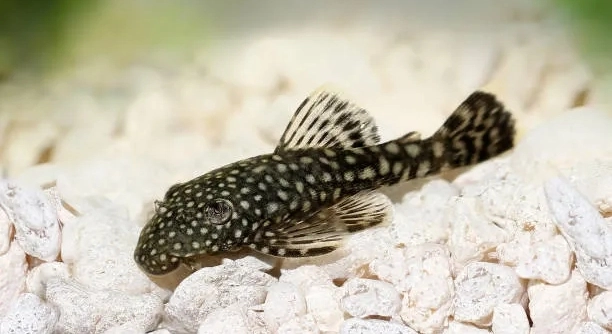
Are your aquariums feeling a little bare and lacking personality? Plecos thrive in environments that mimic their natural habitats. Choosing the right decorations can enhance both the tank’s appearance and your fish’s well-being, creating a comfortable space.
Plecos benefit from tanks that provide hiding spots, surfaces for grazing, and areas to explore. Driftwood, caves, smooth rocks, and live plants are ideal. Each element should be carefully placed to promote natural behavior, territorial boundaries, and overall fish health.
Selecting the proper decor will improve your plecos’ comfort while adding style to your aquarium. These ideas are both practical and enjoyable for your fish.
Driftwood for Grazing and Hiding
Driftwood is a natural choice for pleco tanks. It provides a surface for algae growth, which plecos enjoy grazing on throughout the day. Adding driftwood also gives them hiding spots, helping to reduce stress. Different shapes and sizes can create interest in the tank while promoting natural behavior. Be sure to soak the wood before placing it in the aquarium to prevent water discoloration. Hardwoods like Malaysian or Mopani are excellent choices because they slowly release beneficial tannins. These tannins can slightly lower pH levels, mimicking conditions found in the wild. Positioning the driftwood carefully ensures that plecos can navigate around it safely, avoiding sharp edges. Combining driftwood with rocks or plants creates layered areas, allowing plecos to feel secure while exploring. The aesthetic appeal of driftwood also enhances the visual depth of your tank. Regular maintenance, such as brushing off excess algae, keeps the wood healthy and attractive for both the fish and the observer.
Driftwood offers both function and decoration, supporting natural grazing habits while improving tank structure and appearance. Plecos benefit from its presence daily.
Using driftwood strategically allows plecos to establish territories and hide when necessary. This reduces stress, encourages feeding behavior, and provides a stable environment. Placing multiple pieces with varying shapes creates a dynamic space, encouraging activity. Driftwood interacts well with plants, offering anchor points for roots and leaves. Its tannins can slightly color the water, resembling natural habitats. Over time, plecos may rasp on the wood, which aids in digestion and dental health. Cleaning or rotating the wood ensures algae growth is manageable. Driftwood also complements other decor items like rocks or caves, creating a cohesive tank design. Selecting pieces that fit the tank’s size prevents overcrowding while maximizing surface area. Combining driftwood with soft substrate and low-flow areas provides plecos with comfort zones. Observing their interaction with the wood reveals preferences and behavior patterns. This simple addition enhances both functionality and the overall appeal of the aquarium, making it more enjoyable for both the fish and caretaker.
Smooth Rocks and Caves
Smooth rocks and caves give plecos secure hiding spots and resting areas, which they frequently use.
Rocks and caves create natural shelters, allowing plecos to retreat when stressed or sleeping. Arranging them in clusters forms multiple territories, helping reduce conflicts among tank mates. Rounded, polished rocks prevent injury, while larger formations give the fish room to explore and perch. Sand or fine gravel beneath the rocks prevents sharp edges from harming plecos. Caves made from resin, ceramic, or real rock are also effective. Changing cave placement occasionally encourages movement and curiosity. Grouping rocks with plants or driftwood adds layers and texture, offering more visual appeal. Adequate water circulation around rocks ensures cleanliness and prevents debris accumulation. Rocks also contribute to the tank’s structural integrity, preventing substrate displacement during active digging or grazing. Plecos may even use rocks to scrape algae, aiding in natural feeding behavior. By combining rocks and caves thoughtfully, you can simulate their natural habitat while providing safety, exploration, and comfort. This simple adjustment can dramatically improve the overall environment for your plecos.
Live Plants
Live plants provide plecos with natural hiding spots and grazing surfaces. They help maintain water quality and create a calm environment while giving the tank a natural, vibrant look.
Plants like Java fern, Anubias, and Amazon sword are ideal because they attach to driftwood or rocks. These plants are hardy, tolerate low light, and withstand pleco grazing. Roots and leaves offer shelter, reducing stress and encouraging exploration. Floating plants can create shaded areas, mimicking natural conditions. Proper placement ensures plecos have room to move freely while enjoying the plants. Trimming dead leaves and monitoring growth prevents overcrowding. Combining multiple plant species adds variety, benefiting both the fish and the tank’s appearance. Live plants also absorb excess nutrients, helping control algae growth and improve overall water quality.
Plants enhance the tank’s natural aesthetic and provide functional benefits for plecos. The combination of roots, leaves, and floating species supports health and encourages natural behaviors consistently.
Substrate Options
Fine sand or smooth gravel is ideal for pleco tanks, allowing safe digging and movement. Uneven or sharp substrates can injure delicate fins or barbels.
Sand offers a soft surface for plecos to forage, while smooth gravel provides a stable base for plants and decorations. Layering substrates can create depth and interest. Plecos often sift through sand to find leftover food, which supports their feeding habits. Substrate choice affects water parameters; sand may compact, whereas gravel allows better circulation. Mixing in small amounts of nutrient-rich substrate can support plant growth. Regular cleaning prevents waste buildup and keeps the tank healthy. Substrate should be deep enough to anchor plants and create a comfortable environment. Choosing the right substrate balances aesthetics, fish safety, and functionality, making it an essential component of a pleco-friendly tank.
Selecting substrate thoughtfully ensures plecos feel secure while exploring, digging, or resting. A well-chosen base complements decorations and plants, promoting natural behavior.
Floating Logs
Floating logs give plecos shaded areas and a place to rest near the water surface. They add vertical interest to the tank while providing additional hiding spots.
Logs also help create territorial boundaries in the aquarium. Plecos often hover beneath or around them, feeling secure while observing their surroundings.
PVC Pipes
PVC pipes can be arranged to create caves and tunnels for plecos. They are durable, easy to clean, and customizable to fit tank layouts. Plecos use them as hiding spots, resting areas, and breeding sites if conditions allow.
Leaf Litter
Leaf litter offers plecos natural grazing surfaces and shelters. Leaves like Indian almond or oak release tannins, slightly acidifying water and mimicking their natural environment.
FAQ
What type of driftwood is best for plecos?
Hardwoods like Mopani, Malaysian, and cholla wood are ideal. They release beneficial tannins, provide grazing surfaces, and last longer without breaking down quickly. Make sure to soak the wood before placing it in the tank to prevent discoloration and remove debris.
Can plecos live without driftwood?
While plecos can survive without driftwood, they benefit greatly from it. Driftwood provides surfaces for algae growth, hiding spots, and a source of fiber when they rasp on it. It also mimics natural habitats, reducing stress and encouraging natural behavior.
Which live plants work best in a pleco tank?
Hardy plants like Java fern, Anubias, Amazon sword, and Java moss are excellent choices. These plants can attach to driftwood or rocks and tolerate pleco grazing. Floating plants offer shaded areas, which plecos often prefer. Regular trimming helps prevent overcrowding and maintains water quality.
Is sand or gravel better for plecos?
Fine sand is ideal for soft digging and grazing, while smooth gravel offers a stable base for decorations and plants. Avoid sharp or uneven substrates to protect delicate barbels and fins. A deep substrate layer allows for plant anchoring and natural foraging behavior.
Are caves necessary in a pleco tank?
Yes, caves or hiding spots are essential. Plecos are nocturnal and territorial, and they need secure areas to rest during the day. Rocks, PVC pipes, or resin caves can serve this purpose. Multiple hiding places reduce stress and aggression in community tanks.
Do plecos need floating logs or leaf litter?
Floating logs provide shaded areas near the water surface, while leaf litter gives natural grazing surfaces and shelter. Leaves like Indian almond or oak release tannins, slightly acidifying water, and simulating their natural environment. Both additions encourage natural behaviors.
How often should I clean decorations?
Decorations like driftwood, rocks, and caves should be cleaned when algae buildup or debris becomes excessive. Avoid harsh chemicals. Gentle scrubbing with water or soft brushes is sufficient. Regular cleaning maintains water quality and prevents harmful bacteria growth.
Can plecos live with other fish in a decorated tank?
Yes, plecos are generally peaceful, but decorations help establish territories and reduce conflicts. Driftwood, caves, and plants provide hiding spots for plecos and other fish, improving overall tank harmony. Proper spacing and observation prevent overcrowding and stress.
Do decorations affect water parameters?
Some decorations like driftwood or leaf litter release tannins, which can lower pH slightly and soften water. Live plants absorb excess nutrients, improving water quality. Smooth rocks and PVC pipes do not alter water chemistry but still provide functional benefits. Monitoring parameters ensures a stable environment.
How do I arrange decorations for plecos?
Create a mix of driftwood, rocks, caves, and plants to form layers and hideouts. Ensure open swimming areas while providing vertical and horizontal spaces. Floating logs, leaf litter, and dense planting enhance the natural feel. Rotate items occasionally to encourage exploration.
Can plecos eat decorations?
Plecos may rasp on driftwood or leaves, which is normal and beneficial. Avoid painted, treated, or sharp decorations that can harm them. Soft, natural materials like hardwood driftwood, cholla wood, and Indian almond leaves are safe and useful for their diet and behavior.
How do I prevent overcrowding with tank decor?
Measure tank size and choose appropriately sized driftwood, rocks, and caves. Leave open swimming areas and space hiding spots evenly. Avoid clustering decorations excessively. Overcrowding can stress plecos and other tank inhabitants, reducing overall health and encouraging territorial aggression.
Are artificial decorations safe for plecos?
Artificial caves or ornaments made for aquariums are safe if they have smooth edges and are non-toxic. They do not provide grazing surfaces like driftwood but can supplement hiding spots. Cleaning is simple, and they are durable for long-term use.
How do I maintain a balanced tank environment?
Regular water changes, proper filtration, and careful monitoring of water parameters are essential. Cleaning decorations and trimming plants prevent waste accumulation. Balanced feeding, combined with functional decorations, ensures plecos remain healthy, active, and stress-free while maintaining an aesthetically pleasing tank.
What are common mistakes with pleco tank decor?
Common mistakes include using sharp or treated wood, overcrowding decorations, neglecting hiding spots, and choosing inappropriate substrates. Overcleaning natural elements or using toxic materials can harm plecos. Maintaining safe, functional, and natural decor ensures their health and encourages natural behaviors.
How do I encourage natural pleco behavior with decorations?
Provide hiding spots, grazing surfaces, and shaded areas. Offer driftwood, caves, leaf litter, and live plants. Arrange items to create territories and allow free movement. Observing their interactions with the environment can guide adjustments and improve their comfort and activity.
Can plecos rearrange their tank decorations?
Yes, plecos often move substrate, leaf litter, or lighter decorations while foraging. Providing stable rocks, secured driftwood, and anchored plants prevents accidents and injury. Their activity shows natural behavior and interaction with the tank environment.
Do decorations help breeding behavior in plecos?
Caves, PVC pipes, and dense plant areas can encourage breeding. Male plecos often claim secure shelters as spawning sites. Providing multiple hiding spots and stable environments supports reproductive behavior and reduces stress during breeding periods.
How do decorations influence tank aesthetics?
Functional decorations like driftwood, rocks, and plants also enhance visual appeal. Layering items and mixing textures creates a natural, dynamic look. Floating logs, leaf litter, and planted areas contribute to a realistic, pleasing environment while benefiting plecos.
What should I avoid when decorating for plecos?
Avoid sharp, treated, or painted items, overcrowding, and decorations that trap debris. Ensure enough open space for swimming. Decorations should be safe, natural, and functional, supporting grazing, hiding, and exploration while maintaining stable water conditions.
How often should I change or update decorations?
Decorations can remain long-term if maintained properly. Rotate or rearrange items occasionally to encourage activity. Replace decayed wood or damaged plants. Periodic updates refresh the environment and support plecos’ natural behavior without disrupting tank stability.
Can plecos damage decorations?
They may rasp on driftwood, leaves, or soft plants, which is normal. Hard decorations, smooth rocks, and PVC pipes remain mostly unaffected. Observing interactions ensures materials are suitable and not causing harm to the fish or tank.
Do plecos prefer certain types of caves?
Plecos favor caves with wide openings, smooth surfaces, and secure positions. Natural rock formations, PVC pipes, or resin caves work well. Providing different shapes and sizes allows choice, encourages exploration, and reduces territorial disputes.
How do I balance decoration with swimming space?
Ensure open areas for movement while placing driftwood, rocks, and plants strategically. Avoid overcrowding the tank, keeping hiding spots and grazing surfaces separate from free-swimming zones. Balance promotes healthy behavior and reduces stress for plecos and tank mates.
Are there decorations that help reduce algae growth?
Live plants and driftwood indirectly control algae by absorbing nutrients and shading areas. Proper lighting, regular cleaning, and balanced feeding are also effective. Decorations alone won’t eliminate algae but support a healthier, more controlled environment.
Can plecos live with minimal decorations?
They can survive, but minimal decor reduces grazing surfaces, hiding spots, and enrichment. Providing at least driftwood, one hiding spot, and some plant cover improves health, reduces stress, and encourages natural behaviors.
How do I introduce new decorations safely?
Rinse and soak wood, rocks, or new ornaments before adding them. Avoid chemicals or treated materials. Introduce items gradually, observing plecos’ reactions to ensure comfort. Stable placement prevents injuries or sudden territorial disputes.
Do plecos need vertical decorations?
Yes, vertical elements like driftwood or plants provide shelter, perching surfaces, and territorial markers. Plecos often interact with vertical spaces, using them for resting or grazing. Incorporating these elements enhances tank complexity and fish activity.
How do I keep decorations clean without harming plecos?
Remove decorations during water changes or scrub gently with aquarium-safe brushes. Avoid soaps or chemicals. Driftwood, rocks, and caves can be rinsed in warm water to remove algae and debris without affecting plecos or water chemistry.
Are there seasonal considerations for pleco tank decor?
Water temperature, lighting, and plant growth can vary seasonally. Adjust plant placement, floating logs, and leaf litter as needed. Monitoring water parameters ensures stability. Seasonal adjustments help maintain a healthy, comfortable environment for plecos year-round.
How much decoration is too much for plecos?
Overcrowding reduces swimming space and may increase territorial conflicts. Provide sufficient hiding spots, grazing surfaces, and plants while leaving open areas. Proper balance ensures plecos remain healthy, active, and stress-free.
Can decorations affect pleco health?
Yes, safe and natural decorations support grazing, hiding, and resting. Unsafe or overcrowded decor can injure fins, barbels, or stress fish. Choosing appropriate materials ensures both physical and behavioral health.
How do I know if plecos are happy with their tank decor?
Active grazing, resting in hiding spots, exploring, and minimal aggression indicate comfort. Observing behavior over time helps determine if adjustments to decoration placement or type are needed for optimal well-being.
Do plecos need different decorations as they grow?
Larger plecos require bigger caves, more substantial driftwood, and stronger plants. Juveniles may use smaller spaces. Adjust decorations gradually to accommodate growth, ensuring safety, comfort, and continued engagement with the tank environment.
Can decorations reduce stress in plecos?
Yes, providing secure hiding spots, shaded areas, and natural surfaces reduces stress. Proper decoration allows plecos to establish territories, retreat when needed, and engage in natural behaviors, promoting long-term health and activity.
Are artificial plants useful for plecos?
Artificial plants offer visual cover and hiding spaces but lack grazing surfaces. They are durable and easy to clean. Combining artificial plants with driftwood or leaf litter can supplement natural behavior while maintaining aesthetics and functionality.
How do decorations interact with filtration and water flow?
Position decorations to allow proper water circulation and filtration access. Avoid blocking filters or creating stagnant areas. Driftwood, rocks, and plants can influence flow patterns, so placement should balance aesthetics, functionality, and tank health.
Do plecos use decorations for resting?
Yes, caves, driftwood, leaf litter, and shaded areas serve as resting spots during the day. Vertical and horizontal elements provide security, helping plecos conserve energy and maintain natural sleep cycles.
What’s the best combination of decorations for plecos?
A mix of driftwood, smooth rocks, caves, live plants, leaf litter, and occasional floating logs creates a functional, natural environment. This combination supports grazing, hiding, resting, and exploration, balancing aesthetics and pleco well-being.
Can decorations encourage breeding behavior?
Yes, caves and secure hiding areas support spawning. Male plecos often claim caves as nests, and providing multiple options encourages natural breeding while reducing stress and territorial disputes.
Are there decorations to avoid entirely?
Avoid sharp, treated, or painted items. Toxic materials, unstable rocks, and overcrowded arrangements should be skipped. Safe, natural, and functional decorations promote health, natural behavior, and long-term tank stability.
How often should leaf litter be replaced?
Replace decayed leaves when they start to decompose, usually every few weeks. Fresh leaves maintain tannin release, provide grazing surfaces, and prevent water quality issues while continuing to support plecos’ natural behaviors.
Do plecos interact with decorations differently at night?
Yes, plecos are nocturnal and more active at night. They use caves, driftwood, and plants to explore, forage, and establish territories under low light, highlighting the importance of functional, well-placed decorations.
How do I balance aesthetic and functional decorations?
Combine visually appealing items like driftwood, rocks, and plants with practical elements like caves, leaf litter, and floating logs. Ensure sufficient swimming space and hiding spots while maintaining a natural, attractive tank layout.
Can plecos damage live plants?
Plecos may nibble on soft plants or uproot them while grazing. Choose hardy species and anchor plants securely. Combining with driftwood or rocks helps protect delicate vegetation while still offering natural enrichment.
Do plecos need shaded areas in the tank?
Yes, shaded areas created by floating logs, plants, or overhanging decorations reduce stress and simulate natural conditions. They allow plecos to rest comfortably and engage in nocturnal activity while feeling secure.
How do I monitor the effectiveness of tank decorations?
Observe plecos’ behavior, activity levels, and grazing habits. Signs of hiding, resting, and exploring indicate comfort. Adjust placement or type of decorations based on these observations to maintain a healthy and functional environment.
What’s the easiest decoration to maintain?
PVC pipes, smooth rocks, and artificial caves are low-maintenance. They provide hiding spots and structural interest without frequent cleaning. Combining with driftwood or live plants adds natural enrichment and functional benefits.
Are tannins from driftwood or leaves harmful?
No, moderate tannin release is safe and beneficial. It slightly lowers pH, softens water, and mimics natural habitats. Excessive tannins can be managed with water changes, but they generally improve pleco health and comfort.
Do decorations influence pleco feeding habits?
Yes, driftwood and leaf litter provide grazing surfaces. Rocks and caves encourage exploration, leading to incidental feeding on algae or leftover food. Proper decoration supports natural feeding behavior and reduces stress-related health issues.
Can I use artificial caves instead of natural ones?
Yes, artificial caves are safe and durable, though they lack grazing surfaces. They can supplement natural hiding spots and work well with driftwood or live plants to provide a balanced environment.
Do decorations help reduce aggression in community tanks?
Yes, providing multiple hiding spots, territories, and shaded areas allows plecos and other fish to avoid direct confrontation. Properly spaced decorations reduce stress and encourage peaceful interactions among tank inhabitants.
How do I know when decorations need replacing?
Signs include decayed driftwood, broken caves, damaged plants, or overcrowding. Replacing or rearranging items ensures continued comfort, safety, and enrichment for plecos while maintaining tank aesthetics.
Are there any decorations that help with water quality?
Live plants and driftwood indirectly improve water quality. Plants absorb nutrients, while driftwood releases tannins that inhibit bacterial growth. Proper decoration supports a balanced, healthy tank environment, benefiting plecos.
Do plecos rearrange tank decorations themselves?
Yes, plecos may move substrate, leaf litter, or lightweight items while grazing. Providing stable and anchored decorations prevents accidents while allowing natural interaction with the environment.
How do I make the tank more natural for plecos?
Combine driftwood, rocks, caves, live plants, leaf litter, and floating logs. Arrange items to create hiding spots, grazing surfaces, and shaded areas. Observing behavior helps adjust placement to mimic natural habitats effectively.
Are some decorations better for juvenile plecos?
Juveniles need smaller caves, softer plants, and lighter driftwood. Gradually adjust decorations as they grow to provide more substantial hiding spots and grazing surfaces while ensuring safety and comfort.
Can plecos use decorations for territorial purposes?
Yes, caves, driftwood, and shaded areas allow plecos to establish territories. Providing multiple options reduces conflicts and promotes natural behavior within the aquarium.
How do I prevent algae overgrowth on decorations?
Regular cleaning, live plants, proper lighting, and moderate feeding help control algae. Driftwood and leaf litter also compete for nutrients, reducing excessive growth on surfaces.
Do decorations need to be rearranged periodically?
Rearranging decorations occasionally encourages exploration and activity. It refreshes the tank layout without causing stress if done carefully and maintains a stimulating environment for plecos.
How do decorations affect pleco sleep patterns?
Shaded areas, caves, and dense plants create secure resting spots. These decorations help plecos sleep during the day, supporting natural nocturnal activity and overall health.
Can plecos damage hard decorations?
Typically, no. Driftwood, rocks, and PVC pipes withstand rasping or movement. Only soft or weak materials may wear down over time. Observing interaction ensures safety and functionality.
Are there decorations suitable for breeding pairs?
Caves, driftwood with overhangs, and densely planted areas provide ideal nesting and spawning sites. Males often claim secure shelters, and providing multiple options supports breeding behavior.
Do plecos interact with substrate as decoration?
Yes, sand or fine gravel allows foraging and digging. Substrate choice supports natural behavior, complements other decorations, and helps anchor plants securely.
Can decorations prevent stress-related illness?
Yes, functional decorations reduce stress by providing hiding spots, grazing surfaces, and shaded areas. Lower stress levels contribute to stronger immunity and healthier, more active plecos.
How do I choose decorations for multiple plecos?
Provide multiple caves, driftwood pieces, and plants to create territories. Ensure open swimming space and balance grazing surfaces. Proper spacing reduces aggression and encourages natural behavior for each fish.
Are there decorations that improve tank aesthetics without harming plecos?
Yes, driftwood, smooth rocks, live plants, and leaf litter enhance aesthetics and provide functional benefits. Floating logs and artificial caves supplement hiding spots without affecting fish health.
Do plecos prefer natural over artificial decorations?
Generally, yes. Natural items like driftwood, rocks, and plants offer grazing, hiding, and resting opportunities. Artificial decorations work as supplemental options, especially for structural or aesthetic purposes.
How do I integrate decorations with filtration?
Arrange driftwood, rocks, and plants to allow water flow and filter efficiency. Avoid blocking inlets or creating stagnant areas. Proper integration maintains water quality and supports pleco health.
Can decorations affect water temperature?
Most decorations have minimal effect. Dense driftwood or rocks may slightly influence localized temperature, but proper filtration and heating systems maintain stable overall tank conditions.
How do I ensure decorations are safe for plecos?
Use smooth, natural, and non-toxic materials. Avoid sharp, painted, or treated items. Observe fish interactions and replace anything causing injury or stress to ensure long-term safety.
Do decorations impact pleco behavior daily?
Yes, hiding spots, grazing surfaces, and shaded areas influence activity levels, feeding, resting, and territorial behavior. Properly placed decorations support natural routines and reduce stress consistently.
Are there seasonal adjustments for decorations?
Yes, adjust plants, floating logs, and leaf litter based on growth or seasonal changes in lighting and temperature. Maintaining stability ensures plecos remain comfortable year-round.
Can plecos thrive with minimal decorations if water quality is perfect?
They may survive, but enrichment from driftwood, caves, plants, and leaf litter supports grazing, hiding, and exploration. Minimal decoration can lead to stress and reduced natural behavior despite ideal water conditions.
**How
Final Thoughts
Decorating a pleco tank is more than just making it look nice; it directly impacts the health and well-being of the fish. Plecos are naturally curious and territorial creatures that need hiding spots, grazing surfaces, and areas to explore. Driftwood, rocks, caves, and live plants create an environment that mimics their natural habitat. Each element has a purpose: driftwood provides fiber and grazing surfaces, caves and rocks offer shelter and security, and plants improve water quality while offering shade and additional hiding areas. Even floating logs or leaf litter play a role in shading, territorial boundaries, and encouraging natural behaviors. When these elements are combined thoughtfully, they create a tank that plecos can interact with safely and comfortably. Overcrowding or choosing unsafe materials can have negative effects, so balance and careful planning are essential. A well-decorated tank supports both the physical and psychological health of plecos, allowing them to behave naturally and thrive over time.
The choice of substrate is equally important in creating a comfortable environment. Fine sand and smooth gravel are ideal options because they allow safe movement, foraging, and plant anchoring. Plecos often sift through sand while searching for leftover food or grazing on algae. A deep substrate layer helps anchor plants and provides a natural feel, while avoiding sharp or uneven surfaces prevents injuries to delicate barbels and fins. Decorations should be arranged to maintain open swimming space while providing multiple layers of hiding spots and grazing areas. Observing pleco behavior can guide adjustments, helping to ensure that the tank remains functional and comfortable. Decorations like driftwood, rocks, or caves may need occasional cleaning or repositioning, but these actions help maintain water quality and prevent excessive algae buildup. Over time, small changes to layout or decor can stimulate natural exploration and reduce stress, improving the overall life quality of the fish. Thoughtful design and maintenance create an environment that plecos can enjoy every day while reducing potential health risks.
Regular monitoring and observation are key to maintaining a balanced tank. Plecos respond to their surroundings, and decorations play a significant role in their behavior. Providing a mix of natural and functional elements ensures that they have sufficient hiding places, grazing surfaces, and shaded areas. Leaf litter, driftwood, caves, and plants all contribute to a stable and enriching environment. Watching how plecos interact with each piece can reveal preferences or issues, allowing adjustments as needed. Maintaining water quality through proper filtration, cleaning, and careful feeding works alongside decorations to create a safe, healthy, and engaging habitat. Even small details, like floating logs or carefully anchored plants, can influence behavior, reduce stress, and promote natural activity. By paying attention to both decoration and environment, plecos can thrive in a tank that meets their physical and behavioral needs. A well-thought-out and maintained tank enhances the life of the fish and ensures that their environment supports long-term health, comfort, and engagement.

Hello,
If you enjoy the content that we create, please consider saying a "Thank You!" by leaving a tip.
Every little bit helps us continue crafting quality advice that supports the health, happiness, and well-being of pets around the world, for pets of all shapes, sizes, and species.
We really appreciate the kindness and support that you show us!