
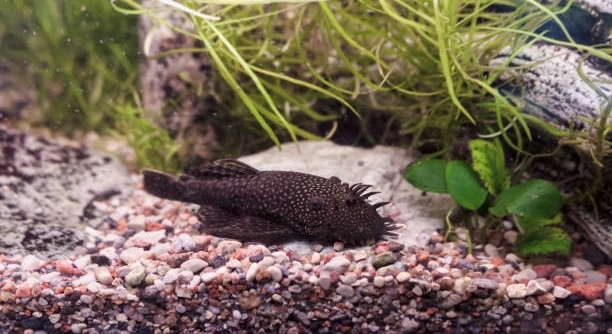
Do your plecos often hide behind decorations or squeeze into small spaces that don’t quite fit their size or comfort?
The right cave for plecos depends on their size, species, and behavior. Choosing a cave that offers a snug but spacious fit, smooth surfaces, and a stable placement ensures their safety, reduces stress, and encourages natural hiding and breeding behavior.
From understanding materials to matching the cave’s size with your pleco’s growth, each choice plays an important role in creating a comfortable and secure environment.
Understanding Pleco Behavior and Habitat Needs
Plecos are naturally shy fish that prefer to spend much of their time hiding. In the wild, they take refuge in caves, driftwood, and shaded areas to feel secure and avoid stress. Replicating these hiding spots in an aquarium helps maintain their comfort and overall health. A proper cave not only serves as a hiding place but also as a territory marker, especially for males during breeding. Selecting the right environment reduces aggression and supports their nocturnal habits. Ensuring there are enough hiding spaces for each pleco is key to preventing territorial disputes.
When a pleco feels safe, it exhibits more natural behaviors, such as exploring at night and feeding more actively. This balance between comfort and activity contributes to a healthier aquarium ecosystem.
Different pleco species have slightly varied needs, but all share a preference for dark, enclosed spaces. Observing your pleco’s size and temperament helps determine the ideal cave design. Smooth materials like ceramic or slate prevent injuries, while caves with a narrow entrance create the perfect sense of security. Always consider both the width and height of your fish, as a cramped or oversized cave can cause discomfort or disinterest. With the right setup, your pleco will thrive and display more vibrant colors.
Choosing the Right Cave Size and Material
The size of the cave should comfortably accommodate your pleco without restricting movement or appearing too open. Selecting a slightly snug fit allows the fish to feel secure and less exposed to light or movement.
When choosing materials, prioritize safety and durability. Ceramic and stone caves are ideal because they are smooth, non-toxic, and easy to clean. Driftwood and coconut shells are also popular choices, adding a natural touch to the aquarium. However, ensure they are properly cleaned and free from sharp edges. The entrance should be wide enough for the pleco to enter easily but small enough to maintain privacy. Placement also matters—keep the cave in a shaded or partially hidden area of the tank, away from strong currents. This placement mimics their natural habitat and reduces stress. By balancing cave size, texture, and position, you create a peaceful and secure home where your pleco can rest, breed, and thrive comfortably.
Placement and Positioning in the Aquarium
Positioning your pleco cave correctly helps your fish feel secure and maintain natural behavior. Avoid placing it near strong water flow or bright lights, as plecos prefer calm, shaded areas that mimic their natural riverbank hiding spots.
For the best results, place the cave against the tank wall or among plants and rocks to create a shaded, private area. This setup helps reduce stress and promotes resting and breeding. Avoid crowding multiple caves too close together, as this can lead to territorial disputes among plecos. Instead, space them evenly to allow each fish its own safe retreat. Keep entrances visible from your viewing angle but not directly facing open spaces or light sources. Maintaining a low-light, secluded area allows your pleco to adjust comfortably, encouraging natural nocturnal activity while keeping the tank balanced and visually appealing.
Proper positioning also prevents algae buildup and helps maintain water flow around the cave. Cleaning the surrounding area regularly ensures oxygen circulation and keeps debris from settling. Plecos enjoy slightly darker, quieter areas, so surrounding the cave with low plants or driftwood adds a sense of safety. This arrangement helps your pleco adapt easily, rest peacefully, and engage more actively in its environment without stress or disruption.
Maintaining and Cleaning Pleco Caves
Keeping the cave clean prevents harmful bacteria and algae from affecting your pleco’s health. Regular maintenance ensures the interior remains safe and the surrounding environment stays balanced for the aquarium’s ecosystem.
When cleaning, remove the cave gently to avoid disturbing your pleco’s territory. Use warm water and an aquarium-safe brush to scrub off algae or residue. Avoid soap or chemicals, as they can leave harmful residues. Once clean, rinse thoroughly and return the cave to its original position. It’s important to check for cracks or sharp edges after each cleaning to prevent injuries. For natural materials like driftwood, soak and dry them before placing them back. Maintaining a consistent cleaning routine keeps your pleco’s habitat healthy and reduces stress, helping them stay active and vibrant in a well-kept aquarium environment.
Common Mistakes to Avoid
Using caves that are too small or large can cause discomfort or disinterest in plecos. A cramped cave restricts movement, while an oversized one removes the sense of security plecos naturally seek in confined, dark areas.
Avoid bright lighting near the cave or placing it in high-traffic tank zones. Loud activity and constant exposure discourage plecos from using their hiding spot. Keeping the area calm, shaded, and stable ensures your pleco feels secure and maintains natural, healthy behavior.
Breeding Considerations for Plecos
When breeding plecos, the cave plays an essential role in successful spawning. The male typically guards the cave, keeping eggs safe and aerated until they hatch. Choose a cave slightly larger than the male but small enough to make the female comfortable. Position it in a quiet section of the tank, away from other fish, to prevent disturbance. Smooth interiors prevent egg damage, while stable placement ensures safety during movement. After breeding, allow the male to remain with the eggs undisturbed to maintain proper care and increase hatch success.
Final Thoughts on Pleco Caves
Providing the right cave helps plecos feel secure, display natural behaviors, and even breed successfully. A well-chosen, properly placed, and maintained cave ensures a calm, healthy, and thriving environment for your pleco’s long-term comfort and well-being.
FAQ
What size cave is best for my pleco?
The cave should be slightly larger than your pleco, allowing it to turn around comfortably but still feel enclosed. For adult plecos, measure their length and width, then choose a cave that is about 10–20% bigger than their body size. Too small a cave causes stress, while a very large cave may feel unsafe.
What materials are safest for pleco caves?
Ceramic, smooth stone, and slate are ideal because they are non-toxic and easy to clean. Driftwood and coconut shells can also work but must be properly treated to remove harmful bacteria, tannins, or sharp edges. Avoid plastics that may leach chemicals over time.
How should I position the cave in my aquarium?
Place the cave against the tank wall or near plants to create a shaded, calm area. Avoid strong water currents, bright lights, or high-traffic zones. Plecos prefer quiet, stable spots that mimic their natural riverbank hiding areas. Multiple caves should be spaced to prevent territorial disputes.
How often should I clean pleco caves?
Clean caves every 2–4 weeks, or more frequently if algae buildup occurs. Use warm water and a soft brush to remove debris, avoiding soap or chemicals. Natural materials may need soaking or gentle scrubbing. Always check for sharp edges or cracks after cleaning to ensure safety.
Can plecos share caves?
Some plecos are territorial, especially males, and may fight if caves are shared. Provide one cave per pleco or separate them with enough space to avoid aggression. Observation is key: some species tolerate shared spaces, while others require complete solitude.
Do plecos need more than one hiding spot?
Yes, multiple hiding spots reduce stress and prevent territorial aggression. Each pleco should have its own cave or secure area. Additional spots allow plecos to choose their preferred location depending on light, water flow, and activity level.
Will plecos use artificial caves as well as natural ones?
Plecos generally accept both, provided the cave is safe and comfortable. Smooth surfaces, proper size, and stable placement matter more than material. Driftwood and natural stones can enhance their environment, but ceramic and slate caves are often easier to maintain.
How do caves affect breeding?
Caves are essential for breeding. Males guard the eggs inside a cave, keeping them safe until they hatch. A properly sized, stable cave with smooth interiors improves survival rates. The female lays eggs comfortably if the entrance and interior are suitable and undisturbed.
What signs show my pleco likes its cave?
Plecos will enter the cave regularly, rest quietly inside, and sometimes retreat during the day if stressed or active at night. Bright colors, normal feeding, and reduced aggression indicate comfort. Avoid caves that are ignored, as this may mean the size or placement is unsuitable.
Can plecos damage caves?
Soft natural materials like untreated wood may erode over time due to scraping and chewing, but ceramic and stone caves are durable. Monitor the cave regularly for wear and ensure edges remain smooth to prevent injuries.
Should caves be moved once placed?
Minimal movement is recommended. Moving a cave frequently can stress plecos and disturb their sense of territory. If relocation is necessary, do it slowly and maintain the same shaded, calm conditions to help plecos adjust.
Do plecos prefer covered or open caves?
Plecos prefer caves with a sense of enclosure. A narrow entrance and darker interior make them feel secure. Open caves may be ignored, as they don’t provide the privacy needed for resting, hiding, or breeding.
Can caves improve pleco health?
Yes. Proper caves reduce stress, encourage natural behaviors, and provide safe resting spots. A calm, secure environment strengthens immunity, supports feeding routines, and promotes overall well-being. Choosing and maintaining the right caves is essential for a healthy pleco aquarium.
How many caves are ideal for a community tank?
Provide at least one cave per pleco, plus extras for variety. More caves help reduce territorial disputes and stress, especially in tanks with multiple species. Strategically placing caves throughout the tank allows plecos to choose preferred spots while maintaining harmony.
Are all cave shapes suitable for plecos?
Shapes should match the pleco’s size and swimming style. Rounded or elongated caves work well, but avoid sharp corners or excessively tall designs that make the fish feel exposed. Smooth, enclosed spaces provide security and encourage natural behaviors.
Can I decorate the cave interior?
Minimal decoration is best. Smooth plants or moss can make the cave more appealing, but avoid anything that could trap the pleco or damage its fins. Keep the interior simple to ensure safety, comfort, and easy cleaning.
Do plecos need caves if the tank is densely planted?
Dense plants offer some cover, but plecos still benefit from caves. Plants do not replicate the secure, enclosed space plecos naturally seek for resting, hiding, and breeding. Combining caves with planted areas provides optimal shelter and reduces stress.
How can I tell if my cave is too small?
Signs include repeated attempts to squeeze in and difficulty turning around. Stress behaviors like constant hiding at the entrance or avoiding the cave entirely may indicate improper sizing. Adjust the cave size to ensure comfort without removing the sense of security.
How do I choose between driftwood and ceramic caves?
Driftwood offers natural aesthetics and minor tannins that can benefit water chemistry but may require soaking and cleaning. Ceramic caves are easier to maintain and highly durable. Choose based on maintenance preference, tank theme, and pleco size.
Can plecos be trained to use specific caves?
Yes. Consistently placing them in a preferred cave and ensuring calm conditions helps them adopt it as their primary hiding spot. Patience and consistency allow plecos to feel secure and settle into a routine.
Are caves necessary for juvenile plecos?
Juvenile plecos still require hiding spaces. Smaller caves reduce stress during growth and provide security. As they grow, adjust cave size to match their changing needs while maintaining multiple hiding options throughout the tank.
What should I do if my pleco ignores its cave?
Reassess size, placement, and lighting. Some plecos prefer shaded or partially covered areas. Ensure the cave is stable, smooth, and in a low-traffic area. Trying a different shape or material can encourage use while maintaining comfort and security.
How can I make a DIY cave safe for plecos?
Use non-toxic, smooth materials like slate, ceramic, or properly treated driftwood. Avoid sharp edges and ensure stability. Clean thoroughly before placement. Test the structure to make sure it won’t collapse or shift under water. Proper DIY caves can be both safe and functional.
Do plecos prefer single or multiple caves per fish?
Single caves per fish work if each has its own space, but multiple options reduce stress and territorial disputes. Offering a variety of caves allows plecos to choose based on comfort, light, and personal preference, improving overall tank harmony.
Can plecos outgrow their caves?
Yes. As plecos grow, they may need larger or additional caves. Regularly check the size and adjust accordingly to maintain comfort, security, and proper hiding space for resting and breeding.
How do caves affect nocturnal behavior?
Proper caves support natural nocturnal activity by providing a safe resting spot during the day. Plecos emerge at night to feed and explore while feeling secure in a familiar, enclosed environment. This encourages healthier and more active behaviors.
Is it okay to have caves for aesthetic purposes only?
While aesthetic caves enhance the aquarium visually, they must meet pleco needs to be effective. Size, safety, and placement matter more than appearance. If the fish avoids the cave, its design may need adjustment.
How often should I check my pleco caves?
Check weekly for algae, cracks, or sharp edges. Regular inspection ensures safety and prevents stress or injury, keeping the habitat clean, secure, and suitable for resting or breeding at all times.
What are the signs of an unhealthy cave environment?
Excess algae, debris buildup, strong currents, or sharp edges indicate a poor cave environment. Plecos may avoid such caves, hide outside them, or show stress behaviors. Regular cleaning and proper placement maintain a healthy and safe space.
How do caves influence pleco feeding habits?
Caves provide security, allowing plecos to feed more confidently, especially nocturnally. A secure environment reduces stress, encourages regular feeding, and supports natural foraging behaviors without interference from other tank inhabitants.
Are caves necessary for all pleco species?
Most pleco species prefer hiding spaces, but cave requirements vary by size, activity, and temperament. Providing at least one secure, shaded cave is recommended for all species to ensure comfort and reduce stress.
Can plecos damage plants near caves?
Some plecos may nibble on soft plants near caves while resting or hiding. Using hardy plants or protective placement prevents damage while still providing natural cover and shaded areas.
Do caves need to be weighted?
Yes, especially for lighter materials like driftwood or coconut shells. Weighted caves prevent shifting, reduce stress, and ensure safety for plecos resting or breeding inside.
How do I introduce a new cave to an established tank?
Place the cave slowly in a low-traffic area, allowing plecos to explore at their own pace. Avoid sudden moves or changes to reduce stress and encourage adoption of the new hiding spot.
Can plecos fight over caves?
Yes, especially males or territorial species. Provide multiple caves spaced apart to reduce aggression. Observation is key to ensure all fish have access to secure hiding spots without conflict.
How does water flow affect cave choice?
Plecos prefer low to moderate flow near caves. Strong currents can deter use, stress fish, and disrupt breeding. Position caves where water movement is minimal while still maintaining overall tank circulation.
Do caves affect tank maintenance?
Caves can trap debris, so cleaning around and inside them is important. Smooth materials are easier to clean, while natural caves may require additional care to maintain water quality. Proper maintenance keeps the habitat safe and healthy for plecos.
Can caves be used to separate plecos temporarily?
Yes. Placing individual caves in different areas can help manage aggression or isolate fish during illness or stress. Ensure caves are secure and comfortable to reduce anxiety during separation.
How do I know if my pleco is stressed despite having a cave?
Signs include hiding outside the cave, refusing food, rapid breathing, or lethargy. Reassess cave size, placement, and surrounding environment to ensure security, comfort, and proper tank conditions for stress reduction.
Can plecos adapt to multiple cave types?
Yes. Many plecos accept ceramic, stone, and natural caves if they are safe, properly sized, and placed correctly. Variety can enrich the environment and encourage natural behaviors.
How do I choose a cave for a tank with mixed species?
Provide multiple caves of varying sizes and placements to accommodate different species. Ensure territorial species have enough space, and avoid placing caves in high-traffic areas where smaller or timid fish may feel threatened.
Are caves important for juvenile pleco socialization?
Yes. Juveniles need secure spaces to reduce stress and prevent bullying from older fish. Multiple caves help young plecos learn safe hiding, resting, and territorial behaviors.
Can plecos ignore a cave completely?
Some may, if the cave is poorly sized, improperly placed, or in a high-light, high-flow area. Adjusting size, position, and lighting usually encourages use while maintaining a calm, safe environment.
Do caves help during water changes?
Yes. Plecos retreat to caves during disturbances like water changes, which reduces stress and protects them from sudden environmental changes. Ensuring stable, secure hiding spots supports calmer behavior during maintenance.
What is the ideal number of caves per tank?
Provide one cave per pleco plus extras for choice and privacy. More caves reduce aggression, allow territorial expression, and support natural behaviors. Placement variety enhances security and comfort across the aquarium.
Can caves affect aquarium aesthetics?
Caves can enhance visual appeal while serving pleco needs. Balance aesthetics with functionality—choose safe materials, proper sizes, and strategic placement to ensure both beauty and fish comfort.
How long do plecos typically use a cave?
Plecos may use a cave daily, especially for resting during daylight. Use can increase during breeding or when stressed. Observing their habits helps determine if the cave meets comfort and security needs.
Are DIY caves as effective as store-bought ones?
Yes, if made with safe, smooth, and stable materials. DIY caves can be customized to pleco size and tank layout while remaining functional, secure, and visually compatible with the aquarium.
Do plecos require a cave in small tanks?
Even in small tanks, a single secure cave reduces stress and supports natural behavior. Ensure size and placement allow easy movement and maintain water quality. Multiple small caves can work if space permits.
Can caves prevent aggression in plecos?
Providing multiple hiding spots reduces territorial disputes, giving plecos personal space. Proper spacing, secure placement, and suitable sizes help maintain harmony among tankmates.
How do I maintain water quality around caves?
Regular cleaning and water changes prevent debris buildup inside or near caves. Smooth, non-porous materials are easier to keep clean, while natural caves may require additional care to avoid affecting overall water quality.
Is cave placement more important than size?
Both matter, but proper placement often determines use. A correctly sized cave in a stressful location may be ignored, while a slightly smaller cave in a calm, shaded spot encourages consistent use.
How do caves influence nocturnal activity?
Caves provide secure resting spaces during the day, allowing plecos to be more active at night. Comfortable caves promote natural nocturnal feeding, exploration, and territorial behaviors.
What should I do if plecos fight over caves?
Add additional caves, space them out, and monitor interactions. Avoid placing multiple males or territorial species too close together. Providing choice and privacy reduces aggression and supports peaceful coexistence.
Are caves necessary for all tank setups?
Most setups benefit from at least one cave per pleco. Even heavily planted or well-decorated tanks should include secure, enclosed spaces to reduce stress and encourage natural hiding behaviors.
Do plecos prefer certain cave colors or textures?
Plecos respond more to shape, size, and enclosure than color. Smooth textures and secure interiors matter most. Darker interiors enhance security, while rough surfaces or sharp edges may deter use or cause injuries.
Can caves be stacked or layered?
Yes, if stable. Stacking caves can create multi-level hiding options, but ensure stability to prevent collapse. Avoid overly complex designs that trap fish or impede access.
How often should caves be replaced?
Replace caves if damaged, cracked, or heavily worn. Durable materials may last years, but monitoring condition ensures safety, comfort, and continued use by plecos.
Are caves helpful during illness?
Yes. Sick plecos benefit from calm, secure spaces to reduce stress, rest, and recover. Isolating them in a personal cave can support recovery while maintaining hygiene and minimizing disturbance.
Can plecos share caves with other species?
Depends on species compatibility. Peaceful tankmates may share space, but territorial plecos require individual caves. Observe interactions to ensure all fish remain safe and comfortable.
Do plecos prefer caves near the bottom or middle of the tank?
Bottom placement is preferred. Plecos are bottom dwellers and feel secure near substrate. Mid-level caves may be used occasionally but are less natural for resting and hiding.
How do I choose the right cave for long-term use?
Consider pleco size, growth potential, material durability, and placement. A stable, smooth, and appropriately sized cave that matches their natural preferences ensures long-term use, comfort, and overall health.
Can plecos adapt to new caves quickly?
Many adapt within days if the cave is safe, properly sized, and positioned in a calm area. Patience and minimal disturbance support smooth transitions.
Do caves need ventilation or openings?
Plecos do not require extra ventilation beyond the entrance. Ensure enough space inside for movement and water flow, avoiding completely enclosed or cramped designs.
Are caves more important for nocturnal species?
Yes. Nocturnal plecos rely on secure resting spaces during daylight to maintain natural activity cycles and reduce daytime stress, ensuring healthy nocturnal behavior.
How do caves impact tank aesthetics for viewing?
Caves can complement the aquarium visually while providing function. Positioning them thoughtfully with plants, rocks, or substrate enhances appearance without compromising pleco comfort.
Do plecos need caves in community tanks with schooling fish?
Yes. Even in active community tanks, secure caves provide plecos with private resting spots, reducing stress caused by constant movement or attention from other species.
What are the key takeaways for pleco caves?
Safe materials, proper size, correct placement, and regular maintenance are essential. Providing multiple secure hiding spots ensures pleco comfort, reduces aggression, supports breeding, and encourages natural behaviors while maintaining tank balance.
How can I test if a cave is suitable?
Observe pleco behavior: regular use, calm resting, and reduced stress indicate suitability. Avoid caves that are ignored, cause aggression, or prevent normal movement and feeding.
Can plecos modify caves themselves?
Some species may rearrange loose natural materials inside or around the cave. Ensure stability and smooth surfaces to prevent damage or injury while allowing natural interaction with the habitat.
Are caves necessary for large plecos?
Absolutely. Larger species require appropriately sized caves for comfort, security, and resting. Proper sizing and placement prevent stress and injury, supporting health and natural behaviors.
Do plecos prefer single large caves or multiple smaller ones?
Multiple smaller caves often work best, reducing territorial disputes and providing options. Large caves can also be effective if spacious and stable, but variety enhances security and comfort.
Can caves be shared with shrimp or snails?
Peaceful invertebrates may cohabit caves without issue. Ensure entrances and interiors accommodate pleco size to prevent accidental harm. Multiple caves reduce crowding and potential conflicts.
How do caves affect water circulation?
Caves may slightly alter flow near entrances. Ensure adequate overall tank circulation while placing caves in low-flow areas to maintain pleco comfort.
Are caves important for stress reduction?
Yes. Proper caves give plecos a safe retreat, reducing stress, encouraging feeding, and supporting natural resting and hiding behaviors critical for long-term health.
Can I combine different cave types in one tank?
Yes. Combining ceramic, stone, and driftwood caves provides variety and enrichment while meeting pleco needs. Ensure all are safe, stable, and appropriately sized.
How do I encourage cave use in shy plecos?
Place the cave in a quiet, shaded area and avoid disturbing it. Minimal handling and stable positioning help shy plecos adopt it as a safe retreat.
Can plecos be territorial over more than one cave?
Yes. Males may guard multiple
Final Thoughts
Choosing the right cave for plecos is an important part of maintaining a healthy and balanced aquarium. Plecos are naturally shy, bottom-dwelling fish that rely on secure hiding spaces to feel safe. A well-chosen cave supports their natural behaviors, including resting, hiding, and breeding. Size, material, and placement are all essential factors to consider. A cave that is too small can stress the fish, while one that is too large may make them feel exposed. Smooth surfaces prevent injuries and make maintenance easier. Materials like ceramic, slate, or treated driftwood are durable and safe for long-term use. Natural materials can also provide a more realistic environment, but they may require extra cleaning and care. Positioning the cave in a quiet, low-light area reduces stress and encourages the pleco to use it consistently. Providing multiple hiding spots can also help prevent aggression, especially in tanks with more than one pleco or other species. Observing your fish’s behavior will help determine whether the cave meets their comfort needs, and adjustments can be made as they grow or as the tank conditions change.
Regular maintenance is essential for keeping caves safe and hygienic. Debris, algae, and other buildup can affect water quality and the health of your pleco. Cleaning caves with warm water and a soft brush is usually sufficient, and harsh chemicals should always be avoided. For natural materials, soaking and proper preparation help reduce toxins or harmful organisms that could harm the fish. Checking for cracks, sharp edges, or unstable structures ensures that the cave remains a safe environment. Clean, stable caves reduce stress and allow plecos to engage in normal behaviors like resting and nocturnal feeding. A consistent cleaning routine helps maintain not only the cave but also the overall health of the aquarium. It also makes it easier to monitor your pleco’s health, as you can observe whether it is using the cave comfortably and whether any signs of stress or illness appear.
The benefits of providing the right cave go beyond simple shelter. A properly sized and placed cave encourages plecos to display natural behaviors, reduces aggression, and can even support breeding. It creates a sense of security that helps them feel at home in the tank. Each pleco may have its preferences, so offering a variety of caves and observing their behavior can guide you in creating the ideal setup. By balancing cave size, material, placement, and maintenance, you can create a stable, safe, and engaging environment that promotes the well-being of your plecos. Caves are not just decorative; they are an essential part of your pleco’s habitat and contribute directly to their comfort, activity, and overall health. Thoughtful selection and care of pleco caves result in happier fish and a more harmonious aquarium environment that is easy to maintain and enjoyable to observe.

Hello,
If you enjoy the content that we create, please consider saying a "Thank You!" by leaving a tip.
Every little bit helps us continue crafting quality advice that supports the health, happiness, and well-being of pets around the world, for pets of all shapes, sizes, and species.
We really appreciate the kindness and support that you show us!