
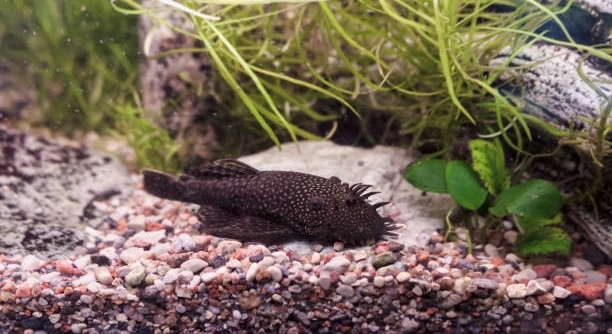
Is your pleco refusing to latch onto the glass of your aquarium despite your careful setup? Many fish owners notice their plecos drifting instead of sticking, which can be confusing and slightly frustrating during tank maintenance.
The primary reason a pleco is not adhering to glass is often related to insufficient surface biofilm, improper tank conditions, or stress factors. Plecos rely on natural algae growth and suitable water parameters to maintain proper suction.
Understanding these causes will help you restore your pleco’s natural behavior and ensure it thrives in its aquatic environment without unnecessary stress.
Common Reasons Plecos Avoid Glass
Plecos often avoid glass due to a few predictable factors. One of the main issues is insufficient algae or biofilm, which they naturally feed on. Without this layer, they have little incentive to cling. Water quality also plays a major role. High nitrate levels, low oxygen, or inconsistent temperatures can stress a pleco and reduce its activity. Tank setup impacts behavior too. Smooth, new glass lacks the texture plecos prefer, making suction difficult. Decorations, driftwood, and hiding spots often attract them more than bare surfaces. Additionally, plecos are nocturnal, so they may simply be resting during the day when you notice them drifting. Feeding schedules can influence glass behavior as well. Plecos may avoid areas where food is inconsistent or where strong water currents make holding position challenging. Observing these patterns helps identify why your pleco is avoiding glass and how to adjust its environment accordingly.
Glass avoidance can signal underlying stress, poor diet, or environmental issues that need attention for your pleco’s well-being.
Adjusting water parameters, adding driftwood, and encouraging natural biofilm growth will make glass surfaces more appealing for your pleco. Observing their daily patterns helps fine-tune these changes effectively.
Improving Glass Latching Behavior
Focusing on water quality is essential for promoting proper latching behavior.
Plecos thrive in stable water conditions. Regular testing and maintenance help maintain appropriate pH, temperature, and nitrate levels, which reduces stress. Adding driftwood or rough surfaces provides areas where plecos can latch comfortably. Creating natural biofilm is critical, so avoid over-cleaning glass and allow algae to develop. Feeding plecos a balanced diet, including algae wafers, vegetables, and occasional protein, encourages healthy suction behavior. Observation is key: monitor your pleco during different times of day to understand its habits. Adjusting lighting schedules can also make the glass more appealing, as plecos tend to be more active in dimmer conditions. Overcrowding or aggressive tank mates can inhibit latching behavior, so ensure the aquarium setup supports peaceful interaction. Combining proper nutrition, water quality, and tank adjustments consistently encourages your pleco to engage with glass surfaces more frequently. These measures enhance both the fish’s health and your aquarium’s visual appeal.
Adjusting Tank Environment
Small changes in tank setup can significantly influence pleco behavior. Adding driftwood, rocks, or textured surfaces gives them preferred areas to latch. Avoid completely smooth glass if possible. Moderate water flow helps, as strong currents make it difficult for plecos to maintain suction.
Providing more hiding spots reduces stress, allowing plecos to explore glass freely. Driftwood not only encourages latching but also releases tannins that improve water chemistry. Rearranging decorations occasionally keeps the environment stimulating, which can increase their activity on glass. Avoid overcrowding and ensure other fish do not compete aggressively for space. Temperature stability is essential; fluctuating conditions can make plecos retreat to hiding areas rather than exploring glass surfaces. Observing which areas your pleco prefers and adjusting accordingly helps reinforce latching behavior.
Lighting levels also play a role in encouraging glass interaction. Dimmer conditions during the day make plecos more comfortable. Maintaining these environmental adjustments consistently helps support healthy behavior and a more active pleco.
Encouraging Natural Feeding Behavior
Encouraging natural feeding supports proper suction behavior and keeps plecos active. Offer algae wafers, vegetables, and occasional protein in varied locations, including areas near glass surfaces, to prompt natural foraging and latching.
Balanced feeding improves overall health, which directly affects how and where plecos attach. If their diet is inconsistent or lacks nutrition, they may spend more time drifting and less time exploring surfaces. Placement of food in multiple tank zones stimulates movement and suction behavior. Overfeeding can reduce activity, so measure portions carefully to maintain interest and encourage glass interaction. Feeding at consistent times creates a routine, reducing stress and reinforcing natural behaviors.
Observing the pleco’s responses to different foods and adjusting placement supports both nutrition and engagement with the tank environment. Regularly providing fresh vegetables like zucchini or cucumber alongside algae wafers ensures variety, satisfying natural instincts and promoting healthy glass-latching habits. Consistency and attention to detail in feeding schedules will help your pleco remain active, healthy, and more inclined to interact with all surfaces in its tank.
Reducing Stress Factors
Stress can prevent plecos from latching properly. Avoid sudden changes in water temperature or chemistry, and keep tank maintenance gentle. Minimize aggressive tank mates and ensure there are enough hiding spots for them to feel secure.
Consistent routines help plecos feel safe. Sudden movements near the tank, loud noises, or frequent rearranging of decorations can make them retreat. Stress affects suction behavior directly, so maintaining calm conditions encourages glass interaction.
Monitoring Water Quality
Regular testing of water parameters is critical. Maintain stable pH, ammonia, nitrate, and nitrite levels to prevent stress and ensure pleco health.
Water changes should be consistent but gradual to avoid shocking the fish. Use conditioners when adding new water and monitor temperature closely. Clean the tank without removing all biofilm, as it supports both feeding and latching behavior. Observing water clarity and chemistry regularly allows you to adjust conditions before issues arise. Stability in the environment supports activity levels, encouraging plecos to explore and attach to glass naturally.
Encouraging Activity
Providing a stimulating environment keeps plecos active. Varied decorations, moderate currents, and feeding routines help them move and latch more frequently.
FAQ
Why is my pleco not sticking to glass at all?
Plecos often avoid glass when there is insufficient algae or biofilm for them to feed on. Stress from poor water quality, aggressive tank mates, or sudden changes in temperature can also reduce their suction activity. Smooth glass surfaces make latching difficult, so adding driftwood or textured surfaces can help.
Can lighting affect pleco latching behavior?
Yes, plecos are nocturnal and prefer dimmer lighting. Bright daytime light can make them feel exposed, causing them to hide or drift instead of attaching to glass. Adjusting light intensity or using shaded areas encourages natural latching behavior without stressing the fish.
How does diet influence glass attachment?
A balanced diet is essential. Plecos need algae, vegetables, and occasional protein to stay healthy. Inconsistent feeding or poor nutrition reduces energy and interest in exploring surfaces. Placing food near glass encourages movement and suction activity. Overfeeding can have the opposite effect, making plecos less active.
Does water flow matter for plecos?
Moderate water flow supports natural suction behavior. Strong currents make it difficult for plecos to cling, while stagnant water can reduce activity. Creating gentle currents mimics their natural environment and encourages them to explore glass and other surfaces safely.
Do tank mates affect my pleco’s glass behavior?
Yes, aggressive or territorial fish can stress plecos and prevent them from latching. Ensure there is enough space and hiding spots so your pleco feels secure. Peaceful tank mates encourage exploration and allow natural suction behavior to occur without interference.
Can stress prevent plecos from latching?
Absolutely. Stress from environmental changes, loud noises, or frequent tank rearrangements can make plecos retreat to hiding areas. Reducing stress through stable routines, hiding spaces, and calm maintenance promotes glass attachment and overall health.
Is biofilm important for pleco glass attachment?
Biofilm is essential because it provides a natural food source. Removing it completely during cleaning reduces suction motivation. Allowing some algae or biofilm to develop ensures plecos have an incentive to latch and explore surfaces.
How often should I clean the tank to encourage latching?
Clean the tank regularly but gently. Avoid over-scrubbing the glass or removing all biofilm. Partial cleaning keeps surfaces appealing for suction and maintains water quality, supporting pleco health and encouraging them to interact with glass naturally.
Do plecos prefer certain types of glass surfaces?
Plecos latch better to textured or slightly rough surfaces. Smooth, new glass can be difficult for them to hold onto. Adding driftwood, rocks, or ornaments with rough edges increases their ability to attach and move comfortably within the tank.
Will temperature changes affect glass latching?
Yes, sudden temperature fluctuations can stress plecos and reduce suction behavior. Stable, species-appropriate temperatures are essential. Gradual adjustments during water changes or heater replacements help them feel secure and maintain regular glass interaction.
Can a sick pleco stop latching?
Illness can affect energy levels and suction behavior. If a pleco shows lethargy, loss of appetite, or unusual swimming, check water quality, diet, and potential disease symptoms. Addressing health issues often restores normal glass attachment behavior over time.
How can I encourage my pleco to latch more often?
Provide a combination of stable water conditions, proper diet, dim lighting, gentle water flow, and textured surfaces. Observing habits and adjusting the tank environment gradually encourages natural behavior and keeps plecos active and healthy.
Do feeding schedules impact latching behavior?
Yes, consistent feeding schedules help plecos anticipate food and move more actively, including onto glass surfaces. Irregular feeding can lead to inactivity, reducing suction behavior and overall engagement in the tank environment.
Is latching behavior normal for all plecos?
While most plecos exhibit suction behavior, some species or individual fish may prefer driftwood, rocks, or hiding areas over glass. Understanding species-specific needs helps set realistic expectations for attachment and activity levels.
Can I make glass more appealing for my pleco?
Yes, allowing natural biofilm to develop, adding driftwood, adjusting water flow, and maintaining calm conditions makes glass surfaces more attractive. Small, consistent adjustments encourage your pleco to interact with glass without causing stress or forcing behavior.
This FAQ covers common questions about pleco latching behavior and provides practical steps to support healthy attachment to glass. Following these guidelines can help your pleco remain active, stress-free, and engaged in its environment.
Final Thoughts
Observing a pleco that is not latching to glass can be frustrating, but it is usually a signal that adjustments are needed in the tank environment or care routine. Plecos rely on natural biofilm and algae for food, and smooth, bare glass surfaces often do not provide sufficient incentive for suction. Small changes such as adding driftwood, rocks, or textured surfaces can create more appealing areas for latching. Consistent water parameters are also critical. Sudden fluctuations in temperature, pH, or nitrate levels can stress plecos, reducing their activity and interest in exploring surfaces. Monitoring water quality regularly and making gradual adjustments helps maintain a stable environment. Additionally, providing hiding spots allows plecos to feel secure, which encourages them to be more active and interact with the tank environment, including the glass.
Feeding practices play an important role in promoting latching behavior. Plecos require a balanced diet that includes algae, vegetables, and occasional protein to stay healthy and energetic. Inconsistent feeding or overfeeding can reduce activity, while placing food near glass surfaces can encourage natural suction and movement. Observation is key to understanding individual habits. Some plecos are more nocturnal, preferring dim lighting and quiet conditions, which affects when and where they latch. Adjusting lighting, providing moderate water flow, and maintaining a peaceful tank environment all contribute to encouraging natural behavior. Overcrowding or aggressive tank mates can interfere with latching, so ensuring a balanced and compatible community tank supports both activity and health.
Patience is essential when addressing glass-latching issues. Changes in behavior often take time to appear as plecos adjust to new conditions or routines. Gradual improvements in tank environment, feeding practices, and stress reduction typically result in more consistent glass attachment. Maintaining biofilm, stabilizing water quality, and observing daily activity patterns will help guide adjustments and ensure the pleco thrives. While not all plecos interact with glass in the same way, providing the conditions that support their natural instincts will improve their overall well-being. Over time, these adjustments encourage healthy latching behavior, enhance the visual appeal of the tank, and create a more engaging environment for both the fish and the owner.

Hello,
If you enjoy the content that we create, please consider saying a "Thank You!" by leaving a tip.
Every little bit helps us continue crafting quality advice that supports the health, happiness, and well-being of pets around the world, for pets of all shapes, sizes, and species.
We really appreciate the kindness and support that you show us!