
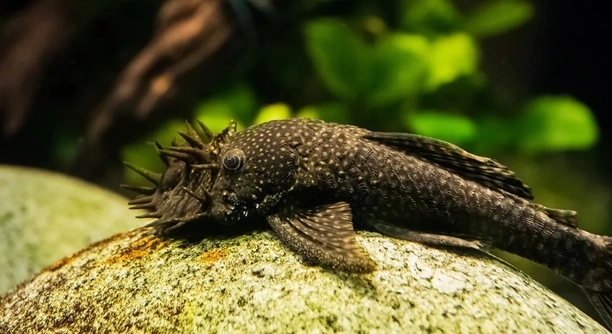
Are your plecos acting stressed or struggling to get along with their tank mates in your community aquarium? Maintaining harmony among fish species can be tricky when their needs differ.
The most important thing to avoid in a pleco community tank is incompatible tank mates. Plecos are territorial bottom dwellers, and mixing them with aggressive or overly active species can lead to stress, injury, and water quality issues.
Creating a balanced aquarium means understanding what not to include. Learning the seven things to avoid will help keep your plecos comfortable and your tank thriving.
Avoid Overcrowding the Tank
Plecos need plenty of space to move, feed, and rest. Overcrowding not only limits their movement but also affects water quality, leading to stress and health issues. A crowded tank produces more waste, which can increase ammonia levels and make oxygen scarce. Plecos are also territorial, especially as they mature, and confined spaces can lead to aggression toward tank mates. Always consider the adult size of your pleco when planning your tank setup. Common pleco species can grow quite large, often exceeding a foot in length, so a small tank is not suitable long-term. Proper tank planning ensures every fish has room to thrive while maintaining stable water parameters for healthy living conditions.
A balanced tank with enough swimming and resting space helps your plecos feel secure and calm. Adequate filtration, regular cleaning, and proper spacing are key to keeping aggression and stress under control.
Alongside space, observe your plecos’ behavior. If you notice chasing, hiding, or erratic swimming, it might be time to reassess your tank layout. Rearranging decorations, adding hiding spots, or upgrading to a larger tank can make a big difference. Healthy plecos are calmer, eat better, and display more natural behavior when they feel safe in a properly sized environment.
Avoid Mixing Aggressive Species
Avoid adding fin-nippers or overly active fish that disturb bottom dwellers. Aggressive species like cichlids or tiger barbs can stress plecos, disrupt feeding, and damage their fins over time.
Plecos are peaceful and prefer calm tank mates. Mixing them with fast or territorial fish often results in competition for space and food. When plecos feel threatened, they tend to hide more and eat less, leading to poor health. Choose species that share similar temperaments, such as tetras, rasboras, or peaceful gouramis. Providing enough hiding spots with driftwood and caves also reduces conflict. Consistent monitoring helps catch early signs of aggression before injuries occur. Creating a calm environment not only benefits your plecos but also promotes better overall tank harmony and stability. Keeping an eye on species compatibility ensures that every fish coexists peacefully without unnecessary stress.
Avoid Inadequate Filtration
Plecos produce a significant amount of waste, which quickly affects water quality. A weak filtration system can lead to ammonia buildup, cloudy water, and unhealthy conditions. Strong, efficient filters are necessary to maintain clean, oxygen-rich water for plecos and their tank mates.
A well-functioning filter helps remove debris, excess food, and harmful toxins that build up over time. Plecos often graze along the tank bottom, so maintaining a clean environment is vital for their health. It is best to use both mechanical and biological filtration for balanced water maintenance. Regular cleaning of filter media without removing beneficial bacteria keeps the system stable and efficient. Overcleaning or replacing the filter too often can disrupt the balance, so gentle maintenance is best. Clean, moving water prevents diseases and supports a natural habitat where your plecos can thrive peacefully.
Consistent monitoring is equally important. Checking the water flow and replacing clogged parts ensures steady performance. Combine filtration with regular water changes to maintain ideal parameters. Test the water weekly to detect any rise in ammonia or nitrite levels early. A healthy filtration setup not only benefits your plecos but also contributes to a balanced, thriving ecosystem where every fish can flourish comfortably and stress-free.
Avoid Improper Diet
Plecos need a varied diet rich in plant matter and nutrients. Feeding only algae wafers or leftover fish food can cause malnutrition and weak growth. Balanced feeding keeps them active, improves coloration, and supports their overall health.
In nature, plecos graze on algae, driftwood, and plant material, which provide essential fiber and minerals. In captivity, supplementing their diet with blanched vegetables such as zucchini, cucumber, or spinach helps meet these needs. Including driftwood is also important, as some plecos use it for digestion and shelter. Avoid overfeeding since leftover food can quickly foul the water. A mix of algae wafers, fresh vegetables, and occasional protein-based food ensures balance. Feeding them after lights-out suits their nocturnal habits, allowing natural feeding behavior and reducing stress. Maintaining a proper diet keeps their digestive system strong and their bodies healthy for years to come.
Avoid Sharp Decorations
Sharp or rough decorations can easily injure plecos as they move along surfaces searching for food. Their skin and fins are sensitive, and even small cuts can lead to infections. Choose smooth rocks, driftwood, and rounded ornaments to keep them safe while exploring.
Decorations should also be securely placed to prevent shifting or collapsing. Plecos often rest under or behind objects, and unstable decorations can trap or injure them. Regularly inspect the tank for rough edges or loose pieces to ensure your plecos remain unharmed and comfortable in their habitat.
Avoid Ignoring Water Parameters
Plecos are sensitive to changes in temperature, pH, and hardness. Poor water conditions quickly affect their health, causing stress, sluggish behavior, or fin damage. Regular testing helps maintain ideal parameters—typically a temperature between 74°F and 80°F and a pH range of 6.5 to 7.5. Stability is more important than perfection.
Avoid Insufficient Hiding Spots
Lack of hiding spaces can make plecos anxious and aggressive. Caves, driftwood, and plants provide security and reduce territorial disputes. Creating shaded areas helps them rest during the day and promotes calm behavior in a shared community environment.
FAQ
What is the best tank size for plecos in a community setup?
Plecos grow larger than many realize, often exceeding 12 inches depending on the species. A tank of at least 75 gallons is recommended for adult plecos to allow swimming space and reduce territorial conflicts. Adequate space ensures stable water conditions and minimizes stress.
How often should I change the water in a pleco tank?
Weekly water changes of 25–30% are ideal. Plecos produce significant waste, and regular partial water changes help keep ammonia and nitrite levels low. Consistent changes prevent water quality issues without disturbing beneficial bacteria in the tank.
Can plecos live with aggressive fish?
Plecos are generally peaceful but may become stressed if housed with aggressive or fast-moving fish. Aggression can result in fin damage, hiding, or reduced feeding. Stick to calm species that occupy other levels of the tank to avoid conflict.
What should plecos eat besides algae wafers?
Plecos benefit from a varied diet including blanched vegetables like zucchini, cucumber, and spinach. Driftwood is essential for some species to aid digestion. Occasional protein foods such as bloodworms or shrimp pellets can supplement their diet, but plant matter should remain the main source.
How can I tell if my pleco is stressed?
Signs include hiding excessively, erratic swimming, loss of appetite, and faded coloration. Stress often results from poor water quality, overcrowding, or incompatible tank mates. Observing behavior closely helps catch problems early before they affect overall health.
Do plecos need hiding spots at all times?
Yes. Plecos are nocturnal and need shaded areas for resting during the day. Caves, driftwood, or dense plants provide security, reduce stress, and limit territorial disputes in a community tank environment. Hiding spots also give them space to feel safe.
What water parameters are ideal for plecos?
Most plecos thrive in temperatures between 74°F and 80°F, a pH range of 6.5–7.5, and moderate hardness. Stability is more important than hitting exact numbers. Sudden fluctuations can cause stress, leading to illness or aggressive behavior. Monitoring parameters regularly is essential.
Can plecos damage aquarium decorations?
Plecos are generally gentle, but some species scrape surfaces while feeding or resting, which can slightly wear soft plants or fragile decorations. Smooth rocks, driftwood, and secure ornaments reduce the risk of damage and prevent injuries to your fish.
How can I prevent plecos from overgrowing the tank?
Research the adult size of your species before purchase. Avoid small tanks or overstocking, and plan for growth. Providing sufficient space and proper care reduces stress and keeps the tank safe for all inhabitants.
Are plecos compatible with all freshwater fish?
Plecos do best with calm, peaceful species that occupy different areas of the tank. Avoid mixing with aggressive fin-nippers or overly active fish. Proper compatibility prevents stress, injury, and territorial disputes, ensuring a harmonious community aquarium.
How do I maintain a healthy pleco community tank?
Regular water testing, weekly partial changes, proper filtration, and a balanced diet are essential. Providing hiding spots and monitoring behavior ensures peace among tank mates. Choosing compatible species and maintaining stable conditions supports long-term health and growth.
What signs indicate water quality problems?
Cloudy water, algae overgrowth, foul odors, and lethargic fish suggest poor water conditions. Test ammonia, nitrite, and nitrate levels regularly. Quick intervention prevents stress and illness and helps plecos thrive in a stable, clean environment.
Can plecos live with shrimp or small invertebrates?
Some plecos coexist peacefully with shrimp or snails, but larger species may eat smaller invertebrates. Providing plenty of hiding spots for invertebrates helps reduce risk and supports a balanced ecosystem in a community tank.
How often should I clean decorations and substrate?
Clean lightly every few weeks to remove debris without disturbing beneficial bacteria. Over-cleaning can upset the biological balance, while under-cleaning leads to waste buildup. Regular observation and gentle maintenance maintain a healthy tank for plecos and other fish.
Is driftwood necessary in a pleco tank?
Many plecos need driftwood for grazing and digestion. It also provides hiding spots and enriches their environment. Choose smooth, untreated wood and soak it before adding it to the tank to prevent water discoloration and soften it for safe use.
Can plecos survive without algae in the tank?
Algae alone is not sufficient for plecos. While they graze on algae, supplemental vegetables and prepared foods ensure proper nutrition. A varied diet supports growth, immune health, and overall wellbeing, especially in a community tank where algae may be limited.
How do I introduce a new pleco to an established tank?
Quarantine new fish for at least two weeks to prevent disease spread. Introduce slowly, rearranging decorations if necessary to reduce territorial disputes. Monitor closely for aggression and stress during the first days to ensure a smooth transition.
Are plecos nocturnal?
Yes, plecos are mainly active at night. They feed, explore, and interact mostly after lights go out. Providing hiding spots during the day allows them to rest safely and exhibit natural nocturnal behavior without interference from tank mates.
Can plecos jump out of the tank?
While rare, plecos can jump if startled or stressed. Keep a secure lid in place and maintain calm conditions to prevent injuries. Observing behavior and minimizing sudden changes helps reduce the risk of jumping incidents.
What is the lifespan of a pleco in a community tank?
Plecos can live 10–15 years or longer with proper care. Stable water conditions, a balanced diet, compatible tank mates, and regular maintenance contribute to longevity and overall health, allowing them to thrive for many years.
How do I treat common pleco diseases?
Early detection is key. Signs include white spots, frayed fins, or lethargy. Treat with appropriate medications, maintain clean water, and isolate affected fish if necessary. Preventative care through diet, water quality, and stress reduction lowers disease risk.
Can plecos be kept in small community tanks?
Small tanks can work temporarily for juvenile plecos, but adults need space to grow. Overcrowding increases waste and stress, leading to health issues. Planning for adult size ensures a stable and healthy environment for all fish in the tank.
How much lighting do plecos need?
Plecos prefer dim or moderate lighting since they are nocturnal. Too much light can stress them and encourage algae overgrowth. Provide shaded areas or floating plants to create a natural, comfortable environment that supports their behavior.
Is it necessary to monitor pleco behavior daily?
Yes. Daily observation helps detect stress, aggression, or illness early. Noticing changes in appetite, swimming patterns, or interaction with tank mates allows quick corrective actions, keeping plecos healthy and the community tank stable.
Can plecos coexist with live plants?
Plecos generally do well with hardy plants. Some species may nibble on soft leaves, so choose robust varieties. Plants provide hiding spots, improve water quality, and create a more natural environment, benefiting both plecos and other tank inhabitants.
Do plecos need additional supplements?
Supplements are useful if their diet lacks certain nutrients. Vitamins or mineral-enriched foods can support immune function, growth, and coloration. Always follow dosage instructions carefully to avoid over-supplementing, which can harm water quality or fish health.
How can I encourage natural pleco behavior?
Provide driftwood, caves, and hiding spots while maintaining stable water and a varied diet. Allowing quiet, low-traffic areas encourages foraging, resting, and exploration. Observing their nocturnal activity ensures they can express natural instincts safely.
Can plecos adapt to tap water?
Most plecos tolerate treated tap water if properly conditioned and stable. Use dechlorinators and monitor pH, hardness, and temperature. Gradual acclimation helps reduce stress, ensuring the fish adjust well to your home aquarium.
How often should I test water for plecos?
Weekly testing for ammonia, nitrites, nitrates, and pH is ideal. Regular checks help maintain stable water quality and prevent stress-related illnesses. Quick intervention keeps plecos healthy and supports a balanced community tank environment.
What are signs of pleco overfeeding?
Uneaten food, cloudy water, and bloated bellies indicate overfeeding. Feed small portions that plecos can consume within a few hours. Removing leftovers prevents water contamination and maintains healthy living conditions for all tank inhabitants.
Are plecos compatible with goldfish?
Plecos and goldfish have different temperature and feeding needs. Goldfish prefer cooler water, while plecos need warmer conditions. Keeping them together can cause stress and poor health for both species. It’s best to house them in separate tanks with proper conditions.
How do I prevent plecos from getting injured by tank equipment?
Cover sharp edges on filters, heaters, and decorations. Position equipment carefully to avoid trapping or scratching plecos. Smooth surfaces and secure placement reduce risk while ensuring the tank remains safe for all fish.
Can plecos survive without driftwood?
Some species survive without driftwood but may experience digestive issues or lack natural grazing behavior. Including driftwood supports healthy digestion, natural behavior, and provides extra hiding spots, enhancing overall well-being in the tank.
What is the ideal substrate for plecos?
Soft sand or smooth gravel is preferred. Rough or sharp substrates can damage fins and skin. The substrate should allow easy grazing and burrowing while being easy to clean, supporting both pleco health and tank maintenance.
Do plecos need supplemental lighting for algae growth?
Not necessarily. Algae naturally grows with regular lighting, but excessive light can promote overgrowth. Providing a balanced light cycle encourages natural grazing without harming water quality or stressing the fish.
Can plecos live in brackish water?
Most plecos are freshwater fish. Only specific species tolerate brackish conditions. Research your pleco’s natural habitat before introducing them to different water types to prevent stress and health issues.
How do I acclimate a new pleco to my tank?
Float the bag to equalize temperature, then gradually mix tank water over 30–60 minutes. Slowly releasing the pleco reduces stress, preventing shock from sudden environmental changes and ensuring a smooth transition.
What should I do if plecos are fighting?
Check for overcrowding, incompatible tank mates, or insufficient hiding spots. Rearranging decorations, adding shelters, or separating aggressive fish can reduce conflicts. Monitoring behavior helps maintain a peaceful environment for all community members.
How long do plecos hide during the day?
Plecos typically rest in hiding spots throughout daylight hours. They become active mainly at night. Providing shaded or concealed areas ensures they feel secure and can follow their natural nocturnal rhythm.
Are plecos sensitive to temperature changes?
Yes, sudden fluctuations can stress plecos, weaken immunity, and trigger disease. Maintain consistent temperatures within their preferred range using heaters and monitoring equipment to ensure a stable environment.
Can plecos coexist with bettas?
Betta fish may become territorial with bottom-dwelling plecos. Compatibility depends on individual temperament, tank size, and hiding spots. Careful observation and preparation are necessary when housing these species together.
Do plecos require frequent tank rearrangement?
Frequent changes can stress plecos and disrupt territory. Minimal adjustments, especially when introducing new fish or decorations, are best. Stable layouts support calm behavior and reduce conflicts among tank mates.
How do I prevent algae overgrowth while feeding plecos?
Balance feeding with tank maintenance. Remove excess food, provide varied diets, and maintain regular water changes. Controlled lighting also limits algae growth, keeping the tank clean and supporting pleco health.
What is the best way to introduce plants to a pleco tank?
Choose hardy, well-anchored plants and place them where plecos cannot uproot them easily. Floating or dense plants can provide extra cover, improving water quality and giving plecos natural hiding spots.
Can plecos survive without tank mates?
Yes, plecos can live alone, especially in single-species tanks. However, community setups with compatible fish often enrich their environment, provide visual stimulation, and create a balanced ecosystem that mimics natural conditions.
How do I know when a pleco is fully grown?
Growth rates vary by species. Most reach full size in 2–5 years. Observing body length, weight, and fin development helps determine when a pleco has reached adult size, which informs tank space planning.
Are plecos prone to any specific diseases?
Plecos can develop fin rot, ich, or bacterial infections if stressed or kept in poor water conditions. Early detection, clean water, and proper diet reduce the risk. Quarantine new fish to prevent introducing illnesses into the tank.
Can plecos live with African cichlids?
African cichlids are highly aggressive and often incompatible with plecos. Housing them together increases stress, aggression, and injury risk. A separate tank for plecos is safer for their health and long-term well-being.
How do I reduce pleco aggression?
Provide sufficient space, hiding spots, and compatible tank mates. Avoid overcrowding and monitor behavior. Adjusting layout or separating aggressive individuals helps maintain calm and peaceful conditions in a community tank.
What is the ideal pH for plecos?
Plecos generally thrive in slightly acidic to neutral water, around 6.5–7.5. Maintaining stable pH is more critical than hitting an exact number, as sudden changes cause stress and health issues.
Can plecos tolerate different water hardness levels?
Plecos adapt to moderate hardness, but extreme soft or hard water can affect health and digestion. Gradual acclimation helps them adjust to changes, supporting long-term growth and well-being.
How do I prevent plecos from scraping tank glass?
Scraping is natural while feeding or grazing. Smooth glass, driftwood, and careful observation minimize excessive behavior. Some light algae growth is acceptable, and gentle cleaning keeps surfaces safe without stressing the fish.
What is the best temperature range for plecos?
Most plecos prefer 74°F–80°F. Maintaining stable temperatures prevents stress, supports digestion, and reduces susceptibility to disease. Sudden drops or spikes should be avoided for long-term health.
Do plecos need night feeding?
Yes, nocturnal feeding aligns with their natural behavior. Providing food after lights-out encourages activity, reduces daytime stress, and ensures they receive adequate nutrition without competition from other fish.
How do I acclimate plecos to new water chemistry?
Introduce small amounts of tank water to the transport water gradually over 30–60 minutes. This method reduces shock from differences in pH, hardness, and temperature, helping plecos adapt safely.
Are plecos compatible with small tetras?
Yes, small tetras occupy upper water levels and are generally peaceful. They rarely compete with bottom-dwelling plecos, making them suitable community tank companions that coexist without conflict.
Can plecos tolerate low oxygen levels?
Plecos need well-oxygenated water. Low oxygen stresses them, reducing appetite and activity. Strong filtration, surface agitation, and proper aeration maintain adequate oxygen for healthy, active plecos.
How do I prevent fin damage in plecos?
Avoid sharp decorations, aggressive tank mates, and poor water quality. Providing smooth surfaces and hiding spots, combined with regular water maintenance, protects pleco fins from injury and promotes healthy growth.
What should I do if a pleco stops eating?
Check water quality, tank mates, and diet. Stress, illness, or improper conditions can reduce appetite. Offer fresh vegetables, monitor behavior, and treat any signs of disease promptly to restore feeding.
Can plecos coexist with snails?
Many plecos live peacefully with snails, which occupy different niches in the tank. Some large pleco species may nibble on soft-shelled snails, so providing hiding spots helps protect invertebrates while maintaining harmony.
Are plecos sensitive to chlorine or chloramine?
Yes, untreated tap water can harm plecos. Always use a dechlorinator before adding water to the tank. Proper conditioning protects gills, skin, and overall health, preventing long-term damage.
How do I maintain stable water parameters for plecos?
Regular testing, partial water changes, consistent temperature, and appropriate filtration are key. Avoid sudden fluctuations and monitor ammonia, nitrite, nitrate, and pH levels to ensure a stable, healthy environment for your plecos.
Can plecos survive with fluctuating temperatures?
Frequent temperature swings stress plecos and make them prone to disease. Use heaters, thermometers, and careful monitoring to maintain consistent warmth within their preferred range. Stable conditions support feeding, growth, and immune health.
What is the ideal nitrate level for plecos?
Keep nitrates below 20–30 ppm to avoid stress and disease. Regular water changes and filtration maintain safe levels, supporting a healthy environment for plecos and their tank mates.
Do plecos need additional calcium or minerals?
Some species benefit from extra calcium for strong bones and healthy growth. Driftwood, vegetables, and mineral supplements can provide necessary nutrients, but excessive amounts can affect water chemistry.
Can plecos live in planted tanks?
Yes, hardy plants provide hiding spots, improve water quality, and create a natural environment. Some plecos may nibble leaves, so choose sturdy plant varieties and anchor them securely to prevent uprooting.
How do I prevent territorial disputes among plecos?
Provide adequate space, multiple hiding spots, and monitor interactions. Rearranging decorations can break up claimed areas, reducing conflicts. Observing behavior helps maintain a peaceful environment for all fish in the tank.
Are plecos compatible with shrimp or crayfish?
Smaller plecos coexist with shrimp, while larger species may eat them. Crayfish can be aggressive and may harm plecos. Providing shelters and monitoring interactions ensures safety for both groups in a shared tank.
What is the best way to clean a pleco tank?
Perform partial water changes, remove debris from the substrate, and rinse filter media without disturbing beneficial bacteria. Clean decorations gently and avoid harsh chemicals. Consistency maintains a stable environment for healthy plecos.
Can plecos survive cold winters in unheated rooms?
Most plecos are tropical and require stable temperatures. Cold rooms stress fish, reduce metabolism, and increase disease risk. Heaters and insulation help maintain suitable temperatures year-round for optimal health.
How do I treat fin rot in plecos?
Identify early signs, improve water quality, and use appropriate medication. Remove affected fish if needed to prevent spread. Consistent maintenance and stress reduction lower the risk of recurrence.
Are plecos compatible with shrimp-eating fish?
No. Fish that prey on shrimp may also harm juvenile or smaller plecos. Select peaceful, compatible species to maintain safety and reduce stress within the tank.
Can plecos survive on algae alone?
Algae provides some nutrients but is not sufficient for growth
Final Thoughts
Maintaining a pleco community tank requires careful planning and attention to detail. Plecos are unique fish with specific needs that differ from many other freshwater species. Their size, behavior, and dietary requirements all influence how well they thrive in a community environment. Choosing the right tank size is essential, as plecos grow larger than many beginners expect. Overcrowding can lead to stress, territorial disputes, and poor water quality. Providing a spacious environment with hiding spots, smooth decorations, and proper filtration ensures that plecos have room to move, rest, and feed comfortably. Observing their behavior and adjusting the tank layout when necessary helps maintain harmony among all tank inhabitants.
Water quality is one of the most critical factors for pleco health. Plecos produce significant waste, and improper filtration or irregular water changes can quickly lead to dangerous ammonia or nitrite levels. Monitoring temperature, pH, and hardness is equally important because plecos are sensitive to sudden changes. A stable, clean, and well-oxygenated environment prevents stress and disease while supporting natural behavior. Regular testing and gentle maintenance of filters, substrate, and decorations keep the tank balanced. Consistency in care, including partial water changes and monitoring for signs of stress, contributes to healthier, longer-living plecos. Even small adjustments, such as adding a new hiding spot or rearranging decorations, can improve their comfort and overall well-being.
Diet and compatibility with tank mates also play a major role in creating a successful community tank. Plecos are primarily herbivorous but benefit from a varied diet including blanched vegetables, algae wafers, and occasional protein sources. Overfeeding or providing a limited diet can weaken their health and affect water quality. Choosing peaceful, compatible species for a community setup reduces stress and prevents injury, while sufficient hiding places limit territorial disputes. Observing plecos’ natural nocturnal behavior and providing shaded areas during the day allows them to feel secure. By addressing these key factors—tank size, water quality, diet, and compatibility—you can create a harmonious environment where plecos thrive alongside other fish. Careful attention to their needs ensures that your pleco community tank remains balanced, healthy, and enjoyable for both the fish and the keeper.

Hello,
If you enjoy the content that we create, please consider saying a "Thank You!" by leaving a tip.
Every little bit helps us continue crafting quality advice that supports the health, happiness, and well-being of pets around the world, for pets of all shapes, sizes, and species.
We really appreciate the kindness and support that you show us!