
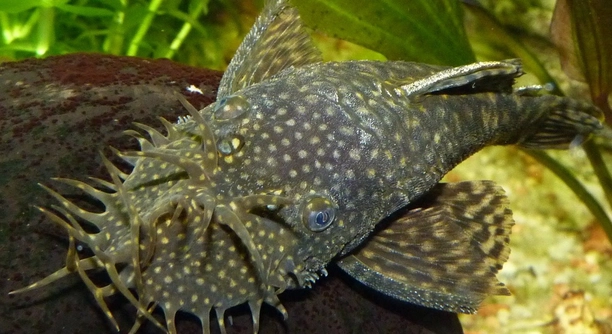
Have you ever noticed your pleco swimming around the tank without touching its food? Sometimes these peaceful fish can refuse meals, leaving their owners puzzled and concerned about their health and daily care routines.
Plecos may refuse to eat due to a variety of reasons, including water quality issues, improper diet, stress, illness, or tank environment problems. Each factor can significantly impact feeding behavior and overall health, requiring careful observation and adjustment.
Understanding these causes will help you ensure your pleco stays healthy and maintains a consistent appetite in its aquatic environment.
Poor Water Quality
Poor water conditions are a leading reason plecos may refuse food. High levels of ammonia, nitrites, or nitrates can stress fish, making them less likely to eat. Even minor fluctuations in pH or temperature can affect their appetite. Plecos thrive in clean, well-filtered tanks with stable conditions. Regular water testing is important to detect harmful changes early. Overfeeding or leftover food can also contribute to poor water quality, creating toxins that discourage eating. Some plecos are more sensitive than others, so observing behavior is key. Proper tank maintenance, including partial water changes and careful monitoring, helps prevent these issues. A healthy environment promotes regular feeding habits.
Maintaining clean water ensures plecos remain active and willing to feed. Consistent monitoring of water parameters directly influences appetite and overall health.
If you notice your pleco avoiding food, checking water quality is the first step. Adjusting filtration, performing water changes, and stabilizing temperature can quickly restore normal feeding behavior. Small improvements often lead to big changes in appetite.
Inadequate Diet
Plecos may refuse to eat if their diet lacks variety or essential nutrients. Feeding only one type of food can cause boredom or deficiencies, reducing appetite.
Offering a mix of vegetables, algae wafers, and occasional protein ensures they get a balanced diet. Some species need more plant-based foods, while others may accept meaty options. Observing what your pleco prefers can guide meal choices and improve feeding habits.
Providing fresh, high-quality foods regularly encourages eating and supports healthy growth. Rotating vegetables like zucchini, cucumber, or spinach keeps meals interesting. Avoid over-reliance on processed foods alone, as plecos may lose interest. Supplementing with sinking pellets ensures food reaches the bottom where plecos feed naturally.
A diverse diet also strengthens immunity, supporting resistance to illness that can affect appetite. Paying attention to species-specific needs ensures they get the nutrients required for energy and vitality. Over time, dietary adjustments often result in consistent eating and more visible activity. Proper feeding strategies prevent both undernutrition and behavioral issues related to food refusal.
Stress and Overcrowding
Plecos can stop eating if their tank is stressful or overcrowded. Too many fish, aggressive tank mates, or constant disturbances make them anxious and less likely to feed.
Stress weakens the immune system and reduces appetite. Overcrowding increases competition for space and hiding spots, which can intimidate plecos. Even subtle changes, like moving decorations or frequent tapping on the glass, may trigger stress responses. Providing plenty of hiding places, stable surroundings, and compatible tank mates encourages feeding. Observing behavior and identifying stressors can help correct the issue. Regularly checking interactions ensures plecos feel secure and confident enough to eat normally.
Adjusting tank conditions gradually can reduce stress. Adding plants, caves, or driftwood gives plecos their own space. Reducing aggressive tank mates or lowering fish density also helps. A calm environment promotes natural feeding patterns and healthier, more active fish.
Illness or Parasites
When plecos refuse food, illness or parasites may be a factor. Symptoms like lethargy, unusual swimming, or visible spots often accompany a lack of appetite.
Illnesses can range from bacterial infections to internal parasites. These health issues impact digestion and overall energy, leading to food refusal. Quarantining sick fish prevents spreading disease and allows focused treatment. Using medications or natural remedies, as appropriate, can restore health and appetite. Observing changes in behavior, color, or fins helps identify problems early. Prompt action prevents worsening conditions and improves recovery chances. Maintaining a clean tank and monitoring water quality also reduces the risk of disease recurrence.
Regular observation is essential for early detection. Changes in eating patterns are often the first sign something is wrong. Acting quickly ensures your pleco receives proper care and can return to normal feeding habits. Combining treatment with environmental adjustments supports healing and reduces stress, creating conditions where appetite naturally improves.
Temperature Fluctuations
Plecos may refuse food if the water temperature is inconsistent. Sudden changes can stress them, slowing metabolism and reducing appetite.
Keeping the tank within the species-specific temperature range ensures normal feeding behavior. Using a reliable heater or thermometer helps maintain stability and comfort for the fish.
Lighting Issues
Too much or too little light can affect plecos’ eating habits. Bright, constant light may stress nocturnal species, while very dim conditions can limit activity. Adjusting lighting duration and intensity supports natural feeding times and overall health.
Old or Spoiled Food
Plecos often ignore food that is stale or spoiled. Freshness matters because old food loses nutrients and can develop harmful bacteria. Regularly cleaning uneaten food and providing fresh vegetables, wafers, or pellets encourages proper eating. Monitoring supply ensures meals are safe and appealing.
FAQ
Why is my pleco not eating even though water quality is fine?
Even with perfect water, plecos can refuse food for other reasons. Stress, illness, or diet issues are common. Sometimes they need hiding spaces or a more varied diet to feel secure and motivated to eat. Observing behavior and adjusting environment often helps restore appetite.
Can temperature changes cause my pleco to stop eating?
Yes. Plecos are sensitive to water temperature. Sudden drops or spikes can slow metabolism and reduce appetite. Keeping the tank stable within the species’ preferred range is essential. Gradual adjustments are better than sudden shifts to encourage normal feeding.
How can I tell if my pleco is sick?
Signs include lethargy, unusual swimming, faded colors, damaged fins, or visible spots. A lack of appetite is often the first sign. Quarantining the fish and monitoring symptoms helps prevent illness from spreading and allows proper treatment.
Is my pleco stressed by other fish?
Aggressive or fast-moving tank mates can stress plecos, making them hide or refuse food. Providing hiding spots and ensuring compatible tank mates reduces stress. Overcrowding should also be avoided to create a calm environment.
Does the type of food matter for plecos?
Yes. Plecos require a balanced diet, often including algae wafers, vegetables like zucchini or spinach, and occasional protein. Feeding the same food repeatedly may cause boredom or nutrient deficiencies, leading to food refusal. Rotating food keeps meals interesting and healthy.
How often should I feed my pleco?
Most plecos eat once a day, but some species may require smaller, more frequent meals. Observing your fish’s activity and appetite helps determine the best feeding schedule. Avoid overfeeding to maintain water quality.
Can lighting affect my pleco’s appetite?
Yes. Bright lighting can stress nocturnal plecos, while too little light may reduce activity. Adjusting light duration and intensity supports natural behavior and encourages normal feeding patterns. Hiding spots also help manage light exposure.
What should I do if my pleco refuses food for several days?
Check water quality, temperature, diet, and tank conditions. Observe for signs of illness or stress. Quarantining the fish and consulting a veterinarian or experienced aquarist can prevent long-term health issues and help restore appetite.
Are some pleco species pickier than others?
Absolutely. Different species have varied dietary preferences and environmental needs. Understanding your specific pleco species ensures proper care, feeding routines, and tank setup to encourage consistent eating habits.
How can I encourage a picky pleco to eat?
Introduce fresh vegetables, algae wafers, or protein options gradually. Provide hiding spots and ensure tank conditions are optimal. Reducing stress, stabilizing water temperature, and offering variety usually improves appetite over time.
Can old or spoiled food make plecos stop eating?
Yes. Plecos often ignore food that is stale or spoiled. It can also introduce harmful bacteria. Removing uneaten food promptly and offering fresh meals ensures safety and encourages feeding.
How important is tank size for pleco feeding habits?
Tank size matters. Crowded or small tanks can stress plecos, limiting their willingness to eat. Providing adequate space, hiding places, and compatible tank mates supports a healthy appetite and natural behavior.
Do plecos need supplements or vitamins?
Some species benefit from occasional supplementation, especially if their diet lacks variety. Offering fresh vegetables or fortified wafers helps prevent deficiencies and supports overall health and appetite.
Can sudden changes in the tank environment affect feeding?
Yes. Moving decorations, introducing new fish, or changing water parameters quickly can stress plecos. Gradual adjustments and maintaining consistency in their environment encourage normal eating patterns.
How long can plecos go without eating?
Depending on species, age, and health, plecos can survive for several days to weeks without food. However, prolonged refusal may indicate stress, illness, or environmental issues that need attention to prevent long-term health problems.
What is the best way to monitor my pleco’s eating habits?
Observe daily feeding behavior, check for uneaten food, and note any changes in appetite. Tracking these patterns helps identify early signs of stress, illness, or dietary issues and allows timely intervention.
Are nocturnal feeding times important for plecos?
Yes. Many plecos are more active at night. Offering food during their active periods increases the likelihood of consumption and mimics natural behavior. Adjust lighting to accommodate nocturnal habits.
Can overfeeding cause plecos to stop eating?
Yes. Overfeeding can pollute water and reduce appetite. Uneaten food decomposes, causing toxins that stress fish. Feeding appropriate portions supports health, encourages regular feeding, and maintains water quality.
How does stress affect pleco digestion and appetite?
Stress slows metabolism and digestion, reducing appetite. Causes include aggressive tank mates, overcrowding, poor water quality, or sudden changes. Minimizing stress through stable conditions, hiding spots, and compatible tank mates promotes normal feeding.
Is it normal for plecos to skip meals occasionally?
Yes. Short periods without eating can be normal, especially during environmental changes or after a new tank introduction. Continuous refusal, however, usually signals a problem that needs attention.
This FAQ section provides practical guidance to address common feeding issues, helping ensure plecos remain healthy, active, and regularly eating.
Final Thoughts
Caring for plecos requires attention to their environment, diet, and overall well-being. These fish are generally hardy, but small changes in water quality, temperature, or tank conditions can have a big impact on their appetite. Many owners assume that a lack of eating is always due to illness, but often it is connected to stress, diet, or environmental factors. Maintaining a stable, clean tank and providing appropriate hiding spots and compatible tank mates creates conditions where plecos feel secure and comfortable. Observing their behavior regularly is important, as it helps detect early signs of issues before they become serious. Even subtle changes, like water chemistry fluctuations or aggressive neighbors, can cause your pleco to stop eating temporarily, so careful monitoring and proactive adjustments are key.
Diet also plays a significant role in keeping plecos healthy and willing to eat. These fish require a balance of vegetables, algae, and occasionally protein depending on their species. Feeding the same food repeatedly can lead to boredom or nutrient deficiencies, which reduces appetite. Rotating fresh vegetables, high-quality algae wafers, and appropriate protein options ensures they receive the nutrients they need while keeping meals interesting. Overfeeding should be avoided, as uneaten food can quickly affect water quality, introducing toxins and bacteria that may further discourage eating. Proper feeding schedules, combined with attention to environmental conditions, are essential for supporting healthy growth and consistent eating habits.
Finally, understanding your pleco’s behavior is one of the most effective ways to prevent feeding problems. Each fish has its own personality and preferences, so what works for one pleco may not work for another. Patience is important, as changes in appetite often resolve once environmental and dietary needs are met. Quick action in response to prolonged food refusal can prevent health problems and reduce stress for both you and your fish. Regular observation, careful maintenance of the tank, and providing a balanced diet create a supportive environment for your pleco to thrive. Over time, these consistent efforts help ensure your pleco remains active, healthy, and maintains a regular feeding routine.

Hello,
If you enjoy the content that we create, please consider saying a "Thank You!" by leaving a tip.
Every little bit helps us continue crafting quality advice that supports the health, happiness, and well-being of pets around the world, for pets of all shapes, sizes, and species.
We really appreciate the kindness and support that you show us!