
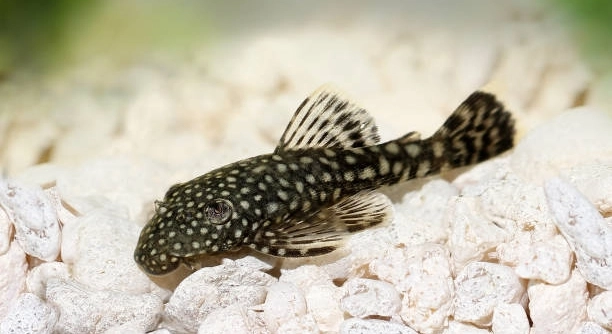
Do you ever find yourself watching your plecos swim and wondering why some look slightly different from others? Male and female plecos often display subtle traits that set them apart, especially in size and body shape.
Male and female plecos can be distinguished by several physical and behavioral characteristics. Males typically have broader heads, longer pectoral fins, and more pronounced odontodes, while females tend to appear rounder with shorter fins and less prominent spines.
Recognizing these differences can make caring for your plecos more effective and enhance your understanding of their behavior and needs.
Body Size Differences
Male plecos generally grow slightly larger than females, and their bodies are more elongated. Observing a tank of plecos, you might notice males taking up more space and appearing more dominant when swimming near the surface or around hiding spots. Their heads are usually wider, giving them a sturdier appearance. Females, on the other hand, tend to be rounder and more compact. This difference is most noticeable when they are fully grown, typically around one year of age. Understanding these size differences helps in identifying breeding pairs and maintaining a balanced aquarium. For those keeping multiple plecos, separating larger males from smaller females can prevent accidental injury, as larger males may unintentionally stress smaller fish during routine swimming or feeding. Tank decorations and hiding spaces can also be adjusted to accommodate these size variations, ensuring all plecos have room to thrive. Observing these subtle differences can make aquarium care smoother.
Size is a key feature for distinguishing males from females, especially as they mature.
Recognizing body size differences goes beyond appearances. In a mixed pleco tank, males may dominate territories, often claiming favorite hiding spots or feeding areas. Females, being smaller and rounder, tend to avoid conflict, moving calmly around the tank. During breeding, body size plays a crucial role, as larger males can more effectively guard eggs and defend nesting areas. This size distinction also affects social dynamics, reducing stress when appropriate tank arrangements are made. Additionally, understanding these differences allows you to predict growth patterns and manage feeding portions, ensuring all plecos remain healthy. Adjusting tank size and placement of driftwood, rocks, and plants can provide both males and females with optimal space. Monitoring growth rates over time helps in spotting potential health issues, such as stunted growth or uneven development, and ensures a thriving, balanced aquarium environment.
Fin and Tail Variations
Males often have longer, more pointed fins compared to females, making them look sharper and more angular when swimming.
These fin differences are especially noticeable in pectoral and dorsal fins, with males showing more extended tips and slightly thicker fin rays.
Fin and tail shapes are more than just visual differences. Males use their longer fins for display and territorial behavior, particularly during mating periods. Females, with shorter and rounder fins, tend to maneuver more smoothly through tight spaces and around decorations. Tail shape also differs slightly, with males often showing more pronounced edges that aid in display and subtle nudging during social interactions. Observing these features can help in planning breeding setups, as males often prefer more open spaces to show off their fins while females seek areas where they feel secure. Maintaining clean water and minimizing stress ensures these fin differences remain healthy and distinct. Proper tank lighting and placement of plants can further highlight the natural differences between males and females.
Head Shape Differences
Male plecos usually have broader and more triangular heads, giving them a stronger, more angular appearance. Females tend to have rounder, softer heads, which makes them appear smaller and less aggressive in comparison.
Head shape impacts how plecos interact in the tank. Males with wider heads often assert dominance over territory and food, using their shape to appear larger and more threatening to other fish. Females, with rounder heads, navigate tight spaces and hideouts more easily, avoiding conflicts. These differences are subtle at first but become more obvious as the fish mature. Recognizing these traits helps when arranging decorations and hiding spots to reduce stress in a mixed pleco tank. Monitoring head development can also indicate health and proper nutrition, as malnourished fish often display underdeveloped head features.
Head shape also affects feeding patterns. Males may use their larger heads to dig into substrates or cling to surfaces more effectively, while females focus on smoother, less competitive feeding strategies.
Odontodes and Body Spines
Males develop more pronounced odontodes along their pectoral fins and body, especially during breeding season. These tiny spines are minimal in females, making them easier to handle.
Odontodes are a key indicator of maturity and sex in plecos. In males, these spines serve multiple purposes, from defending territory to attracting females during mating. They become sharper and more noticeable as the fish grows older. Females rarely develop large odontodes, which keeps them safer during interactions with aggressive males. Observing odontode development allows owners to predict readiness for breeding and manage aggression in community tanks. Proper diet and water conditions ensure these structures grow healthy and do not cause unnecessary injury.
These spines also influence social behavior. Males use their enhanced odontodes to assert dominance, while females rely on agility and smaller body size to avoid confrontations and maintain balance in crowded environments.
Coloration Differences
Male plecos often display darker, richer colors along their bodies, making them stand out more. Females usually appear lighter and less vibrant, with more muted patterns across their scales.
These coloration differences are more noticeable under bright aquarium lighting. Males tend to use color to signal dominance or readiness to breed, while females’ subdued tones help them blend in and avoid stress from more aggressive tank mates.
Belly Shape Differences
Female plecos have rounder, fuller bellies, particularly when carrying eggs. Males typically show slimmer, more streamlined abdominal areas, giving them a sleeker profile.
Belly shape directly relates to reproductive function. A plump female belly indicates health and readiness to spawn, while males remain leaner to allow for mobility and territorial behaviors. This distinction becomes especially clear during breeding season.
Behavior Patterns
Males are generally more territorial and active, often patrolling their area or defending hiding spots.
This behavior helps them secure space for mating and feeding, while females focus more on exploring and foraging calmly.
FAQ
How can I tell a male pleco from a female?
Males usually have broader heads, longer fins, and more pronounced odontodes along their pectoral fins and body. Females tend to have rounder heads, shorter fins, less noticeable spines, and fuller bellies. Observing these traits together gives a reliable way to distinguish sexes, especially as the fish mature.
Do males and females act differently in the tank?
Yes. Males are often more territorial, patrolling areas around hiding spots and feeding zones. They may assert dominance over other fish, especially during breeding periods. Females are calmer, usually moving around quietly and avoiding confrontation. Understanding these behavioral differences helps in arranging decorations and choosing tank mates.
Why do male plecos develop sharper spines?
Male plecos grow pronounced odontodes, tiny spines along their fins and body, to defend territory and attract females. These spines become more prominent with age and breeding maturity. Females rarely develop large odontodes, which keeps them less aggressive and safer during interactions with males.
Do coloration differences matter?
Yes, males generally show darker, richer colors, while females display lighter, more muted tones. Coloration helps males signal dominance or readiness to breed. Females’ subtler colors help them stay less noticeable, reducing stress from more aggressive tank mates. Lighting can make these differences easier to see.
Can belly shape indicate readiness to breed?
Definitely. Females have rounder, fuller bellies when carrying eggs, while males remain slimmer and streamlined. A plump female belly is a clear sign of reproductive health, which is especially useful for aquarists preparing a tank for breeding. Belly shape is one of the easiest visual cues to check.
Does size affect interactions between plecos?
Yes, body size plays a role in tank dynamics. Males are generally larger and more elongated, which can help them dominate space and protect nesting areas. Females, being smaller and rounder, are less confrontational and can navigate hiding spots more easily. Proper tank arrangement minimizes stress for both sexes.
How do fin and tail differences influence behavior?
Males often have longer, sharper fins, which aid in displays and territorial behavior. Females’ shorter, rounder fins help them move efficiently in tight spaces. Tail shape also plays a role: males may use pronounced tails for nudging or signaling dominance, while females focus on smoother navigation and avoiding conflicts.
When is it easiest to sex plecos?
The easiest time to identify males and females is after they reach maturity, typically around one year of age. By then, head shape, body size, fin length, odontode development, and belly shape are all more distinct. Observing these features together increases accuracy in identifying sex.
Do environmental factors change these differences?
Poor water quality, lack of hiding spots, or insufficient nutrition can affect growth, fin development, and coloration. Healthy conditions allow males and females to develop their characteristic traits fully. Monitoring tank conditions ensures physical differences remain clear and supports overall pleco health.
Can I breed plecos without knowing their sex?
It’s possible, but knowing the sexes improves success. Separating males and females for observation before breeding helps reduce stress, prevent aggression, and ensures optimal conditions for spawning. Recognizing traits like belly shape, odontodes, and behavior patterns increases the likelihood of a successful breeding setup.
Do all pleco species show the same differences?
While the general patterns—size, head shape, fin length, odontodes, and belly shape—are common, some species have subtler differences or variations. Observing multiple traits together, rather than relying on one characteristic, provides the most accurate way to identify male and female plecos across species.
How often should I check these traits?
Regular observation, especially during feeding and breeding periods, helps track changes in fins, coloration, and body shape. Frequent checks allow early detection of health issues, such as stunted growth, fin damage, or stress-related color fading, and ensure both males and females thrive in the tank environment.
Are males more aggressive than females?
Typically, yes. Males defend territory and may challenge other males or even disturb females if space is limited. Females rarely show aggression and often avoid conflict. Recognizing this difference helps in designing the tank with enough hiding spaces and territories to keep all plecos comfortable and reduce stress.
Does diet influence sex traits?
A nutritious, well-balanced diet supports proper growth of fins, odontodes, and body size in males, and ensures healthy belly development in females. Deficiencies may stunt these traits, making sex identification more difficult and affecting overall health and breeding readiness.
Can females develop male-like traits?
In rare cases, females may show slightly more pronounced fins or subtle odontode growth, but they rarely match the size, shape, or behavior of males. Observing multiple characteristics together is essential to avoid misidentification and ensure accurate sex determination.
This FAQ covers the most important aspects of distinguishing male and female plecos, from physical traits to behavior, helping ensure a healthy, balanced aquarium.
Final Thoughts
Understanding the differences between male and female plecos is essential for any aquarium keeper. These differences are subtle but noticeable once you know what to look for. Males generally grow larger, have broader heads, longer fins, and more pronounced odontodes along their bodies. Females tend to have rounder heads, shorter fins, less visible spines, and fuller bellies. Observing these traits together over time will give a clearer picture of each fish’s sex. Paying attention to physical differences can also help you make better decisions about tank arrangements, breeding, and overall fish health. It allows you to provide each pleco with the right space, hiding spots, and environment to reduce stress and support natural behaviors.
Behavior is another area where male and female plecos differ. Males are typically more territorial and assertive, often patrolling areas around hiding spots or preferred feeding locations. Their sharper fins and odontodes help them defend these areas from other males or intruders. Females are generally calmer, avoiding confrontation and moving carefully around the tank. Understanding these behavioral differences makes it easier to manage a mixed tank and prevent unnecessary stress or injuries. You can use these observations to adjust tank decorations, feeding routines, and hiding spaces to suit both sexes. Monitoring behaviors over time also helps identify potential health issues, such as stress, aggression, or lack of proper nutrition.
Taking care of plecos with knowledge of sex differences ensures a healthier, more balanced tank. Recognizing traits like body size, head shape, fin length, coloration, odontodes, and belly shape can guide you in feeding, breeding, and maintaining harmony among fish. Paying attention to water quality, nutrition, and tank setup supports these physical and behavioral traits, helping plecos thrive naturally. Consistent observation and care will make it easier to spot changes or problems before they become serious. Overall, understanding male and female differences is not just about identifying sex—it’s about improving the well-being of your fish and creating a comfortable, stable environment for all the plecos in your care.

Hello,
If you enjoy the content that we create, please consider saying a "Thank You!" by leaving a tip.
Every little bit helps us continue crafting quality advice that supports the health, happiness, and well-being of pets around the world, for pets of all shapes, sizes, and species.
We really appreciate the kindness and support that you show us!