
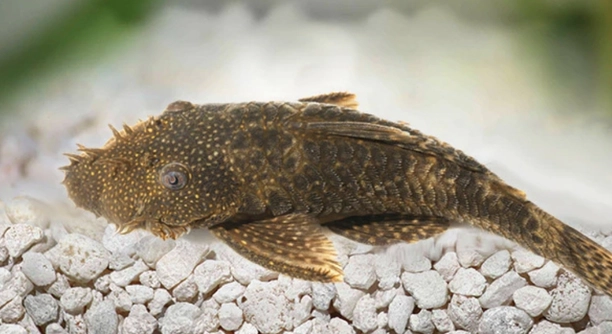
Are your aquarium tanks home to a large, often quiet pleco that seems to command attention without much effort? Many plecos quietly assert dominance over tank space, showing subtle behaviors that mark their authority among other fish.
Plecos establish themselves as tank bosses through a combination of territorial behavior, size advantage, feeding patterns, and social interactions with other inhabitants. Recognizing these signs allows aquarists to manage tank dynamics and ensure a balanced, healthy environment.
Observing these behaviors closely will help you understand your pleco’s role and maintain harmony in your aquatic community.
Dominant Behavior in the Tank
A pleco often shows dominance by claiming specific areas of the tank. This can include favorite hiding spots, areas near filters, or surfaces with algae growth. They may chase smaller or weaker fish away from these zones or assert themselves when food is introduced. Observing these interactions carefully can help identify which pleco holds the strongest presence. Territorial displays are usually subtle at first, like positioning themselves in the center of the tank or stretching fins when approached. Over time, dominant plecos may also control access to surfaces that are ideal for resting or grazing. This behavior is normal and reflects their natural instincts. Understanding these signs early can help you prevent unnecessary stress among your tank inhabitants. Noticing patterns of dominance also allows for adjustments in feeding schedules, hiding spaces, or even tank rearrangement to maintain a peaceful environment. The pleco’s confident movements are a clear indicator of its authority within the tank.
Dominance can also influence the behavior of other fish, often keeping them in check. Recognizing these patterns is key to a balanced tank.
Managing dominant plecos involves observing interactions, providing multiple hiding spaces, and ensuring adequate food distribution. Offering variety in tank décor and algae surfaces can reduce conflicts and give subordinate fish areas to retreat safely. Paying attention to each fish’s reactions helps maintain harmony, as ignoring dominant behavior can lead to stress, aggression, and uneven growth among tank mates. Adjusting tank layout periodically can help, and monitoring feeding times ensures all fish receive proper nutrition without competition. These small but consistent actions create a stable environment where the pleco’s natural behaviors are respected while keeping the tank peaceful for all inhabitants. Understanding and addressing dominance early allows for smoother aquarium management.
Feeding Habits That Show Authority
A pleco’s feeding habits often indicate its control in the tank. Dominant individuals may eat first or claim the best food spots, establishing their priority clearly.
Controlling feeding areas shows confidence and establishes social hierarchy. Observing these patterns provides insight into your pleco’s behavior.
Feeding time is one of the clearest ways to see a pleco’s dominance. A tank boss will often push aside smaller fish, hover over algae wafers, and assert itself at the water surface if food is scattered. Submissive fish usually wait their turn or retreat to corners, avoiding confrontation. Understanding these habits helps in managing tank dynamics effectively. Adjusting feeding methods, like spreading food across different locations or introducing multiple feeding stations, can reduce tension. By monitoring your pleco’s assertiveness during meals, you can ensure all fish get their share and prevent stress or malnutrition. Recognizing these feeding behaviors not only highlights your pleco’s role but also guides decisions for maintaining a peaceful and healthy aquatic environment.
Physical Presence and Size
Larger plecos naturally command attention in the tank. Their size alone often keeps smaller fish at a distance, establishing a visible hierarchy without constant aggression.
A pleco’s physical presence contributes significantly to its authority. Bigger fins, a broader body, and dominant positioning can intimidate other fish subtly. These fish often occupy central areas or preferred surfaces, making their dominance clear without direct confrontations. Subordinate fish typically adjust their behavior, swimming cautiously or avoiding certain zones entirely. Size is a primary factor in establishing control, and observing these dynamics helps maintain balance. Recognizing the role of physical presence allows for proper tank planning and helps prevent stress among other fish.
Over time, size advantage can influence feeding, resting, and territorial behavior. Even without overt aggression, the pleco’s presence can shape the tank’s social structure. Smaller fish will often retreat, giving the larger pleco priority over resources. Careful observation ensures that dominance does not result in chronic stress or nutritional disadvantage for other inhabitants. Proper management of hiding spaces, food distribution, and tank layout keeps all fish healthy while respecting the natural order established by size differences. Understanding these interactions allows for better long-term harmony in the tank.
Interaction With Tank Mates
Dominant plecos often dictate social interactions, influencing how other fish behave and where they spend time in the tank. They establish clear boundaries and control movements around key areas.
Interaction patterns reveal hierarchy within the tank. Dominant plecos may follow or monitor smaller fish, chase intruders, or assert themselves during communal activities like grazing or resting. These behaviors maintain order and reduce disputes. Submissive fish adjust by retreating or avoiding the pleco’s preferred zones, creating a stable environment. Observing these interactions allows aquarists to intervene when stress or aggression arises, ensuring all tank inhabitants coexist safely.
Managing social dynamics requires careful attention to each fish’s behavior. Providing adequate hiding spots and multiple feeding areas minimizes conflicts. Regular monitoring helps identify any emerging issues, such as bullying or excessive stress in weaker fish. Encouraging balanced interaction by spreading resources throughout the tank reduces tension and supports the natural behavior of dominant plecos without compromising the well-being of other fish. By understanding these patterns, aquarists can maintain a peaceful tank environment while respecting the pleco’s social authority.
Nighttime Activity
Plecos are naturally nocturnal, and dominant individuals often patrol the tank during night hours. Their movements can influence where other fish choose to rest or hide.
Active night behavior allows a pleco to reinforce its authority quietly. Submissive fish adapt by avoiding areas frequented by the dominant pleco, maintaining the established hierarchy.
Assertive Cleaning Habits
A tank boss pleco will often take priority over algae and detritus surfaces. They control feeding and grazing spots, ensuring access to the best resources.
Territory Marking
Plecos mark territory using subtle movements and rubbing behaviors. This establishes boundaries without aggressive displays, signaling dominance to other tank inhabitants.
FAQ
How can I tell if my pleco is the tank boss?
Observing interactions in the tank is the most reliable method. Dominant plecos usually control prime spots like caves, driftwood, or algae-covered surfaces. They often feed first, chase smaller fish away, and assert themselves without constant aggression. Submissive fish adjust by retreating or avoiding these areas, which confirms the hierarchy.
Is size the only factor in dominance?
No, size is just one element. Personality, activity level, and territorial instincts also play a role. Some smaller plecos can be assertive if they are particularly bold or have claimed key spots. Dominance is a combination of physical presence, confidence, and behavior patterns observed over time.
Do dominant plecos bully other fish?
Not necessarily in a harmful way. Dominant plecos often assert control through subtle behaviors like positioning, gentle nudges, or guiding fish away from feeding spots. Problems arise only if the tank is overcrowded or resources are limited, which can increase stress for other inhabitants.
How should I manage a dominant pleco?
Providing multiple hiding spots, spreading food across the tank, and adding plenty of surfaces for grazing helps reduce tension. Observing interactions daily ensures all fish get food and space without constant conflict. Adjusting décor and feeding methods prevents stress and maintains a peaceful environment.
Can dominance change over time?
Yes. Dominance is not fixed. New fish, changes in tank size, or growth of other plecos can shift social hierarchies. Submissive fish may become more assertive if conditions allow, and a previously dominant pleco may share control if other individuals challenge its authority.
Does a dominant pleco need a larger tank?
A larger tank helps minimize conflicts. More space reduces competition for prime spots and feeding areas. While size alone doesn’t determine dominance, a spacious tank allows all fish to find territory and retreat safely, making it easier to maintain harmony among both dominant and subordinate plecos.
Are certain pleco species more likely to be tank bosses?
Yes, species like the common pleco, sailfin pleco, and some bristlenose plecos tend to show stronger territorial behavior. Observing species-specific tendencies helps predict potential dominance, allowing aquarists to plan tank setups and manage interactions proactively.
What are signs of stress in subordinate fish?
Submissive fish may hide more often, eat less, or appear skittish. Frequent retreats, loss of color, and sluggish behavior are red flags. Providing extra hiding spots, spreading food, and reducing overcrowding can help alleviate stress and maintain a balanced tank environment.
Can a dominant pleco coexist with other large fish?
Yes, with proper tank management. Ensuring ample space, multiple hiding spots, and consistent feeding reduces conflicts. Observing daily interactions allows adjustments if aggressive behaviors escalate. Even in mixed tanks, a dominant pleco can maintain its role without harming other large fish.
How do I encourage a balanced tank hierarchy?
Maintain sufficient space, multiple feeding stations, and hiding areas. Observing interactions and adjusting décor or feeding strategies prevents constant competition. Balanced resource distribution supports both dominant and subordinate fish, allowing the tank to function smoothly while respecting natural behaviors.
Is it normal for a pleco to occasionally challenge other dominant fish?
Yes. Occasional challenges are part of natural behavior. Temporary skirmishes or displays of authority help establish and reinforce hierarchy. These interactions usually resolve quickly if resources are adequate and the tank provides enough space for retreat.
Do plecos communicate dominance in ways other than chasing?
Yes. Dominant plecos use body positioning, fin displays, and rubbing behaviors to signal control. These subtle gestures often prevent actual conflict and allow fish to understand boundaries without aggressive encounters.
Can a dominant pleco affect breeding behaviors?
Dominance can influence breeding opportunities. Submissive plecos may avoid nesting areas or caves occupied by the tank boss. Providing multiple suitable breeding spots ensures all fish have a chance to reproduce without interference, supporting natural behaviors and successful breeding outcomes.
How do I prevent dominance issues in a new tank setup?
Introduce plenty of décor, hiding spaces, and multiple feeding areas before adding fish. Observe new additions closely, noting interactions and adjusting tank layout if necessary. Early management helps prevent excessive stress, ensures fair resource distribution, and establishes a more balanced social hierarchy.
Are dominant plecos aggressive toward humans?
No, plecos generally do not show aggression toward humans. They may swim close when food is introduced, but this is curiosity rather than dominance. Feeding time interactions are limited to the tank environment and do not pose a risk outside of it.
Understanding your pleco’s behavior is key to maintaining a healthy and balanced tank. Dominant plecos naturally assert control over prime areas, feeding spots, and surfaces for grazing, which can influence the activity and stress levels of other fish. Observing your pleco closely allows you to identify these behaviors early and take steps to ensure harmony in the tank. Recognizing subtle signs such as positioning, fin displays, and feeding priority helps you distinguish between normal dominance and potential aggression. Submissive fish often adapt by retreating to corners or less desirable areas, which is a natural response to the presence of a strong tank boss. Being aware of these interactions not only helps in monitoring your pleco but also allows you to adjust tank décor and feeding strategies to minimize conflict and maintain a peaceful environment for all inhabitants.
Managing dominance effectively involves providing enough space, hiding spots, and multiple feeding areas. A tank that offers diverse surfaces and territories gives subordinate fish the opportunity to feed and rest without constant confrontation. Overcrowding or limited resources can increase stress and lead to aggression, so maintaining a spacious and well-structured environment is crucial. Dominant plecos also need opportunities to graze freely on algae or driftwood without interruption, which reinforces their natural behavior while keeping them healthy. Observing your tank regularly ensures that all fish receive adequate nutrition and have areas to retreat, which supports both physical health and social balance. Adjusting tank layout when necessary, such as rearranging decorations or introducing additional hiding spaces, can help reduce tension and promote peaceful coexistence. These proactive steps make it easier to manage the natural dynamics of your aquarium.
Finally, understanding dominance in plecos helps you plan for long-term tank management. Size, activity level, and personality all contribute to a pleco’s role as a tank boss, and these factors may change over time as new fish are added or as individuals grow. Monitoring social interactions, feeding habits, and territorial behaviors allows you to anticipate potential issues before they become problematic. Providing a structured environment that meets the needs of both dominant and subordinate fish ensures the tank remains balanced, with minimal stress for all inhabitants. By recognizing and respecting the natural behaviors of your pleco, you create a more harmonious aquatic environment that supports healthy growth, proper feeding, and overall well-being. Observing, adjusting, and responding to your pleco’s behavior ensures that the tank remains a comfortable and thriving home for all its residents.

Hello,
If you enjoy the content that we create, please consider saying a "Thank You!" by leaving a tip.
Every little bit helps us continue crafting quality advice that supports the health, happiness, and well-being of pets around the world, for pets of all shapes, sizes, and species.
We really appreciate the kindness and support that you show us!