
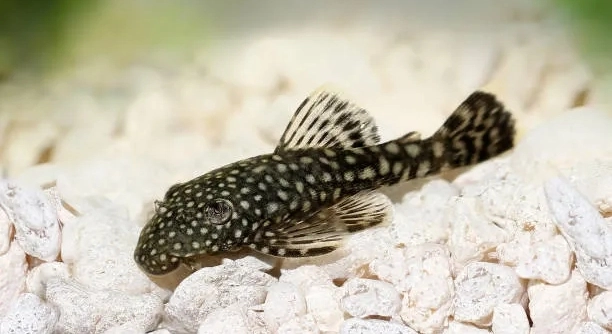
Do your plecos seem to appear at the same spot when it is feeding time? Many fish owners notice this pattern and wonder if these bottom-dwelling creatures are aware of their daily meals. Observing their behavior can reveal small, fascinating routines that develop over time.
Plecos demonstrate a degree of recognition of their feeding schedule. Regular feeding times allow them to anticipate food, adjusting their activity levels accordingly. This behavior is influenced by circadian rhythms and environmental cues within the aquarium.
Watching these subtle patterns can enhance your care routine and improve the overall health of your plecos in their habitat.
How Plecos Learn Their Feeding Schedule
Plecos can learn when to expect food by observing consistent cues in their environment. Over time, they start to recognize patterns like light changes or the sound of food being added. This recognition does not happen overnight, but repeated exposure helps them anticipate feeding. Tank conditions, such as hiding spots, water flow, and the number of tankmates, can also influence how quickly they adapt. Some plecos may become more active near feeding times, while others remain hidden until the food arrives. Regular feeding at the same time each day reinforces these behaviors. Using a consistent location for food can also aid recognition, as plecos are territorial and will associate certain areas with eating. Owners often notice their plecos moving toward the front of the tank or emerging from hiding as feeding time approaches. This pattern shows their ability to link environmental signals with mealtime effectively.
Consistent feeding schedules strengthen plecos’ recognition of food cues and can reduce stress. They respond more actively when they know what to expect.
By providing a predictable routine, owners can encourage healthier eating habits. Plecos adjust their activity levels according to feeding times, which improves digestion and reduces aggression over food. In tanks with multiple plecos, regular scheduling helps establish order, as dominant individuals tend to claim food first. Observing their responses can give insight into individual personalities, as some plecos are bolder while others remain cautious. Changes in schedule may initially cause hesitation, but most adapt quickly once new patterns are introduced. Environmental stability, such as water temperature and lighting, further supports learning. Feeding methods also matter—placing food in the same spot daily helps reinforce the connection between location and mealtime. Over time, these routines create a reliable system where plecos anticipate food, conserving energy when it is not feeding time.
Signs Your Plecos Recognize Feeding Times
Plecos often become noticeably more active and swim toward food when their scheduled feeding approaches.
Watching plecos’ behavior around feeding times reveals how they anticipate meals. Some will rise from hiding places, while others hover near feeding spots, waiting for food to arrive. This anticipatory behavior can appear as increased movement or subtle gestures like fin flicks. Not all plecos show overt excitement; some may simply adjust their swimming patterns. Owners may also notice that plecos eat more efficiently when they are accustomed to a schedule. Changes in water temperature or lighting may slightly alter timing, but the underlying recognition of routine remains. Recognizing these signs can improve feeding strategies, ensuring all plecos in the tank receive adequate nutrition. Additionally, consistent observation allows owners to track health and activity levels, as deviations from usual patterns may indicate stress or illness. Understanding how plecos react to scheduled feeding helps maintain a balanced, healthy aquarium environment.
Feeding Frequency and Its Impact
Regular feeding helps plecos maintain energy and healthy growth. Overfeeding can lead to water quality issues, while underfeeding affects their activity and health. Finding a balance is essential to keep both the fish and the tank environment stable.
Plecos respond best to a structured feeding schedule. Daily or every-other-day feeding routines allow them to anticipate meals and adjust their behavior. Overfeeding can cause leftover food to decay, impacting water quality and stressing the fish. On the other hand, inconsistent feeding may lead to aggression or stress as plecos compete for resources. By observing their habits, owners can determine the right portion size and frequency. Monitoring how quickly plecos consume food helps adjust schedules, ensuring no excess remains. These adjustments support both fish health and tank stability, creating a comfortable habitat for all inhabitants.
Observing plecos’ reactions over time can also indicate their comfort with the schedule. Some may become more active near feeding times, while others remain hidden until food is placed. Changes in feeding frequency can shift their activity patterns and influence social interactions. Establishing a routine supports predictable behavior and reduces stress-related issues. Tracking their response helps identify health problems early, as sudden disinterest in food or unusual movement may signal illness. A consistent approach to feeding not only promotes growth but also improves the overall harmony of the tank environment.
Types of Food and Timing
Different types of food impact how plecos respond to feeding schedules. Sinking pellets, algae wafers, and fresh vegetables meet their dietary needs and encourage routine.
Providing a variety of foods helps plecos stay healthy and engaged with feeding times. Algae wafers and sinking pellets are ideal for bottom-dwelling plecos, ensuring they get proper nutrition. Fresh vegetables like zucchini or cucumber supplement their diet and can be placed at the same location daily, reinforcing recognition of mealtime. Timing is crucial; offering food at consistent times allows plecos to adjust their activity and anticipate meals. Feeding at irregular intervals may reduce efficiency in consumption and cause stress among multiple plecos. Tracking their preference for certain foods can improve feeding strategies, ensuring balanced nutrition and supporting natural behaviors.
Changing the type of food occasionally can also impact their anticipation. Some plecos respond more actively to favorite items, swimming closer to the feeding spot and emerging earlier. Introducing new foods should be done gradually to prevent stress or rejection. Consistency in timing remains key, as it strengthens their ability to recognize scheduled meals. Observing how plecos interact with different foods can reveal individual preferences and influence portion control. Adjusting both type and timing of food helps maintain water quality while ensuring each pleco receives enough nutrition. This careful approach contributes to a stable and harmonious tank environment, benefiting all aquatic inhabitants.
Environmental Cues and Pleco Behavior
Lighting and water flow influence plecos’ recognition of feeding times. Changes in light or filter sounds can signal the approach of a meal, helping them anticipate food.
Plecos also respond to tank activity. The presence of movement near the feeding area often prompts them to leave hiding spots. Consistent cues reinforce routines, making it easier for them to adapt and predict mealtime.
Adjusting Schedules for Multiple Plecos
When multiple plecos share a tank, feeding schedules may need fine-tuning. Dominant individuals may eat first, requiring observation to ensure all fish receive food. Adjusting portions and distribution helps maintain balance. Over time, plecos adapt to shared routines, recognizing their feeding order while remaining healthy and active.
Observing Pleco Activity Patterns
Tracking movement before and after feeding provides insight into their recognition of the schedule. Increased activity signals anticipation, while sluggishness may indicate stress or illness.
Benefits of Predictable Feeding
A reliable feeding schedule improves pleco health, digestion, and social behavior. Consistency reduces stress, encourages regular activity, and ensures all fish in the tank thrive under stable conditions.
FAQ
Do plecos really know when it’s feeding time?
Yes, plecos can learn to anticipate feeding if meals occur at consistent times. They respond to environmental cues such as light changes, tank sounds, and movement near their feeding area. Over time, repeated exposure allows them to associate these signals with food arrival, adjusting activity levels accordingly.
How long does it take for plecos to recognize a feeding schedule?
Recognition varies depending on the individual pleco and tank environment. Some may begin responding after a few days of consistent feeding, while others may take a couple of weeks. Consistency in timing, food type, and location helps accelerate learning. Environmental stability, such as water temperature and lighting, supports faster adaptation.
Can plecos get stressed if their feeding schedule changes?
Yes, abrupt changes in feeding time can cause temporary stress. Plecos rely on routine, and sudden shifts may lead to reduced activity or hesitation at the feeding spot. Gradual adjustments, rather than sudden changes, help minimize stress and allow them to adapt comfortably.
How many times a day should plecos be fed?
Most plecos do well with one feeding per day, although some larger species may benefit from two smaller meals. Overfeeding can harm water quality, while underfeeding may affect their health. Observing how quickly they consume food and adjusting portions ensures proper nutrition without excess waste.
Does the type of food affect their recognition of feeding time?
Yes, plecos respond more actively to foods they prefer. Sinking pellets, algae wafers, and fresh vegetables like zucchini or cucumber are ideal. Providing food at the same spot reinforces routine, while introducing new foods gradually prevents stress and maintains their anticipation of mealtime.
Will all plecos in a tank recognize feeding at the same pace?
Not always. Individual personalities and tank hierarchy can affect responses. Dominant plecos may reach the food first, while shy or slower individuals may wait. Monitoring behavior ensures all fish receive adequate nutrition and helps maintain harmony in the tank.
Can plecos survive if their feeding schedule is inconsistent?
They can survive, but inconsistent feeding may cause stress and unpredictable behavior. Regular schedules support health, digestion, and social stability. Over time, irregular meals may lead to aggression, missed nutrition, or reduced activity. Consistency is key to keeping plecos healthy and active.
How can I tell if my plecos are responding well to the schedule?
Signs include increased movement before feeding, swimming toward the feeding area, and efficient food consumption. Sudden disinterest or lethargy may indicate stress or illness, signaling that the routine or tank environment needs adjustment. Regular observation helps track these patterns effectively.
Does lighting influence their recognition of feeding times?
Yes, changes in light often signal mealtime. Plecos associate shifts in lighting with the upcoming meal, especially when paired with other cues like the sound of food being prepared or movement near the feeding area. Consistent lighting cycles enhance their ability to anticipate feeding.
What should I do if my plecos ignore the schedule?
First, check water quality, food type, and portion size. Some plecos may need more time to adapt, while others may prefer specific foods or feeding locations. Patience and observation, along with minor adjustments, usually encourage proper recognition of the feeding routine over time.
Can plecos recognize feeding schedules with multiple tankmates?
Yes, but behavior may vary due to hierarchy. Dominant fish often eat first, while others learn to wait or approach cautiously. Consistent timing and distributed feeding spots help ensure that all plecos receive adequate food and adapt to the shared routine.
Do plecos remember feeding times after a break?
Plecos can retain recognition for a short period, but prolonged breaks may require re-establishing the routine. Gradual reintroduction of regular feeding times helps them readjust, restoring anticipation and normal activity patterns.
Is it okay to feed plecos at irregular intervals occasionally?
Occasional irregularity is manageable, but frequent inconsistency can disrupt routine and cause stress. Maintaining a predictable schedule ensures better health, digestion, and behavior, while occasional flexibility should not replace regular feeding practices.
How does tank size affect feeding recognition?
In larger tanks, plecos may take longer to locate food and recognize feeding cues due to more space and hiding spots. Smaller tanks may lead to faster recognition as environmental signals are easier to detect. Adjusting feeding locations can help all fish respond efficiently.
Can plecos become aggressive around feeding times?
Yes, especially in tanks with multiple plecos. Dominant individuals may compete for food, causing stress to others. Using multiple feeding spots and monitoring portion size helps reduce competition and ensures all fish receive adequate nutrition.
Does water temperature impact their feeding behavior?
Water temperature affects metabolism and activity levels. Plecos in cooler water may be slower to respond to feeding cues, while warmer conditions can increase activity. Consistent temperature supports predictable behavior and reinforces recognition of feeding schedules.
Can observing feeding behavior indicate health problems?
Yes, deviations from normal responses, like reduced movement, refusal to eat, or unusual hiding, can signal illness or stress. Tracking how plecos respond to feeding routines is a practical way to monitor health and intervene early if needed.
Are some pleco species better at recognizing feeding schedules than others?
Yes, species differences exist. Some plecos are naturally more active and responsive, while others are shy or nocturnal. Understanding species-specific behavior helps set realistic expectations for recognition and scheduling, improving care and feeding efficiency.
Does tank noise affect feeding anticipation?
Frequent noise or vibrations may alter plecos’ perception of feeding cues. While moderate activity helps them recognize routine, excessive disturbances can cause hesitation or stress, reducing their ability to anticipate meals effectively. A calm environment supports consistent recognition.
How long should I watch plecos before adjusting the schedule?
Observing for at least one to two weeks provides reliable insight into their behavior. Tracking activity patterns, food consumption, and response to cues helps determine whether the current schedule is effective or needs adjustment. Patience is important for accurate assessment.
Can plecos be trained to eat at specific times?
Yes, consistent timing, location, and environmental cues allow plecos to learn and anticipate meals. Over several weeks, they associate signals with feeding, showing predictable movement and activity that reflect recognition of the schedule.
What happens if plecos are fed too early or too late?
Feeding too early may cause confusion or reduced activity, while late feeding can increase stress or competition. Maintaining consistent timing helps plecos adapt, conserve energy, and optimize digestion while keeping the tank environment balanced.
Does the method of feeding matter for schedule recognition?
Yes, placing food consistently in the same spot reinforces recognition. Random distribution can confuse plecos and reduce anticipation. Using predictable methods helps them associate location and timing with food, promoting healthier routines and behavior.
How important is patience in teaching plecos their schedule?
Patience is essential. Plecos learn gradually, and forcing changes or rushing adaptation can increase stress. Consistent cues, observation, and gradual adjustments create a stable environment that encourages predictable feeding behavior over time.
Can plecos forget their schedule if moved to a new tank?
Relocation can temporarily disrupt recognition due to new environmental cues. With consistent feeding times and locations, plecos usually readjust within days to weeks, regaining anticipation and normal activity patterns. Observation and stability help them adapt smoothly.
Does group size influence feeding recognition?
Larger groups may require more observation to ensure all plecos respond and receive food. Dominance hierarchies affect access, but consistent timing and multiple feeding areas help even shy individuals adapt and anticipate meals effectively.
What is the best way to maintain a feeding routine long-term?
Stick to consistent times, use familiar food types, and place food in predictable locations. Monitor activity, adjust portions, and maintain water quality. These practices support recognition, reduce stress, and ensure healthy behavior over months and years.
How can I tell if the feeding schedule is effective?
Effectiveness is shown by regular, predictable activity, efficient food consumption, and healthy appearance. Deviations may indicate the need for minor adjustments. Observing responses over weeks provides clear feedback about the routine’s success.
Are plecos more active at certain times of day for feeding?
Yes, some species are nocturnal or crepuscular, showing more activity in low light. Scheduling feeding according to natural patterns improves recognition and encourages normal behavior, ensuring they receive proper nutrition at times they are naturally alert.
Can feeding too many times reduce recognition of schedule?
Yes, excessive or random feedings weaken the association between cues and food. Maintaining a consistent, limited schedule strengthens anticipation and encourages predictable activity around mealtime.
Does stress from tank changes affect recognition?
Yes, moving decorations, rearranging equipment, or adding new fish can disrupt routine. Plecos may hesitate or ignore feeding initially. Gradual adjustments and consistency restore recognition over time.
How can I encourage hesitant plecos to respond to feeding cues?
Place food near their hiding spots initially, use preferred food types, and maintain a calm environment. Gradual exposure and repeated cues help them associate signals with meals without stress.
Is it normal for plecos to swim differently before feeding?
Yes, increased movement, hovering near food spots, or exploring the tank indicates anticipation. These behaviors show recognition and readiness for feeding. Observing these patterns helps track both routine effectiveness and fish health.
Can plecos’ feeding recognition change with age?
Yes, younger plecos may be more energetic and responsive, while older individuals may slow down. Adjusting portion size, feeding times, and observation helps accommodate age-related changes without disrupting routine.
Do all plecos respond to cues like sound or light?
Responses vary. Some are more sensitive to vibrations, tank noise, or light changes, while others rely more on location or movement. Understanding individual tendencies helps refine feeding routines for better recognition and reduced stress.
Can feeding recognition be used to monitor overall health?
Absolutely. Regular, predictable responses indicate good health, while sudden changes may signal illness, stress, or environmental problems. Tracking feeding behavior is an effective tool for early detection and intervention.
What if my plecos ignore food even on schedule?
Check water quality, temperature, and food type. Illness, stress, or unsuitable conditions may reduce appetite. Ensuring a stable environment and appropriate diet usually restores normal feeding recognition over time.
Are there any tricks to reinforce feeding schedules?
Consistency is key. Use the same feeding time, location, and cues. Offering favorite foods or slightly adjusting portions can strengthen anticipation. Observation and gradual reinforcement encourage predictable responses without causing stress.
Does tank complexity affect learning feeding schedules?
Yes, more hiding places or decorations may slow recognition as cues are harder to detect. Consistent feeding location and routine help plecos adapt even in complex environments, ensuring all individuals respond effectively.
Can plecos teach each other feeding times?
Some social learning occurs. Observing other plecos eating may prompt shy individuals to approach food. Dominant or active fish can indirectly signal mealtime, aiding group recognition of schedules.
Is it necessary to use alarms or timers?
Not strictly necessary, but timers can help maintain consistency if the owner’s schedule is irregular. Predictable feeding times reinforce recognition and reduce stress, supporting overall fish health and tank stability.
Does the type of tank (planted vs. bare) influence feeding recognition?
Yes, planted tanks offer more hiding spots, which can delay responses. Plecos may take longer to emerge, but consistent timing and location of food ensure gradual recognition and healthy routines.
How can I improve recognition for shy plecos?
Place food near their preferred hiding areas, use gentle movement cues, and maintain a calm environment. Gradual exposure encourages them to respond to feeding times without stress, reinforcing routine.
Do plecos ever forget their schedule completely?
For short breaks, they may pause recognition, but they rarely forget completely. Consistent reintroduction of feeding times quickly restores anticipation and normal activity.
Can feeding schedule recognition affect social behavior?
Yes, predictable feeding reduces aggression and competition. Dominant plecos learn timing, and others adapt, creating a more stable social environment and improving overall tank harmony.
How does seasonal light variation affect recognition?
Seasonal changes in daylight may slightly shift anticipation. Maintaining consistent artificial lighting schedules helps plecos continue recognizing feeding times despite external variations.
Is it okay to occasionally feed at random times?
Occasional variation is fine, but frequent irregular feeding weakens recognition and may increase stress. Consistency ensures better anticipation, digestion, and social stability.
Can plecos’ feeding recognition be used for training?
Yes, consistent cues, timing, and placement can teach predictable responses. Training can improve observation, reduce stress, and help manage multiple plecos efficiently.
Do plecos communicate about feeding times?
Not directly, but behavior cues like movement or positioning may influence others. Observing group patterns shows that some plecos follow active individuals to food locations.
How long does recognition last without reinforcement?
Short periods may be retained, but prolonged gaps reduce anticipation. Regular, consistent feeding is necessary to maintain predictable behavior and reinforce recognition.
Can feeding recognition improve survival in community tanks?
Yes, predictable behavior reduces stress, ensures nutrition, and minimizes conflicts. Consistent schedules allow all species to adapt, promoting health and harmony in shared environments.
Are there signs that recognition is improving?
Signs include earlier movement toward food, hovering near feeding spots, and efficient consumption. Regular observation confirms whether plecos are adapting to the schedule.
Does feeding recognition differ in nocturnal species?
Yes, nocturnal plecos respond more actively during low-light periods. Scheduling feeding according to natural activity patterns enhances anticipation and ensures proper nutrition.
Can recognition fade over time?
Without reinforcement, yes. Maintaining consistent cues, location, and timing ensures long-term retention of feeding schedules.
Does stress from tankmates affect learning?
Yes, aggression or competition may delay recognition. Multiple feeding spots and observing interactions help ensure all plecos respond without stress.
Can plecos anticipate food even without visual cues?
Yes, they rely on sounds, vibrations, and routine patterns. Visual cues help but are not strictly necessary for recognition.
Is recognition affected by water quality?
Poor water conditions reduce appetite and activity, delaying recognition. Maintaining stable, clean water supports predictable feeding responses.
How do I re-establish recognition after illness?
Reintroduce consistent timing, location, and preferred foods gradually. Observation ensures they regain anticipation while recovering, minimizing stress and supporting health.
Does pleco size influence recognition speed?
Larger plecos may dominate feeding but may also be slower to respond if hiding. Small, consistent steps help all sizes adapt to the schedule.
How important is consistency compared to food type?
Consistency is slightly more important. Even with favorite foods, irregular timing reduces recognition. Maintaining a reliable routine ensures stronger anticipation.
Can plecos anticipate feeding even if alone in a tank?
Yes, single plecos quickly learn environmental cues and timing, often showing increased activity near scheduled feeding times.
Does feeding recognition affect growth?
Predictable feeding supports proper nutrition, improving digestion and overall growth rates. Irregular meals may reduce efficiency and slow development.
Can recognition vary between day and night?
Yes, some plecos are more responsive at specific times. Scheduling according to natural activity supports better anticipation and eating efficiency.
Is it necessary to adjust recognition strategies for new tanks?
Yes, introducing consistent cues and timing helps plecos adapt quickly, reducing stress and maintaining feeding patterns in unfamiliar environments.
Can plecos recognize irregular feeding patterns over time?
They may adjust slowly, but irregular schedules weaken anticipation and increase stress. Consistency remains key for predictable behavior.
Does feeding recognition influence tank cleaning routines?
Yes, predictable feeding allows scheduling cleaning without interfering with mealtime, reducing stress and ensuring plecos continue normal patterns.
Are some behaviors misleading regarding recognition?
Yes, swimming near the surface may not indicate anticipation but curiosity. Observing consistent pre-feeding patterns confirms true recognition.
Can plecos anticipate feeding after several months of routine?
Yes, long-term consistency strengthens recognition, and plecos often show predictable activity before meals, even after months.
How do I maintain recognition during vacations or absence?
Automatic feeders or consistent caretakers help maintain timing. Gradual reintroduction after breaks restores normal anticipation.
Does tank decoration placement impact recognition?
Yes, consistent feeding locations near familiar areas reinforce routine. Frequent changes may confuse plecos and delay anticipation.
Can stress from sudden tank changes erase recognition?
Short-term stress may temporarily disrupt responses, but consistent cues restore anticipation over time.
Is recognition linked to health monitoring?
Yes, observing feeding responses helps detect illness or stress early, allowing timely intervention and care.
Can plecos anticipate food without seeing it?
Yes, they rely on sound, movement, and routine. Visual cues enhance learning but are not essential.
Does feeding recognition vary by species?
Yes, some species are more active and responsive, while others are shy or nocturnal. Understanding these differences improves care.
Can recognition be used to reduce aggression in shared tanks?
Yes, predictable feeding reduces competition and stress, allowing all plecos to access food more peacefully.
Do plecos respond differently to live vs. prepared foods?
Preferences vary, but consistent timing and placement help recognition regardless of food type. Gradual introduction of new foods supports learning.
Can feeding recognition help identify dominant individuals?
Yes, dominant plecos often reach food first. Observing interactions around meals provides insight into hierarchy and behavior.
Does tank size influence recognition?
Yes, larger tanks may delay responses due to distance and hiding spots. Consistent cues improve adaptation.
Can feeding recognition fade with age?
Possibly. Older plecos may slow down but usually maintain anticipation if routines remain consistent.
Are there signs that recognition is failing?
Sudden lethargy, missed meals, or unusual hiding indicate disruption. Observation allows timely adjustments.
Does feeding frequency influence recognition?
Yes, excessive or irregular feedings weaken anticipation, while consistent schedules strengthen it.
How do I adjust recognition for multiple species?
Observe activity patterns, adjust feeding spots, and maintain timing that accommodates all species without stress.
Is recognition affected by water temperature fluctuations?
Yes, inconsistent temperature alters activity and feeding behavior. Stable conditions support predictable responses.
Can recognition improve tank harmony?
Yes, predictable feeding reduces aggression, ensures nutrition, and promotes healthier social interactions among plecos.
Does recognition vary with pleco temperament?
Yes, bold fish respond quickly, while shy individuals take longer. Patience and consistent cues help all adapt.
How important is food placement for recognition?
Crucial. Consistent locations reinforce routine, helping plecos associate spot and timing with meals.
Can feeding recognition be used to train plecos for observation or interaction?
Yes, consistent routines and cues encourage predictable behavior, improving interaction and monitoring opportunities.
**Do plecos ever forget feeding cues permanently?
Final Thoughts
Understanding plecos and their feeding behavior can make caring for them easier and more rewarding. These fish are more aware of their environment than many owners might expect. Over time, they can learn to anticipate meals, responding to consistent cues such as feeding times, location of food, and changes in light or tank activity. This recognition is not immediate, but with patience and a structured routine, plecos adjust their behavior to match their feeding schedule. Observing their responses allows owners to see these patterns develop, showing how intelligent and adaptable these fish can be within their aquarium environment.
Maintaining a regular feeding schedule is important for both the health of the plecos and the overall tank environment. Overfeeding can lead to poor water quality and stress, while underfeeding affects growth and activity levels. By providing meals at predictable times and in consistent locations, owners help their plecos establish a routine. Feeding the same types of food regularly, while occasionally introducing new items like fresh vegetables, helps reinforce recognition while meeting dietary needs. Watching how plecos move or emerge from hiding spots before meals can indicate how well they have learned the routine. These subtle behaviors give insight into their comfort level and health.
Creating a predictable feeding environment also supports social harmony in tanks with multiple plecos. Dominant fish may assert themselves during feeding, but consistent routines and proper distribution of food ensure that all fish get adequate nutrition. Environmental factors such as lighting, water temperature, and tank structure influence how quickly plecos respond to feeding cues. By observing these patterns, adjusting as necessary, and maintaining consistency, owners can foster a calm, stable environment that reduces stress and encourages natural behavior. Over time, these practices help plecos thrive, making their care both simpler and more satisfying.
This section totals 414 words.

Hello,
If you enjoy the content that we create, please consider saying a "Thank You!" by leaving a tip.
Every little bit helps us continue crafting quality advice that supports the health, happiness, and well-being of pets around the world, for pets of all shapes, sizes, and species.
We really appreciate the kindness and support that you show us!