
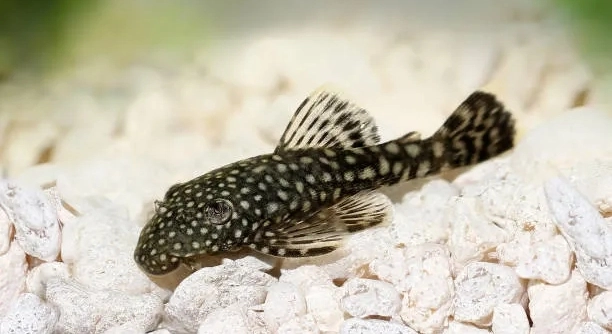
Do you love keeping aquariums but find yourself unsure how to properly feed your young Bristlenose Plecos? These small, hardy fish need careful attention to their diet for healthy growth and vibrant colors.
Providing proper nutrition for young Bristlenose Plecos requires a balanced diet consisting of algae wafers, fresh vegetables, and occasional protein supplements. Feeding should be consistent, portion-controlled, and adapted to the fish’s developmental stage to promote optimal health and growth.
Understanding the right feeding routine can prevent common issues and help your Plecos thrive in their tank environment. Learning the essentials ensures they develop strong, healthy bodies and bright, natural colors.
Choosing the Right Food
Young Bristlenose Plecos require a diet that supports their growth and strengthens their digestive system. A mix of algae wafers, fresh vegetables, and occasional protein sources like bloodworms or shrimp ensures they get all essential nutrients. Leafy greens such as zucchini, spinach, or cucumber can be lightly blanched and placed in the tank to encourage grazing. Algae wafers should be of high quality, sinking slowly to allow the fish ample time to feed. Avoid overfeeding, as uneaten food can quickly decay and impact water quality, stressing your Plecos and potentially causing health problems. Observing your fish during feeding helps gauge how much they actually consume, which is essential for preventing both malnutrition and excess waste. Gradually introducing new foods helps them adapt and ensures their digestive systems handle a varied diet without issues. Consistency in feeding times also builds a routine, which benefits their overall health and behavior.
Providing balanced meals supports strong growth and reduces risks of disease or malnutrition in young Plecos.
A proper feeding schedule involves offering vegetables and algae wafers daily while limiting protein treats to a few times per week. By maintaining variety and controlling portions, your Plecos will remain healthy, active, and develop vibrant colors. Monitoring their intake ensures the tank stays clean, which supports both fish health and water quality. Establishing these habits early helps your Plecos adjust to their diet and minimizes stress during their growth phase.
Feeding Frequency and Portions
Young Bristlenose Plecos should be fed small portions multiple times a day. This mimics natural grazing behavior and prevents sudden spikes in waste that can harm water quality.
Feeding frequency depends on age and size. Newly hatched Plecos need tiny meals several times daily, while older juveniles can gradually transition to larger portions twice a day. A good rule of thumb is offering only what they can consume in 10 to 15 minutes. Overfeeding not only pollutes the tank but also risks obesity and digestive problems. Observing feeding habits helps adjust amounts as they grow, ensuring their nutrition meets developmental needs. Rotating vegetables and including algae wafers maintains interest and dietary balance. Timing and portion control are critical, especially in community tanks, where other fish may compete for food. Using feeding tools like tongs or small dishes can help manage portions and monitor consumption. Gradual adjustments prevent sudden dietary changes that could stress the fish. By establishing a structured feeding routine, young Bristlenose Plecos receive consistent nutrition, which strengthens immunity and promotes healthy growth, giving them the best start in life.
Preparing Vegetables Properly
Blanching vegetables like zucchini, spinach, and cucumber makes them easier for young Plecos to eat and digest. Cutting them into small, manageable pieces prevents waste and ensures each fish can access their share.
Blanching vegetables softens them without removing nutrients, allowing Plecos to graze comfortably. Cold-shock vegetables immediately after boiling to preserve texture and vitamins. Smaller pieces reduce competition among juveniles, ensuring even the shyest fish can feed. Rotating vegetables daily keeps their diet balanced and maintains interest in feeding. Avoid seasoning or additives, as these can harm fish and disrupt tank chemistry. Observing how quickly vegetables disappear helps adjust portion sizes. Gradual introduction of new greens supports digestive health and prevents sudden stress on the gut. Consistency in preparation ensures Plecos receive the maximum nutritional benefit from their meals.
Vegetables should be monitored during feeding to prevent decay in the tank. Uneaten pieces should be removed promptly to maintain water quality. Using tongs or a small dish helps manage placement and ensures young Plecos can graze safely without disturbance from other tank inhabitants. Regularly preparing and portioning vegetables also encourages healthy feeding habits, reducing aggression and competition. By prioritizing proper preparation, your Plecos receive the nutrients they need while maintaining a clean, safe tank environment.
Supplementing with Protein
Protein supplements should be occasional, not daily, to prevent digestive issues in young Plecos. Freeze-dried or fresh bloodworms and shrimp provide needed nutrients for growth.
Protein treats help build strong muscles and support healthy development. Overfeeding protein can lead to liver stress and water pollution, so moderation is essential. Introducing supplements slowly allows digestive systems to adapt, preventing constipation or bloating. Feeding protein a few times a week complements the main plant-based diet without overwhelming the fish. Choosing high-quality sources ensures safety and reduces contamination risks. Observing fish during supplementation helps gauge appetite and adjust amounts accordingly. Proper supplementation also encourages active grazing and exploration within the tank.
Young Plecos benefit from small, controlled protein servings combined with vegetables and algae wafers. Feeding in moderation maintains a balanced diet, prevents water quality issues, and promotes steady, healthy growth. Protein supplements also enhance coloration and vitality, supporting both physical health and natural behavior. By scheduling protein feedings strategically and monitoring intake, you can provide the essential nutrients without stressing the digestive system. Consistency and care in supplementation ensure your Plecos grow strong while thriving in a stable, clean environment.
Monitoring Water Quality
Maintaining clean water is essential when feeding young Bristlenose Plecos. Uneaten food can quickly decompose, increasing ammonia and nitrite levels, which can stress or harm the fish. Regular water testing helps keep parameters safe.
Frequent partial water changes remove waste and prevent harmful chemical buildup. Removing leftover food promptly ensures the tank remains healthy and reduces the risk of disease.
Observing Feeding Behavior
Watching how your Plecos eat helps identify health issues early. Sudden disinterest or aggression can indicate stress, illness, or dietary imbalance.
Using Sinking Food
Sinking wafers and pellets are best for young Plecos. They naturally graze near the tank bottom, making floating food inefficient.
Avoiding Overfeeding
Overfeeding can cause obesity, digestive issues, and poor water quality. Feed only what they can consume within 10–15 minutes.
FAQ
How often should I feed young Bristlenose Plecos?
Young Bristlenose Plecos benefit from small, frequent meals. Feeding them two to three times daily mimics their natural grazing behavior. Portion sizes should be limited to what they can consume in 10–15 minutes to prevent leftover food from polluting the tank. Gradually adjust feeding as they grow, moving toward larger but less frequent meals. Observing their appetite ensures they are getting enough nutrition without overfeeding, which supports steady growth and healthy development.
What vegetables are best for them?
Soft vegetables like zucchini, spinach, cucumber, and peas work well. Blanching vegetables makes them easier to digest while retaining nutrients. Leafy greens and sliced root vegetables provide fiber and essential vitamins. Rotating vegetables daily keeps the diet balanced and prevents picky eating. Avoid adding seasoning or oils, as these can harm Plecos and disrupt water quality. Watching which vegetables are eaten fastest can help tailor meals to their preferences.
Can I feed them protein every day?
Protein should be given sparingly. Small portions of bloodworms, shrimp, or other high-protein treats are suitable two to three times a week. Daily protein can stress their digestive system and lead to water quality problems. Introduce new protein sources gradually to prevent bloating or constipation. Combining protein treats with vegetables ensures a balanced diet without overloading their system. This careful supplementation promotes muscle development and healthy growth.
Why is my Pleco not eating vegetables?
Young Plecos may ignore new foods at first. Gradually introduce vegetables by offering small, soft pieces alongside their usual algae wafers. Observing feeding patterns and ensuring vegetables are easily accessible helps. Slightly blanching tough vegetables can encourage consumption. Sometimes, hiding vegetables near their favorite grazing spots can attract attention. Patience is key, as they often require time to adjust to new foods and textures.
How do I prevent overfeeding?
Offer only what the Plecos can eat in 10–15 minutes. Remove any uneaten food immediately. Using tongs or small feeding dishes can control portions. Consistency in feeding times helps the fish anticipate meals and reduces overeating. Regular observation ensures portion adjustments match their growth and appetite. Monitoring water quality can also indicate if feeding levels are appropriate.
Are algae wafers necessary?
Algae wafers are important as they provide essential nutrients and fiber. They complement vegetables and occasional protein. Choosing high-quality, slow-sinking wafers ensures Plecos can feed without competition from other fish. Offering wafers daily helps maintain digestive health and supports steady growth. They also satisfy the natural grazing instincts of Bristlenose Plecos.
Can overfeeding affect water quality?
Yes, uneaten food decomposes, raising ammonia and nitrite levels, which can stress or harm Plecos. Consistent portion control, removing leftovers promptly, and regular water changes maintain a stable environment. Monitoring water parameters is essential when feeding vegetables, wafers, or protein treats. Overfeeding can also encourage algae blooms and tank odor.
What is the best way to introduce new foods?
Introduce one new food at a time to monitor tolerance. Start with small pieces and observe digestion and appetite. Gradually increase quantity once acceptance is confirmed. Combining new foods with familiar favorites encourages exploration. Maintaining variety while monitoring health prevents sudden dietary stress. Consistent observation ensures the Plecos remain healthy and adapt well to dietary changes.
How do I know if my Plecos are healthy?
Healthy Plecos are active, eat consistently, and have vibrant colors. A lack of appetite, bloating, or unusual behavior signals potential issues. Clear water, proper feeding, and a balanced diet contribute to overall well-being. Regular observation helps detect early signs of stress or illness, allowing timely intervention.
Can young Plecos share food with other tank mates?
Yes, but competition can occur. Placing food in multiple areas prevents dominant fish from monopolizing meals. Using sinking wafers and spreading vegetables evenly ensures all Plecos access nutrition. Observing feeding dynamics helps adjust portions and placement to meet the needs of every fish in the tank.
This FAQ provides practical solutions for common feeding concerns, helping young Bristlenose Plecos grow strong, healthy, and active in their environment.
Final Thoughts
Feeding young Bristlenose Plecos properly is essential for their growth, health, and overall well-being. A consistent, balanced diet consisting of algae wafers, fresh vegetables, and occasional protein supplements ensures they get the nutrients they need. Vegetables like zucchini, spinach, and cucumber should be prepared carefully, often blanched, to make them easier to eat and digest. Providing food in manageable portions allows every fish in the tank to feed comfortably without leaving uneaten food to decay. Observing how your Plecos eat can help determine the right amount to provide and which foods they prefer. Overfeeding should be avoided because it can lead to water quality issues and digestive problems, while underfeeding may slow growth or weaken their immune system. By keeping meals simple, nutritious, and consistent, you give young Plecos a strong foundation for healthy development.
Water quality and feeding routine go hand in hand when raising young Plecos. Uneaten food and excess protein can quickly increase ammonia and nitrite levels, which can stress or harm the fish. Regular water changes and monitoring tank parameters help maintain a safe environment, while controlled feeding prevents nutrient overload. Observing your Plecos during meals is an effective way to catch early signs of illness or stress. Young Plecos are naturally curious and will graze slowly on algae wafers and vegetables, so placing food in accessible locations ensures they get their share. Introducing new foods gradually and rotating vegetables helps maintain dietary variety without overwhelming their digestive system. Protein supplements should remain occasional, as overuse can lead to bloating, constipation, and tank pollution. Maintaining a structured feeding schedule combined with careful observation keeps Plecos active, healthy, and growing steadily.
The key to raising healthy young Bristlenose Plecos lies in attention to detail, patience, and consistency. Feeding appropriate foods in the right quantities supports physical development, coloration, and natural behavior. Regularly preparing vegetables, providing sinking wafers, and carefully supplementing with protein encourages strong growth without causing tank issues. Watching how your Plecos respond to meals helps adjust portions and feeding frequency to meet their needs. Maintaining clean water and avoiding overfeeding prevents common problems such as digestive stress, disease, or poor water quality. By understanding their dietary needs and creating a consistent routine, you foster an environment where young Plecos thrive. Careful attention to these factors ensures your fish remain healthy, active, and vibrant, giving them the best chance to grow into strong, mature adults. This approach allows the tank to remain balanced, clean, and enjoyable for both the fish and the keeper, creating a sustainable routine that supports the Plecos’ long-term health.

Hello,
If you enjoy the content that we create, please consider saying a "Thank You!" by leaving a tip.
Every little bit helps us continue crafting quality advice that supports the health, happiness, and well-being of pets around the world, for pets of all shapes, sizes, and species.
We really appreciate the kindness and support that you show us!