
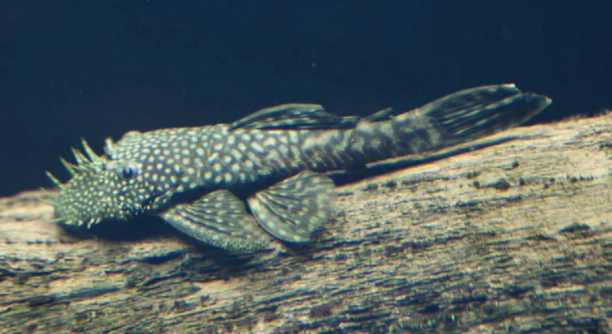
Are your plecos showing new behaviors that catch your attention? Observing subtle changes in their routine can hint at more than just normal activity. Recognizing these signs helps you care for them responsibly and support their natural cycles.
Plecos exhibit mating readiness through behaviors such as increased territoriality, enhanced coloration, frequent cleaning of potential spawning sites, and distinct swimming patterns. Monitoring these physical and behavioral indicators allows aquarists to identify breeding readiness accurately and prepare appropriate conditions.
Understanding these cues can improve your care routine and help ensure a safe, supportive environment for pleco reproduction in your aquarium.
Increased Territorial Behavior
When plecos are ready to mate, they often become more territorial. You may notice them guarding specific areas of the tank, such as caves or tight corners, more aggressively than usual. They may chase away other fish or even smaller plecos that come too close. This behavior helps them secure a safe space for spawning and protects the eggs once laid. Territoriality is a key sign that the fish are preparing for reproduction. It is important to provide adequate hiding spaces and multiple shelters in the tank to prevent stress and aggression. Observing this behavior closely can help you anticipate when spawning is likely to occur. Additionally, males tend to be more dominant and may spend more time patrolling their chosen area. Recognizing territorial behavior early allows you to make adjustments in tank setup and ensure the safety of other fish in the environment.
This change in behavior often signals that breeding conditions are favorable and that your plecos are ready.
Keeping track of territorial actions can also help you plan feeding and tank maintenance. By reducing disturbances near guarded areas, you can create a more natural and comfortable environment for mating. Providing extra hiding spots or rearranging décor can minimize conflicts and make your plecos feel secure. Observing their routines carefully over time can reveal patterns that indicate readiness to spawn. These subtle cues, combined with attention to water quality and diet, increase the chances of successful mating.
Cleaning and Preparing Spawning Sites
Plecos begin cleaning surfaces and preparing caves when ready to mate. This is a strong indication that spawning is imminent.
Males typically select smooth, flat surfaces inside caves or crevices, removing debris or algae with persistent scraping. They may repeatedly inspect and polish the area to make it suitable for eggs. Females often follow, showing interest in these prepared sites, which signals readiness to lay eggs. Providing proper cave-like structures in your tank encourages this natural behavior and can reduce stress. Clean, spacious areas also prevent eggs from being damaged or eaten. Watching this preparation helps you gauge which fish are actively participating in breeding. Timing is critical, as interference can disrupt spawning.
Ensuring proper water parameters and maintaining cleanliness while observing these behaviors increases the likelihood of successful mating. By noting which fish engage in site preparation, you can better anticipate egg-laying and manage the tank to protect both the adults and offspring. The cleaning behavior is a visual cue that signals not just interest but active preparation, and recognizing it allows for timely intervention. Proper observation also supports the long-term health of your plecos and maintains harmony within the tank.
Changes in Coloration
Plecos often display brighter or more intense colors when ready to mate. This visual cue signals health and readiness to potential mates. Observing these changes can help you identify which fish are preparing for breeding.
Males usually show deeper, richer tones along their bodies and fins, which may be more noticeable under certain lighting. These changes are often temporary and coincide with other mating behaviors. Enhanced coloration can also indicate overall health, making the fish more attractive to females. Monitoring the tank regularly helps you catch these subtle shifts early. Color changes often align with territorial behaviors, making it easier to predict when spawning will occur.
Females may also display slight changes, though less pronounced, often showing a soft glow along their ventral surfaces. These shifts, combined with increased interest in prepared caves, are reliable indicators of reproductive readiness. Being aware of these visual cues allows you to manage tank conditions, ensuring water quality and nutrition remain optimal. Recognizing coloration changes along with other behaviors gives a clear picture of when mating is likely.
Frequent Swimming Patterns
Plecos ready to mate often swim more actively or follow specific routes within the tank. This behavior is linked to courtship and territory monitoring.
Males may patrol their chosen caves or areas repeatedly, signaling dominance and attracting females. Their movement can include circling, hovering near the entrance of shelters, or darting toward intruders. This heightened activity helps secure the spawning site and can alert aquarists to readiness.
Females may also show repeated visits to potential spawning sites, hovering or inspecting surfaces. This pattern indicates interest in the prepared area and willingness to lay eggs. Observing these swimming routines can help you determine which fish are participating in mating behavior. Adjusting feeding and minimizing disturbances during this period ensures plecos remain healthy and focused on breeding. Monitoring these patterns closely improves the likelihood of successful reproduction and helps maintain a calm, supportive tank environment.
Increased Hiding
Plecos may spend more time in caves or under decorations when ready to mate. This behavior provides them safety and privacy. Observing increased hiding can indicate readiness and a preference for undisturbed areas during courtship and spawning.
Hiding also reduces stress from other tank mates. Both males and females use these sheltered spots to prepare for egg-laying. Ensuring enough caves and secure spaces supports natural breeding behavior.
Brighter Fins
Males often display brighter, more pronounced fins when ready to mate. This visual enhancement attracts females and signals fitness. Monitoring fin coloration provides insight into which plecos are preparing for reproduction. Proper nutrition and water conditions help maintain these vibrant displays.
Tail Wriggling
Tail wriggling or fanning near a chosen site is common during mating readiness. This motion is part of courtship, encouraging the female to enter the spawning area. Observing this behavior closely helps identify active participants and anticipate egg-laying periods.
Increased Appetite
Plecos often eat more frequently when preparing to mate. This increased appetite supports energy demands for courtship, territorial defense, and egg production. Providing balanced nutrition during this stage ensures they remain healthy and ready for successful reproduction.
FAQ
How can I tell the difference between male and female plecos when they are ready to mate?
Males typically have broader heads, thicker bodies, and more pronounced odontodes (small, bristle-like structures) along their pectoral fins and cheeks. Females tend to have rounder, fuller bellies, especially when carrying eggs. Observing their behavior alongside these physical traits, such as guarding caves or preparing spawning sites, helps confirm their sex. Noticing which fish show territoriality, site cleaning, and frequent tail-fanning can also provide clear clues about the males’ and females’ roles in mating.
Do plecos need a specific type of tank to breed successfully?
Yes. Providing ample hiding spaces, caves, and flat surfaces is crucial. Males select these areas to prepare for egg-laying, and females feel safe entering them. Tanks should maintain stable water parameters, including clean, oxygen-rich water and consistent temperature. Adding smooth surfaces like slate or ceramic caves encourages proper site preparation. Proper filtration and minimal disturbance during this period are important. A well-structured tank reduces stress, enhances breeding behavior, and improves the likelihood of successful spawning.
How long does it take for plecos to lay eggs once they show mating behavior?
Once plecos display readiness through territoriality, site preparation, and courtship swimming, egg-laying can occur within several days to a week. Males maintain and guard the chosen site during this period, ensuring the environment remains safe. Observing cleaning behaviors, vibrant coloration, and frequent visits to caves can help estimate timing. Environmental stability, including consistent temperature and water quality, plays a key role in reducing delays. Monitoring these cues allows aquarists to prepare for egg hatching and provide proper care.
What should I feed plecos to support breeding?
A high-quality diet is essential during mating preparation. Feeding a mix of vegetables, algae wafers, and protein-rich foods like bloodworms helps maintain energy levels and overall health. Males require extra energy for territorial defense and site preparation, while females need nutrients to support egg production. Maintaining a consistent feeding schedule and ensuring proper nutrition enhances coloration, activity, and courtship behaviors. Healthy, well-fed plecos are more likely to exhibit clear mating behaviors and successfully reproduce in a controlled tank environment.
Can multiple pairs of plecos breed in the same tank?
It is possible, but careful monitoring is required. Multiple males can become aggressive, and overcrowding may increase stress. Providing enough caves, hiding spaces, and territorial markers reduces conflict and allows each pair to have a safe area for spawning. Observing behaviors like chasing, site guarding, and tail-fanning helps determine which pairs are ready. Separating aggressive individuals or providing additional tanks may be necessary to ensure successful breeding and minimize stress on all fish.
How do I care for the eggs after they are laid?
Males usually guard the eggs until they hatch, fanning them with their fins to provide oxygen and prevent fungus. Avoid disturbing the tank during this period. Water quality must remain high, with gentle filtration and stable temperature. Once the fry hatch, feeding small, appropriate foods like powdered algae or finely crushed wafers supports early growth. Observing male behavior, water parameters, and fry activity ensures survival and healthy development.
What are signs that plecos are not ready to mate yet?
If plecos are inactive, uninterested in caves, or display minimal color changes, they are likely not ready. Lack of territoriality, limited site cleaning, and irregular swimming patterns also indicate immaturity or unsuitable environmental conditions. Monitoring these behaviors helps prevent unnecessary stress from attempting breeding before readiness. Ensuring proper nutrition, tank setup, and water quality supports their natural reproductive cycle.
Can environmental changes trigger mating behavior?
Yes. Gradual increases in water temperature, slight changes in water chemistry, and improved diet can stimulate breeding readiness. Observing behavioral shifts such as increased territoriality, tail-fanning, or site preparation signals that these changes are effective. Maintaining consistent, supportive conditions while introducing subtle environmental adjustments encourages natural breeding behavior without causing stress or aggression.
Final Thoughts
Caring for plecos during their mating period requires careful observation and understanding of their behaviors. Recognizing the signs of readiness, such as territorial displays, increased activity, and site preparation, helps create a supportive environment for successful breeding. Plecos rely on visual and environmental cues to determine when it is safe to reproduce, so providing the right conditions is essential. A tank that is well-structured, with ample caves and hiding spaces, allows males to establish territory and females to feel secure while laying eggs. Monitoring water quality and maintaining stable parameters also supports both adults and developing eggs. When these factors are in place, plecos are more likely to display natural behaviors, which increases the chances of healthy reproduction. Paying attention to these details may seem time-consuming, but it greatly benefits the fish and the overall harmony of the aquarium. Understanding their natural instincts is key to creating a successful breeding environment.
Nutrition plays an equally important role in preparing plecos for mating. A balanced diet supports their energy needs and encourages healthy development. Males need sufficient nutrients to defend territories, clean spawning sites, and perform courtship behaviors. Females require additional nutrition to produce viable eggs. Offering a mix of vegetables, algae wafers, and protein-rich foods ensures both males and females maintain strength and vitality during this critical period. Feeding routines should be consistent, and the quality of food should be high to prevent deficiencies that could affect reproductive success. Observing changes in appetite, coloration, and activity can indicate when plecos are approaching readiness. Adjusting feeding schedules and providing the proper diet enhances overall health and encourages natural breeding behaviors. Nutrition, combined with environmental support, creates the ideal conditions for plecos to reproduce successfully.
Finally, patience and attentiveness are essential when working with plecos. Breeding does not always happen on a predictable schedule, and each fish may respond differently to environmental changes. Observing behaviors like tail-fanning, cave cleaning, or repeated swimming patterns allows you to track readiness and anticipate egg-laying. It is important to minimize disturbances during this period and provide enough space for both males and females to act naturally. Understanding their needs and respecting their natural instincts ensures a safer and less stressful environment. By combining proper tank setup, careful observation, and consistent nutrition, you can support healthy mating behavior and successful reproduction. This approach not only increases the likelihood of breeding success but also contributes to the long-term health and wellbeing of your plecos, making the experience rewarding for both you and the fish.

Hello,
If you enjoy the content that we create, please consider saying a "Thank You!" by leaving a tip.
Every little bit helps us continue crafting quality advice that supports the health, happiness, and well-being of pets around the world, for pets of all shapes, sizes, and species.
We really appreciate the kindness and support that you show us!