
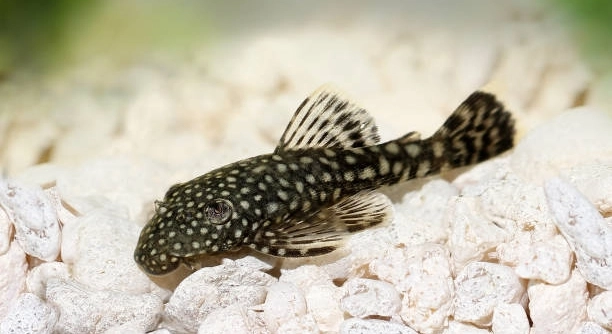
Have you ever set up a tank for your pleco and wondered if the type of surface inside makes any difference to their comfort and behavior?
Plecos generally prefer textured surfaces over smooth ones. The rough texture allows them to grip better, reduces slipping, and provides a more natural environment similar to riverbeds and submerged wood, where they can safely rest, graze, and hide.
Understanding this preference can help you create a more natural and stress-free habitat that keeps your pleco active, comfortable, and thriving in its aquatic home.
Why Texture Matters for Plecos
Plecos are bottom-dwelling fish that rely on their surroundings to feel secure and supported. In the wild, they spend most of their time clinging to driftwood, rocks, and other coarse surfaces. These textures allow them to hold steady against currents and easily graze on algae. Smooth surfaces, on the other hand, can make it harder for them to attach or rest comfortably. Textured areas mimic their natural environment, helping reduce stress and encouraging natural behavior. Providing the right surface also helps prevent injuries from slipping or scraping, which can occur on overly polished decorations or glass. By creating a habitat that includes driftwood, slate, or textured stones, you make your pleco’s environment feel closer to home.
A tank filled only with smooth surfaces can limit your pleco’s ability to explore. Adding texture invites more activity, better feeding habits, and a calmer, healthier fish overall.
Different pleco species have slightly different preferences, but all benefit from textured options. Some may cling to driftwood more often, while others favor rock surfaces. Observing your pleco’s habits can guide you toward the ideal setup. Providing variety not only improves their comfort but also enhances the appearance of your aquarium, blending function with beauty in a simple, natural way.
Best Surfaces to Use in Your Tank
Plecos thrive when they have access to natural, rough materials that provide both grip and enrichment. Driftwood, river rocks, and textured cave decorations are excellent choices for their environment.
Driftwood is particularly beneficial since it offers both texture and a food source. Many plecos rasp on wood to aid digestion and maintain their teeth. River rocks create smooth yet varied terrain that supports natural grazing. Textured ceramic caves or slate pieces give hiding spaces that help reduce stress and mimic the shaded spots they love in the wild. When decorating, it’s best to avoid artificial items with sharp edges or glossy coatings, as these can cause injuries or discourage exploration. Combining several textured materials helps replicate their natural habitat, offering balance between safety, comfort, and visual appeal. A thoughtfully arranged tank not only supports your pleco’s needs but also creates a peaceful, engaging aquatic space.
Cleaning and Maintaining Textured Surfaces
Textured decorations and substrates can collect waste, algae, and leftover food over time. Regular cleaning helps maintain water quality and keeps the surfaces safe for your pleco to graze without risk of bacterial buildup or harmful residue.
Use an aquarium brush or sponge to gently scrub textured items during water changes. Avoid using soap or chemical cleaners, as they can leave harmful traces behind. If algae growth becomes excessive, remove the item and rinse it in tank water, not tap water, to preserve beneficial bacteria. Vacuuming the substrate weekly also prevents debris from settling too deeply. By keeping these surfaces clean, you ensure a stable and healthy environment for your pleco, reducing the risk of fin irritation or illness caused by trapped waste or decaying matter. Consistent care makes a big difference in maintaining your fish’s comfort and overall health.
Over time, driftwood and other natural materials may begin to soften or change in appearance. This is normal, but it’s important to monitor them for signs of decay or splintering. If a piece becomes unstable or starts breaking apart, it should be replaced to prevent water contamination. Maintaining a balance between cleanliness and natural wear helps your tank remain both healthy and visually appealing. Regular attention ensures that your pleco’s environment stays inviting and functional, with surfaces that continue to serve their purpose effectively.
Signs Your Pleco Is Comfortable
A pleco that feels secure will spend time exploring the tank and resting on its preferred surfaces. You’ll often see it grazing calmly or staying attached to driftwood and rocks without signs of distress.
Healthy plecos have consistent activity levels, smooth movements, and vibrant coloring. They may occasionally hide, but frequent hiding or constant restlessness can suggest discomfort with the setup. When textured surfaces are present, plecos often display more natural behaviors, like gentle rasping and relaxed resting positions. They tend to move between areas rather than staying in one spot, showing comfort with their surroundings. Regular feeding and visible grazing are good signs too. If your pleco looks pale, hides excessively, or struggles to grip surfaces, it might be time to reassess the tank’s layout. Observing small changes in behavior can help you spot early signs of stress and maintain a healthy, balanced environment.
Common Mistakes to Avoid
Many aquarists make the mistake of using only smooth decorations, thinking they are easier to clean. This limits the pleco’s ability to grip or graze naturally. Smooth glass or plastic items can make the fish feel insecure and cause unnecessary stress.
Another common issue is overcrowding the tank with large, heavy decorations. These can restrict movement and reduce open grazing space. It’s better to balance textured items with open areas where your pleco can swim freely. Overdecorating may also trap waste, making maintenance harder and affecting water quality.
Choosing the Right Materials
When selecting materials, prioritize those safe for aquariums and free of chemicals or sharp edges. Driftwood, slate, and river stones are reliable options that provide texture without harming your pleco. Avoid painted or resin-coated pieces, as they may leach harmful substances into the water. Always rinse new items thoroughly before placing them in the tank. Natural materials not only enhance the tank’s appearance but also support your pleco’s natural instincts. Providing safe, textured elements encourages healthy feeding, resting, and interaction with the environment, resulting in a more balanced and appealing aquarium.
Monitoring Long-Term Behavior
After adjusting your tank, observe how your pleco interacts with the new surfaces. Consistent grazing, resting, and movement show satisfaction. Noticing these patterns helps confirm your setup suits your pleco’s needs and supports long-term comfort and well-being.
FAQ
Do plecos need driftwood in their tank?
Yes, most plecos benefit from having driftwood. It provides a textured surface for grazing and resting, which mimics their natural habitat. Some species even rasp on driftwood to aid digestion. Choosing natural, untreated wood ensures safety, and rinsing it before adding it to the tank removes debris and unwanted residues.
Can plecos live comfortably on smooth surfaces alone?
Plecos can survive on smooth surfaces, but it is not ideal. Smooth glass or plastic offers little grip, which can make resting or feeding difficult. Over time, this may cause stress or injury. Including textured areas like rocks or wood supports their natural behavior and helps them feel secure.
How often should I clean textured surfaces?
Textured surfaces accumulate algae, waste, and leftover food faster than smooth surfaces. Cleaning weekly or during water changes is recommended. Use a soft brush to remove debris, avoiding soap or chemical cleaners. Regular maintenance preserves water quality and keeps your pleco healthy and active.
What types of rocks are safe for plecos?
Plecos do well with slate, river rocks, and smooth, untreated stones. Avoid sharp, painted, or resin-coated rocks, as these can cause injury or leach harmful substances. Always rinse rocks thoroughly before adding them to the aquarium. Mixing textures provides resting, grazing, and hiding areas.
Do plecos hide more on smooth or textured surfaces?
Plecos tend to hide less when textured surfaces are available. Rough areas like driftwood or caves provide secure resting spots, reducing stress. Smooth surfaces offer little grip or security, which can cause them to spend more time hiding in corners or under decorations instead of exploring.
Will textured decorations affect water quality?
Natural textured items can impact water chemistry slightly. Driftwood may release tannins, lowering pH, which is usually safe for most plecos. Rocks generally have minimal effect, but it’s important to monitor water parameters. Cleaning textured surfaces regularly prevents buildup of waste and harmful bacteria.
How do I know if my pleco is comfortable with its surfaces?
Signs of comfort include grazing on textured areas, resting securely, and moving freely around the tank. A comfortable pleco shows consistent activity and smooth movements. Stress indicators include excessive hiding, difficulty gripping surfaces, or unusual lethargy. Observing daily behavior helps you adjust the environment appropriately.
Can I mix smooth and textured surfaces in one tank?
Yes, combining smooth and textured surfaces works well. Smooth areas provide open swimming space, while textured areas allow resting, grazing, and hiding. A balanced layout supports natural behavior and reduces stress. Avoid overcrowding to maintain accessibility and water flow throughout the tank.
Do all pleco species have the same surface preference?
Most plecos prefer textured surfaces, but specific habits vary by species. Some favor driftwood for grazing, while others prefer rocks or caves. Researching your species helps optimize their tank setup. Observing your pleco’s behavior will guide you to provide the best combination of surfaces for comfort and activity.
How can I safely introduce new textured items?
Rinse new items thoroughly to remove dust or residues. Monitor the pleco closely after introduction to ensure it adapts well. Rearrange gradually, avoiding sudden large changes that could stress your fish. Providing a mix of familiar and new textures encourages exploration and supports natural behaviors.
Do textured surfaces wear out over time?
Natural materials like driftwood and certain rocks may change over time, softening or breaking down. Inspect items regularly and replace them if they become unsafe. Proper maintenance ensures longevity, safety, and consistent support for your pleco’s natural activities.
Can textured decorations prevent injuries?
Yes, textured surfaces reduce slipping and provide secure resting spots, lowering the risk of injury. Smooth, polished surfaces can cause accidental scraping or stress. Choosing rough, stable decorations supports healthy movement, grazing, and resting patterns, helping plecos stay safe and comfortable.
Is substrate texture important for plecos?
Substrate matters, especially for bottom-dwelling plecos. Sand or fine gravel allows easier movement and grazing compared to large pebbles or sharp gravel. A textured substrate complements other tank decorations, giving your pleco a secure, natural environment to explore and rest comfortably.
How do I balance aesthetics with functional textures?
Select decorations that combine texture with visual appeal. Driftwood, slate, and natural stones provide both safe surfaces and attractive focal points. Arrange items to create hiding spots, grazing areas, and open swimming space. Thoughtful placement supports your pleco’s needs while keeping the tank visually pleasing and organized.
This FAQ provides practical answers to common questions about pleco surfaces, helping create a safe, comfortable, and engaging aquarium environment. Monitoring behavior and maintaining textured surfaces ensures long-term health and contentment for your pleco.
Final Thoughts
Creating a comfortable and healthy environment for plecos starts with understanding their natural habits. These fish are bottom dwellers that rely heavily on textured surfaces for resting, grazing, and hiding. Smooth surfaces alone do not provide enough grip or stimulation, which can lead to stress or discomfort over time. Including materials like driftwood, slate, and natural stones gives plecos the chance to behave naturally. They can cling, rasp, and move with ease, which keeps them active and healthy. When setting up a tank, thinking about texture is as important as water quality, filtration, and lighting. The combination of safe, natural textures and open swimming areas ensures that your pleco feels secure while also having room to explore. By paying attention to these details, you create a tank that supports both physical and behavioral health, giving your pleco the best chance to thrive.
Maintenance is another important part of providing the right environment. Textured surfaces are great for plecos, but they can also accumulate algae, food debris, and waste faster than smooth decorations. Regular cleaning is necessary to prevent water quality issues and maintain a safe habitat. Use gentle brushes or sponges to scrub driftwood and rocks, and avoid any chemical cleaners that could harm your fish. Keeping the substrate clean by vacuuming weekly also helps prevent buildup in hard-to-reach areas. Monitoring these surfaces and performing routine maintenance ensures that your pleco can continue to use them safely. Clean, well-maintained textures not only protect your fish but also make the tank easier to enjoy visually. Paying attention to these details makes a noticeable difference in how your pleco interacts with its environment.
Observing your pleco’s behavior is the best way to know if your setup is working. When plecos are comfortable, they will actively graze on algae, cling to driftwood or rocks, and rest in secure spots without signs of stress. If your pleco is hiding excessively, struggling to move, or showing unusual lethargy, it may be time to adjust the surfaces or decorations in the tank. Every species has slightly different preferences, so watching their habits can guide you toward the best combination of textures. Balancing natural materials, safe hiding spots, and open swimming areas ensures that plecos can exhibit their natural behaviors. Thoughtful care and attention to texture create an environment that supports health, reduces stress, and allows your pleco to thrive for years. By combining maintenance, observation, and the right materials, you can build a tank that is both functional and comfortable, giving your pleco a stable, enriching home.
This is 407 words.

Hello,
If you enjoy the content that we create, please consider saying a "Thank You!" by leaving a tip.
Every little bit helps us continue crafting quality advice that supports the health, happiness, and well-being of pets around the world, for pets of all shapes, sizes, and species.
We really appreciate the kindness and support that you show us!