
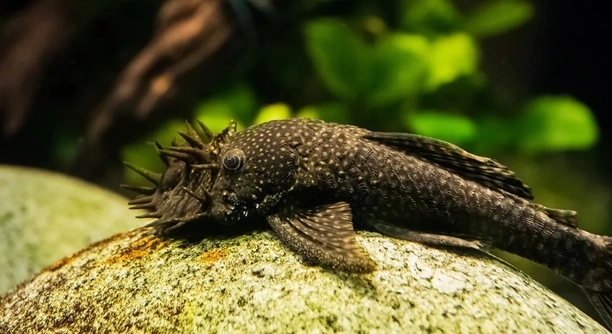
Are your plecos acting in ways that seem strange but harmless? Watching them glide across the tank, scrape surfaces, or hide for hours can leave new owners puzzled about normal behavior in these fish.
Plecos exhibit a variety of behaviors that are entirely typical and serve specific purposes. They often graze on algae, rest in hidden areas, and use suction to attach to surfaces. These actions are natural for their survival, health, and comfort in captivity.
Observing these behaviors more closely can help you understand your pleco better and provide the care it truly needs to thrive.
Scraping Everything in Sight
Plecos are known for their constant scraping behavior. They use their mouths to graze algae, biofilm, and leftover food from tank surfaces. This is completely normal and helps maintain their health. You might see them cling to the glass, decorations, or driftwood, moving slowly but persistently as they scrape. Their mouths are specially adapted for suction and rasping, which makes this behavior effective. This action is not a sign of stress or illness in most cases. If your tank has smooth surfaces, they might leave visible marks or streaks. Scraping also helps keep their teeth healthy, preventing overgrowth. Plecos often graze for hours in short bursts, moving from one area to another. Even when the tank seems clean, they will continue to scrape, seeking out hidden algae or biofilm. Their activity may seem obsessive, but it is natural and beneficial for both the fish and the tank ecosystem. Observing this behavior can teach you about their feeding patterns and preferences.
This constant scraping is a natural feeding behavior, essential for dental health and maintaining clean surfaces in the tank.
By understanding scraping, you can choose tank surfaces and decorations that are pleco-friendly. Driftwood, rocks, and textured ornaments provide safe areas for grazing, while smooth glass can show streaks. Feeding them supplemental algae wafers or vegetables can reduce excessive scraping. Regular observation ensures the behavior is healthy and not due to hunger or water issues. Over time, you may notice preferences for certain areas, times of day, or types of surfaces. This behavior also reflects their nocturnal tendencies, as plecos are often more active in low-light periods. Supporting their scraping habits allows them to thrive naturally.
Hiding in Tight Spaces
Plecos spend a lot of time hiding under driftwood, rocks, or decorations. This behavior helps them feel safe and reduces stress, especially during daylight hours.
Hiding is normal and a sign your pleco feels secure. It prefers shaded, confined areas where it can rest.
Providing caves, PVC pipes, or dense plant coverage allows plecos to retreat comfortably. Observing their hiding patterns can help you predict feeding times and activity levels. In larger tanks, multiple hiding spots reduce competition and aggression between fish. Plecos may shift their preferred hiding spots based on water temperature, tank lighting, or presence of other fish. This behavior also helps them conserve energy, as resting in secure spaces reduces unnecessary movement. It’s common for plecos to spend most of the day hidden, emerging at night to graze. Avoid disturbing their hiding areas frequently, as repeated stress can affect health and appetite. By offering appropriate hiding spaces, you create an environment that supports natural behavior and overall well-being.
Sucking on Tank Surfaces
Plecos often attach themselves to glass, decorations, or driftwood using their mouths. This suction behavior is natural and helps them stabilize while feeding or resting.
Suction allows plecos to cling securely even in flowing water. They use their specialized mouths to rasp algae or biofilm while staying in one spot. This action also prevents them from drifting in strong currents and gives them a safe way to interact with their environment. Some plecos may even “taste” objects to explore them, which is completely normal. The intensity and duration of suction can vary by species, size, and individual personality. In larger tanks, plecos may move frequently between surfaces while grazing, ensuring they have access to fresh food sources. Observing this behavior provides insight into how your pleco navigates and interacts with its surroundings.
Repeated suction is not harmful and helps maintain oral health while supporting natural feeding instincts.
Nocturnal Activity
Plecos are mostly active at night, often hiding during daylight hours and grazing when the lights are dim or off.
Being nocturnal helps plecos avoid predators in the wild and conserve energy. In a home tank, this behavior can make them seem inactive during the day, but they are simply following their natural rhythm. Nighttime activity includes grazing, exploring, and occasionally interacting with tank mates. Providing dim lighting or creating shaded areas encourages natural behavior. Owners may notice them emerging at feeding times or when the tank is quiet. This pattern ensures they get enough food while minimizing stress from daytime disturbances. Understanding their nocturnal habits helps schedule feeding and monitor health effectively, as daytime inactivity is normal and not a sign of illness.
Tail-Biting
Some plecos may occasionally nibble or flick their own tails. This behavior is usually harmless and part of normal movement or exploration.
Tail-biting can also occur when they adjust their position or scrape surfaces. It’s generally brief and not aggressive, reflecting their natural interaction with their environment.
Burrowing in Substrate
Certain pleco species enjoy digging or partially burying themselves in sand or fine gravel. This behavior helps them feel secure and mimic their natural habitat. Burrowing can also aid in foraging for leftover food or detritus. Providing a soft substrate allows this behavior without injury.
Bubble Nesting
Some male plecos create bubble nests on surfaces, even in home aquariums. This is instinctive reproductive behavior, often harmless to other tank inhabitants.
FAQ
Why does my pleco hide all the time?
Plecos are naturally shy and nocturnal. Hiding helps them feel safe and reduces stress during the day. Providing caves, pipes, or driftwood allows them to retreat comfortably. Frequent hiding is normal and usually indicates the fish is secure in its environment.
Why is my pleco scraping the glass so much?
Scraping is a natural feeding behavior. Plecos graze on algae, biofilm, and leftover food using their specialized mouths. It keeps their teeth healthy and allows them to interact with their environment. Occasional marks on glass or decorations are normal and harmless.
Is it normal for my pleco to attach to decorations?
Yes, plecos use suction to cling to surfaces. This stabilizes them while feeding or resting, especially in flowing water. Sucking on surfaces is instinctive and helps maintain oral health. It’s a natural part of their behavior.
Why does my pleco nibble on its tail?
Tail-biting is usually harmless. It often happens while adjusting position or scraping surfaces. Brief nibbling or flicking is part of normal movement and exploration and doesn’t indicate aggression or illness.
Why does my pleco burrow in the substrate?
Certain species like to dig or partially bury themselves in sand or fine gravel. Burrowing makes them feel secure, mimics natural behavior, and can help them forage for food. Soft substrate supports this behavior safely.
Why is my pleco more active at night?
Plecos are nocturnal by nature. They rest during the day and become active at night to graze, explore, and interact. Providing dim lighting or shaded areas encourages natural activity without stress. Daytime inactivity is normal and healthy.
Why does my pleco create bubbles?
Some male plecos create bubble nests, even in aquariums. This reproductive instinct is harmless and part of natural behavior. It usually occurs on smooth surfaces or under leaves, and it’s a sign the fish is comfortable in its environment.
Should I worry if my pleco rubs against decorations?
Rubbing is typically normal and helps with grooming or relieving minor skin irritation. It can also be part of exploring surfaces while feeding. Persistent or aggressive rubbing may indicate water quality issues, but occasional contact is healthy and expected.
Why does my pleco sometimes stay in one spot for hours?
Staying in one place is part of resting behavior. Plecos conserve energy by remaining still, especially in shaded or secure spots. This behavior is normal, particularly during the day, and doesn’t signal illness if the fish eats and moves normally at night.
How can I encourage my pleco to display natural behaviors?
Provide caves, driftwood, and varied surfaces for grazing. Use soft substrate for burrowing, offer vegetables and algae wafers, and maintain proper lighting for nocturnal activity. Observing their patterns and adjusting the tank to meet their needs promotes natural, healthy behavior.
Can multiple plecos live together peacefully?
Yes, most plecos coexist if the tank is large enough and has plenty of hiding spots. Overcrowding can increase stress and competition, so spacing and proper décor are important. Species, size, and personality affect interactions, but generally, multiple plecos can share a well-structured environment.
Why does my pleco seem to ignore food sometimes?
Plecos may graze on algae or biofilm instead of offered food. They have slow feeding habits and prefer certain textures or foods. Offering a mix of vegetables, algae wafers, and occasional protein can encourage eating without stressing them.
How often should I clean the tank if my pleco is scraping a lot?
Regular maintenance is necessary, but scraping alone doesn’t mean overcleaning is needed. Clean water and substrate support their grazing habits. Remove excess food and algae periodically while keeping some surfaces for natural feeding behavior.
Do plecos ever interact with other fish?
Yes, but interaction is usually limited. They mostly keep to themselves and are non-aggressive. Occasional contact is normal, but they prefer hiding or grazing alone. Understanding this helps set realistic expectations for tank dynamics.
Is it normal for my pleco to make noises?
Some plecos produce subtle noises while moving or during interactions, especially larger species. These sounds are normal and result from movement or suction adjustments. Loud or persistent noises are rare but usually harmless.
Can plecos live in different water conditions?
Plecos are adaptable but thrive in stable freshwater with moderate temperature and proper pH. Sudden changes in water quality can stress them, affecting behavior. Regular testing and gentle adjustments ensure their environment supports natural activity and health.
Why does my pleco sometimes stay near the filter?
Plecos may use filter flow to cling while grazing or resting. Strong currents provide stimulation, and being near the filter can mimic natural river conditions. This is normal behavior and indicates they are comfortable in the tank setup.
How long do plecos typically sleep?
Plecos rest mostly during daylight hours, often in shaded areas or hiding spots. Sleep is gradual and may involve slight movements, like fin twitching. This resting pattern is normal and supports their nocturnal feeding habits, helping them conserve energy for active periods.
Do plecos need supplemental food if there’s algae in the tank?
Yes, even if algae is abundant, offering vegetables or algae wafers ensures balanced nutrition. Relying solely on tank algae may not provide enough nutrients for growth and health. Supplementing supports their natural grazing while meeting dietary needs.
Can plecos change behavior with age?
Yes, juveniles are often more active and exploratory, while adults may become more sedentary or selective in feeding. Behavior adjustments are normal as they mature, and observing these changes helps provide proper care throughout their life.
What should I do if my pleco seems stressed?
Check water quality, tank size, hiding spots, and compatibility with other fish. Stress can affect behavior, appetite, and health. Addressing environmental factors usually restores normal activity, and providing secure areas encourages confidence. Regular observation helps identify stress early and maintain a healthy tank environment.
Final Thoughts
Plecos are fascinating fish with behaviors that can seem strange at first, but most of what they do is completely normal. They scrape surfaces, hide for hours, and use their mouths to attach to decorations. Each of these actions has a clear purpose in their daily life. Scraping helps them feed on algae and keeps their teeth healthy. Hiding provides safety and reduces stress. Suction allows them to stabilize in flowing water while feeding or resting. Observing these behaviors over time helps you understand your pleco’s habits and needs. What might seem unusual at first is often part of their natural rhythm and instincts. Accepting their quirks can make caring for them much easier and more rewarding.
Providing an environment that matches their natural behavior is important for their health. Including driftwood, rocks, and caves gives plecos spaces to hide, graze, and explore. Soft substrates allow burrowing without injury, and a mix of algae wafers and vegetables supports proper nutrition. Understanding that plecos are mostly nocturnal helps explain their daytime inactivity. They may sleep or remain hidden during light hours and become more active at night. Proper lighting, water conditions, and tank structure can encourage these natural behaviors, keeping them comfortable and stress-free. Observing their preferences for hiding spots, grazing areas, and activity patterns allows you to make small adjustments that improve their quality of life. Over time, you learn to anticipate their behaviors and meet their needs without interference.
Plecos can be independent and sometimes unpredictable, but that independence is part of their charm. Watching them interact with their environment, explore, and graze is enjoyable and informative. Each behavior, from tail flicking to bubble nest creation, tells a story about how the fish adapts to its surroundings. Accepting these behaviors as normal and providing a suitable environment ensures your pleco remains healthy and active. By learning their patterns and creating a tank that accommodates their instincts, you give them the best chance to thrive. Plecos may not be the most interactive fish, but understanding their behavior allows for a deeper appreciation of their unique nature and contributes to a well-balanced aquarium. Caring for them thoughtfully and patiently will reward you with a lively, interesting, and natural display of fish behavior.

Hello,
If you enjoy the content that we create, please consider saying a "Thank You!" by leaving a tip.
Every little bit helps us continue crafting quality advice that supports the health, happiness, and well-being of pets around the world, for pets of all shapes, sizes, and species.
We really appreciate the kindness and support that you show us!