
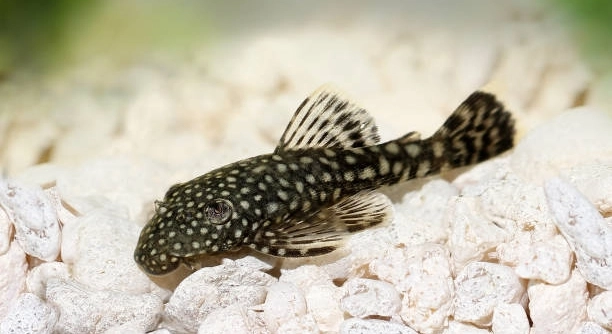
Have you ever set up a planted tank and thought about which fish would thrive without disturbing your greenery? Bristlenose plecos are small, peaceful fish that many aquarists consider for community aquariums. Their calm nature makes them appealing companions.
Bristlenose plecos can live comfortably in planted tanks if the environment is suitable. They require stable water conditions, hiding spots, and occasional driftwood for grazing. Proper plant placement and care help ensure the fish do not damage delicate foliage.
Keeping a balance between plants and fish is essential for a healthy aquarium. Understanding their habits will help you maintain both the plants and your plecos with ease.
Tank Setup for Bristlenose Plecos
Creating a planted tank for bristlenose plecos starts with understanding their basic needs. These fish prefer soft to moderately hard water with a stable pH between 6.5 and 7.5. A tank of at least 20 gallons is recommended for one pleco, and larger tanks work better for multiple fish. Substrate can be fine gravel or sand, which allows the fish to move around comfortably without damaging their barbels. Plants should be securely anchored because plecos like to graze and explore, which can uproot loosely planted greenery. Driftwood is essential as it provides a surface for algae growth and a place for the plecos to hide and chew. Moderate lighting encourages plant growth without promoting excessive algae, which could overwhelm the tank. Regular water changes help maintain clean, stable conditions, preventing stress that could affect both the fish and plants. Creating this environment helps plecos thrive while keeping plants intact.
Tank decorations and hiding spots are necessary to reduce stress.
A successful setup balances space, plants, and driftwood while minimizing overcrowding. Using hardy plants like Java fern or Anubias helps protect greenery from accidental grazing. Plecos benefit from hiding spots under rocks or driftwood, which also adds natural aesthetics. Regular monitoring of water parameters ensures a healthy environment, reducing the risk of disease. By keeping lighting moderate and providing a variety of plants, the tank remains both functional and visually appealing. This approach allows plecos to express natural behaviors while preserving plant health, making maintenance simpler and keeping the ecosystem stable.
Feeding and Plant Safety
Feeding bristlenose plecos in a planted tank requires attention to both diet and plant preservation.
Plecos are primarily herbivores that enjoy algae and vegetable matter. Providing sinking pellets or wafers ensures they receive proper nutrition without overfeeding. Supplementing with zucchini, cucumber, or spinach keeps them healthy while minimizing plant damage. Live plants can be protected by placing fast-growing species at the top or using floating plants as a buffer. Removing uneaten food promptly prevents water contamination and algae overgrowth, which can stress both fish and plants. Monitoring feeding habits helps you adjust quantities to maintain balance in the tank. Overfeeding can lead to leftover food settling on the substrate, causing decay and harming plant roots. A careful feeding routine promotes both pleco health and plant longevity, allowing the planted tank to remain vibrant and balanced. Maintaining this balance takes consistent observation, but it ensures a thriving aquatic environment.
Compatible Tank Mates
Bristlenose plecos do well with peaceful community fish. Avoid aggressive species that may nip fins or compete for food. Small tetras, rasboras, and guppies are good companions. Bottom-dwelling corydoras also coexist nicely, sharing space without stress or conflict.
Choosing compatible tank mates involves observing behavior and ensuring similar water requirements. Plecos are nocturnal and shy, so tank mates should not outcompete them for food or disturb hiding spots. Aggressive fish like cichlids can stress plecos and damage plants. It’s important to introduce fish slowly, giving the plecos time to adjust to new companions. Proper spacing, adequate hiding spots, and careful monitoring help maintain a calm and balanced community tank.
Pay attention to size differences between plecos and other fish. Avoid overcrowding to reduce stress and territorial disputes. A well-planned selection promotes harmony and supports plant growth, as peaceful fish are less likely to uproot vegetation. Ensuring compatible species coexist allows everyone to thrive while keeping the planted tank visually appealing and healthy.
Plant Selection for Plecos
Hardy plants like Java fern, Anubias, and Amazon sword tolerate pleco grazing and provide hiding spots. Fast-growing species can absorb excess nutrients.
Choosing the right plants means balancing aesthetics and durability. Plecos may nibble on leaves, so strong-stemmed plants survive better. Floating plants reduce light intensity, protecting delicate species, while rooted plants like crypts anchor the substrate. Mixing slow- and fast-growing varieties helps maintain water quality, as fast growers absorb nitrates and reduce algae growth. Proper plant placement ensures plecos have areas to explore without damaging fragile foliage, creating a functional and attractive environment.
Regular trimming and maintenance prevent overcrowding and decay. Dead leaves should be removed promptly to avoid water issues. Using plant-safe fertilizers helps vegetation thrive without harming fish. Observing how plecos interact with plants allows adjustments, ensuring greenery remains healthy while supporting natural fish behavior. Maintaining this balance promotes a visually pleasing and sustainable planted tank ecosystem over time.
Water Parameters and Maintenance
Bristlenose plecos thrive in stable water conditions with temperatures between 73°F and 81°F. Maintaining clean water through regular changes is essential. Testing pH and hardness weekly helps prevent stress. Consistent conditions keep both fish and plants healthy.
Filtration should be efficient but gentle. Plecos produce moderate waste, so a filter rated for slightly more than the tank size is ideal. Avoid strong currents that disturb plants or stress the fish. Regular removal of debris from the substrate and monitoring nitrate levels supports a balanced ecosystem. Keeping water parameters steady encourages natural behaviors and vibrant plant growth.
Hiding Spots and Decorations
Plecos need driftwood, caves, and rocks to feel secure. Hiding spots reduce stress and mimic natural habitats.
Providing multiple hiding places ensures plecos can rest during daylight hours. Driftwood also encourages grazing and helps with digestion. Decorations should be arranged so fish have open swimming areas and safe retreats. This setup supports both the physical and mental well-being of bristlenose plecos.
Lighting Considerations
Moderate lighting supports plant growth without stressing plecos. Bright light can cause algae and make shy fish hide excessively.
Adjusting light duration to 8–10 hours daily prevents plant overgrowth and algae blooms. Floating plants can diffuse light and offer shaded areas. Monitoring plant health and pleco activity allows gradual changes to maintain a balanced tank.
FAQ
Can bristlenose plecos harm my plants?
Bristlenose plecos are mostly plant-safe, but they may nibble on soft leaves occasionally. Hardy plants like Java fern, Anubias, and Amazon swords usually survive fine. Fast-growing plants can help reduce the chances of noticeable damage. Monitoring fish behavior and plant condition helps maintain a healthy balance.
How much should I feed my plecos?
Feed small amounts once or twice daily. They primarily eat algae and vegetables, but supplementing with sinking pellets ensures complete nutrition. Overfeeding can lead to excess waste, affecting both water quality and plant health. Remove uneaten food promptly to prevent decay and algae growth.
Do plecos need driftwood in a planted tank?
Yes, driftwood is important. It provides hiding spots and grazing surfaces for plecos, and the natural fibers help with digestion. Placing driftwood strategically gives fish secure areas while protecting plant roots from disturbance. Multiple pieces in larger tanks can reduce territorial disputes.
Are bristlenose plecos compatible with other fish?
They do well with peaceful species like tetras, rasboras, guppies, and corydoras. Avoid aggressive or fin-nipping fish. Observing fish interactions when introducing new tank mates helps maintain a calm environment. Proper spacing and hiding spots further reduce stress.
What water parameters are ideal for plecos?
Maintain a temperature between 73°F and 81°F with a pH of 6.5–7.5. Soft to moderately hard water is preferred. Consistent water conditions reduce stress and support plant growth. Regular water testing and changes are key to a stable environment.
How do I protect delicate plants from plecos?
Place delicate plants in shaded or less-accessible areas. Using floating plants or planting hardy species nearby can act as a buffer. Observing grazing patterns and adjusting plant placement helps preserve fragile foliage while allowing plecos to explore naturally.
How many plecos can live in a planted tank?
A 20-gallon tank can comfortably house one pleco. For multiple fish, larger tanks are necessary to prevent overcrowding. Adequate hiding spots, space, and proper filtration ensure all plecos thrive without damaging plants. Overcrowding increases stress and can affect overall tank health.
Do plecos need additional supplements besides pellets and vegetables?
Occasionally providing algae wafers or blanched vegetables like zucchini or cucumber helps maintain a balanced diet. Some aquarists use mineral blocks to support digestive health. A varied diet encourages growth, coloration, and overall vitality without compromising plant safety.
How often should I trim plants in a pleco tank?
Trimming every few weeks prevents overgrowth and reduces dead leaves. Removing decaying matter helps water quality and minimizes algae growth. Regular maintenance ensures plecos have clear swimming areas and reduces the likelihood of plants being uprooted during grazing.
Can plecos survive without algae in a planted tank?
They can, if provided with sufficient vegetables and sinking pellets. Driftwood and hard surfaces encourage natural grazing. However, a small amount of algae is beneficial for their diet and natural behavior. Balancing plant growth and algae availability ensures healthy fish.
What signs show plecos are stressed in a planted tank?
Hiding excessively during the day, reduced appetite, or scraping against surfaces can indicate stress. Poor water quality, aggressive tank mates, or inadequate hiding spots are common causes. Monitoring fish behavior and water parameters helps detect and resolve stress factors early.
How do I maintain a balance between plants and plecos?
Providing hardy plants, driftwood, and appropriate hiding spots protects greenery. Feeding properly, avoiding overcrowding, and regular water changes support both plants and plecos. Observing the tank and adjusting placement or plant types ensures a healthy, balanced ecosystem.
This FAQ covers the most common concerns about keeping bristlenose plecos in planted tanks. Following these tips helps maintain both healthy fish and thriving plants while reducing stress for everyone in the aquarium.
Bristlenose plecos are small, peaceful fish that adapt well to planted tanks when the right conditions are provided. They are mostly herbivorous and naturally feed on algae, which makes them useful for controlling algae growth in aquariums. These fish prefer stable water conditions, moderate temperatures, and soft to moderately hard water. Driftwood is a key element in their habitat, providing hiding places and surfaces for grazing. Without proper care, plecos can become stressed or harm delicate plants, but with attention to tank setup, feeding, and plant selection, they can thrive alongside a variety of greenery. Ensuring there is enough space and hiding spots is important, as these fish are naturally shy and like to explore their surroundings safely.
Maintaining a planted tank with bristlenose plecos requires careful attention to both plant and fish needs. Hardy plants like Java fern, Anubias, and Amazon sword can withstand occasional grazing, while fast-growing plants help manage nutrients and reduce algae overgrowth. Floating plants provide shade and help protect more delicate leaves. Feeding should be consistent but controlled; a combination of vegetables, sinking pellets, and algae wafers keeps plecos healthy without overloading the tank with waste. Regular water changes, substrate cleaning, and filtration are essential for stable water conditions. Overcrowding and aggressive tank mates should be avoided, as stress can lead to poor health and plant damage. Observing fish behavior, adjusting plant placement, and trimming plants when necessary all contribute to a balanced, healthy aquarium.
Overall, bristlenose plecos can be a great addition to a planted tank if their needs are met and plants are carefully chosen. They bring life to the aquarium and help maintain algae levels while coexisting peacefully with other peaceful fish. With thoughtful planning, stable water conditions, and proper maintenance, plecos and plants can thrive together. Watching plecos explore driftwood, graze on algae, and hide among plants adds interest and activity to the tank without harming the greenery. By combining hardy plants, suitable tank mates, and a consistent feeding routine, aquarists can enjoy both healthy fish and flourishing plants. Keeping this balance ensures the aquarium remains visually appealing and provides a comfortable environment for all its inhabitants. Proper care and attention to detail make it possible for bristlenose plecos to live long, healthy lives in a planted tank, creating a sustainable and enjoyable aquatic space.

Hello,
If you enjoy the content that we create, please consider saying a "Thank You!" by leaving a tip.
Every little bit helps us continue crafting quality advice that supports the health, happiness, and well-being of pets around the world, for pets of all shapes, sizes, and species.
We really appreciate the kindness and support that you show us!