
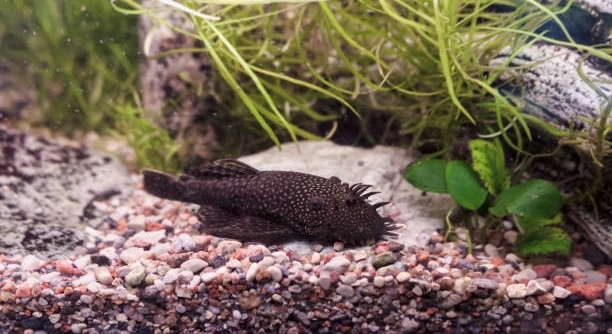
Do you enjoy keeping plecos but sometimes struggle with their feeding habits? Many owners find themselves unintentionally making mistakes that can affect their fish’s health. Feeding plecos correctly is easier than it seems once key habits are learned.
Pleco feeding mistakes often stem from overfeeding, providing inadequate diet variety, or neglecting their need for algae and plant matter. These errors can lead to poor growth, health complications, and unsatisfactory aquarium conditions. Understanding proper feeding practices is essential.
Correcting these common errors ensures your pleco thrives in its environment. Knowing what to avoid can make daily care simpler and more effective.
Overfeeding Your Pleco
Many pleco owners think that giving their fish more food is better, but overfeeding can cause serious health issues. Plecos have slow metabolisms, and excess food often decays in the tank, affecting water quality. Uneaten food can increase ammonia levels, stressing the fish and leading to illness. Providing small portions a few times a week is usually enough. Observing your pleco during feeding helps determine if it has eaten adequately. Feeding only what the fish can consume in a few minutes ensures they get nutrition without leaving waste behind. It’s also important to remove leftover food promptly. Tank maintenance and monitoring are key to preventing problems caused by overfeeding. Feeding schedules should remain consistent to avoid spikes in appetite or overfeeding out of concern.
Consistent portion control improves your pleco’s health and reduces tank maintenance issues. Small adjustments in feeding habits can prevent long-term problems.
Feeding too much may lead to obesity in plecos, which affects their mobility and overall well-being. Excess food in the tank encourages bacterial growth and algae blooms, which can make water conditions unsafe. Plecos may appear active initially, but long-term overfeeding can result in weakened immune systems and shortened lifespans. Adjusting portions based on observation is crucial. Additionally, ensuring the fish receives proper nutrition from algae wafers or vegetables helps maintain healthy growth. Avoiding sudden changes in diet or excessive treats prevents digestive issues. Maintaining proper water parameters and removing leftover food promptly further supports a balanced environment. Developing a feeding routine aligned with the pleco’s needs is more effective than offering more food than necessary. Proper feeding promotes a clean, healthy tank and ensures the fish thrives. Over time, careful feeding will make caring for your pleco more manageable and rewarding.
Neglecting Algae and Plant Matter
Many owners assume plecos can survive solely on pellets or wafers. Plecos naturally graze on algae and plant matter, which supply essential nutrients.
Failing to provide algae or vegetables can lead to malnutrition and weakened health. Vegetables like zucchini, cucumber, and spinach help balance their diet.
A pleco’s digestive system is adapted for plant-based material. In a tank without algae or vegetables, they may nibble on decorations or struggle to get enough fiber. Including fresh vegetables in their diet supports gut health and proper growth. Algae wafers should complement, not replace, natural grazing. Rotating vegetables and monitoring intake ensures they eat a variety of nutrients. Neglecting these elements can lead to lethargy, poor coloration, and stunted growth. Providing natural food sources also helps maintain a stable tank environment, as it reduces leftover waste from processed foods. Observing the fish and adjusting feedings based on their behavior will keep them healthy. Balancing plant matter and pellets ensures nutritional needs are met while preventing digestive or health issues.
Feeding Only Commercial Wafers
Relying exclusively on commercial wafers can leave plecos lacking essential nutrients. While convenient, wafers do not fully replicate the variety of a natural diet. Including vegetables and occasional algae supplements ensures balanced nutrition and supports overall health.
Wafers are designed to provide basic sustenance, but they cannot replace the fiber and micronutrients found in fresh vegetables or natural algae. Plecos require plant matter for proper digestion, and wafers alone may lead to digestive problems over time. Rotating foods and offering vegetables like zucchini or spinach promotes gut health. Observing how your pleco interacts with different foods can help determine the right balance. Combining wafers with fresh or blanched vegetables ensures nutritional needs are met consistently.
Limiting diet to wafers can also affect behavior. Plecos naturally graze and explore for food in their environment. Without varied textures and types of food, they may become less active or show signs of stress. Incorporating vegetables encourages natural foraging and helps maintain proper digestive function. Feeding a mix of algae, vegetables, and wafers supports longevity and reduces potential health complications. Adjusting portion sizes and monitoring intake prevents overeating while providing a balanced diet, keeping the fish both healthy and engaged in the tank environment.
Ignoring Feeding Frequency
Feeding plecos too often or too rarely disrupts their metabolism and digestion. A consistent, moderate schedule is necessary to maintain health and water quality.
Plecos do not require daily feedings like some tropical fish. Overfeeding multiple times a day can produce excess waste and increase ammonia levels, stressing the fish. Conversely, feeding too infrequently may slow growth and reduce energy. Monitoring your pleco’s behavior and adjusting frequency based on activity ensures proper nutrition. Typically, feeding small portions three to four times per week is sufficient, supplemented with occasional vegetables or algae. This approach balances dietary needs while keeping tank conditions stable.
Maintaining a proper feeding routine also reduces the risk of selective eating. Plecos may refuse food if overfed or offered irregularly, which can lead to nutritional deficiencies. Structured feeding allows owners to track consumption accurately and prevent leftover food from decaying in the tank. Providing consistent meals encourages natural grazing behavior and helps the fish digest food effectively. Adjusting the schedule based on tank size, pleco species, and activity ensures optimal health. Over time, observing reactions to feeding frequency helps refine routines, preventing stress and promoting long-term well-being in their environment.
Feeding Inappropriate Foods
Plecos require plant-based foods and algae. Feeding them meat-heavy or processed human foods can cause digestive issues and illness. Stick to vegetables, algae wafers, and occasional supplements to meet their nutritional needs without harming their health.
Certain foods, like bread or fatty meats, are difficult for plecos to digest. These can lead to bloating, constipation, or long-term organ stress. Avoid any food not designed for herbivorous or omnivorous fish. Consistency in offering suitable foods keeps plecos healthy and active.
Skipping Vegetables
Vegetables are essential for fiber and nutrients. Skipping them can stunt growth, reduce energy, and weaken immune function. A regular supply of zucchini, cucumber, or spinach helps maintain digestive health.
Ignoring Tank Cleanliness
Leftover food and waste buildup impact pleco health and water quality. Regular cleaning ensures a safe, healthy environment and prevents stress-related illnesses.
Feeding Too Quickly
Rushing feeding sessions often results in wasted food and overfeeding. Allowing plecos time to graze naturally reduces waste and improves digestion.
FAQ
What should I feed my pleco besides wafers?
Plecos need more than just commercial wafers. Vegetables like zucchini, cucumber, and spinach are essential. Algae, either naturally occurring in the tank or in wafer form, provides important nutrients. Occasional blanched vegetables encourage grazing and support digestion. A varied diet ensures proper growth and overall health.
How often should I feed my pleco?
Plecos do not require daily feeding like many tropical fish. Feeding small portions three to four times per week is usually sufficient. Overfeeding increases waste and ammonia levels, while underfeeding may slow growth and reduce energy. Observing your pleco’s appetite helps adjust frequency effectively.
Can I feed my pleco meat or protein-rich foods?
Plecos are primarily herbivorous, although some species tolerate minimal protein. Feeding meat or human foods like shrimp or fish can harm their digestive system. Stick to vegetables, algae, and commercially prepared pleco foods designed to meet their dietary needs. Avoid fatty or processed foods.
How much should I feed my pleco at each session?
Offer only what the pleco can consume in a few minutes. Uneaten food decays quickly, harming water quality. Monitoring your pleco during feeding ensures it gets the right amount. Adjust portions based on activity level, size, and tank conditions. Portion control is key to health.
Why is my pleco refusing food?
Refusal often results from overfeeding, sudden diet changes, or stress. Check water conditions, feeding schedule, and diet variety. Sometimes plecos graze more at night or on natural algae, so observing their behavior is important. Adjusting portion sizes and introducing fresh vegetables can help stimulate appetite.
Do plecos need supplements or vitamins?
Most plecos get adequate nutrition from a combination of algae, vegetables, and commercial wafers. Occasional supplements, like blanched spinach or spirulina, can support health. Avoid relying solely on supplements, as they do not replace a varied diet. Supplements should enhance, not replace, meals.
How do I prevent overfeeding?
Feed small amounts and remove leftovers promptly. Stick to a consistent schedule and observe how much your pleco consumes. Using a timer or feeding chart can help regulate portions. Overfeeding can lead to obesity, water quality issues, and digestive problems. Consistency is crucial.
Can plecos eat frozen or live foods?
Some species tolerate frozen or live foods, but these should not replace plant-based diet essentials. Occasional protein sources can be offered, but the focus should remain on algae, vegetables, and specialized wafers. Overreliance on protein can lead to health issues.
How can I make sure my pleco gets enough fiber?
Fiber comes from vegetables and natural algae. Offering a variety of leafy greens and maintaining algae growth in the tank promotes digestion. Avoid high-fat or processed foods that lack fiber. A diet rich in plant matter prevents constipation and supports long-term health.
What are the signs of poor nutrition in plecos?
Signs include lethargy, faded coloration, bloating, and slow growth. Digestive issues or unusual behavior, like excessive hiding, can also indicate dietary deficiencies. Adjusting diet variety, portion size, and feeding frequency usually corrects these problems. Regular observation is essential.
Is it okay to feed plecos at night?
Yes. Plecos are nocturnal and often graze more actively after lights go off. Feeding at night aligns with natural behavior, reducing competition for food and encouraging natural grazing patterns. Ensure food remains accessible overnight without overfeeding.
Can feeding mistakes harm the tank environment?
Yes. Excess food increases waste, leading to higher ammonia and nitrite levels. Poor feeding practices can promote algae blooms, bacterial growth, and poor water quality. Maintaining a balanced diet and cleaning leftover food promptly protects both pleco health and the tank ecosystem.
What is the best way to introduce new foods to my pleco?
Introduce new foods gradually alongside familiar items. Blanch vegetables to make them more palatable and monitor acceptance. Sudden changes can cause stress or refusal. Offering variety over time encourages natural grazing behavior and ensures the pleco receives balanced nutrition consistently.
How do I balance wafers, vegetables, and algae in a diet?
Wafers provide basic nutrients, vegetables supply fiber and vitamins, and algae supplements essential minerals. Feeding a combination ensures digestive health, proper growth, and energy. Adjust quantities based on species, tank size, and individual appetite, while observing how the fish responds to each food type.
Are there foods I should avoid entirely?
Avoid bread, fatty meats, processed human foods, and anything high in sugar or oils. These items are difficult to digest and can cause bloating, constipation, or long-term organ stress. Stick to vegetables, algae, and foods formulated specifically for plecos.
How do I know if my pleco is eating enough?
Monitor feeding sessions closely. A healthy pleco will consume most of the offered food in a few minutes and remain active. Observe weight, growth, and behavior over time. Adjust portions and variety if the pleco appears lethargic, refuses food, or shows signs of malnutrition.
Can plecos survive only on natural algae in the tank?
While some algae can provide basic nutrition, it often does not supply all necessary vitamins and minerals. Supplementing with vegetables and algae wafers ensures a complete diet and prevents nutritional deficiencies. Natural algae alone is rarely sufficient for long-term health.
Is it necessary to remove uneaten food?
Yes. Uneaten food decays and pollutes the water, increasing stress and risk of disease. Removing leftovers promptly maintains water quality and ensures the pleco does not overeat. Consistent tank maintenance complements proper feeding habits.
What adjustments should I make for juvenile plecos?
Juveniles grow quickly and need smaller, frequent portions with a focus on plant matter and wafers. Overfeeding can harm young fish, while underfeeding slows growth. Monitor consumption and adjust as they mature, gradually increasing food amounts and variety.
Can plecos develop picky eating habits?
Yes. Limited diet options or inconsistent feeding schedules can cause selective eating. Offering a variety of vegetables, algae, and wafers prevents pickiness. Gradual introduction of new foods and maintaining routine encourages a balanced diet and reduces stress.
How do I handle a pleco that refuses vegetables?
Blanch vegetables to soften them and make them easier to eat. Try offering small pieces or layering them with algae wafers. Persistence and gradual introduction usually encourage acceptance. Removing uneaten vegetables promptly avoids water contamination and supports tank health.
What role does feeding play in water quality?
Feeding directly affects water chemistry. Excess food decomposes into ammonia and nitrites, stressing fish and encouraging algae blooms. Proper portioning, regular cleaning, and a balanced diet protect both pleco health and tank stability. Feeding habits are as important as filtration and maintenance.
Can different pleco species have different dietary needs?
Yes. Some species require more protein, while others are strictly herbivorous. Researching the specific species’ needs ensures proper diet, prevents health issues, and supports growth. Adjust feeding types, portions, and frequency according to species requirements. Observation is key for all plecos.
How do I know if my feeding routine is working?
A successful routine shows healthy growth, active behavior, proper digestion, and minimal leftover food. Regularly monitor water quality and observe the pleco’s appetite. Adjust portions, frequency, and food types as needed to maintain optimal health.
Can feeding affect pleco lifespan?
Yes. Proper feeding with balanced nutrition directly influences health, immune function, and longevity. Overfeeding, underfeeding, or providing unsuitable foods can shorten lifespan. A carefully monitored diet is essential for long-term well-being and vitality.
Are there safe treats for plecos?
Occasional treats like blanched peas or spinach are safe. Avoid sugary, fatty, or processed human foods. Treats should complement, not replace, the regular diet, supporting variety without compromising health.
How do I transition my pleco to a new diet?
Introduce new foods gradually alongside familiar items over several days. Observe acceptance and adjust portions slowly. Sudden changes can cause stress or digestive problems. Consistent monitoring ensures the pleco receives balanced nutrition while adapting smoothly.
What are signs of overfeeding?
Signs include leftover food in the tank, bloating, sluggishness, and water quality deterioration. Adjust portions and feeding frequency immediately to prevent health issues. Monitoring behavior and tank conditions helps identify problems early.
How important is routine in pleco feeding?
Routine stabilizes digestion, encourages natural grazing, and maintains water quality. Feeding at consistent times and portions reduces stress and ensures the pleco receives adequate nutrition regularly. Disruption can lead to refusal, overeating, or health complications.
What are the most common feeding mistakes?
Overfeeding, relying solely on wafers, skipping vegetables, feeding inappropriate foods, ignoring frequency, and neglecting tank cleanliness. Avoiding these errors ensures proper growth, digestion, and overall health. Observing the pleco and maintaining a balanced routine prevents most issues.
How can I monitor if my pleco is getting enough algae?
Observe grazing behavior and check for leftover algae in the tank. Supplement with algae wafers if natural growth is insufficient. Rotating food types ensures a consistent supply of nutrients and prevents deficiencies.
Are frozen vegetables suitable for plecos?
Yes, if blanched and properly prepared. Frozen vegetables like zucchini or spinach retain nutrients and provide fiber. Thaw and rinse them before feeding to remove excess water and improve palatability. Avoid frozen foods with added sauces or seasonings.
Can feeding affect pleco behavior?
Yes. Proper feeding encourages natural grazing and active movement. Overfeeding or a poor diet can cause lethargy, hiding, or aggression. Balanced nutrition supports energy levels and normal behavior patterns.
Is it okay to feed plecos different foods at different times?
Yes. Rotating vegetables, wafers, and algae ensures variety and balanced nutrition. Staggering types of food prevents selective eating and supports digestive health. Observing intake helps refine the feeding schedule for optimal results.
How do I avoid common pleco feeding mistakes?
Maintain portion control, provide a varied diet, clean leftover food, and observe the fish closely. Regularly adjusting the routine to suit species and tank conditions prevents overfeeding, malnutrition, and digestive problems, keeping the pleco healthy and active.
How can I tell if my pleco is thriving?
Signs include active grazing, healthy coloration, steady growth, and consistent appetite. Proper digestion and minimal leftover food indicate balanced nutrition. Thriving plecos reflect both good diet and well-maintained tank conditions.
Are algae wafers enough for all pleco species?
No. Algae wafers provide basic nutrients but do not replace fresh vegetables and natural grazing. Different species require varying levels of plant matter, fiber, and occasional protein. Combining wafers with vegetables ensures proper nutrition for long-term health.
Can improper feeding cause disease?
Yes. Poor diet can weaken the immune system, cause bloating, constipation, and make plecos more susceptible to infections. Balanced nutrition, portion control, and appropriate food types are essential for disease prevention.
What adjustments are needed for older plecos?
Older plecos may require smaller, softer portions and more easily digestible vegetables. Monitor activity, weight, and appetite closely. Adjust feeding frequency and food types to accommodate slower metabolism and maintain health.
Do plecos need live plants in the tank for nutrition?
Live plants are not essential but provide grazing opportunities and additional nutrients. They support digestive health and offer enrichment. Supplement with vegetables and wafers to ensure all nutritional needs are met consistently.
How long can plecos go without food?
Plecos can survive several days without food, but prolonged fasting can weaken them. Consistent feeding is recommended to maintain energy, health, and proper growth. Short gaps are tolerable if the tank has natural algae.
Are there seasonal changes in pleco feeding?
Temperature and light can affect appetite. In cooler months, metabolism slows, reducing food requirements. Adjust portions and frequency accordingly to prevent overfeeding or underfeeding. Monitor behavior and growth to ensure nutritional needs are met year-round.
Can feeding too much cause water quality problems?
Yes. Excess food decays, producing ammonia and nitrites, which stress fish and encourage algae blooms. Proper portioning and regular cleaning prevent water quality deterioration, supporting both pleco health and tank stability.
Is it necessary to separate plecos during feeding?
Separation is usually unnecessary unless aggressive competition occurs. Most plecos can graze together, but monitor for dominant behavior that limits access to food. Adjust portions and placement if needed to ensure all fish receive adequate nutrition.
How do I store pleco food properly?
Keep wafers, pellets, and dried foods in airtight containers, away from heat and moisture. Refrigerate or freeze vegetables to retain nutrients. Proper storage prevents spoilage, mold, and nutrient loss, ensuring food remains safe and healthy.
What are safe ways to enrich pleco feeding?
Providing a variety of vegetables, algae, and occasional treats encourages natural grazing and mental stimulation. Hiding food in decorations or using feeding tubes can promote foraging behavior and keep plecos engaged.
Can feeding mistakes shorten a pleco’s lifespan?
Yes. Consistently overfeeding, underfeeding, or providing inappropriate foods weakens immunity, affects growth, and reduces longevity. Following proper feeding routines, offering varied diets, and maintaining tank cleanliness directly impact lifespan and quality of life.
How do I correct a previously poor feeding routine?
Gradually adjust portion sizes, introduce vegetables, maintain consistent schedules, and remove uneaten food promptly. Observe the pleco’s response and modify based on appetite, species, and tank conditions. Patience and consistency are key to restoring health.
Are there species-specific feeding guides?
Yes. Different pleco species have unique dietary needs, including protein tolerance, preferred vegetables, and grazing habits. Researching species-specific requirements ensures balanced nutrition, proper growth, and prevents health complications. Observation supplements general guidelines effectively.
How do I prevent picky eating habits from developing?
Offer a consistent variety of vegetables, algae, and wafers. Avoid sudden diet changes and maintain regular feeding times. Gradual introduction of new foods encourages acceptance and ensures a balanced diet.
Can feeding affect coloration in plecos?
Yes. A varied, nutrient-rich diet supports vibrant coloration. Poor diet or lack of specific nutrients can cause fading or dull patterns. Balanced feeding enhances overall appearance and health.
How do I balance protein and plant matter?
Prioritize vegetables and algae, with minimal protein only if the species requires it. Excess protein can cause digestive problems, while plant matter supports gut health. Observe behavior and adjust accordingly.
What is the impact of feeding frequency on digestion?
Feeding too often can overload digestion, causing bloating or constipation. Too infrequently may slow metabolism. Consistent, moderate feeding promotes proper digestion, nutrient absorption, and overall health.
Are plecos sensitive to over-supplementation?
Yes. Excess vitamins or minerals can harm organs and affect water chemistry. Supplements should enhance, not replace, a balanced diet. Moderation is essential for safe nutrition.
How do I encourage natural grazing behavior?
Provide vegetables, algae, and varied textures in the tank. Avoid overfeeding with processed wafers alone. Scattering food or attaching it to surfaces mimics natural conditions and encourages activity.
Can feeding mistakes affect social behavior?
Yes. Overcrowding at feeding spots or competition for food can cause stress and aggression. Balanced portions and proper placement prevent conflicts and support normal social interactions.
How do I know if my pleco diet is balanced?
Signs include steady growth, healthy coloration, consistent appetite, active grazing, and proper digestion. Observing behavior, tank cleanliness, and leftover food provides insight into dietary adequacy. Adjust as necessary.
Are there long-term consequences of improper feeding?
Yes. Chronic overfeeding or nutrient deficiencies can lead to organ damage, weakened immunity, stunted growth, behavioral changes, and shorter lifespan. Maintaining a consistent, varied, and balanced diet is critical for long-term pleco health.
What is the safest way to introduce algae wafers to a new tank?
Place wafers in an area accessible to the pleco, preferably near hiding spots. Observe consumption and remove uneaten pieces to maintain water quality. Combine with vegetables for a complete diet and prevent reliance on wafers alone.
Can feeding mistakes cause digestive blockages?
Yes. Overfeeding, inappropriate foods, or lack of fiber can lead to constipation or blockages. Providing fibrous vegetables, moderating portions, and monitoring digestion prevents serious health issues.
Is it okay to feed multiple plecos together?
Yes, but monitor for dominant behavior. Ensure adequate food for all individuals to prevent malnutrition. Using multiple feeding spots or spreading vegetables helps reduce competition.
How do I adjust feeding for different tank sizes?
Larger tanks may require more food or multiple feeding points, while smaller tanks need careful portion control. Monitor leftovers and adjust amounts based on consumption to prevent water quality issues.
Can feeding habits influence breeding behavior?
Yes. Proper nutrition, portion control, and balanced diet increase energy and health, supporting reproductive readiness. Poor feeding can delay or prevent spawning. Providing varied plant matter and wafers helps maintain condition.
What are the signs of nutrient deficiencies?
Symptoms include faded coloration, lethargy, poor growth, bloating, and unusual hiding behavior. Introducing vegetables, algae, and balanced wafers usually corrects deficiencies. Observation is key to early detection.
How do I combine live, frozen, and fresh foods safely?
Offer fresh or blanched vegetables, supplement with frozen items if needed, and provide live foods sparingly for species that tolerate them. Introduce gradually, monitor acceptance, and remove uneaten portions to maintain water quality.
Can improper feeding lead to aggression?
Yes. Competition over limited or improperly placed food can cause stress and aggression. Balanced portions, multiple feeding points, and consistent schedules reduce conflicts.
Are there feeding tools that help prevent mistakes?
Yes. Feeding tongs, timers, and small containers help regulate portions and placement. These tools reduce overfeeding, prevent waste, and support consistent routines, ensuring plecos receive balanced nutrition.
How do I manage feeding with tank mates?
Ensure plecos have access to their preferred foods without competition. Place vegetables and wafers in areas specific to plecos and monitor other fish to prevent food theft or stress. Multiple feeding zones help maintain balance.
What role does observation play in feeding?
Closely watching how plecos eat, digest, and behave helps identify issues early. Adjusting portions, diet variety, or frequency based on observations prevents mistakes and supports long-term health.
Can feeding frequency change with age?
Yes. Juveniles require more frequent small feedings, while adults thrive on fewer portions per week. Adjusting frequency according to growth, metabolism, and activity level ensures proper nutrition throughout life.
How do I know when to remove leftover food?
Remove food after a few
Final Thoughts
Proper feeding is one of the most important aspects of caring for plecos. These fish have specific dietary needs that must be met to ensure health and longevity. Overfeeding can cause water quality issues and stress, while underfeeding or providing an unbalanced diet can lead to malnutrition. Observing your pleco during feeding and adjusting portions based on its behavior is a simple way to prevent most common mistakes. Offering the right combination of algae, vegetables, and commercial wafers ensures that your fish receives essential nutrients while promoting natural grazing behavior. Consistency in feeding schedules also helps maintain proper digestion and reduces the risk of leftover food decomposing in the tank.
Balanced nutrition is essential for growth, energy, and overall well-being. Vegetables like zucchini, cucumber, and spinach provide fiber and vitamins, while algae and wafers supply minerals and essential nutrients. Feeding only one type of food, such as wafers, can leave plecos lacking important dietary elements. Rotating vegetables and monitoring intake ensures a variety of nutrients and supports digestive health. Small changes, such as blanching vegetables or scattering food throughout the tank, can make feeding more effective and encourage natural behavior. Additionally, ensuring that uneaten food is promptly removed helps maintain water quality and prevents stress or illness. Maintaining these habits consistently will make your pleco healthier, more active, and more visually vibrant.
Feeding routines should be adapted to the size, species, and activity level of the pleco. Juveniles require smaller, more frequent portions, while adults do well with moderate, consistent feedings a few times per week. Avoiding sudden changes in diet or frequency prevents stress and helps the fish adapt smoothly. Monitoring behavior, growth, and water conditions is key to understanding whether adjustments are needed. Tank cleanliness, portion control, and variety in food are all interconnected, and focusing on these aspects will prevent most issues that plecos face from improper feeding. By prioritizing balanced nutrition, consistent feeding schedules, and attention to the fish’s needs, owners can provide a healthy environment where plecos thrive naturally and live long, active lives.

Hello,
If you enjoy the content that we create, please consider saying a "Thank You!" by leaving a tip.
Every little bit helps us continue crafting quality advice that supports the health, happiness, and well-being of pets around the world, for pets of all shapes, sizes, and species.
We really appreciate the kindness and support that you show us!