
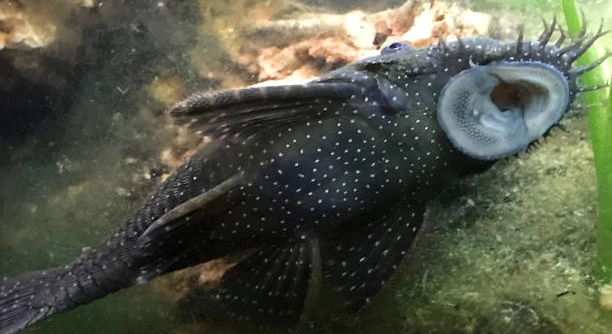
Do you enjoy setting up a peaceful aquarium but notice your Bristlenose Plecos acting differently around bubbles? These small, algae-eating fish often interact with their surroundings in unique ways that can affect your tank’s dynamics.
Bristlenose Plecos generally tolerate bubble walls well, though they do not actively seek them out. Bubble walls may provide gentle water movement and mild stimulation, but these fish primarily rely on hiding spots and surfaces for grazing and comfort.
Observing how your Plecos respond to bubbles can help you create a balanced and stimulating environment. Simple adjustments may improve their comfort and overall activity in the tank.
How Bubble Walls Affect Bristlenose Plecos
Bristlenose Plecos experience subtle effects from bubble walls in aquariums. The gentle streams of bubbles create water movement that can slightly increase oxygen levels, which may encourage light activity but not constant interaction. Some Plecos may investigate bubbles, brushing against them or swimming near the stream, while others may ignore them completely. Their preference is often determined by tank layout, presence of hiding spots, and water conditions. Plecos are nocturnal grazers, spending most of the day resting on surfaces or within caves. Bubble walls generally do not disturb resting areas, but placing them too close to hiding spots may cause minor stress. Observing their behavior over several days can reveal whether the bubbles are beneficial or unnecessary. Many aquarists notice Plecos use bubbles as a temporary point of interest rather than a constant feature. Placement and intensity of the bubble wall should be balanced with the fish’s natural habits to maintain comfort.
Overall, Bristlenose Plecos may show mild interest in bubbles, but they do not depend on them for activity.
Adjusting bubble wall location and intensity can improve Plecos’ interaction and comfort. Too strong a stream may cause stress, while gentle streams can add enrichment. Observing patterns helps ensure the aquarium supports natural behavior. When placed carefully, bubble walls enhance water circulation without interfering with grazing, hiding, or resting. Plecos often combine exploring the bubbles with using other areas of the tank, indicating they treat them as one feature among many. Tank decorations, driftwood, and smooth surfaces remain primary attractions. Over time, bubble walls can encourage mild curiosity but rarely become central to activity. Consistent observation allows adjustments based on how the fish respond to varying flow patterns. Environmental balance, including hiding spaces and oxygen levels, contributes more to Plecos’ well-being than bubble walls alone. Strategic placement of bubbles alongside shelters and feeding areas creates an enriched, stress-free tank that aligns with their natural behaviors and routines.
Choosing the Right Bubble Wall
Selecting a suitable bubble wall for your aquarium requires attention to size and flow strength.
Smaller bubble walls with gentle streams are ideal for tanks housing Bristlenose Plecos. Strong currents may disrupt resting areas and discourage grazing. Choosing an adjustable wall allows gradual introduction and minimizes stress. Positioning near open areas rather than caves ensures Plecos can explore without feeling confined or disturbed. The visual effect adds aesthetic value while maintaining comfort, creating a subtle enhancement rather than a dominant feature.
When implementing a bubble wall, consider tank dimensions, fish population, and water flow patterns. Plecos thrive in moderate movement and shaded areas, so the wall should complement rather than dominate the environment. Placement near the center or rear of the tank provides visual appeal and gentle circulation without pushing fish from favorite surfaces. Gradually increasing bubble intensity allows observation of Pleco reactions and ensures they remain comfortable. Combining the bubble wall with driftwood and hiding spots encourages natural grazing and exploration while avoiding overstimulation. Regular monitoring of water quality and flow prevents sudden changes that could stress the fish. Proper care ensures that bubble walls contribute positively without affecting their routines or well-being, integrating seamlessly into a stable, balanced tank ecosystem.
Observing Pleco Behavior Around Bubble Walls
Bristlenose Plecos may hover near bubbles briefly or glide through them. Most fish remain close to their usual resting spots, occasionally interacting with the stream, but they rarely spend extended periods actively chasing bubbles.
Some Plecos show curiosity by brushing against bubbles or exploring the rising stream. They may swim through it, then return to driftwood or cave areas for resting. This behavior suggests the bubble wall is a minor enrichment rather than a primary focus. Observing these interactions over time helps gauge whether the feature contributes positively to tank activity or is simply decorative.
Behavior varies among individual fish. Some Plecos might ignore bubbles entirely, while others use the movement to investigate surroundings. Tank layout, light levels, and hiding spots influence their interest. Monitoring their responses ensures bubble walls enhance rather than disrupt natural routines. Adjustments can be made to flow strength and placement to match fish preferences.
Placement Tips for Bubble Walls
Bubble walls should not interfere with Plecos’ hiding areas or grazing surfaces. Proper positioning balances water movement with comfort and activity.
Place bubble walls toward open spaces or mid-tank zones to allow free swimming without disturbing caves or driftwood shelters. Gentle flow prevents excessive current near resting spots, maintaining a stress-free environment. Consider tank size and Pleco population to avoid overcrowding or flow issues. Regular observation helps determine if adjustments are needed, ensuring fish continue normal grazing and resting behaviors.
Positioning near the tank’s center or along a side wall works best. Avoid placing bubbles directly in caves or near plants where fish seek shelter. Strong currents can push Plecos from surfaces or disturb algae growth, affecting feeding. Adjustable bubble walls provide flexibility to fine-tune intensity over time. Pairing walls with natural tank décor ensures movement complements the environment rather than dominating it. Observing Plecos’ interactions for several days confirms if placement supports comfort and exploration. Careful planning integrates bubbles seamlessly while maintaining a natural, balanced habitat.
Adjusting Bubble Wall Intensity
Bubble wall strength should be moderate to avoid stressing Bristlenose Plecos. Too strong a stream can push fish from resting spots, while gentle flow encourages mild exploration without disruption.
Start with a low setting and observe fish reactions. Gradually increase intensity only if Plecos appear comfortable.
Interaction With Tank Decorations
Plecos often use driftwood, caves, and smooth surfaces alongside bubble walls. Interaction is generally exploratory, with bubbles providing subtle stimulation without replacing natural hiding and grazing areas. Observing their combined use ensures the tank remains balanced and stress-free.
Feeding Near Bubble Walls
Feeding areas should not be directly in the bubble stream. Strong currents can disperse food, making it difficult for Plecos to graze efficiently.
Monitoring Fish Health
Regularly observe Plecos for stress signs like excessive hiding or clamped fins. Bubble walls should support comfort, not cause agitation, ensuring overall well-being.
FAQ
Do Bristlenose Plecos need bubble walls to stay healthy?
No, Bristlenose Plecos do not require bubble walls for health. Their primary needs include clean water, hiding spots, and surfaces for grazing algae. Bubble walls provide mild water movement and enrichment but are not essential for their well-being. Plecos rely more on tank structure and diet than on aeration from bubbles.
Can bubble walls stress Bristlenose Plecos?
Yes, if the flow is too strong or placed near caves and resting areas, bubble walls can cause mild stress. Fish may avoid the area, hide more, or reduce grazing. Observing their behavior and adjusting flow strength ensures comfort. Gentle, well-positioned streams rarely disturb normal routines.
How should I place a bubble wall in a Pleco tank?
Position bubble walls in open areas or mid-tank zones to allow free swimming. Avoid placing them directly in caves or near driftwood where Plecos rest. The goal is mild circulation without disrupting hiding spots, algae grazing, or feeding areas. Adjustable walls offer flexibility to fine-tune placement over time.
Will my Plecos actively interact with bubble walls?
Interaction varies by individual fish. Some Plecos may glide through bubbles or hover briefly, while others may ignore them completely. Bubble walls generally provide curiosity-driven activity rather than constant engagement. Observing your fish over several days shows whether the feature enhances tank enrichment or remains decorative.
Do bubble walls improve oxygen levels for Plecos?
Bubble walls can slightly increase oxygenation by agitating the water surface, but they are not a replacement for proper filtration or aeration. Plecos thrive in well-maintained tanks with stable water parameters, and bubbles are only a minor supplemental benefit.
Are there risks in using bubble walls with multiple Plecos?
Strong currents can push fish from surfaces or create competition for calm areas. In tanks with several Plecos, moderate bubble wall intensity is crucial to prevent stress and maintain balanced interactions. Observing group behavior ensures all fish remain comfortable.
How can I tell if the bubble wall is beneficial?
Signs of positive impact include occasional exploration, brushing against bubbles, and no change in hiding or grazing habits. If Plecos consistently avoid the area or show stress signs, the flow may be too strong or the placement inappropriate. Adjusting position and intensity helps integrate the feature safely.
Can bubble walls affect feeding?
Yes, placing food directly in the stream can disperse flakes or pellets, making it difficult for Plecos to feed efficiently. Position feeding areas in calm zones away from bubbles to maintain effective grazing and minimize waste.
Should bubble walls run continuously?
Continuous operation is not necessary. Running the bubble wall for limited periods each day can provide enrichment without altering resting or feeding routines. Observing fish behavior helps determine the optimal schedule.
Do Plecos prefer bubble walls over natural enrichment?
No, Plecos prioritize driftwood, caves, and grazing surfaces. Bubble walls add mild stimulation but are secondary to natural features. Ensuring adequate shelter and grazing surfaces remains the key to a healthy, stress-free tank.
Can bubble walls be used in small tanks with Plecos?
Yes, but flow strength should be minimal to avoid creating excessive current in confined spaces. Careful placement ensures Plecos can rest, graze, and explore without disruption. Observing the tank dynamics helps maintain comfort and natural behavior.
Do all Plecos react the same way to bubbles?
Individual reactions differ. Some may interact frequently, while others ignore the bubbles entirely. Differences are influenced by tank layout, light levels, and personality. Monitoring each fish ensures that adjustments meet their specific needs.
Is maintenance of bubble walls difficult?
Maintenance is simple. Regular cleaning prevents algae buildup and ensures consistent airflow. Checking connections and adjusting flow periodically keeps the feature functional without negatively affecting tank conditions.
Can bubble walls replace filters or pumps?
No, bubble walls do not replace filtration or pumps. They provide minor circulation and enrichment but cannot maintain water quality or remove waste. Proper filtration remains essential for Pleco health.
How long should I observe Plecos after installing a bubble wall?
Observe for several days to notice patterns. Look for changes in resting behavior, grazing, or stress. Gradual adjustments help integrate the bubble wall without disrupting the tank ecosystem.
Are bubble walls safe for baby Plecos?
Yes, if flow is gentle. Strong currents can displace fry or make grazing difficult. Low-intensity streams placed in calm areas allow safe interaction without interference in growth or feeding.
Can I use multiple bubble walls in one tank?
Multiple walls are possible but require careful positioning. Avoid creating strong currents or overcrowded active zones. Monitoring fish response ensures all Plecos remain comfortable while benefiting from mild enrichment.
Do bubble walls increase tank aesthetics?
Yes, they add visual appeal by creating flowing bubbles and gentle movement. While primarily decorative, this effect can enhance the tank environment without stressing the fish when positioned appropriately.
Is there a preferred type of bubble wall for Plecos?
Smaller, adjustable bubble walls are best. They allow fine-tuning of intensity and placement, providing mild stimulation without disrupting hiding areas, grazing surfaces, or resting zones. Observation helps determine the ideal setup for your tank.
Do Plecos lose interest in bubble walls over time?
Often, yes. Many Plecos show brief curiosity initially and then return to natural behaviors. Bubble walls are more of a supplementary feature than a consistent source of activity.
How often should bubble walls be cleaned?
Cleaning once every 1–2 weeks prevents clogging and maintains consistent airflow. Minimal buildup ensures that bubbles remain gentle and unobstructed, supporting tank comfort and Pleco well-being.
Can bubble walls cause injury?
In general, no. Properly installed walls with gentle flow pose little risk. Strong currents or sharp edges in DIY setups can cause minor abrasions, so careful placement is important.
Do Plecos react differently to bubbles at night?
Behavior may vary. Being mostly nocturnal, Plecos may use bubble areas less at night, preferring resting spots or grazing surfaces. Observing both day and night provides a full understanding of interaction patterns.
Are there alternatives to bubble walls for enrichment?
Yes. Driftwood, caves, and smooth surfaces provide natural stimulation. Floating plants or gentle water movement from filters can also offer enrichment without relying on artificial streams.
Do Plecos like bubbles in cold water tanks?
Temperature does not significantly alter interaction. Mild bubble movement is safe in most tropical and temperate setups, as long as flow remains moderate and hiding areas are preserved.
Will a bubble wall affect water parameters?
Minimal effect. Bubble walls slightly increase oxygenation but do not change temperature, pH, or hardness significantly. Regular monitoring remains essential for tank stability.
Can bubble walls encourage fighting among Plecos?
Unlikely. Most conflicts arise from territory disputes. Bubble walls may create temporary zones of interest, but proper tank design minimizes aggression and maintains peace.
Is it safe to leave bubble walls running overnight?
Yes, if flow is gentle and placement is away from resting areas. Continuous operation at moderate intensity rarely disturbs Plecos or affects their natural routines.
Do Plecos ever get trapped in bubbles?
No, bubbles themselves do not trap Plecos. They may briefly hover near streams, but the fish can move freely and are not physically restrained by airflow.
Can bubble walls help clean algae for Plecos to eat?
Indirectly. Bubble movement may dislodge loose algae, making it more accessible. However, primary grazing still occurs on surfaces like driftwood and tank walls. Bubbles supplement rather than replace natural feeding areas.
Do Plecos react differently to vertical versus horizontal bubble walls?
Placement orientation can affect interaction slightly. Vertical walls create rising streams that some fish investigate, while horizontal setups generate gentler lateral movement. Preference depends on tank layout and individual fish behavior.
Can bubble walls reduce water stagnation?
Yes, mild movement prevents completely still zones, promoting subtle circulation. However, filtration remains essential to remove waste and maintain overall water quality.
Are there specific brands recommended for Pleco tanks?
Brands offering adjustable, small bubble walls are ideal. Features like flow control, durability, and easy cleaning matter more than brand name. Observation and placement matter more than brand selection.
How do I know if my Plecos enjoy the bubble wall?
Signs include brief exploration, hovering near the stream, and no avoidance of the area. Lack of stress indicators like clamped fins or hiding shows positive adaptation.
Can bubble walls help during tank cycling?
Not directly. Bubble walls add oxygenation but do not replace filtration or beneficial bacteria needed for cycling. They provide minor support while maintaining gentle water movement.
Should bubble walls be turned off during water changes?
It is not necessary, but temporarily reducing flow can prevent disturbance and allow fish to acclimate. Continuous gentle operation is generally safe.
Do Plecos use bubbles for play?
Interaction is mostly exploratory rather than play. Fish may swim through bubbles out of curiosity, but it does not replace natural activities like grazing or resting.
Is it okay to use air stones instead of bubble walls?
Yes, air stones provide similar gentle aeration. Placement should still avoid resting areas and strong currents to maintain Pleco comfort.
Do saltwater Plecos react the same as freshwater ones?
Bristlenose Plecos are freshwater species, so comparisons are limited. In freshwater tanks, behavior is consistent with mild curiosity and preference for stable environments over bubble interaction.
Can bubble walls help reduce algae growth on glass?
Indirectly, by moving water slightly. They do not remove algae effectively; primary cleaning remains manual or via grazing fish.
Are there risks with DIY bubble walls?
Yes, sharp edges or uneven airflow can stress or injure fish. Proper materials and moderate flow reduce risk and maintain safety.
Do Plecos get startled by sudden bursts of bubbles?
Yes, sudden increases in flow can startle fish temporarily. Gradual adjustment prevents stress and allows them to explore safely.
How long do Plecos usually stay near bubble walls?
Typically, only briefly. Most Plecos investigate for a short time before returning to resting or grazing areas, showing bubbles are secondary enrichment.
Can bubbles affect water temperature?
No, bubble walls have negligible effect on water temperature. Temperature management relies on heaters or ambient control.
Are there health benefits from bubble walls?
Minor benefits include increased oxygenation and subtle stimulation, but primary health depends on clean water, proper diet, and adequate shelter.
Can bubble walls be used in planted tanks?
Yes, gentle streams are safe. Strong currents may disturb delicate plants, so moderate flow is recommended for planted aquariums.
Do Plecos prefer continuous or intermittent bubbles?
Most fish show no strong preference. Intermittent bubbles can provide mild enrichment without altering normal routines, while continuous gentle flow is usually harmless.
Will Plecos damage the bubble wall?
No, Bristlenose Plecos do not have the strength to damage standard bubble walls. Occasional contact while exploring is harmless.
Can bubbles improve Plecos’ exercise?
They provide light stimulation but do not replace natural swimming activity. Most exercise comes from grazing, exploring, and moving around the tank.
Do Plecos interact differently in tall versus short tanks?
Yes, vertical space can influence interaction with rising bubbles. Tall tanks allow more vertical exploration, while short tanks limit vertical movement. Behavior may adjust accordingly.
Are there alternatives for aesthetic bubbles without affecting fish?
Yes, placing walls behind decorations or in less frequented areas creates visual effect without interfering with hiding or grazing zones.
Do older Plecos react differently than juveniles?
Older fish are often less curious, spending more time resting. Juveniles may explore bubbles more frequently, though interest typically diminishes over time.
Is observation necessary after every bubble wall adjustment?
Yes, even minor changes in placement or flow can alter fish behavior. Observing ensures Plecos remain comfortable and stress-free.
Can bubbles interfere with breeding?
Potentially. Strong currents near breeding caves may discourage spawning. Moderate or temporarily turned-off walls are safer during breeding periods.
Do Plecos use bubbles for oxygen intake?
Not directly. Plecos obtain oxygen through gills; bubbles mainly improve general water aeration rather than serving as a direct oxygen source for the fish.
How do I integrate bubble walls with other tank equipment?
Ensure flow from filters, heaters, and pumps complements bubble streams. Avoid competing currents that may disturb fish. Observing fish movement patterns ensures a harmonious setup.
Can multiple Pleco species share a bubble wall?
Yes, if flow is moderate and space is sufficient. Monitor interactions to prevent aggression or territorial disputes. Placement should accommodate all species comfortably.
Do Plecos need a break from bubbles?
Yes, constant strong flow can be stressful. Gentle intermittent streams or reduced intensity periods maintain enrichment without causing fatigue or agitation.
Are bubble walls more useful in larger tanks?
Larger tanks benefit from added circulation and visual effect. In small tanks, moderate flow is essential to avoid excessive current and stress.
How do Plecos behave when a bubble wall is removed?
Most quickly return to normal routines. They rely more on surfaces, hiding spots, and grazing than on bubbles for activity.
Do Plecos show curiosity toward air stone bubbles differently than wall bubbles?
Behavior is similar. Both provide mild stimulation, though wall bubbles may create a more visually noticeable stream. Interaction depends on placement and flow strength.
Can bubbles help reduce detritus accumulation?
Minimal effect. Some loose particles may move with water flow, but primary cleaning relies on filtration or manual removal.
Do Plecos prefer bubbles in shallow or deep areas?
Individual preference varies. Some explore rising streams in deeper areas, while others hover near the surface. Observation is key to placement.
Is there a maximum recommended flow for Plecos?
Moderate flow that does not disturb hiding areas or grazing surfaces is ideal. Strong currents may reduce activity and cause stress.
Do Plecos react differently to colored LED bubble walls?
Color does not significantly affect behavior. Fish respond more to flow and placement than visual effects.
Can bubble walls influence water clarity?
Indirectly, by preventing still zones. Primary clarity depends on filtration and regular maintenance.
Do Plecos avoid tanks with bubble walls if given a choice?
Generally, no. Properly placed and moderate flow does not cause avoidance. Stress occurs only with strong currents near preferred areas.
Are there seasonal effects on bubble wall interaction?
Temperature and light cycles may slightly influence activity levels, but bubbles remain a minor enrichment throughout the year.
How to safely introduce a bubble wall to a new tank?
Start with low flow, observe fish, and gradually increase intensity. Ensure hiding spots and grazing surfaces are not disrupted. Observation during the first few days is crucial.
Can bubbles interfere with water testing or treatments?
No significant interference occurs, but temporarily reducing flow may simplify dosing or measurement. Normal operation is generally safe.
Do Plecos interact with bubbles more during feeding times?
Not typically. Feeding behavior focuses on grazing surfaces rather than chasing bubbles, though occasional exploration may coincide.
Are there signs that bubbles are harmful?
Stress indicators include clamped fins, hiding, reduced grazing, or erratic swimming. Adjusting flow or placement usually resolves issues.
Can bubble walls support tank oxygenation during power outages?
Only if connected to a backup air pump. Otherwise, bubble walls cannot function during a power outage.
Do Plecos prefer continuous rising bubbles or gentle horizontal streams?
Most show mild curiosity for either, but vertical rising streams are slightly more noticeable. Preference is influenced by tank layout.
Are DIY bubble walls as safe as commercial ones?
If carefully constructed with smooth edges and moderate flow, DIY walls are safe. Poor construction may stress or injure fish.
Can bubble walls encourage Plecos to explore higher areas of the tank?
Yes, rising streams may prompt vertical movement briefly, but natural surfaces and hiding spots remain the primary focus.
Do Plecos benefit from alternating bubble wall locations?
Changing placement occasionally can provide mild stimulation, though it is not necessary. Fish adapt quickly and continue normal routines.
Can bubble walls affect substrate cleanliness?
Minor effect. Gentle streams may prevent stagnant pockets, but primary cleaning relies on siphoning and filtration.
Do Plecos need training to use bubble walls?
No training is required. Interaction is instinctive and exploratory, with fish returning to natural behaviors after brief exploration.
Are there risks with oversized bubble walls?
Yes, walls too large for the tank may create excessive flow, disturb resting areas, and reduce grazing efficiency. Proper sizing ensures comfort.
Do Plecos use bubbles for social interaction?
Not directly. Bubbles do not encourage group behavior; fish interact naturally around territory and feeding areas.
How can I tell if bubble walls improve tank aesthetics without stressing Plecos?
Positive integration is evident when fish maintain normal routines, explore occasionally, and the tank gains visual movement without agitation.
Can bubble walls assist in acclimating new Plecos?
Mild bubble streams may provide gentle circulation, but acclimation primarily depends on water parameters and hiding spots.
Do Plecos react differently to bubbles depending on water clarity?
Not significantly. Flow and placement matter more than water clarity for interaction.
Are there health risks from prolonged exposure to bubble walls?
No, as long as flow is moderate and hiding spots remain available. Overly strong currents may induce mild stress, which is avoidable.
Do Plecos prefer bubbles near the surface or mid-water?
Preference varies. Some hover near mid-water streams, while others investigate closer to the surface. Observation ensures proper placement.
Can bubble walls reduce the need for manual water movement?
Only minimally. Filtration and periodic cleaning remain essential for water quality. Bubbles provide slight circulation but do not replace maintenance.
Do Plecos ever become dependent on bubble walls?
No. Interaction is exploratory. Fish continue normal behaviors with or without bubbles.
Are there any long-term benefits of bubble walls?
Long-term benefits are subtle: slight stimulation, mild circulation, and minor oxygenation. Proper care and habitat design remain the main contributors to Pleco health.
Can bubble walls be harmful if air pump fails?
No direct harm occurs, but the stream stops functioning. Normal tank conditions continue as long as filtration remains active.
Do Plecos show signs of enjoyment near bubbles?
Signs are limited to brief exploration and hovering. Unlike mammals, Plecos’ curiosity is subtle but observable.
Can bubbles influence breeding behavior?
Only if strong currents interfere with caves or spawning areas. Gentle flow does not affect reproduction.
Are certain tank materials better for bubble wall placement?
Smooth surfaces like glass or acrylic are ideal. Rough or porous surfaces may disrupt bubble flow or accumulation.
Do Plecos react differently to multiple bubble streams?
Fish may explore each stream briefly but return to familiar resting and grazing areas. Too many
Final Thoughts
Bristlenose Plecos are hardy and adaptable fish that rely primarily on proper tank conditions, hiding spots, and grazing areas to thrive. Bubble walls can provide mild stimulation and aesthetic appeal, but they are not essential for the health or well-being of these fish. Observations show that most Plecos may briefly interact with the rising bubbles, hover near the streams, or occasionally glide through them, but their natural routines remain focused on resting, grazing, and exploring surfaces like driftwood, rocks, and tank walls. This indicates that while bubble walls can serve as a small enrichment tool, they do not replace the fundamental environmental needs that keep Plecos comfortable and active.
Proper placement and moderate intensity are key factors in integrating a bubble wall successfully. Strong currents or positioning too close to caves, driftwood, or feeding areas can create stress, discourage grazing, and interfere with resting spots. It is important to observe individual fish responses when introducing or adjusting bubble walls. Some Plecos may show curiosity and briefly investigate the bubble streams, while others may ignore them entirely. By positioning the wall in open areas and maintaining gentle flow, fish can explore without being disturbed, and water circulation can be improved slightly. Using adjustable bubble walls allows for fine-tuning the intensity over time to match the tank size and the behavior of the fish, ensuring the feature contributes positively without overwhelming the Plecos.
In addition to aesthetic appeal, bubble walls can provide minor benefits, such as slight oxygenation and subtle movement that encourages light activity. However, these effects are supplementary, and regular filtration, clean water, and well-planned tank decorations remain the primary factors for maintaining a healthy environment. Observing the Plecos’ behavior consistently helps identify whether the bubble wall is contributing to enrichment or causing unnecessary stress. Ultimately, the goal is to provide a balanced and comfortable habitat that aligns with their natural behaviors. By combining gentle bubble streams with adequate hiding spots, grazing surfaces, and proper tank maintenance, Plecos can thrive in a stress-free environment. Bubble walls can enhance the tank visually and offer mild interaction, but careful monitoring ensures that this feature supports the fish rather than distracts from their natural needs. The key is to integrate it thoughtfully, paying attention to individual preferences and tank layout to maintain harmony in the aquarium.

Hello,
If you enjoy the content that we create, please consider saying a "Thank You!" by leaving a tip.
Every little bit helps us continue crafting quality advice that supports the health, happiness, and well-being of pets around the world, for pets of all shapes, sizes, and species.
We really appreciate the kindness and support that you show us!