
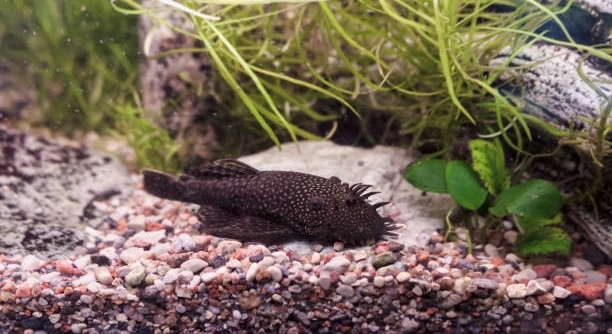
Do you ever notice your pleco hiding in the corners of the tank, only surfacing briefly before retreating again? These gentle fish can be surprisingly shy, responding to subtle changes in their environment and daily routine.
Plecos may exhibit shy behavior due to factors such as sudden movements, excessive noise, improper tank lighting, insufficient hiding spaces, incompatible tank mates, poor water quality, or irregular feeding schedules. Each of these elements can significantly influence their comfort and activity levels.
Understanding what triggers your pleco’s shyness can help improve its well-being and create a calmer, more engaging habitat for your aquatic companion. Observing these behaviors is key to providing a healthy environment.
Sudden Movements and Loud Noises
Plecos are highly sensitive to movement and sound in their tank. Rapid hand motions while feeding, tapping on the glass, or even walking heavily near the aquarium can make them retreat to hiding spots. These fish rely on feeling safe in their environment, and any sudden stimulus can startle them. Over time, constant disturbances can lead to chronic stress, reducing their activity and appetite. Maintaining a calm atmosphere around the tank is important for encouraging them to explore and feed confidently. Even subtle vibrations from household appliances can affect their comfort. Observing how your pleco reacts to different daily activities can help you identify sources of stress. Gradually introducing changes and minimizing abrupt disturbances allows the fish to adjust without fear, fostering a more relaxed and visible behavior. Simple adjustments can significantly reduce hiding tendencies and help plecos display their natural behaviors.
Plecos thrive when their surroundings remain consistent and quiet. Minimizing abrupt movements encourages them to feel secure and active.
Creating a stable and calm environment is crucial. Position the tank away from high-traffic areas and reduce tapping or knocking on the glass. Limit external vibrations from appliances nearby. Feeding should be done gently, using slow hand movements. Gradually introduce changes in tank décor to avoid startling them. Adding soft substrate or plants provides natural cover, which plecos feel comfortable around. Observing their response over time helps tailor the environment to their needs. By keeping conditions predictable, plecos will become more visible and confident, revealing their unique patterns and behaviors while maintaining overall health.
Insufficient Hiding Spaces
Plecos need areas where they can retreat and feel secure. A bare tank can increase stress and cause constant hiding.
Providing plenty of hiding spots reduces fear and encourages normal activity.
Plecos naturally seek shelter during the day and feel safest in caves, dense plants, or driftwood. Without these, they may spend most of their time hidden, only emerging briefly to feed. Hiding spots should be varied in size and shape to accommodate different pleco sizes. Plants, rocks, and hollow decorations create secure spaces that mimic their natural habitats. Observing which areas they prefer allows you to arrange the tank to suit their comfort. A well-structured tank not only reduces stress but also promotes exploration and natural behavior. Regularly inspecting these areas ensures cleanliness while maintaining a safe retreat for your fish. Proper placement and variety in hiding options encourage plecos to spend more time in view, showing off their distinctive markings and patterns.
Improper Tank Lighting
Bright or constantly fluctuating light can make plecos retreat and remain hidden. These fish prefer dim or filtered lighting that simulates their natural environment, reducing stress and encouraging normal activity.
Plecos are nocturnal by nature and feel more secure in subdued lighting. Overly bright lights can overwhelm them, causing them to hide during daytime hours. Using floating plants or adjusting the tank’s lighting schedule helps create a calmer environment. Gradually acclimating plecos to light changes prevents sudden stress and allows them to explore more confidently. Proper lighting not only supports their comfort but also enhances their natural coloring and behavior.
Balancing light levels is essential for pleco health. Consider using soft LED lighting or shaded areas, allowing the fish to choose where they feel safest. A predictable day-night cycle promotes regular feeding habits and reduces hiding behavior. By adjusting light intensity and placement, plecos are more likely to emerge and display their natural movements, making them easier to observe and care for. Consistent, gentle lighting contributes to a stable environment and encourages visible, confident activity.
Incompatible Tank Mates
Aggressive or overly active fish can intimidate plecos, causing them to hide frequently. Tank composition directly affects their comfort and willingness to explore.
Plecos are peaceful and often shy away from confrontation. Keeping them with aggressive or fast-moving species can trigger stress, making them retreat into hiding. Selecting compatible tank mates ensures they feel secure while still allowing normal social interactions.
When introducing new fish, consider species with calm temperaments and similar environmental needs. Aggressive fish may chase or harass plecos, leading to long-term stress and reduced activity. Providing ample hiding spots and separating territorial individuals can mitigate conflict. Observing interactions closely during the initial introduction period is crucial to prevent intimidation. A balanced tank environment encourages plecos to venture out more frequently, engage in natural feeding behavior, and maintain health. Understanding each species’ temperament helps maintain harmony while supporting pleco confidence and visibility.
Poor Water Quality
Dirty or unbalanced water can make plecos stressed and withdrawn. Maintaining clean water with proper filtration and regular changes is essential for their comfort and overall health.
High ammonia, nitrite, or nitrate levels can irritate plecos and reduce activity. Testing water frequently ensures a safe environment.
Irregular Feeding Schedules
Plecos respond best to consistent feeding times. Irregular schedules can make them hesitant to come out and forage. Establishing a predictable routine helps them feel secure and encourages normal behavior.
Lack of Environmental Enrichment
A bare or simple tank can bore plecos, causing them to hide more often. Adding driftwood, plants, and substrate variations keeps them engaged and comfortable. Proper enrichment mimics their natural habitat, reducing stress and promoting visible activity.
Stress from Handling
Excessive handling or sudden interaction can frighten plecos. Minimizing direct contact preserves their trust and encourages confident behavior in the tank.
FAQ
Why does my pleco hide all the time?
Plecos are naturally shy and nocturnal, so hiding is a normal behavior. They feel safest in covered areas or dimly lit parts of the tank. Excessive hiding can indicate stress from sudden movements, loud noises, improper lighting, or incompatible tank mates. Ensuring calm surroundings and proper tank setup helps reduce hiding.
How can I make my pleco feel more comfortable?
Providing adequate hiding spaces, consistent lighting, and regular feeding schedules can help plecos feel secure. Soft substrates, driftwood, and dense plants allow them to explore safely. Limiting disturbances near the tank and avoiding aggressive tank mates also encourages them to come out more often.
What are the best hiding spots for plecos?
Plecos enjoy caves, hollow logs, and dense plants. Floating plants create shaded areas, while driftwood offers natural cover. Variety in hiding spots lets them choose where they feel safest. Proper placement ensures easy access to feeding areas without exposing them to stress.
Can water quality affect pleco behavior?
Yes, poor water quality is a major stressor. High levels of ammonia, nitrites, or nitrates can irritate plecos and cause constant hiding. Regular water testing, partial water changes, and effective filtration maintain a safe environment, allowing plecos to feel secure and more active.
Do plecos need tank mates?
Plecos do not require companions to thrive and can feel stressed around aggressive or fast-moving fish. Choosing peaceful species with similar environmental needs supports their comfort. Ample hiding spaces reduce tension and allow plecos to interact safely without feeling threatened.
How often should I feed my pleco?
Feeding should be consistent, ideally once a day or every other day depending on species. A predictable schedule helps them feel secure. Offer algae wafers, vegetables, and occasional protein sources. Uneaten food should be removed promptly to prevent water quality issues.
Will plecos become more active during the day?
Plecos are mainly nocturnal, so daytime activity is limited. Gradual acclimation to tank lighting and a calm environment can encourage them to explore more during the day. Ensuring adequate hiding spots and gentle light exposure reduces stress and increases comfort.
Can tank decorations reduce pleco shyness?
Yes, adding driftwood, rocks, and plants creates natural hiding and resting areas. These features allow plecos to feel protected while exploring. A varied environment mimics their natural habitat, reduces stress, and encourages natural behaviors such as grazing and foraging.
Is my pleco shy because of stress?
Stress from poor water quality, aggressive tank mates, loud noises, or abrupt movements can make plecos hide excessively. Monitoring their behavior, providing consistent care, and minimizing environmental disturbances helps reduce stress and promotes visible, confident activity.
How do I know if my pleco is healthy despite being shy?
A healthy pleco shows clear eyes, intact fins, smooth scales, and regular feeding habits, even if it hides often. Regular observation of water parameters, diet, and behavior helps ensure they remain healthy while respecting their naturally shy tendencies.
Can adjusting tank lighting improve pleco confidence?
Yes, using dim or filtered lighting replicates their natural environment. Sudden or bright lights can cause hiding. Gradually adjusting light intensity and providing shaded areas encourages plecos to emerge and explore comfortably.
Are certain pleco species more shy than others?
Some species, such as the common pleco, are naturally more reclusive. Smaller or more territorial species may also hide more frequently. Understanding species-specific behavior helps in providing the right environment and reducing stress.
Does the tank size affect pleco shyness?
A larger tank with sufficient hiding spots allows plecos to feel secure and reduces stress. Overcrowded tanks or limited space can make them hide more and exhibit anxious behavior. Proper tank design supports exploration and natural activity.
Can feeding at night encourage my pleco to come out?
Feeding during low-light hours aligns with plecos’ nocturnal habits. Offering food in the evening or using floating feeding devices encourages them to emerge naturally, reducing hiding and promoting healthy activity.
What should I do if my pleco is constantly hiding?
Check water quality, tank mates, lighting, and hiding spots. Make gradual adjustments to reduce stress, provide cover, and establish consistent feeding. Patience is key, as plecos may take time to feel secure enough to explore regularly.
This FAQ covers common causes of pleco shyness and practical steps to address it, ensuring a calmer and healthier environment for your fish while supporting natural behaviors.
Final Thoughts
Plecos are naturally shy fish that often prefer the comfort of hiding spots and quiet areas in their tank. Their behavior can be influenced by many small factors, including tank setup, water quality, lighting, and the presence of other fish. Understanding these influences is key to creating an environment where your pleco feels safe and confident. Many new pleco owners are surprised at how sensitive these fish can be. Unlike some more outgoing aquarium species, plecos need time and consistent care to feel secure. Even small changes in the tank can cause them to retreat, so observing their behavior closely and responding appropriately is essential. Providing proper hiding spaces, gentle lighting, and predictable routines helps reduce stress, allowing your pleco to show more natural activity and feeding behavior. Over time, with patience and careful attention, these shy fish can become more visible, making their fascinating patterns and unique movements a joy to observe.
Maintaining a healthy environment for plecos requires consistent care and attention to detail. Water quality is one of the most important aspects of their well-being. Regular water testing and partial water changes prevent the buildup of harmful chemicals, keeping the tank safe and comfortable. Filtration should be adequate for the size of the aquarium, and any equipment that produces strong vibrations or loud noises should be minimized. Tank décor plays a critical role as well. Driftwood, caves, and dense plants provide safe retreats, reducing anxiety and encouraging exploration. The placement of these hiding spots can influence how often a pleco comes out into view. Feeding routines also matter, as irregular or inconsistent schedules can increase stress. Offering a balanced diet that includes vegetables, algae wafers, and occasional protein supplements helps maintain health while supporting normal behavior. These small adjustments collectively create a more stable environment, allowing shy plecos to gradually feel secure enough to emerge and interact with their surroundings.
Patience is essential when caring for shy plecos. Unlike other fish that may quickly adapt to their environment, plecos take time to adjust and feel confident. Observing their habits, understanding what triggers stress, and making gradual improvements ensures their long-term well-being. It is also important to choose tank mates carefully, as aggressive or fast-moving species can make plecos more timid. By focusing on a calm, structured, and enriched environment, you allow your pleco to display its natural behaviors safely. Over time, these fish can become more active, exploring their tank and interacting with the environment in a way that is rewarding for both the pleco and the owner. Shy behavior should not be seen as a problem but rather as a natural part of the pleco’s personality. Respecting their needs and providing consistent care leads to a healthier, more comfortable fish, and observing them in their relaxed state can be deeply satisfying. This thoughtful approach ensures that your pleco remains happy, healthy, and confident in its aquatic home.

Hello,
If you enjoy the content that we create, please consider saying a "Thank You!" by leaving a tip.
Every little bit helps us continue crafting quality advice that supports the health, happiness, and well-being of pets around the world, for pets of all shapes, sizes, and species.
We really appreciate the kindness and support that you show us!