
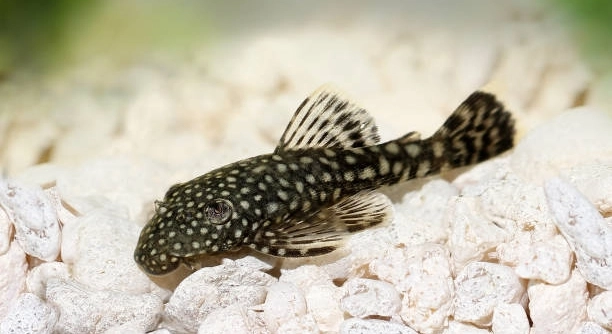
Do you ever find yourself adding new fish to your tank and wondering how your pleco will handle the change? Plecos have distinct personalities, and their reactions to new tank mates can vary widely depending on species and environment.
Plecos generally display cautious or territorial behavior when introduced to new tank mates. Initial interactions may include hiding, minor aggression, or increased movement along tank surfaces. Over time, most plecos adjust, establishing a social hierarchy and defined territories within the aquarium.
Observing your pleco closely during these first days can help ensure a smoother transition. Understanding their behavior is key to creating a harmonious tank environment for all inhabitants.
Understanding Pleco Behavior
Plecos are naturally territorial and can react strongly to new additions in their tank. Observing them closely is essential during the first days after introducing new fish. Some plecos hide more than usual, retreating to caves or behind decorations to feel secure. Others may display aggression by chasing or nipping at newcomers. This behavior is generally more pronounced in larger species and males defending their territory. Environmental factors such as tank size, availability of hiding spots, and water conditions play a significant role in how quickly plecos adjust. Ensuring that your tank provides ample space and structures can help reduce stress and conflict. Additionally, feeding routines influence interactions; a well-fed pleco is less likely to become aggressive. Gradual acclimation of new tank mates and monitoring water parameters also aid in a smoother introduction process. Over time, most plecos learn to coexist with other fish, establishing a stable hierarchy.
Proper observation during the first week is crucial to ensure safety for all fish in the tank.
Introducing new fish without considering these factors can lead to long-term stress or persistent territorial disputes. Understanding pleco behavior and planning the tank environment carefully helps maintain harmony. Adjusting tank decorations, feeding schedules, and water conditions minimizes aggressive incidents. It is also helpful to introduce multiple fish simultaneously if space allows, reducing the focus on a single newcomer. By respecting a pleco’s natural tendencies, the tank becomes a stable and balanced habitat, allowing all species to thrive with minimal stress. Patience and careful planning are key to a successful multi-species aquarium.
Signs of Stress in Plecos
Stress in plecos is subtle but noticeable. Signs include reduced activity, hiding excessively, or refusing food.
Plecos experiencing stress from new tank mates may develop unusual behaviors such as scraping against surfaces, erratic swimming, or changing color. Stress can weaken their immune system, making them more prone to disease. A cramped or poorly decorated tank often exacerbates these signs, as plecos rely on secure hiding spots to feel safe. Introducing a pleco gradually and ensuring adequate space, hiding areas, and proper water quality are crucial to reducing stress. Observing interactions carefully and separating overly aggressive fish temporarily may be necessary to protect both the pleco and other tank inhabitants. Maintaining consistent feeding and water routines helps plecos feel secure, encouraging normal behavior and interaction with other fish. Recognizing and addressing stress early prevents long-term health issues and promotes a stable, peaceful aquarium environment where plecos can thrive alongside compatible tank mates.
Introducing New Tank Mates
Slow introductions reduce stress for plecos and other fish. Start by quarantining new additions and floating them in the tank for observation before full release. This helps plecos detect newcomers without immediate confrontation, allowing them to adjust gradually.
After the initial float period, gradually release new fish into the tank while monitoring interactions closely. Plecos may chase or ignore newcomers at first, depending on temperament. Providing extra hiding spots helps reduce territorial disputes, giving plecos a sense of security. Feeding both plecos and new fish at the same time can also minimize aggression by keeping their focus on food rather than each other. Consistent observation for at least a week ensures early detection of any concerning behaviors.
Even with careful introductions, some plecos maintain cautious behavior for several weeks. They may patrol territories or retreat intermittently, signaling they are still adjusting. Adjusting tank layout or adding additional hiding places can help plecos feel more comfortable. Maintaining water quality and feeding routines also supports their acclimation. Over time, most plecos accept new tank mates and settle into a balanced social structure, showing normal feeding and resting behaviors. Patience and careful observation remain essential throughout this adjustment period.
Tank Environment Considerations
Tank size directly affects pleco behavior. A larger tank reduces conflicts and allows multiple hiding spots, making introductions smoother and stress levels lower.
Plecos require areas to hide and explore. Driftwood, rocks, and caves not only provide security but also support natural grazing behavior. Open swimming spaces allow plecos to move freely without feeling threatened by other fish. Proper water parameters, including temperature, pH, and filtration, are crucial for their well-being and can influence how they react to newcomers. Overcrowded tanks or poor water quality increase stress and aggression, leading to prolonged adjustment periods. Balancing space, decorations, and water conditions ensures a healthier, calmer environment for all tank inhabitants.
Adjusting the tank environment often resolves behavioral issues. Adding more hiding spots or rearranging decorations can reduce territorial disputes. Plecos may explore new structures gradually, which helps them feel secure. Maintaining a consistent feeding schedule and ensuring adequate nutrition supports normal activity and reduces aggression. Observation during environmental changes is important, as plecos may react differently depending on their temperament and previous experiences. Proper tank management promotes harmony, allowing plecos and other fish to coexist peacefully over time while reducing the risk of stress-related health problems.
Feeding and Territory
Feeding schedules influence pleco behavior significantly. Providing food at consistent times reduces stress and helps plecos feel secure in their environment. Overfeeding or irregular feeding can trigger territorial disputes and aggression toward new tank mates.
Placing food in multiple locations prevents competition and allows plecos to eat without conflict. This strategy also encourages other fish to explore different areas of the tank, reducing overcrowding in one spot. Ensuring a balanced diet with algae wafers, vegetables, and occasional protein supports overall health and normal behavior. Regular observation during feeding helps identify any aggressive tendencies early and allows timely adjustments.
Compatible Tank Mates
Peaceful, non-aggressive fish such as tetras, rasboras, and corydoras generally coexist well with plecos. Fast-moving or territorial species may cause stress, especially in smaller tanks.
Monitoring Long-Term Behavior
Plecos often adjust gradually over several weeks. Continuous observation is important to ensure all fish remain healthy and interactions stay calm.
Adjusting Tank Setup
Rearranging decorations or adding hiding spots can reduce territorial aggression. Plecos often explore new structures, which helps them feel secure and adapt to changes.
FAQ
How long does it take for a pleco to adjust to new tank mates?
Adjustment varies by species and individual temperament. Some plecos become comfortable within a few days, while others may take several weeks. Factors such as tank size, hiding spots, water conditions, and feeding routines all influence the adaptation period. Consistent observation during this time ensures that stress or aggression is addressed promptly. Gradually, most plecos establish territories and begin coexisting peacefully with other fish, showing normal feeding and resting behaviors.
Can plecos coexist with aggressive fish?
Aggressive or highly territorial fish can create constant stress for plecos. While some larger plecos may defend themselves effectively, prolonged exposure often leads to hiding, reduced feeding, or injury. In small or crowded tanks, aggressive fish increase tension, making coexistence unlikely. Adjusting tank layout or separating fish may be necessary to prevent conflict and maintain overall tank health.
What signs indicate that a pleco is stressed?
Signs of stress include excessive hiding, refusing food, scraping against surfaces, erratic swimming, and color changes. Stress can weaken the immune system, making plecos more vulnerable to disease. Close monitoring of behavior, feeding patterns, and appearance helps identify stress early. Providing adequate hiding spaces, stable water parameters, and consistent feeding routines reduces stress and promotes natural behavior.
Should I feed plecos separately when introducing new tank mates?
Feeding in multiple locations simultaneously helps reduce competition and territorial disputes. It allows plecos to eat safely while newcomers access food without confrontation. A varied diet with algae wafers, vegetables, and occasional protein supports health and encourages normal behavior. Observing feeding interactions during introductions helps identify and prevent aggression early.
Do plecos need specific hiding spots for new tank mates?
Yes, hiding spots are essential for reducing stress and aggression. Driftwood, caves, and rock structures provide security, allowing plecos to observe newcomers without direct confrontation. Proper placement of hiding areas encourages exploration and reduces territorial disputes. Multiple hiding options also allow plecos to move freely while maintaining a sense of safety.
Can tank size affect pleco behavior with new fish?
Larger tanks reduce territorial conflicts by providing more space to establish separate zones. Overcrowded or small tanks increase aggression and stress, particularly during introductions. Adequate space, combined with hiding spots and open swimming areas, helps plecos and other fish adjust to each other more smoothly.
Is it normal for plecos to chase new fish initially?
Yes, initial chasing or mild aggression is normal. Plecos are territorial and may assert boundaries when new tank mates are introduced. With time and proper tank conditions, most plecos reduce chasing behaviors and coexist peacefully. Observation and adjustments to tank layout or hiding spots help manage these interactions.
How can I tell if a pleco will never adjust to certain tank mates?
Persistent aggression, refusal to feed, and constant hiding beyond several weeks indicate poor compatibility. In such cases, separating the pleco or the new fish is necessary. Compatibility depends on temperament, species size, and tank conditions. Adjusting tank setup may help, but prolonged stress should be addressed promptly to protect all fish.
Do plecos react differently to males and females?
Yes, male plecos are often more territorial and may show stronger reactions to new tank mates. Females tend to be less aggressive, although individual temperament varies. Monitoring interactions based on sex and adjusting tank arrangements accordingly can help maintain balance in the aquarium.
Can plecos live peacefully with multiple new fish introduced at once?
Introducing several new fish simultaneously can reduce focus on one individual, minimizing targeted aggression. Adequate tank size, hiding spots, and consistent feeding help plecos adapt more easily. Gradual observation remains important to ensure all fish interact safely and stress levels stay low.
This FAQ addresses the most common concerns when introducing new tank mates to plecos. Understanding their behavior, providing a suitable environment, and monitoring interactions ensures a peaceful and healthy aquarium.
Final Thoughts
Plecos are fascinating fish with unique behaviors that often surprise even experienced aquarists. Their natural instincts make them cautious and territorial, especially when new tank mates are introduced. Understanding these instincts is essential for maintaining a peaceful aquarium. Plecos rely on secure hiding spaces, consistent feeding, and proper water conditions to feel comfortable. Without these, they may hide excessively, refuse food, or display aggression toward other fish. Observing their behavior closely during introductions helps identify stress or conflict early, allowing adjustments to tank layout or feeding routines. Over time, with patience and care, most plecos gradually accept new companions and establish a stable hierarchy in the tank, showing normal feeding and resting behaviors. Recognizing the importance of space and security can prevent long-term issues and ensures plecos thrive in a multi-species environment.
Creating the right environment involves more than just adding hiding spots. Tank size plays a critical role in how plecos interact with new fish. A larger tank reduces territorial conflicts and gives plecos room to patrol without constantly confronting newcomers. Decorations such as driftwood, caves, and rocks not only provide shelter but also encourage natural behaviors like grazing and exploration. Feeding strategies also influence behavior. Placing food in multiple areas and maintaining a regular feeding schedule minimizes competition and reduces stress. Water quality cannot be overlooked. Stable parameters, proper filtration, and routine maintenance support overall health and calm behavior. Combining these factors creates a supportive environment that allows plecos to adapt smoothly to new tank mates. Overlooking even one element can increase stress and aggression, so careful planning and observation are key to success.
Introducing new tank mates should always be done gradually, respecting the pleco’s natural tendencies. Patience is essential, as some plecos may take weeks to fully adjust. Mild aggression or hiding during this period is normal and should not be a cause for alarm. Monitoring interactions and making small adjustments, such as adding extra hiding spaces or rearranging decorations, can make a significant difference. Long-term success depends on understanding pleco behavior, providing consistent care, and creating a balanced tank environment. By prioritizing their needs and observing closely, plecos and other fish can coexist peacefully. With attention to detail, a properly managed aquarium allows all inhabitants to thrive, creating a healthy, harmonious space where plecos feel secure and other species can flourish alongside them.

Hello,
If you enjoy the content that we create, please consider saying a "Thank You!" by leaving a tip.
Every little bit helps us continue crafting quality advice that supports the health, happiness, and well-being of pets around the world, for pets of all shapes, sizes, and species.
We really appreciate the kindness and support that you show us!