
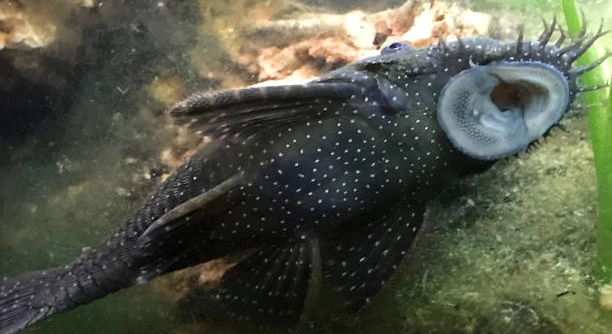
Are your pleco tanks constantly messy despite regular maintenance? Keeping these popular algae-eating fish can be rewarding, but leftover food, waste, and algae buildup can quickly turn a tank into a challenge to manage efficiently.
Maintaining a clean pleco tank requires consistent care and targeted strategies. Regular substrate vacuuming, proper filtration, controlled feeding, and the inclusion of live plants can significantly reduce debris accumulation and maintain water quality for healthier fish.
Implementing these fixes will simplify tank maintenance and support a cleaner, healthier environment for your plecos. Each step is practical and easy to follow for any aquarist.
Regular Substrate Cleaning
A messy pleco tank often starts with leftover waste settling at the bottom. I’ve found that using a gravel vacuum regularly keeps the substrate clear and prevents harmful bacteria from multiplying. Food remnants and algae scraps quickly accumulate, and without proper cleaning, water quality deteriorates. A simple routine of siphoning once or twice a week can make a huge difference. Additionally, stirring the substrate gently allows trapped debris to rise and be removed efficiently. Avoid over-cleaning, as beneficial bacteria live in the substrate and are essential for maintaining a stable aquarium environment. Balancing thorough cleaning with preserving these microorganisms ensures a healthy tank. Observing the substrate closely helps determine when cleaning is needed, preventing overgrowth before it becomes noticeable. Over time, this practice reduces odors, keeps water clearer, and lowers the risk of disease for your plecos.
Regular substrate cleaning prevents tank conditions from worsening and supports a balanced environment for plecos to thrive.
Consistency in vacuuming combined with careful observation can significantly reduce buildup. It also encourages healthier behavior in plecos, as they have more space to forage. Using a siphon method that reaches corners and under decorations ensures debris does not hide in unnoticed areas. This routine keeps ammonia and nitrate levels stable, which directly impacts fish health. Pairing cleaning with partial water changes strengthens tank stability, improving overall water quality. Simple adjustments, like spacing out feeding and removing uneaten food, complement the cleaning schedule. Over weeks, the tank becomes easier to maintain, reducing stress for both the fish and the caretaker.
Proper Filtration
A strong filtration system is essential for keeping a pleco tank clean.
Choosing a filter rated for your tank size ensures adequate water circulation and removes waste efficiently. Plecos produce a significant amount of organic matter, and a weak filter struggles to manage it. Regularly cleaning filter media without completely replacing it preserves beneficial bacteria that break down harmful compounds. Avoid overloading the filter with extra decorations or dense plants that restrict flow. Using mechanical, chemical, and biological filtration together improves water clarity and stability. Placement of the filter intake and outflow affects performance, so adjusting it to target dead spots enhances efficiency. Inspecting the filter weekly allows early detection of clogs or reduced flow. Combining proper filtration with routine maintenance creates a cleaner, more stable environment, reducing the frequency of full tank overhauls. This system also supports healthier plecos, as they thrive in water with lower toxin levels.
Maintaining proper filtration minimizes water issues and provides consistent circulation, improving overall tank health.
Filtration should be matched to tank size and bioload. Mechanical media captures visible debris while biological media processes ammonia and nitrites. Chemical media can remove discoloration or odors, but it should not replace essential cleaning routines. Plecos can disturb substrate, so a strong flow helps keep particles suspended for removal. Over time, a well-chosen filter reduces algae growth by keeping nutrients balanced, indirectly supporting a clearer tank. Routine inspection ensures it runs at peak efficiency, and cleaning without stripping bacteria maintains the tank’s natural filtration cycle. In combination with partial water changes, proper filtration forms the foundation of a consistently healthy pleco habitat. Choosing the right filter and maintaining it regularly simplifies upkeep and directly benefits the fish’s health.
Controlled Feeding
Overfeeding plecos is a common cause of tank mess. I’ve noticed that sticking to measured portions reduces leftover food that settles in the substrate. Feeding once or twice daily is usually enough, depending on the species and tank size.
Feeding controlled amounts prevents excess waste from accumulating. Plecos often leave uneaten food, especially if vegetables or sinking pellets are overprovided. Measuring portions and observing how quickly they eat helps determine the right amount. Uneaten food decays, creating ammonia spikes and promoting algae growth. Adjusting feeding based on activity levels ensures that fish get enough nutrition without overloading the tank. Removing leftover food after a few hours further prevents water quality problems. Over time, this practice keeps the tank cleaner and reduces frequent maintenance needs.
I also find that rotating food types keeps plecos healthy while minimizing mess. Vegetables like zucchini or cucumber should be cut into small pieces that can be eaten within hours. Sinking pellets are useful, but feeding too many at once creates buildup at the bottom. Observing feeding behavior allows adjustments for individual fish or tank conditions. Combining portion control, timely removal of leftovers, and varied food choices helps maintain cleaner water, reduces stress on the fish, and simplifies daily maintenance routines in the tank.
Live Plants
Live plants help manage waste naturally while improving tank aesthetics.
Plants absorb nitrates and other compounds from fish waste, limiting algae growth. Fast-growing species like hornwort or water sprite are particularly effective at maintaining water quality. Plants also provide hiding spots, which plecos appreciate, reducing stress and encouraging natural behavior.
I’ve found that planting densely in certain areas allows debris to be trapped and consumed by microorganisms. Rooted plants prevent substrate disturbance while floating plants shade the tank and slow algae. Regular pruning keeps plants healthy and prevents overcrowding, which can reduce circulation. Pairing live plants with substrate cleaning and proper filtration creates a more stable environment. Plecos also nibble on some plant leaves, which can supplement their diet and keep them engaged. Choosing hardy, low-maintenance plants reduces ongoing care while supporting a cleaner tank. Over time, plants become a natural filtration layer that works alongside mechanical systems, keeping water clearer and the tank environment more balanced for the fish.
Regular Water Changes
Performing regular water changes is key to maintaining a clean pleco tank. I usually change 20–30% of the water weekly to keep nitrate levels low and prevent buildup of waste and debris.
Consistent water changes improve overall water quality, reduce odors, and keep plecos healthy. This simple step complements filtration and substrate cleaning, making maintenance easier and preventing long-term water issues.
Removing Uneaten Food
Uneaten food contributes directly to water pollution and algae growth. Checking the tank after feeding and removing leftovers prevents decay and keeps water clearer for longer periods.
Monitoring Water Parameters
Keeping track of ammonia, nitrite, and nitrate levels ensures a stable environment. Regular testing helps identify issues early and allows adjustments before water quality affects pleco health.
Using Tank Decorations Strategically
Arranging decorations to prevent dead spots helps reduce debris accumulation. Hiding areas are necessary, but leaving open spaces allows water flow and easier cleaning.
FAQ
How often should I clean my pleco tank?
Cleaning frequency depends on tank size, fish load, and feeding habits. For most home setups, a weekly substrate vacuum and a 20–30% water change are sufficient. Filter maintenance should be done monthly, with media rinsed in tank water to preserve beneficial bacteria. Observing water clarity and fish behavior also helps determine if additional cleaning is necessary. Over-cleaning can disrupt the tank’s natural balance, so aim for consistent, moderate maintenance rather than infrequent deep cleans.
What is the best way to remove leftover food?
After feeding, monitor how quickly plecos consume their food. Any uneaten portions should be removed within a few hours to prevent decay. Using a small net or siphon allows targeted removal without disturbing the substrate or other inhabitants. Vegetables, pellets, and algae wafers can all contribute to water pollution if left to sit. Adjusting portion sizes also reduces the need for removal, keeping the tank cleaner overall.
Can live plants help reduce tank mess?
Yes, live plants act as natural filters by absorbing nitrates and other compounds from waste. Fast-growing plants like hornwort, water sprite, and java moss are particularly effective. Plants also provide hiding areas for plecos, which reduces stress and encourages natural behavior. Pruning regularly prevents overcrowding, and strategically placing plants can trap debris while maintaining good water flow. Over time, plants complement mechanical filtration and make overall tank maintenance easier.
How much should I feed my plecos?
Feeding should be controlled and measured. Most plecos eat once or twice daily, depending on species and tank size. Overfeeding leads to uneaten food that decomposes and affects water quality. Start with small portions that can be consumed within a few hours, then adjust based on observation. Include a mix of sinking pellets and vegetables like zucchini or cucumber for a balanced diet. Feeding slowly encourages natural foraging behavior while minimizing waste buildup.
Do decorations affect tank cleanliness?
Yes, decorations can influence how debris accumulates. Open spaces allow water to circulate, reducing dead spots where waste collects. Plecos like hiding places, but overcrowding the tank with ornaments or caves can trap food and waste. Arranging decorations strategically ensures easier cleaning and supports healthy water flow. Periodically lifting or moving decorations helps remove trapped debris without stressing the fish.
What is the role of filtration in maintaining a clean tank?
Filtration removes both visible and dissolved waste. Mechanical media captures debris, biological media breaks down ammonia and nitrites, and chemical media can improve clarity. A properly sized filter for your tank ensures sufficient water movement and reduces the buildup of organic material. Cleaning filter media regularly without stripping beneficial bacteria is essential to maintain water stability and support pleco health.
Can water testing help prevent mess?
Regular water testing identifies rising ammonia, nitrite, and nitrate levels before they affect plecos. Maintaining parameters within safe ranges prevents algae blooms, unpleasant odors, and unhealthy conditions. Testing weekly or biweekly allows for timely water changes or adjustments to feeding, filtration, and cleaning routines. Keeping a log of results also helps track long-term trends in tank health.
How do I manage algae in a pleco tank?
Algae growth is natural but can be controlled. Limiting light duration, feeding controlled portions, and incorporating live plants reduces nutrients that fuel algae. Plecos eat some algae, but relying solely on them is insufficient. Regular scrubbing of tank walls and decorations, combined with water changes, keeps algae manageable. Choosing fast-growing plants further reduces excess nutrients, limiting algae growth naturally.
Are there specific pleco behaviors that indicate tank issues?
Yes, unusual hiding, lethargy, or excessive surface activity may signal poor water quality. Watching for these behaviors allows early intervention. Maintaining clean water, controlled feeding, and proper filtration prevents stress and supports normal activity patterns. Behavioral changes often correlate with ammonia or nitrate spikes, so monitoring water parameters alongside observation is critical.
How can I make daily maintenance easier?
Consistency is key. Regular feeding, removing leftovers promptly, weekly water changes, and scheduled filter checks reduce the need for major cleaning sessions. Strategically placed plants and decorations also simplify upkeep. Observing pleco habits and adjusting routines accordingly ensures a stable, cleaner environment, making maintenance less time-consuming while supporting fish health.
This FAQ provides practical, straightforward guidance to manage a messy pleco tank efficiently. Applying these steps consistently ensures a balanced, cleaner, and healthier aquatic environment.
Keeping a pleco tank clean can feel overwhelming at first, but a consistent routine makes a big difference. Over time, I’ve learned that small, regular steps prevent most problems before they get out of control. Vacuuming the substrate, monitoring water parameters, and removing leftover food are the simplest practices that immediately improve water quality. Even spending a few minutes each week on these tasks reduces buildup, keeps the tank clear, and lowers stress on the fish. The combination of proper filtration, controlled feeding, and live plants creates a balanced environment that naturally supports cleaner water, reducing the need for constant intervention. This approach makes tank maintenance feel manageable rather than exhausting.
Filtration and water flow are especially important for plecos because they produce a significant amount of waste. Choosing a filter that matches the tank size and bioload ensures debris is removed efficiently, while mechanical, chemical, and biological filtration work together to stabilize water quality. Regularly inspecting and gently cleaning filter media preserves beneficial bacteria that break down ammonia and nitrites, supporting a safer environment. Live plants complement filtration by absorbing excess nutrients, trapping debris, and reducing algae growth. Together, these elements maintain a stable tank, giving plecos space to thrive and reducing the chances of sudden water quality problems. Implementing these changes gradually allows for a smoother transition to a cleaner tank without shocking the fish.
Routine observation is equally important. Monitoring fish behavior, checking water clarity, and keeping track of ammonia, nitrite, and nitrate levels help catch issues early. Overfeeding, overcrowding, or poor circulation can often be corrected before they become serious problems. Arranging decorations to prevent dead spots, pruning plants, and removing uneaten food all contribute to a healthier environment. Over time, following these steps develops a practical rhythm that makes tank upkeep simple and effective. Maintaining a clean pleco tank is not about perfection but consistency, and with regular care, the tank remains clear, the plecos stay healthy, and the maintenance process becomes a straightforward, manageable routine that fits easily into daily life.

Hello,
If you enjoy the content that we create, please consider saying a "Thank You!" by leaving a tip.
Every little bit helps us continue crafting quality advice that supports the health, happiness, and well-being of pets around the world, for pets of all shapes, sizes, and species.
We really appreciate the kindness and support that you show us!